The platform’s name, "The Last Museum," suggests a sense of extremity rather than finality. While the word "ultimate" often denotes the highest quality or the most extreme of its kind, the creators of this archive have utilized the concept of "last" to signify an all-encompassing repository—a final destination for those seeking to navigate the labyrinthine world of digital art history. By indexing both public domain works and those covered under fair use, the archive provides a tool that is as useful for academic researchers as it is for casual art enthusiasts.
The Evolution of Digital Art Accessibility
The emergence of The Last Museum is the latest development in a decades-long trajectory toward open-access art. Historically, museum collections were guarded by physical and bureaucratic barriers. Scholars often required special permissions to view items in storage, and the general public was limited to whatever happened to be on display in the galleries. The digital revolution of the late 20th century began to change this, as major institutions started the laborious process of photographing and cataloging their holdings for internal databases.
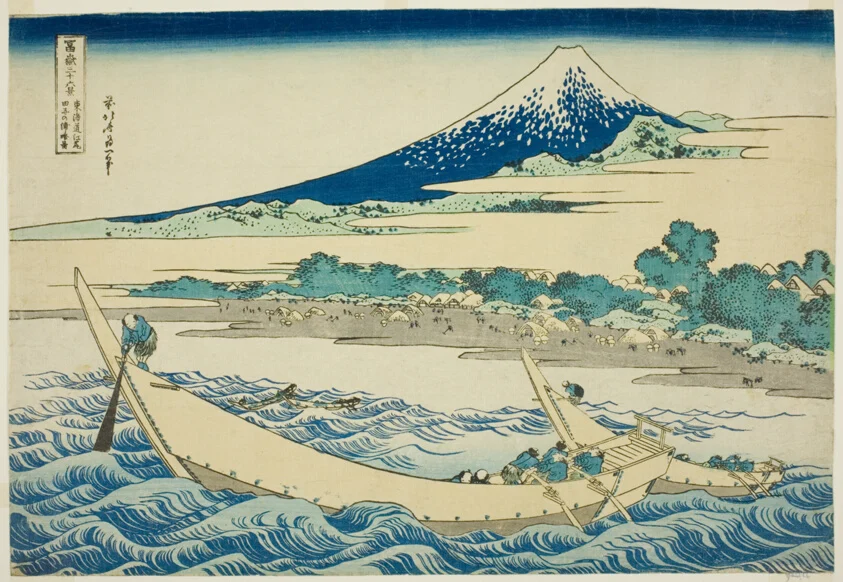
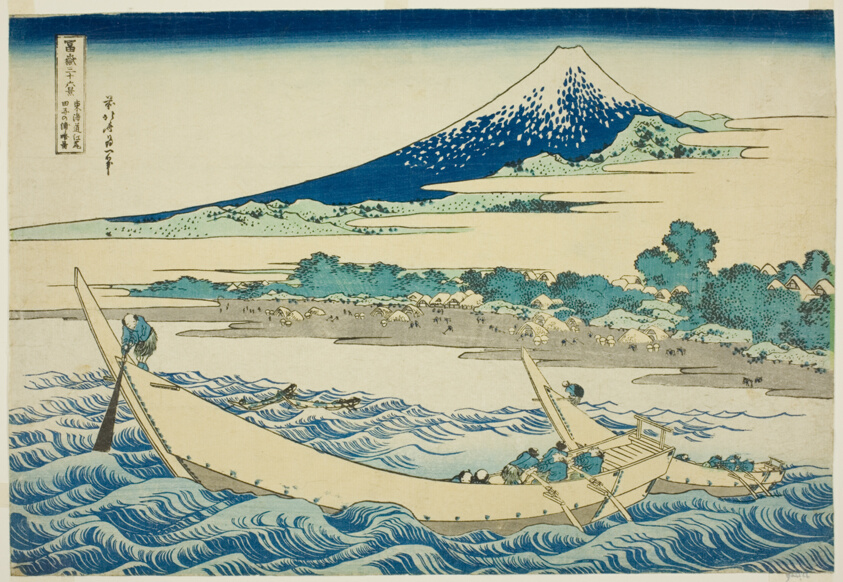
The real shift toward public accessibility began in the 2010s. In 2017, the Metropolitan Museum of Art launched its Open Access program, releasing hundreds of thousands of images into the public domain under Creative Commons Zero (CC0). This was followed by similar moves from the Getty, the Smithsonian, and the Paris Musées. However, despite these individual efforts, the digital art world remained fragmented. A user interested in comparing Japanese woodblock prints with French Impressionist sketches would traditionally have to navigate multiple different websites, each with its own user interface and search logic. The Last Museum addresses this fragmentation by aggregating these disparate records into a single, searchable interface.
Technological Innovations in Visual Search
What distinguishes this archive from its predecessors is its sophisticated approach to search functionality. Traditional museum databases rely heavily on "metadata"—specific tags such as the artist’s name, the title of the work, or the year of creation. If a user does not know these specific details, finding a piece of art can be difficult. The Last Museum utilizes more advanced indexing techniques that allow for discovery based on themes, moods, colors, and descriptive phrases.
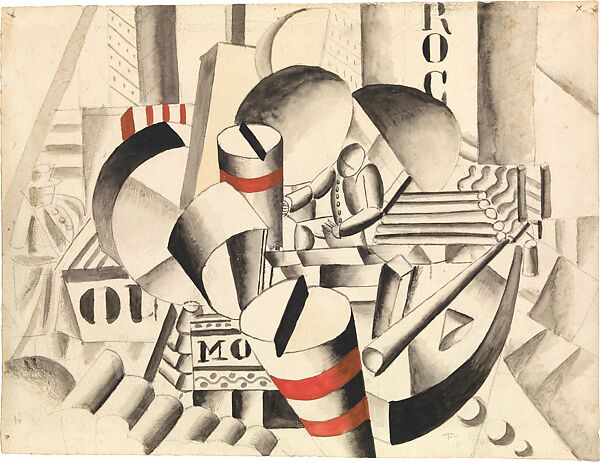
This "semantic search" capability means that a user can enter a query like "stormy sea at sunset" or "melancholy portrait" and receive results that are visually and thematically connected, regardless of whether those specific words appear in the official title of the artwork. This approach aligns with the way contemporary audiences interact with digital media, moving away from rigid academic categorization toward a more intuitive, "vibes-based" discovery process. By identifying related concepts across different cultures and time periods, the system facilitates serendipitous discovery, allowing users to find unexpected connections between, for instance, an ancient Egyptian sculpture and a 20th-century cubist painting by Pablo Picasso.
Chronology and Cultural Scope
The archive spans a staggering temporal range, with its default search parameters covering works from 3000 BC to the present day. To manage this vast timeline, the platform includes a chronological filter, allowing users to narrow their search to specific eras. This feature is particularly useful for those studying the evolution of specific styles or the cultural outputs of specific centuries.
The cultural diversity of the index is equally expansive. While it includes the expected pillars of Western art history—such as French, Roman, and Dutch collections—it also shines a light on less-represented cultures. Users can explore the artistic legacies of the Champa civilization of Southeast Asia, the intricate heritage of Tajik art, and the unique cultural expressions of the Basque people. This inclusivity ensures that the "Last Museum" serves as a truly global archive, reflecting the complexity of human history rather than a Eurocentric view of art.
Key Institutions Indexed
The platform’s strength lies in the quality and variety of its sources. Notable institutions currently indexed include:
- The British Museum: Providing access to a vast array of historical artifacts and global art.
- The Metropolitan Museum of Art: Offering a deep dive into both classical and modern masterpieces.
- The Rijksmuseum: Famous for its collection of Dutch Golden Age paintings.
- The Turin National University Library: Housing rare manuscripts and historical documents.
- The Bath Postal Museum: An example of the niche, specialized institutions that contribute to the archive’s diversity.
Legal Framework: Public Domain and Fair Use
A critical component of The Last Museum is its navigation of copyright law. The archive primarily focuses on two categories: public domain works and those that fall under fair use. Public domain works are those whose intellectual property rights have expired or have been forfeited, allowing them to be used, shared, and remixed without restriction. This includes the vast majority of "Old Master" paintings and ancient artifacts.
The inclusion of works under "fair use" is more complex. Fair use is a legal doctrine in the United States that permits the limited use of copyrighted material without acquiring permission from the rights holders for purposes such as criticism, comment, news reporting, teaching, scholarship, or research. By functioning as a search engine that links back to original sources and provides low-resolution previews for educational discovery, the platform operates within the established norms of digital indexing. This approach is similar to how search engines like Google Images or scholarly databases operate, providing a transformative service that adds value to the original works by making them findable.
Educational and Creative Implications
The availability of 5.8 million artworks in a single location has profound implications for education and the creative industries. For educators, the archive serves as a limitless visual aid, allowing for the creation of diverse curricula that can jump across continents and eras with a single click. For students, it provides a primary source for research that was once only available to those with the means to travel to major metropolitan centers.
In the creative sector, the archive acts as a catalyst for new work. Designers, illustrators, and digital artists frequently look to art history for inspiration. By providing a "mood-based" search, The Last Museum allows creators to find visual references that match the specific aesthetic or emotional tone they are trying to achieve. Furthermore, the accessibility of high-quality public domain images facilitates the "remix culture," where historical art is reimagined in modern contexts, from fashion design to digital collage.
Broader Impact on Museum Operations
The existence of such a powerful aggregator may also influence how physical museums manage their digital presence. As platforms like The Last Museum become the primary way the public interacts with art online, institutions are incentivized to maintain high-quality, open-access APIs (Application Programming Interfaces). Museums that "gatekeep" their digital records risk becoming invisible in the global search landscape.
This shift encourages a more collaborative ecosystem. When a smaller institution, such as the Hungarian National Museum, has its records indexed alongside the Louvre or the Met, it gains a level of international visibility that would be impossible to achieve through its own website alone. This democratization of visibility is one of the most significant impacts of the digital archive movement.
Future Outlook and Conclusion
The creators of The Last Museum have signaled that the archive is a living project. As more museums digitize their collections and as new institutions are founded, the "digital net" of the archive will continue to expand. The goal is to create a comprehensive mirror of human artistic achievement that is immune to the physical limitations of space and the geographical barriers of travel.
As we move further into the 21st century, the definition of a "museum" is evolving. It is no longer just a building with walls and galleries; it is a networked repository of data and imagery. The Last Museum represents the logical conclusion of this evolution—a tool that does not seek to replace the physical experience of standing before a canvas but seeks to ensure that the knowledge of that canvas is available to everyone, everywhere. By organizing 5000 years of history into a searchable, accessible format, the archive ensures that the "last" museum is, in fact, a beginning for a new era of global cultural engagement.