
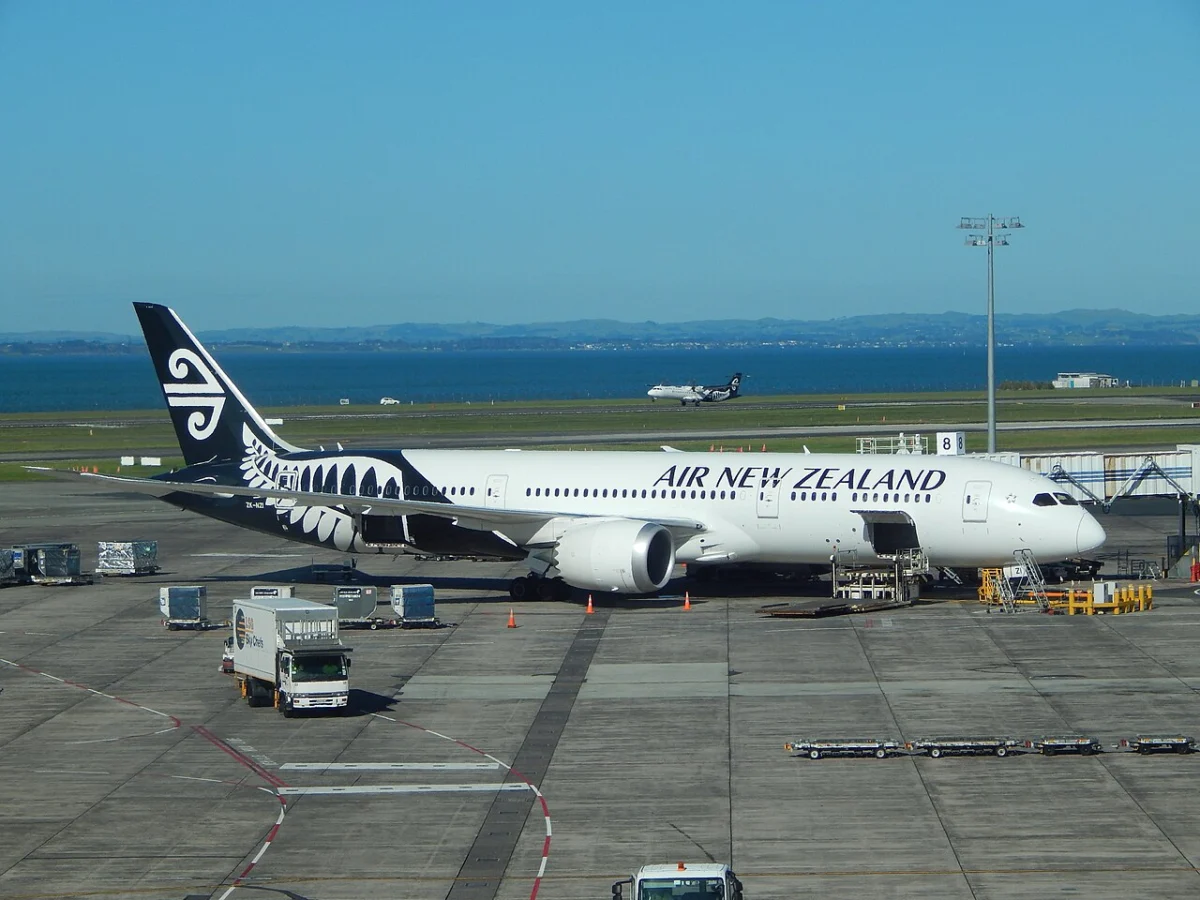
An off-duty physical confrontation between two Air New Zealand pilots during a layover in San Francisco has resulted in a significant operational disruption, forcing the cancellation and rescheduling of long-haul services and triggering an inquiry by aviation authorities. The incident, which reportedly stemmed from an escalating disagreement over internal union and professional issues, has raised questions regarding cockpit culture and crew welfare during extended international rotations.
The sequence of events began during a flight from Auckland to San Francisco, where tensions between the flight deck crew reportedly manifested. According to reports, the conflict involved the captain and the supporting junior flight crew, specifically the first officer and second officer, who had allegedly expressed formal grievances regarding the captain’s conduct during the journey. The professional friction, which remained contained within the cockpit during the flight, reached a boiling point once the crew checked into their designated hotel in San Francisco.
Chronology of the Disruption
The timeline of the incident reflects the immediate impact such personnel issues can have on international flight operations. On September 7, passengers scheduled for the return leg from San Francisco to Auckland were notified that their departure would be significantly delayed. While the airline initially cited "pilot sickness" as the cause for the disruption, it was later revealed that the unavailability of the flight crew was the direct result of the physical altercation.
The delay, which lasted more than 14 hours, left passengers stranded while Air New Zealand scrambled to organize a replacement crew. This process was complicated by the necessity of adhering to strict international aviation regulations regarding mandatory rest periods for flight crews. Once a replacement pilot arrived, the airline was legally required to ensure the pilot rested before assuming command of the wide-body aircraft, further extending the passenger wait time.
The specific flight, NZ7, was ultimately renumbered as NZ6077 and departed San Francisco on September 8 at 12:15 p.m., arriving in Auckland on the evening of September 9. The ripple effects of this conflict resulted in the cancellation of departures on both September 6 and September 7, affecting hundreds of travelers. In response, Air New Zealand provided accommodation and support for affected passengers, though the incident serves as a stark reminder of the vulnerability of airline schedules to individual crew-related variables.
Aviation Industry Context and Professional Conduct
In the high-stakes environment of commercial aviation, the "sterile cockpit" rule and the principles of Crew Resource Management (CRM) are designed to prevent personal conflicts from compromising flight safety. CRM emphasizes the importance of communication, situational awareness, and problem-solving, requiring that all members of the flight deck crew operate as a cohesive unit regardless of personal differences or hierarchies.
The reported involvement of junior officers filing complaints against a captain is an uncommon but significant occurrence in aviation. Historically, such power imbalances have been addressed through formal grievance procedures or mediation. However, the escalation to physical violence is virtually unprecedented in modern commercial aviation, where professional standards are strictly enforced by both the airline and national aviation watchdogs, such as the New Zealand Civil Aviation Authority (CAA).
The CAA has been notified of the incident, confirming that it is aware of the situation. While Air New Zealand’s Chief Safety and Risk Officer has publicly emphasized that the incident did not occur while the aircraft was in operation, the implications of such behavior are being scrutinized from a human factors perspective. The airline is currently conducting an internal investigation to determine the exact nature of the dispute and whether it poses broader concerns regarding the airline’s internal culture.

Operational and Economic Implications
For an airline, the cost of a 14-hour delay on a long-haul route like San Francisco-Auckland is substantial. Beyond the immediate costs of passenger hotel vouchers, meals, and rebooking fees, the incident incurs a loss of reputation and potential regulatory scrutiny. In this instance, the flight in question carried a relatively light load—with only 13 passengers in the economy cabin—which may have mitigated the immediate financial burden of passenger logistics. Nevertheless, the systemic costs of such a disruption, including the rescheduling of the return aircraft and the potential loss of crew productivity, remain significant.
Industry analysts suggest that this incident could force Air New Zealand to review its crew pairing and support systems. Long-haul pilots are subject to extreme fatigue and the stresses of crossing multiple time zones, factors that are known to exacerbate irritability and interpersonal conflict. Airlines typically mitigate these risks through psychological support programs and robust reporting structures. The fact that this conflict bypassed these safeguards and resulted in a physical altercation suggests a failure in the pre-flight management of team dynamics.
Public and Professional Reaction
The aviation community, particularly among flight crew forums such as PPRuNe (Professional Pilots Rumour Network), has reacted with a mix of shock and dark humor. Discussions have centered on the necessity for airlines to screen for emotional intelligence and conflict resolution skills during the recruitment process, rather than focusing solely on technical proficiency. Some satirical commentary has even suggested that martial arts training might become an ironic requirement for future flight crew, highlighting the absurdity of the incident in the eyes of industry peers.
However, the tone from official bodies remains serious. The New Zealand Civil Aviation Authority is expected to review the incident to ensure that safety protocols were not compromised in any way. Any breach of conduct that occurs in the context of a flight crew’s duty period—even while off-duty at a layover location—falls under the purview of aviation safety regulators, as the well-being of the crew directly impacts their ability to safely operate the aircraft.
Broader Implications for Airline Safety Culture
The incident serves as a critical case study for airline management regarding the "human element" of safety. While the airline industry has spent decades perfecting automated systems and engineering redundancies, the human crew remains the most variable component of the system. The incident in San Francisco underscores that safety is not merely about the mechanical integrity of the aircraft or the weather conditions, but about the stability of the people operating the flight.
Air New Zealand, which has long enjoyed a reputation as one of the world’s safest and most reliable carriers, will likely face pressure to ensure that this event is treated as an isolated anomaly. The investigation will need to determine if there were prior warnings or a history of behavioral issues that were overlooked. Transparency in the resolution of this matter will be essential for the airline to maintain the trust of its passengers and its professional staff.
As the airline continues its investigation, the two pilots involved have been removed from service. The move to return them to New Zealand on separate flights was a prudent operational decision, aimed at preventing further conflict and maintaining a professional environment for other crew members.
Moving forward, this event is likely to prompt a wider conversation within the global aviation industry regarding the management of inter-crew relations. With pilot shortages affecting carriers worldwide, the retention of qualified personnel is a priority, yet the maintenance of a professional environment remains non-negotiable. Whether this incident leads to new mandatory reporting requirements or changes to crew training remains to be seen, but it has certainly highlighted a vulnerability that airlines may not have previously considered a primary risk factor.
In conclusion, while the incident did not compromise the safety of the flight itself—as the altercation took place during a layover—it has caused significant operational disruption and prompted a necessary review of professional conduct protocols. The aviation industry will be watching the results of the Air New Zealand investigation closely, as the findings could influence how international carriers approach crew conflict management in the future. The safety of the traveling public relies not only on the technical skill of the pilots in the cockpit but also on their ability to maintain the highest levels of professionalism, decorum, and composure, both in the air and on the ground.









Leave a Reply