
When premium credit cards first entered the consumer financial landscape, they were viewed primarily as status symbols reserved for high-net-worth individuals. Today, however, travel rewards cards, cash-back powerhouses, and lifestyle-oriented plastic have become everyday tools for savvy consumers seeking to maximize points, lounge access, and statement credits. With these lucrative perks often comes a hefty price tag, with annual fees ranging from $95 to upwards of $695, or even higher for ultra-exclusive tiers.
While many cardholders happily pay these fees because the return on spending and localized perks far outweigh the upfront cost, circumstances frequently change. A cardholder might experience a shift in travel habits, a devaluation of partner transfer programs, or simply a realization that they are no longer utilizing the benefits enough to justify the recurring expense. When a new annual fee posts to an account, it often triggers an urgent financial decision: Is it too late to cancel, or is there a grace period that allows for a full refund?
Understanding the precise rules governing annual fee refunds is critical for effective personal finance management. Major card issuers maintain vastly different guidelines regarding cancellation windows, product downgrades, and prorated refunds. A miscalculation can result in hundreds of dollars in wasted fees, while a well-timed phone call or online chat can protect a consumer’s bottom line.
The Mechanics of Annual Fee Billing and Grace Periods
Credit card annual fees are never truly uniform in how they are assessed or reversed. When a bank bills an annual fee, it typically appears on the monthly billing statement immediately following the anniversary of opening the account. From that exact billing date, a hidden countdown begins. Depending on the financial institution, cardholders are granted a grace period—ranging from 30 to 60 days—during which they can either close the account or product-change to a no-fee alternative and receive a 100% refund of the charged fee.
However, navigating these policies requires a nuanced understanding of industry practices. Not all issuers treat account closures the same way they treat product downgrades. Furthermore, statutory regulations occasionally intersect with corporate policy, creating unique geographic exceptions that most consumers overlook.
To help consumers navigate this complex landscape, a detailed examination of major card issuers reveals significant variance across the miles and points ecosystem.
American Express: The 30-Day Standard and Lifetime Rule Complexities
American Express remains one of the most prominent issuers in the premium travel space, boasting heavy-hitting cards like the Amex Platinum and the American Express Gold Card. When it comes to annual fee refunds, American Express maintains a straightforward, albeit strict, policy.
Cardholders typically have a window of 30 days from the date the annual fee is billed to either cancel the card entirely or downgrade it to a lower-tier product without an annual fee, resulting in a full refund of the fee. If a cardholder attempts to cancel an account after this 30-day window has closed, American Express generally does not offer any prorated refund of the remaining months on that cardmembership year.

Interestingly, if a cardholder opts to downgrade a card to a no-fee product after the initial 30-day window, American Express will sometimes issue a prorated refund for the unused portion of the year. However, experts advise extreme caution before pursuing a downgrade. American Express enforces a strict "once-in-a-lifetime" welcome bonus rule on its credit card products. If a cardholder downgrades or closes a card without fully understanding how it impacts their eligibility, they may permanently forfeit the ability to earn a lucrative welcome offer on that specific card product in the future.
Bank Of America: The Inconsistent Relationship-Based Approach
Bank of America stands apart from most of its competitors by refusing to publish or adhere to a standardized, firm-timeline annual fee refund policy. While cardholders frequently report success in securing a full refund if they request a cancellation or downgrade within 30 days of the fee hitting their statement, this outcome is far from guaranteed.
Instead, Bank of America’s customer service representatives and automated systems appear to evaluate refund requests on a case-by-case basis, heavily weighting the customer’s broader relationship with the bank. High-net-worth clients, those with substantial assets parked in Merrill Lynch investment accounts, or individuals maintaining high balances in checking and savings accounts are significantly more likely to receive grace and fee reversals outside of standard timeframes. For the average consumer, however, assuming a 30-day refund window is risky, making proactive evaluation prior to the fee posting an absolute necessity.
Barclays: Generous 60-Day Windows for Co-Branded Cards
Barclays manages a vast portfolio of popular co-branded airline and hotel credit cards, catering to loyal travelers of brands like American Airlines, JetBlue, and Wyndham. For consumers holding these products, Barclays offers one of the most accommodating cancellation windows in the banking industry.
Cardholders typically have up to 60 days from the date the annual fee is billed to cancel or downgrade their card and receive a full refund. This extended timeline provides breathing room for consumers who may not check their statements immediately or who require time to utilize remaining statement credits and evaluate their loyalty status. Beyond this 60-day window, however, Barclays hard-stops all refund requests and does not offer prorated refunds for the remainder of the card year.
Capital One: Fixed Windows with Complicated Downgrade Rules
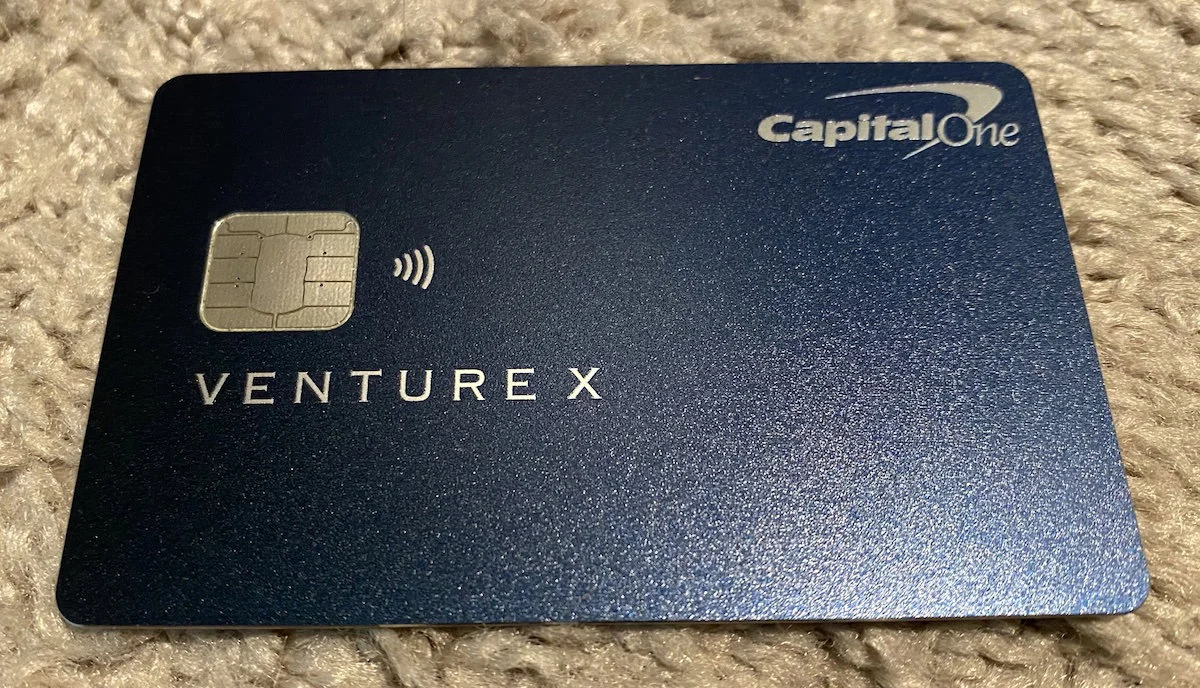
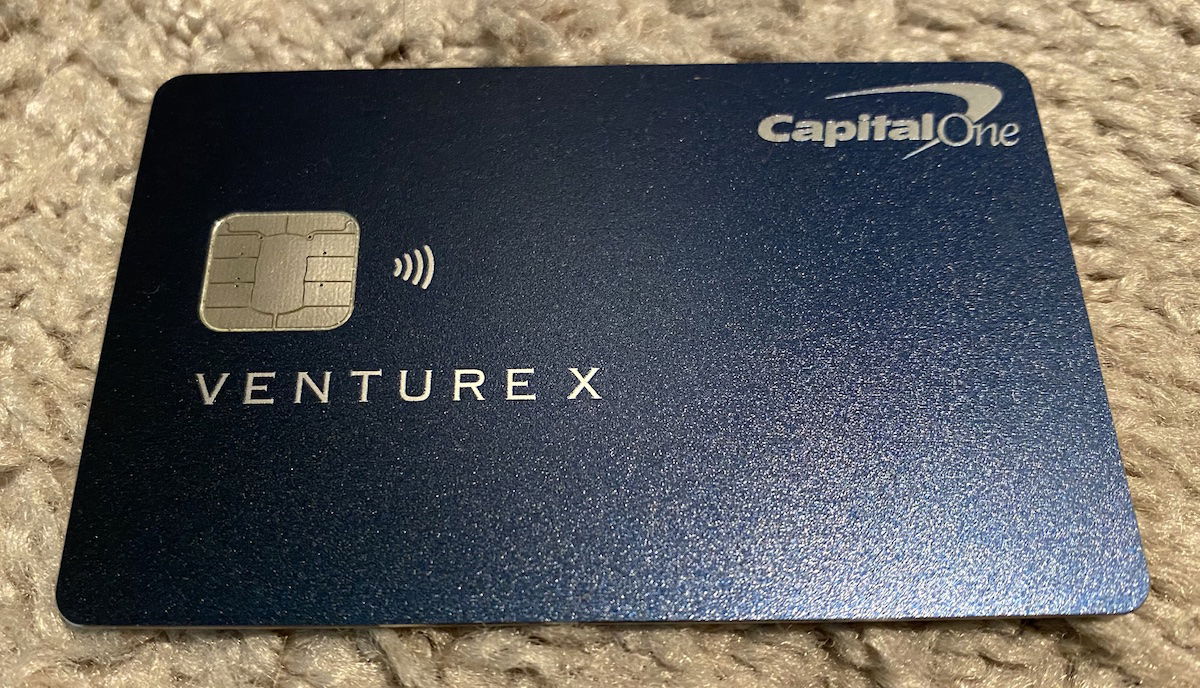
Capital One has surged in popularity with products like the Capital One Venture X Rewards Credit Card, redefining premium travel benefits. Despite its modern market positioning, Capital One’s policy regarding annual fee refunds is moderately restrictive and occasionally inconsistent in practice.
Industry data and consumer reports generally point to a 30-to-39-day window from the billing date during which a cardholder can cancel the account and successfully secure a full refund of the annual fee. Where Capital One diverges from competitors is its product-change mechanism. Downgrading a card with an annual fee to a no-fee alternative does not always trigger an automatic fee waiver or refund, even if executed within the initial grace period. Cardholders frequently report being advised by representatives that downgrades executed after a fee posts may still leave them liable for the charge, requiring careful timing before the billing cycle closes.
Cardless: The Newcomer’s Stricter Landscape
As co-branded credit cards continue to evolve, newer fintech-backed issuers like Cardless have entered the market, most notably through high-profile partnerships such as their work with Bilt Rewards. Because Cardless operates on a newer digital infrastructure, data points regarding its annual fee refund policies are still coalescing.
For several specialized co-branded products managed by Cardless, reports indicate some of the strictest policies in the industry, with certain annual fees becoming entirely non-refundable the moment they post to the account. Conversely, for specific flagship partnerships, issuers have aligned closer to traditional banking standards, allowing a 30-day grace period for cancellations and refunds. Consumers considering niche fintech credit cards should thoroughly review terms and conditions prior to activation.
Chase: Straightforward 30-Day Policy for Ultimate Rewards Cards
Chase is home to some of the most widely held travel rewards cards on the market, including the Chase Sapphire Preferred and Chase Sapphire Reserve. Known for its streamlined customer service infrastructure, Chase maintains a clear and unambiguous annual fee refund policy.
Cardholders can cancel or downgrade any Chase card within 30 days of the annual fee being billed and receive a 100% refund. Chase does not complicate the process with hidden variables or relationship-dependent exceptions. If the request is made within 30 days, the fee is refunded; if it is made on day 31 or later, Chase generally does not offer prorated refunds, and the fee stands as a final charge for that cardmembership year.
Citi: A Precise 37-Day Window for ThankYou Points Earners
Citigroup manages a robust lineup of cash-back and ThankYou point-earning travel cards, such as the Citi Strata Premier Card. Citi’s policy slightly outpaces the standard industry baseline by offering a distinct window for consumers to reconsider their commitments.
Cardholders can typically cancel or downgrade their Citi credit card within 37 days of the annual fee posting to their account to receive a full refund. Much like Chase and American Express, Citi does not issue prorated refunds once this 37-day window has expired. Consumers holding Citi products must track their anniversary dates meticulously to ensure they do not miss this threshold by even a single day.
Regulatory Exceptions: The Massachusetts Pro-Rata Law
While corporate policy dictates the standard operating procedure for nearly all credit card issuers, unique legal frameworks can occasionally override standard banking practices. A prominent example is found in Massachusetts, where state legislation dictates that residents who cancel a credit card at any time during the year are legally entitled to a prorated refund of two-thirds of the annual fee.
Despite the existence of this consumer protection law, legal analysts and consumer advocates note that enforcing it can prove challenging in practice. Major national banks, accustomed to operating under federal banking guidelines, often push back against state-specific pro-rata demands, requiring consumers to file formal complaints or navigate protracted customer service escalations to claim their statutory refund. Furthermore, invoking such legal mandates can sometimes impact an issuer’s internal risk scoring, potentially influencing future credit approvals or welcome bonus eligibility.
Broader Implications and Strategic Best Practices
The financial implications of credit card annual fees extend far beyond simple accounting. For the modern consumer, failing to track billing cycles can result in hundreds of dollars in sunk costs for unused services. Conversely, mastering issuer grace periods allows consumers to maintain financial flexibility, testing out high-end perks like airport lounge access, hotel elite status, and annual travel credits without taking on permanent financial liability if the card fails to deliver value.
To optimize credit card portfolios and avoid unnecessary annual fees, financial advisors recommend several strategic best practices:
- Calendar Tracking: Implement automated calendar reminders set 30 to 45 days prior to a credit card account anniversary. This ensures ample time to evaluate spending patterns, calculate point values, and decide whether to keep, cancel, or downgrade the product before the fee posts.
- Understand Product Hierarchies: Research downgrade paths before contacting customer service. Knowing which no-fee cards are available within an issuer’s ecosystem allows cardholders to preserve their account history and avoid unnecessary hard credit inquiries, which can happen if an account is entirely closed and a new one is opened.
- Weigh Retention Offers: Before hastily canceling a card within the grace period, call the issuer’s customer retention department. Issuers frequently provide statement credits, bonus point incentives, or spend-match offers designed to offset the annual fee and retain profitable cardholders.
- Evaluate Credit Score Impacts: Remember that closing an older credit card account can impact the average age of accounts and overall credit utilization ratios, particularly if the card carries a high credit limit. Weighing these factors against the annual fee is vital for maintaining a healthy credit profile.
Ultimately, credit card annual fees should be viewed not as fixed subscription costs, but as dynamic business transactions subject to consumer oversight. By understanding the distinct policies of major issuers, cardholders can protect their financial resources while maximizing the immense value that rewards credit cards continue to offer.









Leave a Reply