
The aviation sector continues to experience shifting alliances and strategic network realignments as major carriers seek to capture post-pandemic international travel demand. In the latest development, major United States carrier American Airlines and German leisure-to-scheduled airline Condor have officially announced a new interline agreement. While the airlines have positioned the arrangement as a foundational partnership, industry analysts note that the agreement currently represents the entry-level tier of airline cooperation. Nevertheless, the development has sparked widespread speculation regarding the future positioning of Condor within the global aviation landscape, particularly as the European carrier navigates a competitive environment traditionally dominated by major network groups.
Core Mechanics of the New Interline Agreement
Under the terms of the newly established interline agreement, passengers traveling across both networks will benefit from enhanced booking and transit conveniences. Travelers can now purchase itineraries combining flights operated by American Airlines and Condor on a single ticket. This capability streamlines the travel experience by enabling through-checked baggage directly to the final destination, synchronized check-in processing for the complete journey, and improved coordination for onward connections.
The strategic alignment is primarily designed to feed traffic into American Airlines’ extensive domestic and regional network from Condor’s primary North American transatlantic gateways. Currently, Condor operates transatlantic routes into several major U.S. hubs, including Boston Logan International Airport (BOS), Los Angeles International Airport (LAX), and John F. Kennedy International Airport (JFK). Furthermore, Condor has scheduled the addition of Chicago O’Hare International Airport (ORD) to its network map in May 2027, which will immediately integrate into the scope of the new interline arrangement.
Through this agreement, American Airlines extends its reach by providing seamless domestic connections to more than 150 cities across North America for arriving Condor passengers. Conversely, Condor passengers originating in North America gain a more cohesive ticketing and transit mechanism to reach European destinations via Frankfurt and other key European nodes.
Chronology and Strategic Evolution of Condor
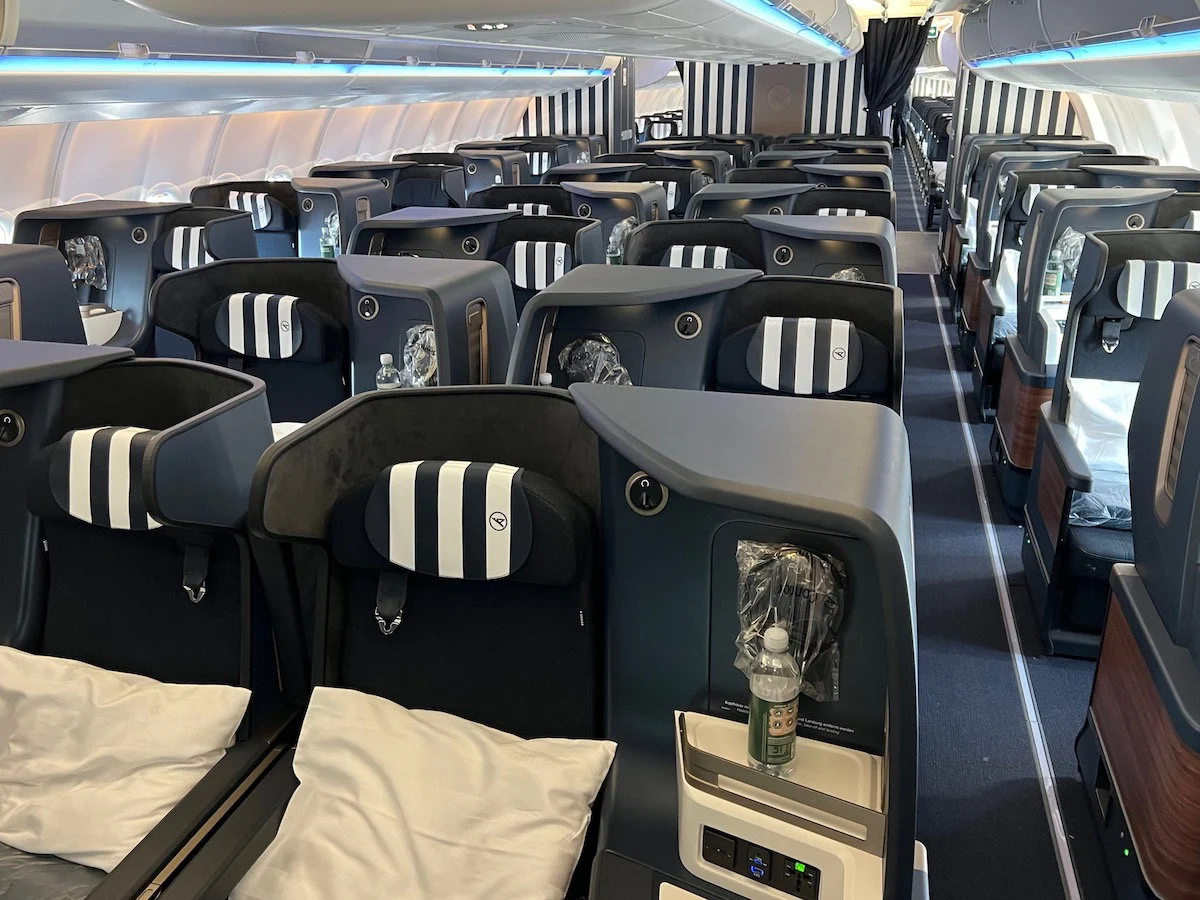
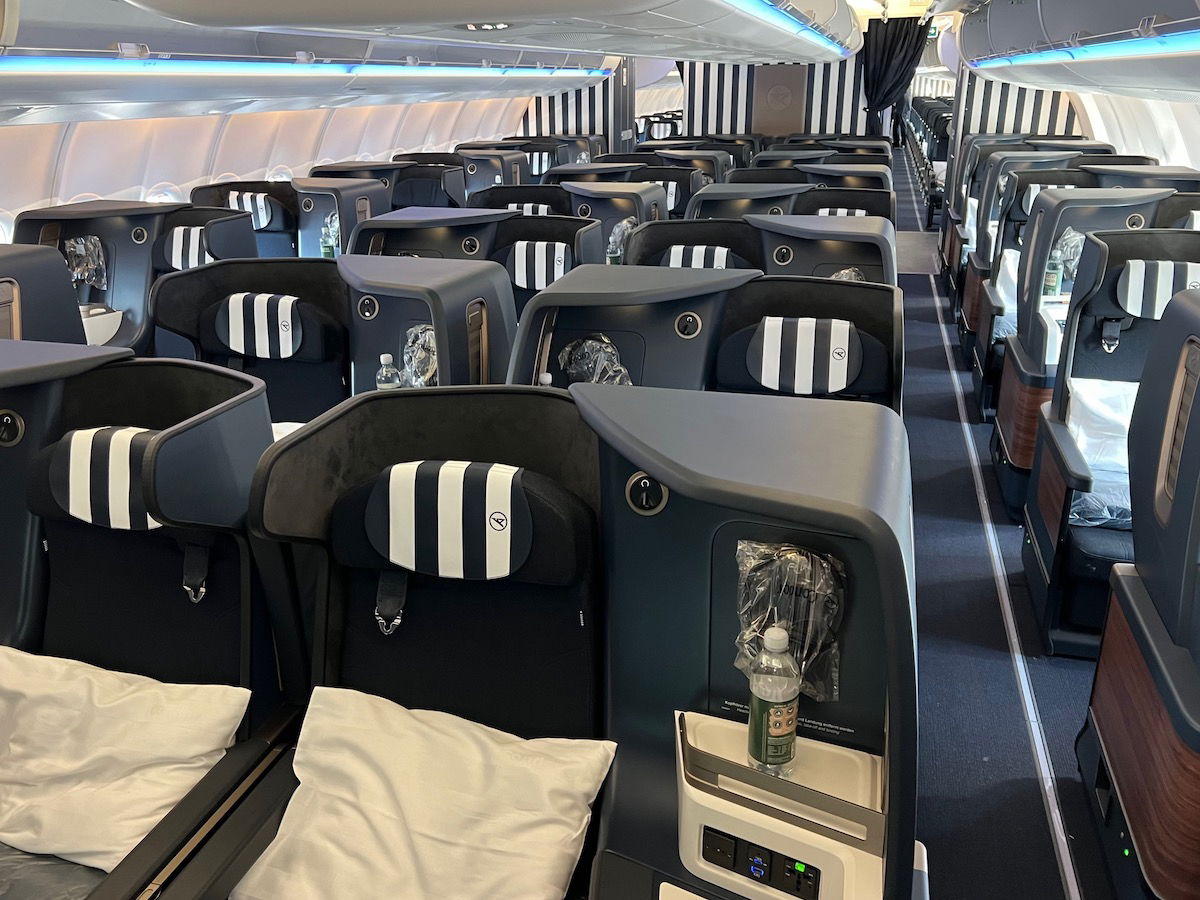
To understand the weight of this new interline agreement, it is necessary to examine Condor’s operational evolution over recent years. Historically operating as a charter and leisure-focused carrier closely tied to the Thomas Cook Group, Condor underwent significant restructuring following the collapse of its former parent company in 2019. Securing new financial backing and a distinct fleet modernization strategy—featuring the introduction of Airbus A330-900neo aircraft equipped with modern business class cabins—Condor successfully pivoted toward a hybrid business model.
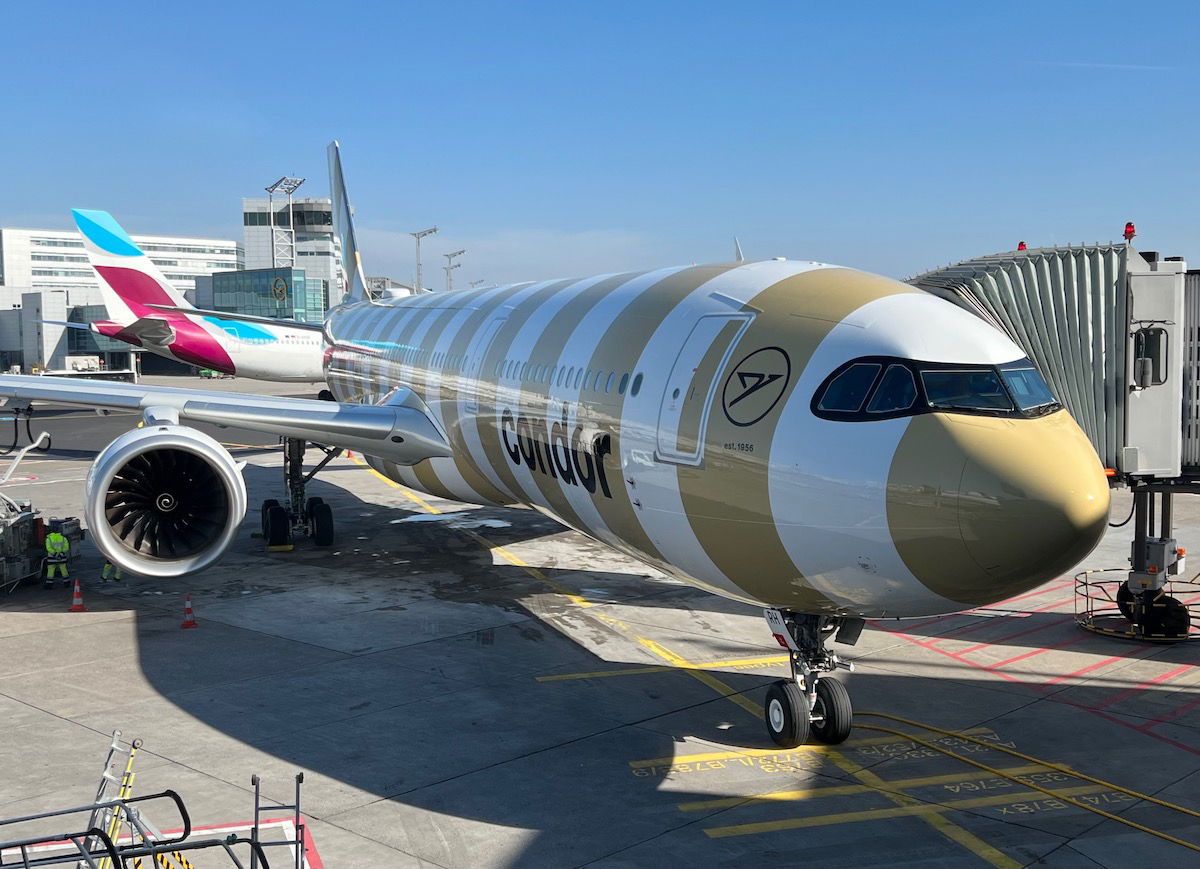
This strategic shift transformed Condor from a pure leisure airline into a more direct competitor against legacy network carriers, most notably the Lufthansa Group. As Condor aggressively expanded its scheduled long-haul network, its relationship with Lufthansa deteriorated. A pivotal moment in this evolution occurred when Lufthansa ended its preferential feeder traffic agreement, which had historically supplied regional connecting passengers to Condor’s long-haul flights out of Frankfurt Airport (FRA).
Deprived of guaranteed domestic and European feeder traffic from Germany’s dominant airline group, Condor was forced to independently secure alternative avenues for passenger volume. Establishing interline and codeshare partnerships with international carriers outside the Lufthansa sphere—such as this new accord with American Airlines—has consequently become a critical survival and growth strategy for the airline.
Official Statements and Industry Perspectives
Executives from both airlines emphasized the mutual benefits of the agreement, framing it as an essential step toward enhancing global connectivity.
David Carlisle, Condor’s Vice President of Network Planning and Partnerships, addressed the strategic value of the collaboration, stating, "With American Airlines, we are welcoming a strong partner whose network perfectly complements our own and significantly enhances our connectivity across North America. This partnership strengthens our position in the transatlantic market while offering our guests even more travel options. Together, we are continuing to expand our international network and create attractive travel opportunities on both sides of the Atlantic."
Echoing these sentiments, Jeff Ogar, American Airlines’ Managing Director of Alliances, highlighted the customer-centric advantages of the pact. "American’s new agreement with Condor underscores our commitment to connect people with the places that matter most. Combining our extensive North American network with Condor’s presence in Germany and Europe creates a winning proposition for our mutual customers. We look forward to working together to deliver more travel options for our customers."
Despite the optimistic tone of the corporate announcements, aviation analysts point out that interline agreements represent the baseline of airline cooperation. Unlike codeshare agreements, joint ventures, or membership in global airline alliances like oneworld, Star Alliance, or SkyTeam, interline agreements do not typically include mutual frequent flyer mileage accrual, redemption capabilities, or reciprocal elite status recognition. American Airlines maintains similar interline arrangements with other non-allied carriers, including domestic competitors Delta Air Lines and United Airlines.
Broader Implications and Future Alliance Prospects
The announcement has naturally intensified industry speculation regarding Condor’s long-term corporate trajectory. In the modern European aviation market, operating as an independent carrier outside a major alliance or airline group presents distinct economic challenges. Analysts frequently debate whether Condor is a prime candidate for eventual integration into a major global alliance or potential acquisition by a larger European aviation conglomerate, such as International Airlines Group (IAG), the parent company of British Airways, Iberia, and Aer Lingus.
Because Condor competes directly with the Lufthansa Group—a founding member of Star Alliance—joining Star Alliance is functionally impossible. Furthermore, regulatory scrutiny would likely present insurmountable hurdles for a direct Lufthansa takeover. Consequently, if Condor seeks deeper integration into the global alliance ecosystem, the oneworld alliance emerges as the most logical and geographically complementary fit.
However, incorporating Condor into a major alliance or joint venture presents distinct strategic hurdles. Condor’s operational scale is relatively unique: while its long-haul network is robust and features a widely praised product, its European feeder network remains comparatively limited. Additionally, Frankfurt Airport, Condor’s primary hub, is heavily dominated by Lufthansa, meaning Condor frequently operates as a secondary carrier at its main base. In hub-and-spoke airline economics, being the secondary player at a major hub can limit operational margins and pricing power unless supported by an integrated feed network.
Market Analysis and Consumer Impact
For travelers, the immediate impact of the American Airlines and Condor interline agreement is largely positive, streamlining booking logistics and reducing the friction of multi-airline travel itineraries across the Atlantic. Passengers can book complex journeys encompassing domestic U.S. segments and transatlantic flights under a single contract of carriage, providing greater consumer protection in the event of flight disruptions, delays, or cancellations.
Looking ahead, industry watchers will monitor whether the two carriers choose to elevate their relationship beyond a basic interline framework. Expanding the partnership to include frequent flyer reciprocity—allowing members of American’s AAdvantage program and Condor’s loyalty base to earn and redeem miles across both airlines—would significantly increase the value proposition for consumers. However, market experts suggest that such enhancements are unlikely to materialize unless Condor takes more definitive steps toward a closer structural alignment with oneworld or establishes deeper commercial ties with American’s transatlantic joint venture partners.
As international aviation demand continues to normalize and evolve, the American-Condor agreement underscores the ongoing efforts of airlines to optimize network reach without requiring immediate equity mergers or complex joint venture approvals. Whether this baseline cooperation serves as a stepping stone toward deeper integration or remains a localized ticketing convenience will depend largely on Condor’s strategic ambitions in an increasingly consolidated global aviation market.










Leave a Reply