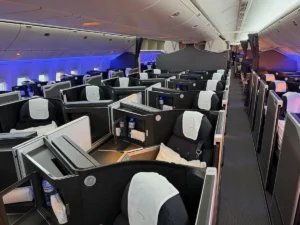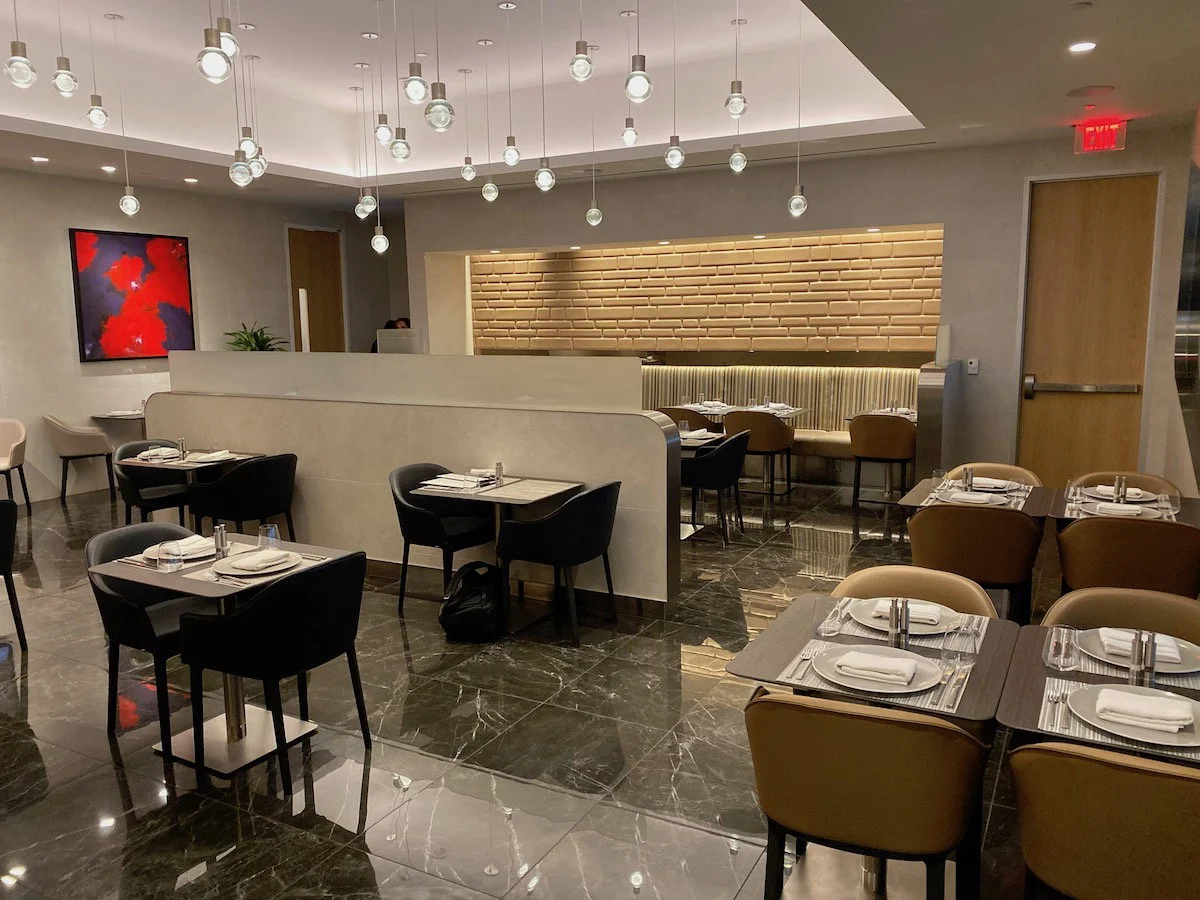
American Airlines has officially transformed and reopened its exclusive airport dining facilities, rebranding them from "Flagship First Dining" to simply "Flagship Dining" and expanding access to long-haul business class passengers. This strategic shift follows the airline’s decision to phase out international first class cabins across its fleet. With the newly revamped concept now live at Dallas/Fort Worth International Airport (DFW), Los Angeles International Airport (LAX),
and Miami International Airport (MIA), premium travelers can experience sit-down, a la carte dining as part of their business class ticket.

The reopening of these high-end spaces marks a major evolution in American Airlines’ ground product strategy. Industry analysts view the move as a direct response to competing legacy carriers, ensuring that American remains competitive with United Airlines’ Polaris Lounges and Delta Air Lines’ newly launched Delta One Lounges. By extending fine-dining privileges to business class customers, the airline is attempting to redefine the pre-flight experience for its most lucrative passenger demographic.
Background and Strategic Shift
For years, the concept of Flagship First Dining served as an ultra-exclusive amenity reserved strictly for passengers flying in international or premium transcontinental first class. Located exclusively within select Flagship Lounges, these sit-down restaurants offered multi-course, chef-inspired meals paired with premium wines and champagnes, setting a high standard for domestic airline lounges.
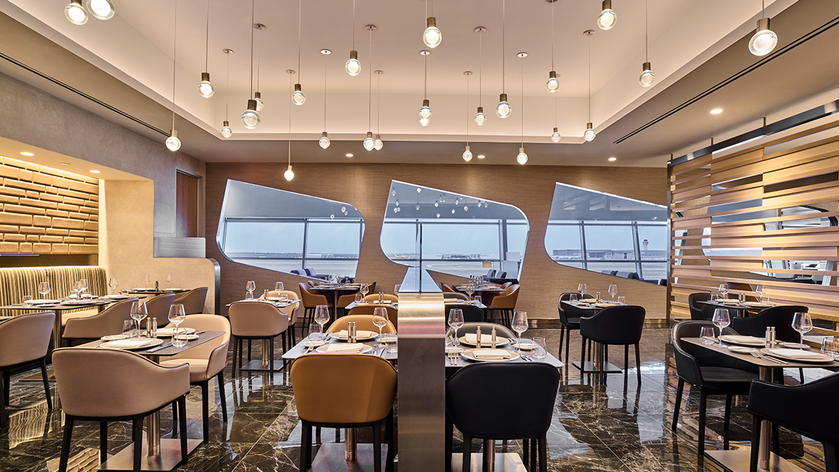
However, shifting market demands and changing consumer preferences have led American Airlines to phase out traditional three-class configurations on its widebody and narrowbody aircraft. The airline is actively retrofitting its Boeing 777-300ER fleet to remove first class entirely, while Airbus A321XLR aircraft are systematically replacing older A321T configurations on premium transcontinental routes. Sales for international first class officially ceased on widebodies on November 19, 2026, and will end on narrowbody aircraft by March 28, 2027.
Rather than permanently closing these specialized dining spaces—which would have created underutilized real estate within flagship lounges—American opted for a complete structural pivot. By rebranding the facilities as Flagship Dining and opening them to Flagship Business passengers, the carrier has democratized access for its top-tier ticket holders while streamlining its fleet service offerings.
Access Requirements and Eligibility Guidelines
While the expansion broadens availability significantly, access rules remain strictly defined. To dine at Flagship Dining, passengers must hold a qualifying long-haul international, transcontinental, or Hawaii ticket in American Airlines Flagship Business.
Access is handled on a space-available basis upon arrival at the lounge. Passengers are required to check in directly with the host team inside the Flagship Lounge. If seating is immediately available, guests are seated right away; otherwise, they are added to an electronic waitlist and notified via SMS when a table opens.
Notably, access policies exclude certain passengers who previously enjoyed guaranteed entry based solely on frequent flyer elite status or partner airline premium cabins. Travelers who access Flagship Lounges exclusively through elite status tiers—such as Concierge Key or AAdvantage executive statuses—or via partner airline business class tickets without an eligible American-operated long-haul segment, do not qualify for Flagship Dining entry. Tables operate strictly on a first-come, first-served basis, with no priority seating granted to top-tier frequent flyers or high-tier status holders.
Current Network and Facility Locations
The rollout of the modified Flagship Dining concept spans three of American Airlines’ primary connecting hubs:
- Dallas/Fort Worth International Airport (DFW)
- Los Angeles International Airport (LAX)
- Miami International Airport (MIA)
The reopening of the LAX location is particularly significant for West Coast travelers, as it marks the return of the dining venue after a six-year hiatus. The phased reopening schedule allows the airline to test operational capacity and fine-tune service delivery before considering further network expansions. Industry observers note that peak hours at these hubs will likely see high demand that outpaces available seating capacity, mirroring the congestion often observed at United Polaris lounges during evening bank departures.
Culinary Program and Seasonal Menu Offerings
Alongside the expanded access rules, American Airlines introduced an entirely redesigned four-course seasonal menu. Developed by corporate culinary teams in collaboration with celebrated external partners, the menu focuses on regionally inspired flavors, high-end sourcing, and modern culinary presentation.
The newly curated menu highlights a diverse array of dishes, including:
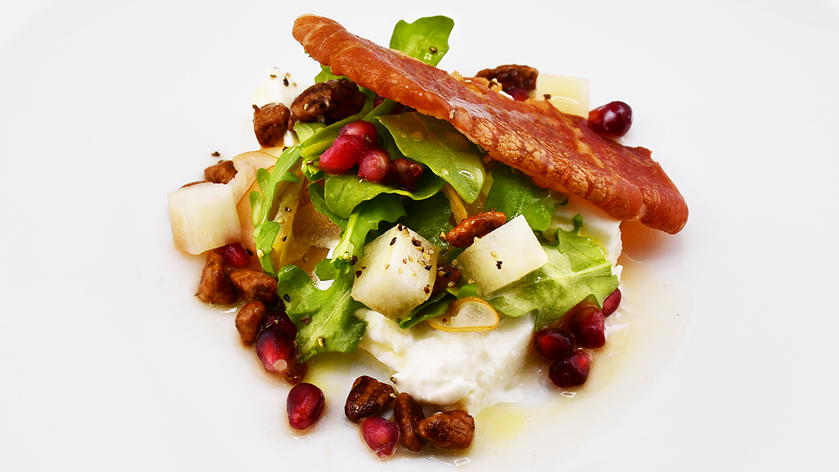
- Texas pear and burrata salad, emphasizing fresh regional produce.
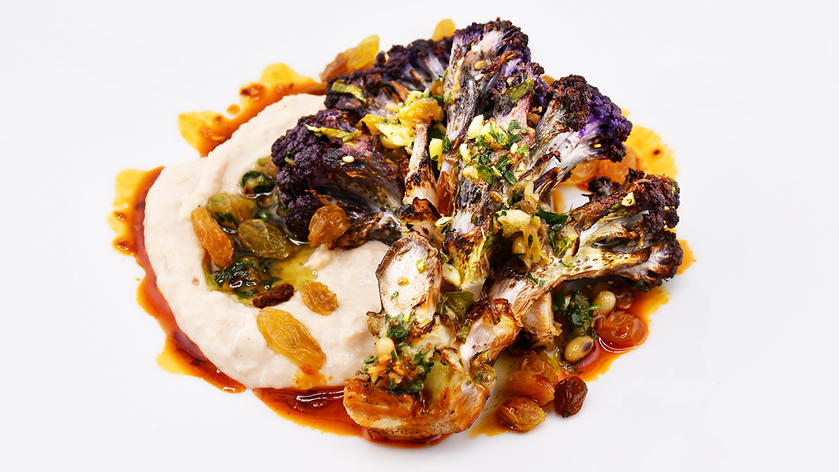
- Roasted purple cauliflower steak, catering to plant-based dietary preferences.
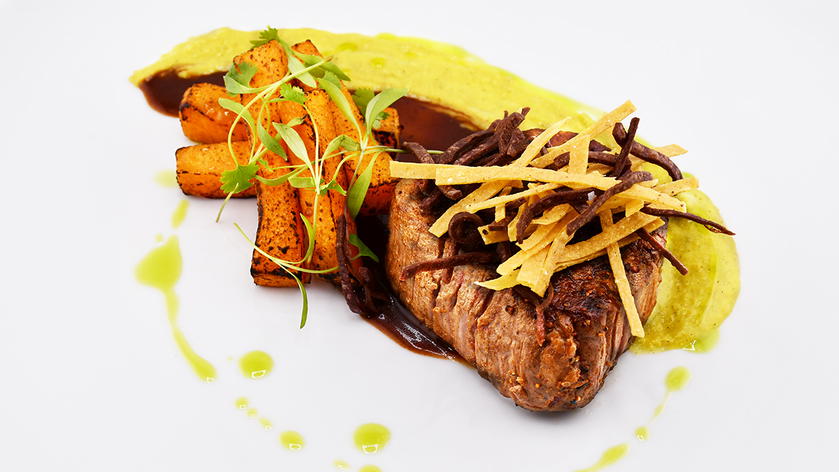
- Mesquite-grilled beef filet, highlighting classic American steakhouse traditions.
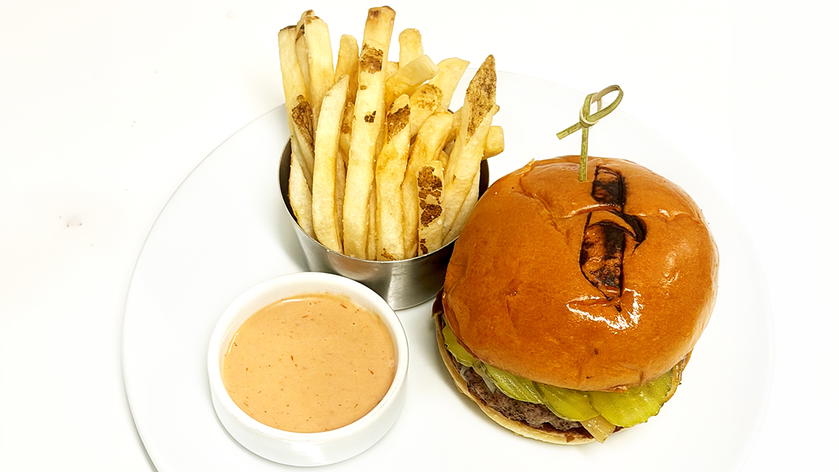
- The signature Flagship Burger, engineered for elevated casual dining.
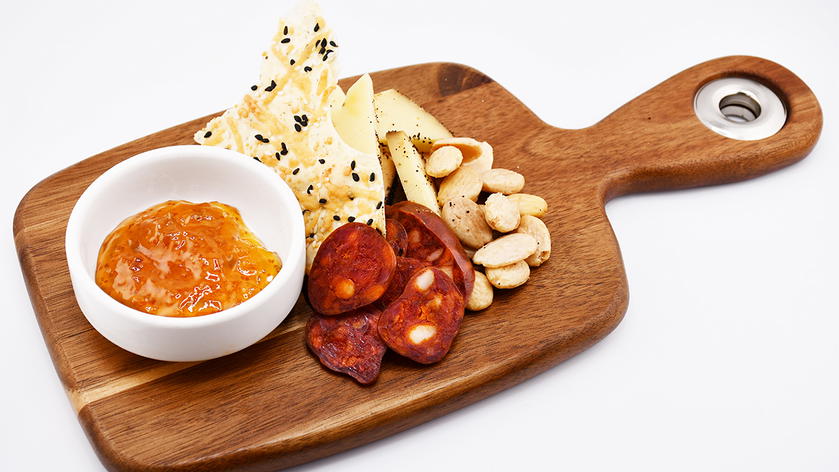
- California artisan cheese and charcuterie boards.
- Churro bread pudding, serving as a dessert centerpiece.
In addition to the primary menu, American Airlines has partnered with renowned chef Thomas Keller and Italian olive oil producer Armando Manni to introduce a specialized wine and chocolate pairing program. Featuring selections from KHK Wines alongside K+M Extravirgin Chocolate, the program aims to provide an educational and sensory-driven tasting experience for passengers prior to boarding.
Industry Implications and Competitive Landscape
The launch of the revised Flagship Dining framework represents a fundamental shift in how U.S. carriers handle premium ground services. For years, American lagged behind Delta and United in offering dedicated, cohesive ground experiences for business class travelers. While United introduced its Polaris Lounge network with integrated sit-down dining years ago, and Delta began rolling out its sprawling Delta One Lounges, American’s top-tier dining remained walled off behind an increasingly rare first-class ticket.
By opening these spaces to business class passengers, American Airlines is effectively closing the competitive gap. Aviation analysts suggest that this enhancement will significantly improve corporate contract acquisitions and loyalty retention among high-spending business travelers who prioritize airport amenities.
However, operational challenges remain a primary concern. Managing capacity constraints, maintaining ingredient consistency across three high-volume hubs, and handling waitlists efficiently will determine the long-term success of the program. Passenger reports regarding wait times, service speed, and food quality during the initial weeks of operation will provide critical insight into whether the airline can successfully scale the experience without degrading service standards.
Looking ahead, American Airlines plans to monitor customer feedback closely as the winter travel season progresses. As the airline completes its transition away from international first class over the coming months, Flagship Dining will serve as the flagship pillar of its new, streamlined premium travel strategy.