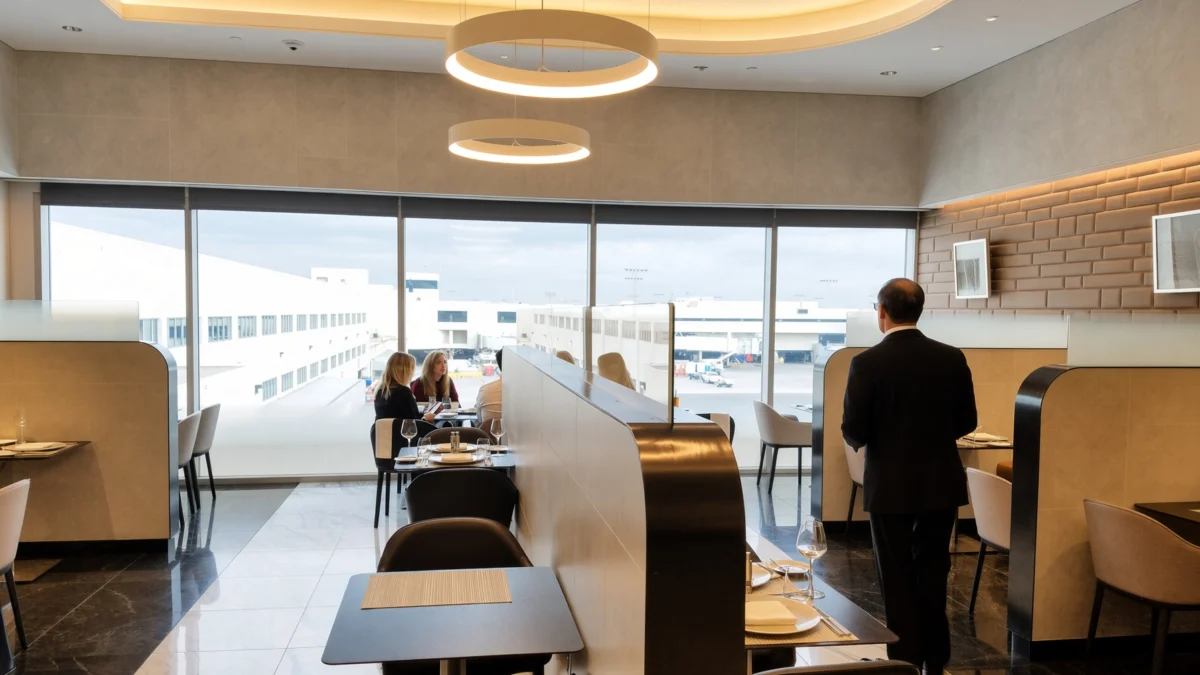
American Airlines has officially restored its exclusive Flagship Dining service at Los Angeles International Airport (LAX), marking a significant milestone in the carrier’s post-pandemic strategy to elevate the premium travel experience. The reopening follows the successful reintroduction of the service at Dallas Fort Worth (DFW) and Miami (MIA) earlier this year, signaling a broader shift in how the airline manages its high-end ground amenities. By transitioning from a facility formerly reserved strictly for international first-class passengers to one that now accommodates business class travelers, American is effectively realigning its ground product with its current fleet configuration, which has seen a marked reduction in traditional first-class cabins.

A Chronology of Flagship Dining
The Flagship Dining program was originally conceptualized as an ultra-premium, restaurant-style sanctuary located within the airline’s broader Flagship Lounges. When it debuted, it represented the pinnacle of airport hospitality, offering à la carte service, high-end spirits, and sophisticated menus that far exceeded standard lounge fare. However, the onset of the global health crisis in March 2020 necessitated the closure of these facilities, as airlines across the globe shuttered lounges and suspended premium services to comply with public health guidelines and manage operational costs.
For years, the LAX facility remained dark, even as travel demand rebounded. During this interim, American Airlines underwent a significant fleet transformation. As the carrier began retiring its three-cabin Airbus A321T aircraft and phasing out international first-class cabins on its flagship Boeing 777-300ER fleet, the original "First" branding for the dining room became obsolete. Rather than shuttering the spaces permanently, American opted to rebrand them as "Flagship Dining" and expand eligibility to a wider demographic of premium flyers, reflecting a strategic move to provide consistent, high-value perks to its core business-class customer base.

Eligibility and Access Requirements
The reopening of the LAX location creates a new entry point for travelers. Under the updated policy, access is granted to passengers on qualifying long-haul international, premium transcontinental, and Hawaii-bound itineraries ticketed in Flagship Business or Flagship Business Plus. It is critical to note that this access is restricted to flights marketed and operated by American Airlines.
Unlike standard Flagship Lounge access, which can often be obtained through AAdvantage elite status or Oneworld alliance credentials, the Flagship Dining room maintains more stringent requirements. Standard domestic first-class tickets or lounge memberships based on status alone do not guarantee entry. However, the airline continues to provide a path for high-level AAdvantage members to utilize the space. Platinum Pro and Executive Platinum members retain the ability to redeem 25,000 or 20,000 miles, respectively, for a dining pass. This unique program allows the member to bring their immediate family or up to two guests, regardless of their class of service, effectively democratizing access for loyal travelers who may otherwise be flying in the main cabin.

Culinary Upgrades and Beverage Programs
The reopening at LAX coincides with a refreshed culinary and beverage focus across American’s premium network. The airline has recently introduced a new menu featuring seasonal ingredients, coupled with exclusive partnerships aimed at enhancing the "fine dining" atmosphere.
A notable addition to the experience is the curated wine and chocolate pairing program. American has partnered with K+M Chocolate—co-founded by renowned chef Thomas Keller—to offer pairings with KHK Hillside Cabernet Sauvignon. The inclusion of premium labels, such as Bollinger La Grande Année, which retails for approximately $200 per bottle, underscores the airline’s attempt to position its lounge dining as a genuine restaurant-quality experience.

These culinary improvements are not limited to the exclusive dining rooms. The broader Flagship Lounges have seen a surge in investment, with the introduction of staffed charcuterie stations, enhanced buffets, and the implementation of QR-code-based table service. At the Dallas Fort Worth Flagship Lounge, this system has allowed for rapid service, with guests reporting meal delivery times as low as four minutes. This operational efficiency is being mirrored at LAX, where the airline is utilizing existing infrastructure to ensure that even those not in the private dining room receive a high standard of service.
Competitive Landscape and Market Analysis
The landscape for premium airport dining has become increasingly competitive as major U.S. carriers vie for the loyalty of high-spending travelers. Delta Air Lines has made aggressive moves in this space, most notably with the launch of its dedicated "Delta One" lounges at LAX, which feature comprehensive table service throughout the entire facility. Similarly, United Airlines continues to leverage its Polaris Lounge network, which features established sit-down dining rooms that have long set a benchmark for the industry.
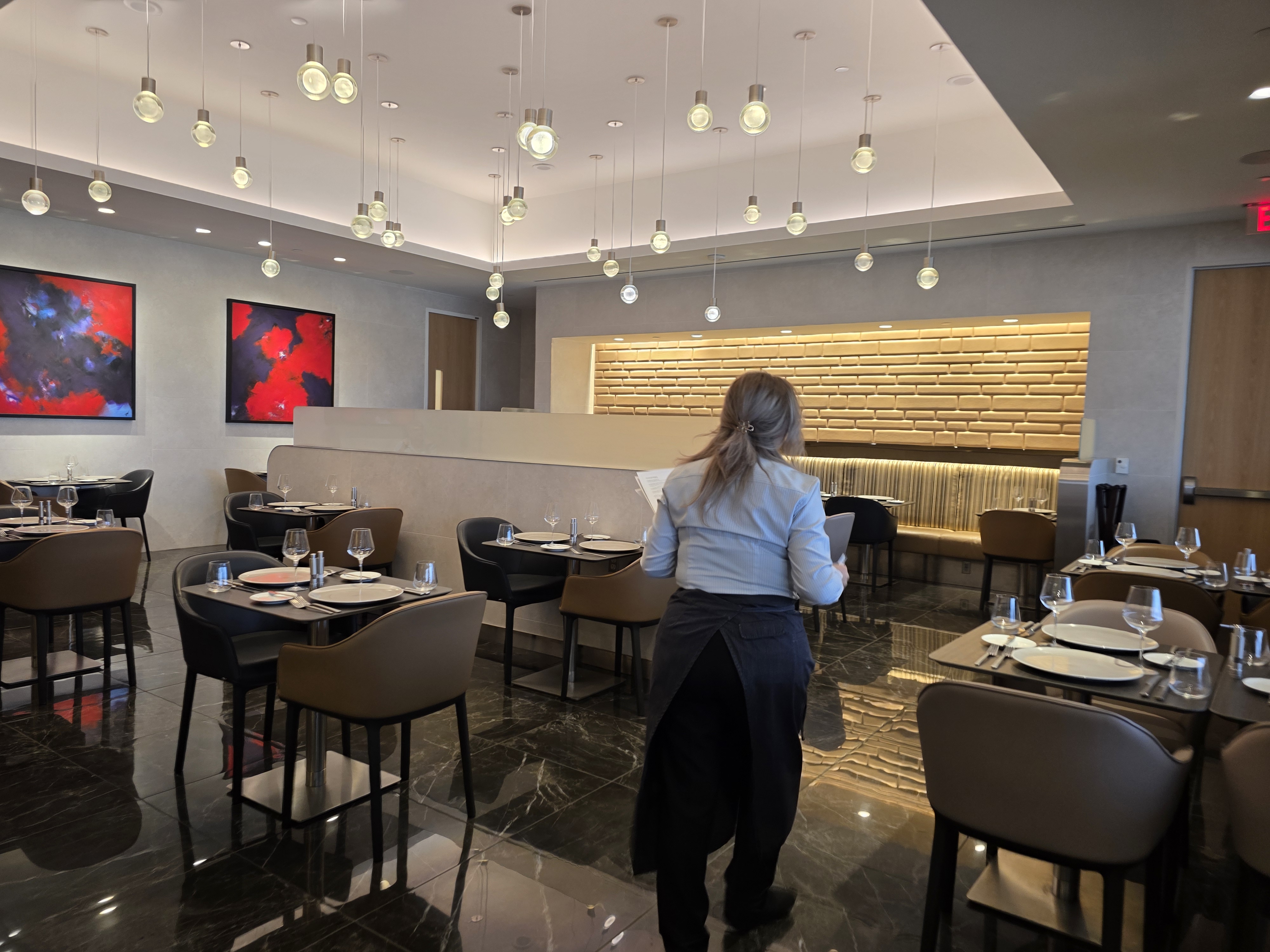
While American’s main Flagship Lounge food quality has historically lagged behind the highly specialized offerings of its rivals, the gap is narrowing. American’s primary competitive advantage lies in the accessibility of its Flagship Lounges. By allowing a broader range of passengers—including qualifying elites traveling in economy—to access the main lounge, American maintains a higher volume of engagement with its customer base than United, which restricts its Polaris Lounge access strictly to international premium cabin passengers.
The decision to open the private Flagship Dining room to business-class passengers is a tactical response to the shifting expectations of the premium market. As "Business Class" becomes the new standard for long-haul luxury, carriers must provide perks that were previously reserved for the ultra-wealthy. By repurposing its existing dining rooms, American effectively increases the value proposition of its business-class tickets without the overhead of constructing entirely new facilities.

Operational Challenges and Future Outlook
Despite the benefits, the expansion of access to Flagship Dining presents potential operational challenges. The facility at LAX, which features 59 seats, was designed during a time when it served a much smaller, exclusive pool of first-class passengers. With the eligibility pool now expanded to include business-class travelers, the risk of capacity constraints is significant.
American Airlines has addressed this by implementing an electronic waitlist system. During peak departure windows—typically late afternoon and evening for international flights—the dining room may reach capacity quickly. To mitigate frustration, the airline encourages travelers to check in with the host immediately upon arrival at the lounge.

The reopening of the LAX Flagship Dining room is a clear signal that American Airlines is prioritizing the "ground experience" as a vital component of its brand identity. By blending high-end culinary partnerships with a more inclusive access model, the airline is positioning itself to retain market share among corporate and premium leisure travelers. As the industry moves toward 2027, the success of this model—balancing exclusivity with the realities of modern, high-density business travel—will be a primary metric for American’s ongoing efforts to differentiate its premium offerings from those of its domestic competitors.