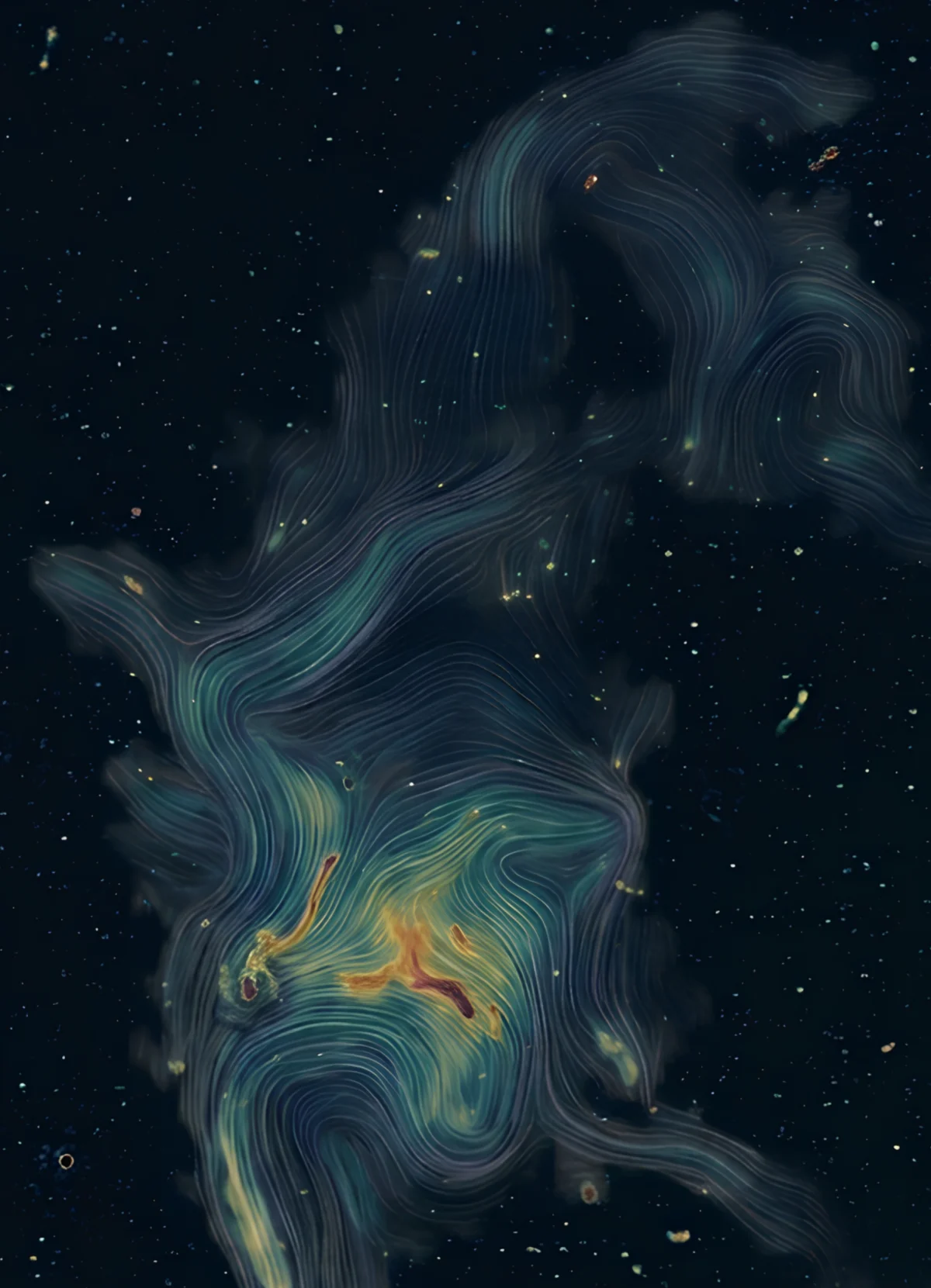
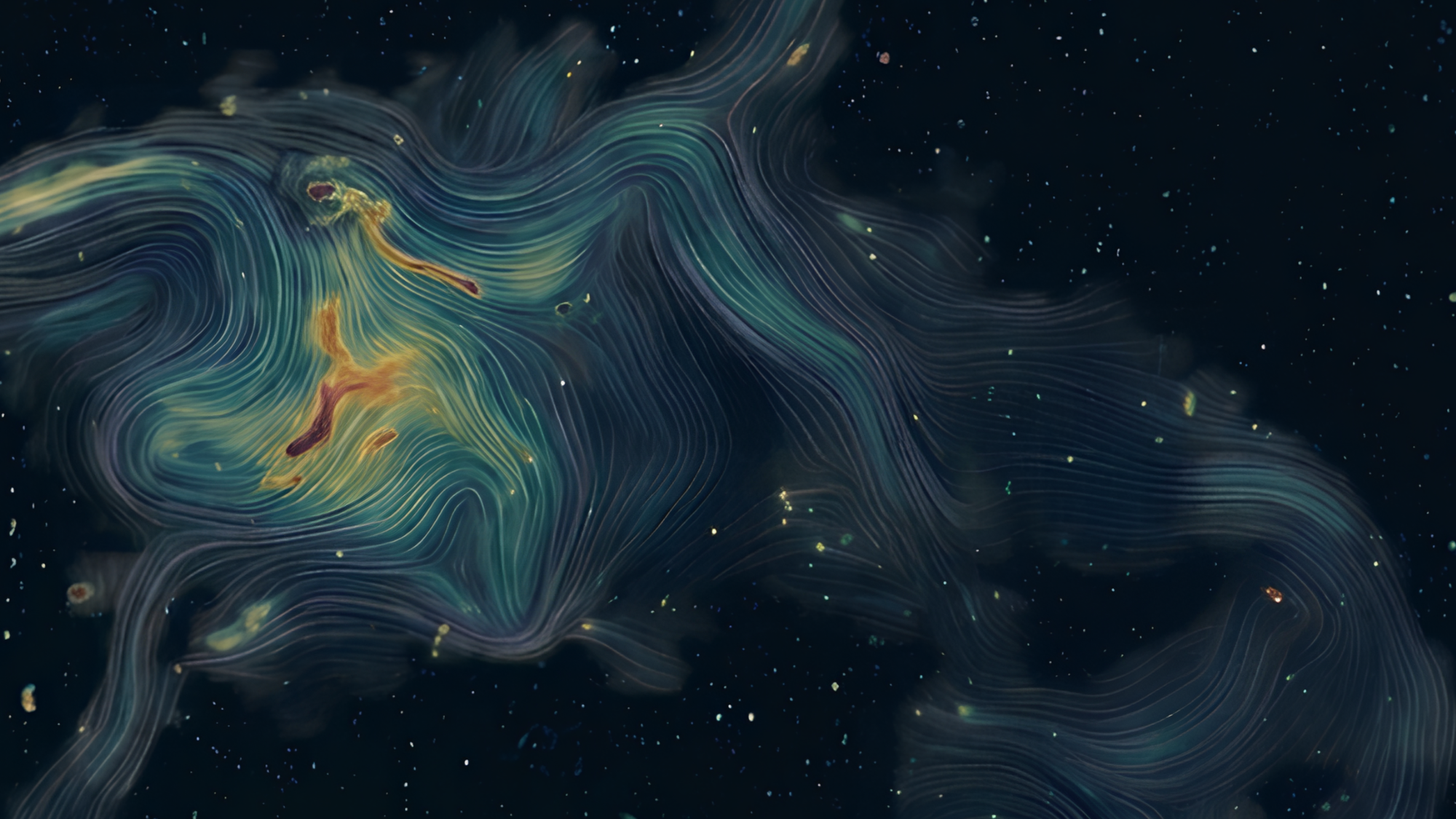
For the first time in history, scientists have successfully reconstructed a comprehensive map of the magnetic field permeating an entire galaxy cluster, extending from its core to its outermost reaches. This groundbreaking achievement, representing a significant leap in our understanding of cosmic magnetism, was made possible by the deepest-ever radio observations of the galaxy cluster Abell 2255, a colossal structure located approximately one billion light-years from Earth. The unparalleled clarity of these observations was provided by the European Low-Frequency Array (LOFAR) radio telescope.
Unveiling Abell 2255: A Cosmic Laboratory for Radio Astronomy
Abell 2255 has long been a subject of fascination for astronomers due to its intricate and extensive radio emissions. These diffuse radio signals originate from electrons that are accelerated to near-light, or relativistic, speeds and subsequently interact with the magnetic fields present within the cluster’s constituent galaxies. This makes Abell 2255 an exceptional cosmic laboratory, offering a unique opportunity to study the origins and evolution of magnetic fields across vast cosmic distances. The insights gleaned from these observations are crucial not only for understanding magnetic phenomena but also for deciphering the complex dynamics of hot gas within galaxy clusters, thereby shedding light on the formation and structure of the largest cosmic assemblies in the universe.
The LOFAR Galaxy Cluster Ultra-Deep Field project, a key initiative under the LOFAR umbrella, spearheaded this ambitious endeavor. The research team dedicated an extensive 224 hours to collecting radio image data. This prolonged observation period allowed them to reveal a remarkable finding: the large-scale magnetic fields that span the vast expanse of Abell 2255, which itself stretches over several million light-years, are not randomly oriented. Instead, their distribution appears to be intricately organized, seemingly sculpted by the dynamic motion of gas that occurred during the cluster’s formation.
The Challenge of Detecting Faint Radio Signals
Dr. Andrea Botteon, the lead researcher from the Italian National Institute for Astrophysics (INAF), emphasized the significance of these findings. "Obtaining very sensitive images of galaxy clusters at radio wavelengths is crucial to understanding how electrons are accelerated to relativistic speeds and magnetic fields are amplified on large cosmic scales," Dr. Botteon stated in a press release. He further elaborated on the inherent difficulties of this research, noting, "The complexity of these studies is due to the elusiveness of the radio signal from electrons moving in very weak magnetic fields. We believe that the mechanism that ‘turns on’ these gigantic radio emissions is linked to the formation process of galaxy clusters."
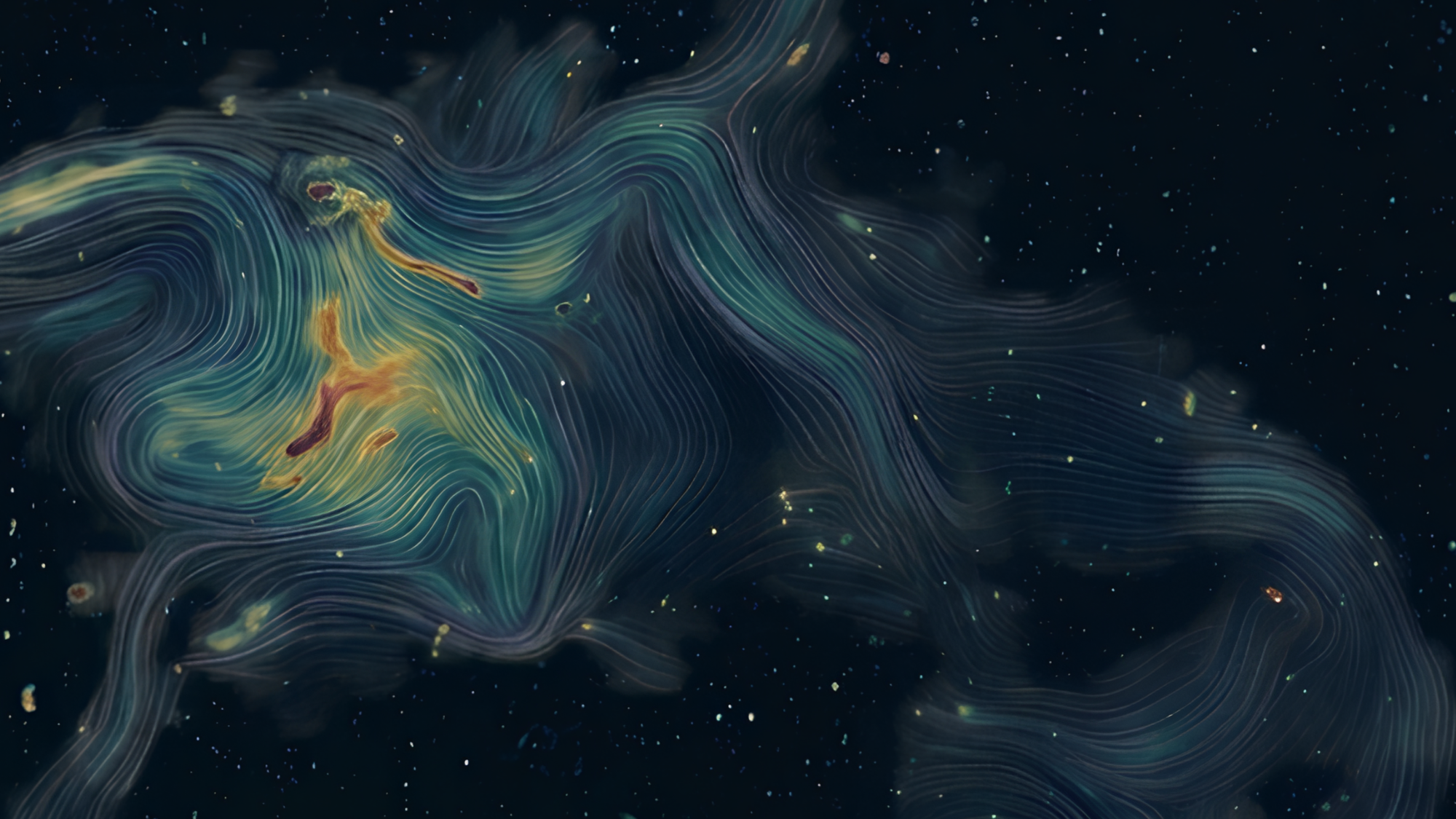
The breakthrough in mapping the magnetic field was achieved by combining the deepest radio observations ever conducted with an innovative data analysis technique. This novel approach enabled the team to reconstruct the shape and extent of the galaxy cluster’s magnetic field with unprecedented detail, a feat that had eluded astronomers until now.
Magnetic Field Morphology Linked to Cosmic Gas Dynamics
The detailed analysis of the LOFAR data revealed striking patterns within the magnetic field of Abell 2255. In certain regions, the magnetic field lines exhibit a remarkable coherence, aligning in specific directions and stretching radially along extended radio emissions. This organized structure suggests a deep connection between the magnetic field and the surrounding plasma.
Conversely, in areas characterized by powerful shock waves, the magnetic fields are observed to be oriented tangentially. This difference in orientation provides compelling evidence that the magnetic fields are not independent entities but are actively shaped by the same dynamic processes that drive the accretion of gas and the growth of galaxy clusters.
"The coherence of the magnetic field lines observed in some regions of the cluster suggests that the morphology of the field is intimately linked to the dynamics of the gas in which it resides, where it can be ‘stretched’ or ‘compressed’ by the motions associated with the formation of the cluster itself," explained Dr. Botteon. This observation represents the first direct observational evidence demonstrating that the very mechanisms responsible for the growth of galaxies and the formation of the universe’s largest structures also play a pivotal role in shaping their magnetic fields.
Timeline of Discovery and Technological Advancements
The journey to this remarkable discovery involved several key stages, underpinned by advancements in radio astronomy technology and sophisticated data processing techniques.
- Early Observations and Recognition of Complexity: Abell 2255 had been identified as a complex radio source in earlier astronomical surveys. Its diffuse radio emissions hinted at the presence of energetic particles and magnetic fields, making it a prime candidate for deeper investigation.
- Development of LOFAR: The Low-Frequency Array (LOFAR) was specifically designed to observe the universe at low radio frequencies. Its distributed antenna design and advanced interferometry capabilities allow it to achieve resolutions and sensitivities far beyond previous instruments, making it ideal for studying faint, extended radio sources like galaxy clusters.
- LOFAR Galaxy Cluster Ultra-Deep Field Project: This project was initiated with the specific goal of conducting exceptionally deep and long observations of galaxy clusters to probe their faint radio emission and understand the underlying physical processes.
- Extended Observation Campaign: The team secured a significant allocation of observing time on LOFAR, totaling 224 hours, dedicated solely to Abell 2255. This extensive period was crucial for gathering the faint signals necessary for detailed analysis.
- Innovative Data Analysis: Traditional methods of radio data analysis were insufficient for the subtle signals emanating from Abell 2255. The researchers developed and applied novel algorithms to process the vast amounts of data, effectively filtering out noise and enhancing the weak radio emission that traces the magnetic field.
- Reconstruction of Magnetic Field: Through these advanced techniques, the team was able to move beyond simply detecting radio emission to reconstructing the three-dimensional structure and orientation of the magnetic field throughout the entire galaxy cluster.
- Publication and Dissemination: The findings of this research have been accepted for publication in the prestigious journal Astronomy & Astrophysics. Prior to peer review, the research paper was made available to the scientific community on the arXiv preprint repository, allowing for rapid dissemination of these groundbreaking results.
Supporting Data and Implications for Cosmic Structure Formation
The reconstructed magnetic field map of Abell 2255 provides crucial data points for cosmological simulations and theoretical models of structure formation.
- Magnetic Field Strength and Distribution: While the precise strength of the magnetic field across Abell 2255 is still under detailed analysis, the observations indicate that it is generally weak, on the order of microgauss (µG) or less, which is typical for the intergalactic medium. However, its coherent structure across vast scales suggests it plays a significant role in the dynamics of the cluster.
- Relativistic Electrons and Radio Emission: The interaction of these magnetic fields with relativistic electrons is responsible for the observed radio continuum emission. The study confirms that the distribution of this emission is directly influenced by the magnetic field morphology.
- Gas Dynamics and Cluster Mergers: Galaxy clusters are dynamic environments, constantly growing through the accretion of gas and the merging of smaller structures. The observed organization of magnetic fields, particularly their alignment with gas flows and shock fronts, indicates that these energetic processes are the primary drivers of magnetic field evolution. This finding supports theories that suggest magnetic fields are amplified and organized through turbulence and compression generated during cluster mergers.
- Understanding the Cosmic Web: Galaxy clusters are nodes in the cosmic web, the largest known structure in the universe. Magnetic fields are a fundamental, yet often overlooked, component of this web. By mapping them, scientists gain a more complete picture of how matter and energy are distributed and interact on the largest scales.
The implications of this research are far-reaching. Understanding the role of magnetic fields in galaxy clusters is essential for comprehending the evolution of the universe. These fields can influence the distribution of cosmic rays, the cooling of hot gas (which fuels star formation in galaxies), and even the propagation of high-energy particles from cosmic sources. This detailed mapping provides a crucial empirical basis for refining models that describe these complex interactions.
Broader Impact and Future Research
This pioneering work opens new avenues for astrophysical research. The success in mapping the magnetic field of Abell 2255 with LOFAR suggests that similar deep observations of other galaxy clusters will yield equally valuable insights. Future research will likely focus on:
- Comparing different galaxy clusters: Investigating whether the magnetic field structures observed in Abell 2255 are universal or vary depending on the cluster’s mass, evolutionary stage, and merger history.
- Probing higher energies: Combining LOFAR data with observations from other telescopes, such as the sensitive X-ray observatories, to understand the relationship between magnetic fields and the hot gas that dominates galaxy clusters.
- Investigating the origin of magnetic fields: Further exploring the mechanisms by which magnetic fields are generated and amplified in the early universe and how they evolve over cosmic time.
- Understanding the influence of magnetic fields on dark matter: While not directly observable, magnetic fields can indirectly influence the distribution of dark matter through their interactions with baryonic matter.
The research team’s findings, accepted for publication in Astronomy & Astrophysics, are now available for the broader scientific community to examine and build upon. This landmark achievement in radio astronomy not only provides an unprecedented view of the invisible forces shaping our universe but also underscores the power of international collaboration and technological innovation in pushing the boundaries of cosmic exploration. The ability to "see" the magnetic field of an entire galaxy cluster marks a significant step forward in our quest to understand the intricate workings of the cosmos.