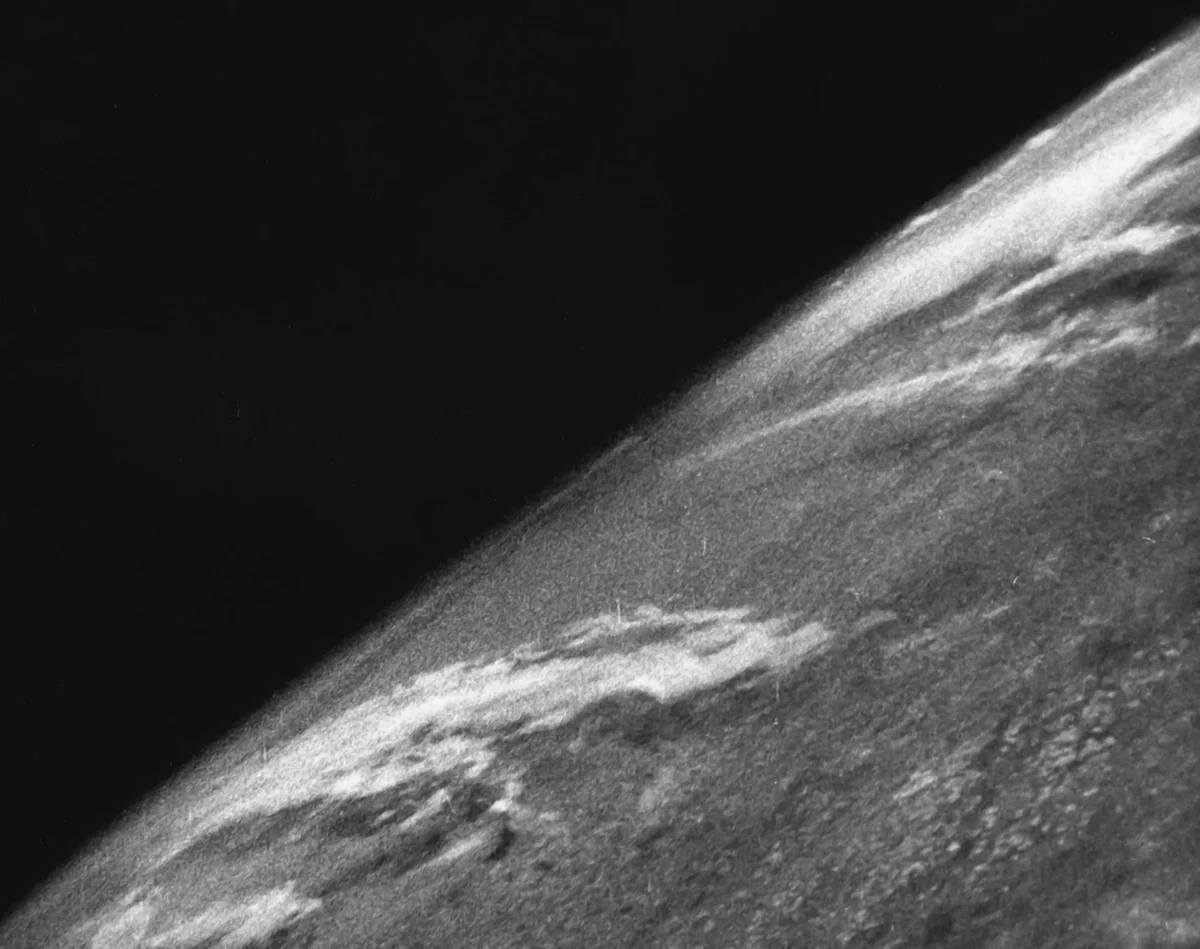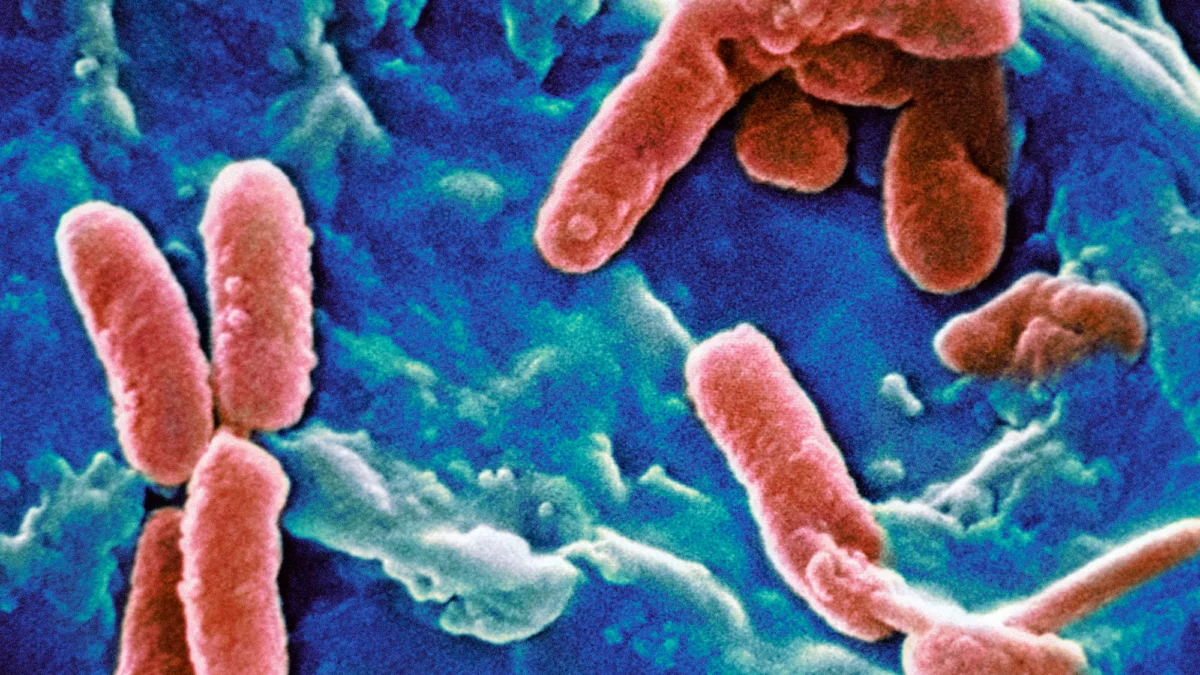
As global temperatures steadily climb, the planet’s ecosystems are undergoing profound transformations, triggering a parallel and equally drastic evolution within human biology. The overarching crisis of climate change is no longer restricted to melting ice caps, rising sea levels, and shifting weather patterns; it has firmly entrenched itself as a public health emergency. In this comprehensive investigative series, we explore the multi-faceted health impacts of a warming world, shifting our focus toward the escalating dangers of extreme heat, deteriorating air quality, compromised nutritional security, and a heightened risk of infectious diseases. Furthermore, this series evaluates the promising technological, policy, and behavioral solutions that may aid human adaptation in an increasingly warm future.
The Convergence of Climate and Public Health
The intersection of climatology and epidemiology has become a central focus for researchers, public health officials, and international organizations. For decades, the environmental movement concentrated heavily on physical landscapes, atmospheric chemistry, and wildlife conservation. However, a growing body of peer-reviewed scientific literature highlights that human physiology is acutely vulnerable to the cascading effects of environmental degradation.
When ambient temperatures rise and weather anomalies become the norm, the baseline conditions that have sustained human health for millennia begin to fracture. Vector-borne pathogens expand their geographic ranges, prolonged heatwaves strain the cardiovascular system, wildfire smoke infiltrates respiratory tracts across vast continents, and agricultural shifts alter the nutritional composition of staple crops. Understanding these interconnected threats is the first step toward building a resilient global healthcare infrastructure.
Extreme Heat: A Strain on the Human Body
Among the most immediate and visible consequences of a warming planet is the proliferation of extreme heat events. Meteorological data indicates that the frequency, duration, and intensity of heatwaves are increasing exponentially across the globe. In regions like the United States, predictive modeling suggests that the number of days exceeding 105 degrees Fahrenheit (40.5 degrees Celsius) could triple in the coming decades.
The human body is finely tuned to maintain a core temperature of approximately 98.6 degrees Fahrenheit (37 degrees Celsius). When ambient temperatures and humidity levels soar, the body’s primary cooling mechanism—sweating—becomes less effective. This places an extraordinary burden on the cardiovascular system, which must pump blood faster to the skin to dissipate heat. For vulnerable populations, including the elderly, infants, outdoor laborers, and individuals with pre-existing cardiovascular or respiratory conditions, this physiological stress can lead to heat exhaustion, heatstroke, acute renal failure, and death.
Beyond immediate physiological collapse, chronic exposure to high ambient temperatures is linked to adverse mental health outcomes, increased rates of occupational injuries, and pregnancy complications. Urban heat islands—metropolitan areas densely packed with asphalt, concrete, and buildings that absorb and retain heat—exacerbate these risks, disproportionately affecting economically disadvantaged communities with limited access to green spaces and air conditioning.
Blowing Smoke: The Rapid Rise of Air Pollution Threats
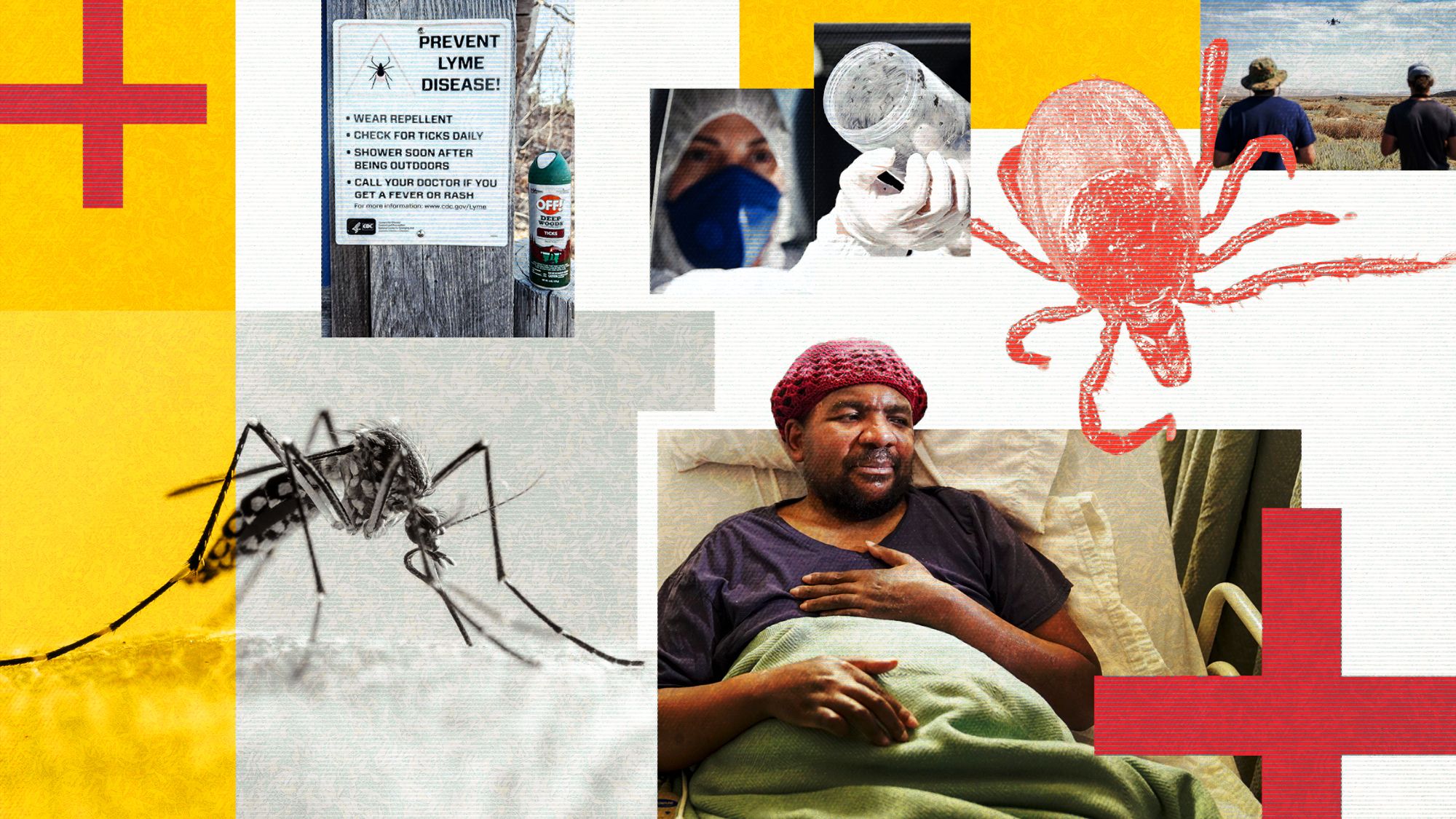
While extreme heat poses a direct thermal challenge, the air we breathe is simultaneously deteriorating. Wildfire smoke has emerged as one of the fastest-growing environmental threats to public health. Driven by prolonged droughts, higher temperatures, and historic dry conditions, wildfire seasons have lengthened significantly, frequently blanketing entire continents in toxic hazes.
Wildfire smoke is a complex mixture of gases and fine particulate matter, known scientifically as PM2.5. These microscopic particles are small enough to penetrate deep into the lungs and enter the bloodstream, triggering systemic inflammation. Short-term exposure to high levels of wildfire smoke causes acute irritation to the eyes, nose, and throat, and can trigger severe asthma attacks and acute bronchitis. Long-term exposure is associated with chronic obstructive pulmonary disease (COPD), lung cancer, ischemic heart disease, and systemic cardiovascular events.
The reach of these smoke plumes is vast. Megafires in western North America, the Amazon basin, and Australia routinely transport hazardous air quality thousands of miles downwind, exposing hundreds of millions of people to pollutant levels that far exceed World Health Organization (WHO) safety guidelines. Consequently, populations traditionally considered at low risk for respiratory illnesses now face chronic environmental exposure.
Changing Plates: Nutrition in a Warming World
Climate change is also fundamentally altering the nutritional foundation of human society. Agricultural productivity relies on stable precipitation patterns, predictable temperature ranges, and soil health—all of which are being disrupted by a changing climate. Furthermore, rising levels of atmospheric carbon dioxide (CO2) are chemically altering the crops we cultivate.
Scientific studies analyzing staple crops—such as wheat, rice, potatoes, and apples—reveal that elevated CO2 concentrations can accelerate plant growth while simultaneously diluting their nutritional value. Essential micronutrients, including protein, iron, zinc, and various B vitamins, are found in significantly lower concentrations in crops grown under high-CO2 conditions.
The apple you eat today possesses a different nutritional profile than the apple your grandparents consumed, and the disparity will only widen for future generations. This hidden form of malnutrition, often described as "hidden hunger," threatens global food security by increasing micronutrient deficiencies even among populations with adequate caloric intake. Coupled with crop failures driven by floods, droughts, and unseasonal frosts, the global food supply chain faces an unprecedented test of adaptability.
The Expansion of Infectious Diseases and Vector-Borne Risks
Perhaps one of the most dynamic and alarming consequences of a warming world is the shift in infection risk. Pathogens and the vectors that transmit them—such as mosquitoes, ticks, and rodents—are highly sensitive to temperature, humidity, and precipitation. As global temperatures rise, the climatic niches suitable for these disease-carrying organisms are expanding poleward and to higher altitudes.
Ticks, which transmit pathogens responsible for Lyme disease, anaplasmosis, and Powassan virus, are now active earlier in the spring and later in the autumn. Milder winters allow a higher percentage of the tick population to survive, leading to denser populations in regions where they were previously rare. Similarly, mosquitoes capable of transmitting vector-borne diseases such as dengue fever, Zika virus, chikungunya, and West Nile virus are establishing permanent habitats in new geographic zones across North America and Europe.
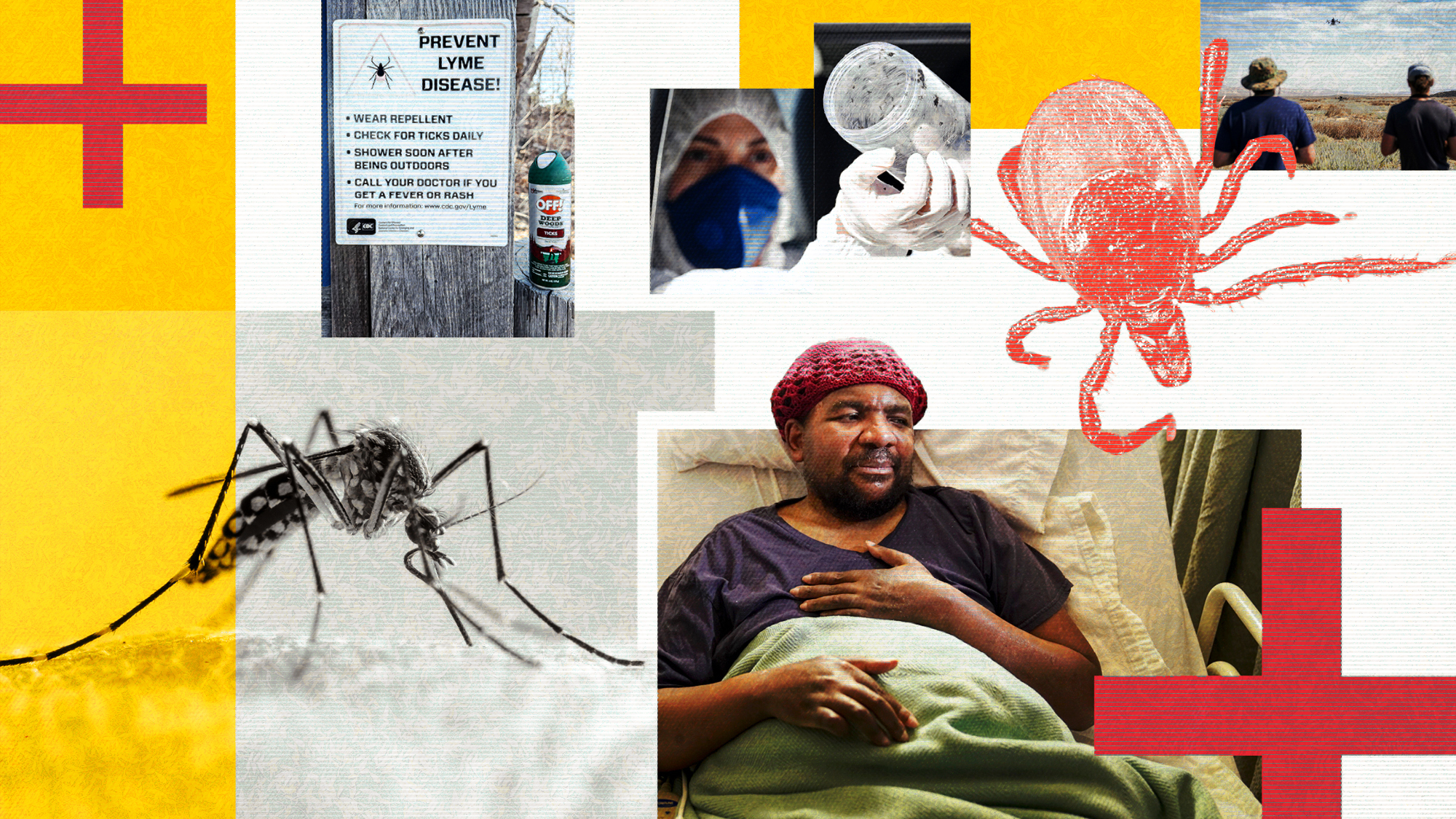
Furthermore, changing rainfall patterns and rising sea levels create stagnant water breeding grounds and sanitation challenges that facilitate the spread of waterborne diseases like cholera and leptospirosis. The intersection of displaced human populations due to climate events and the geographic expansion of pathogens creates fertile ground for novel epidemiological challenges.
Chronology of a Slow-Motion Crisis
The recognition of climate change as a public health emergency did not happen overnight. It is the result of decades of accumulating scientific data and increasingly visible environmental disasters.
- 1970s–1980s: Early climatological models begin to forecast global temperature increases, though the primary focus remains on environmental and ecological preservation rather than direct human health outcomes.
- 1990s: Epidemiologists and infectious disease specialists begin publishing field studies linking shifting weather patterns to the expanded ranges of vector-borne illnesses, such as malaria and Lyme disease.
- 2003: A catastrophic European heatwave results in an estimated 70,000 excess deaths, serving as a stark wake-up call to public health infrastructure regarding extreme weather vulnerabilities.
- 2015: The World Health Organization officially declares climate change the greatest threat to global health in the 21st century, catalyzing international research initiatives and policy integration.
- Present Day: Climate-health research expands rapidly, encompassing not only heat and vector-borne diseases but also the complex systemic effects of wildfire smoke, nutritional dilution, and mental health crises.
Official Responses and Mitigation Strategies
In response to these escalating threats, governments, international bodies, and scientific institutions are mobilizing to develop adaptation and mitigation frameworks. Public health agencies are shifting from a purely reactive posture—treating heat stroke and smoke inhalation in emergency rooms—to proactive surveillance and prevention models.
Early warning systems for extreme heatwaves and air quality alerts are becoming standard in major metropolitan areas, allowing vulnerable individuals to take precautionary measures. Urban planners are increasingly incorporating "green infrastructure"—such as rooftop gardens, urban forests, and cool-pavement technologies—to combat urban heat island effects and improve air filtration.
In agriculture, agronomists are breeding climate-resilient crop varieties capable of withstanding drought, salinity, and elevated temperatures while retaining their nutritional integrity. Concurrently, medical researchers are accelerating the development of vaccines and treatments for neglected tropical and vector-borne diseases that are projected to spread into temperate regions.
Broader Impact and Future Implications
The transformation of human health in the age of climate change extends far beyond medical statistics; it threatens to destabilize socio-economic systems, strain healthcare budgets, and exacerbate global inequalities. Low-income nations and marginalized communities, which have contributed the least to global greenhouse gas emissions, frequently bear the brunt of climate-induced health crises due to inadequate infrastructure and limited access to healthcare.
Addressing this planetary challenge requires a unified, interdisciplinary approach that bridges climatology, public health, economics, and public policy. Reducing carbon emissions remains the ultimate imperative to curb the trajectory of warming, but simultaneous investment in climate-resilient healthcare systems is vital. As the planet continues to burn, safeguarding human health will depend entirely on our collective capacity to adapt, innovate, and protect the most vulnerable among us.