
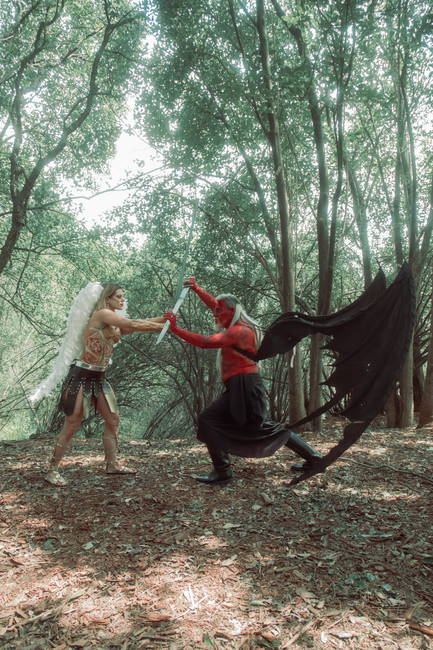
Devil May Cry’s Peak Combat: Mastering the Art of Stylish Action
Devil May Cry, a franchise synonymous with stylish action, has consistently pushed the boundaries of what players expect from character-driven combat. At its core lies a sophisticated system that rewards creative expression, technical mastery, and an unyielding pursuit of spectacle. This is not a game of button-mashing; it is a dance of death, a symphony of destruction where every flourish, every dodge, and every perfectly timed attack contributes to a visceral, exhilarating experience. Understanding and executing the "peak combat" within Devil May Cry requires a deep dive into its intricate mechanics, layered systems, and the mindset of the demon hunters who wield these powers.
The foundation of Devil May Cry’s combat rests on a trinity of core principles: offensive prowess, defensive evasion, and style. These are not independent elements but rather interwoven threads that, when mastered, create a seamless and breathtaking flow. Offensive maneuvers are multifaceted. Each weapon, whether it’s Dante’s iconic Rebellion sword, his diverse array of firearms, or Nero’s prosthetic Devil Bringer arm, possesses a unique move set. These moves range from basic attacks to complex combos, each with its own properties, damage output, and aerial capabilities. Learning the intricacies of each weapon, understanding its range, speed, and impact, is paramount. Furthermore, the ability to fluidly switch between weapons mid-combo is a hallmark of advanced play. This "weapon switching" not only provides variety but allows players to exploit enemy weaknesses, extend combos, and maintain an aggressive offensive pressure. For instance, a powerful sword combo might be interrupted by an enemy’s quick counter. A skilled player would instantly switch to a projectile weapon to stagger them, then immediately transition back to melee for a devastating follow-up. This constant adaptation and utilization of the entire arsenal are key to reaching peak combat.
Evasion is equally crucial, and Devil May Cry offers a robust suite of defensive options. The primary defensive maneuver is the "dodge" or "evade." These actions are not mere invincibility frames; they are carefully timed evasive maneuvers that, when executed precisely just before an attack lands, grant brief periods of invincibility. Mastering the timing of these dodges is fundamental. Beyond simple evasion, many games in the series introduce more advanced defensive techniques. In Devil May Cry 3 and 4, for example, certain defensive actions, like the "Royal Guard" style for Dante, allow players to block attacks and then release a powerful counter-attack based on the impact absorbed. The "Jump Cancel" mechanic, prevalent in many titles, allows players to cancel out of certain attack animations by jumping, enabling them to evade incoming attacks and immediately retaliate. This requires a keen understanding of animation frames and a high degree of reflexes, pushing the combat beyond simple reactive play into proactive threat assessment and control.
The "Style" meter, perhaps the most iconic element of Devil May Cry’s combat, is the tangible representation of a player’s mastery. This meter increases as players perform varied and stylish attacks, avoiding repetition and chaining together different moves, weapon switches, and evasive actions. The higher the style rank – from D (disappointing) to SSS (stylish, super, spectacular) – the more impressive the visual flair, the more damage multipliers are applied, and the more rewarding the overall experience becomes. Achieving and maintaining a high style rank is not just about looking good; it’s about efficiently dispatching enemies, controlling the battlefield, and demonstrating a deep understanding of the combat system. Stringing together a sequence of air combos, followed by weapon switches, then a perfectly timed dodge and a ground-based finisher, all while the style meter ticks upwards through the ranks, is the pinnacle of Devil May Cry combat.
Devil Trigger, a supernatural transformation that imbues the character with enhanced abilities, is another critical component of peak combat. Each Devil Trigger grants different benefits, such as increased movement speed, enhanced attack power, health regeneration, or even entirely new moves. Strategically activating Devil Trigger at opportune moments can turn the tide of a difficult encounter, allowing for a devastating offensive surge or a desperate defensive recovery. Knowing when to transform, and more importantly, when to deactivate it to conserve its limited duration, is a tactical decision that separates novice players from masters. For instance, activating Devil Trigger to unleash a powerful combo on a boss during a vulnerable phase, or using its defensive regeneration to survive a barrage of attacks, showcases a deep understanding of its utility.
Enemy design in Devil May Cry is meticulously crafted to challenge and test these combat principles. Each enemy, from the lowliest Hell Anten to the most formidable demon lord, possesses unique attack patterns, weaknesses, and resistances. Learning these patterns is crucial for effective engagement. A quick enemy might require precise evasive maneuvers and rapid attacks to interrupt their flurry. A heavily armored foe might necessitate targeting specific weak points or utilizing heavy-hitting weapons and charged attacks. Boss battles are the ultimate test, often featuring multiple phases, complex attack sequences, and requiring players to utilize their entire repertoire of skills, from weapon switching and style combos to perfectly timed dodges and strategic Devil Trigger activations. The feeling of overcoming a seemingly insurmountable boss through sheer skill and adaptability is immensely rewarding and defines the peak of the Devil May Cry combat experience.
The concept of "flinch" and "stagger" mechanics also plays a vital role. Many attacks, when landed correctly or in succession, can momentarily stun or interrupt an enemy’s actions. This "flinch" or "stagger" provides crucial openings for players to continue their offense, extend combos, or reposition themselves. Mastering which attacks cause which degrees of flinch and how to chain these effects together to create extended combo opportunities is a cornerstone of high-level play. For example, a certain sword combo might cause a minor flinch, allowing for another quick sword strike. However, a follow-up with a different weapon, or a charged shot from a firearm, might cause a full stagger, leaving the enemy wide open for a devastating finisher.
Beyond the direct mechanics, the intangible aspect of rhythm and flow is what truly elevates Devil May Cry combat to its peak. It’s about finding the cadence of battle, the dance between offense and defense, where each action seamlessly leads into the next. It’s a state of near-meditative focus where the player anticipates enemy movements, reacts instinctively, and executes their chosen actions with fluidity and purpose. This rhythm is cultivated through practice, repetition, and a deep-seated understanding of the game’s intricate language. When a player achieves this flow state, the combat becomes an extension of their will, a breathtaking spectacle of controlled chaos and unparalleled stylish action. The visual feedback, the sound design, and the exhilarating music all converge to amplify this feeling of mastery, creating an experience that is not just played, but felt.
Furthermore, the concept of "combo extenders" and "combo breakers" are integral. Certain moves are designed to keep an opponent airborne or in a state of vulnerability, allowing for longer, more elaborate combos. Conversely, knowing when to break off an aggressive assault to dodge a devastating counter-attack is equally important. The intricate interplay between these mechanics allows for near-infinite combo potential, limited only by the player’s creativity and understanding of the game’s underlying rules. This is where the "art" of stylish action truly shines. It’s not just about dealing damage; it’s about the elegant execution of a sequence of actions that leaves both the player and the observer in awe. The mastery of Devil May Cry’s combat is a journey of continuous learning, adaptation, and relentless pursuit of perfection in a ballet of blades and bullets.





Leave a Reply