Federal regulators overseeing the sprawling $50 billion Rural Health Transformation Program have missed a crucial deadline to announce next year’s state funding allocations, prompting widespread frustration and confusion among state health officials nationwide. The delay, communicated via a brief mass email sent late in the afternoon on October 30, has disrupted fiscal planning for state governments that depend on these federal dollars to shore up vulnerable medical facilities and offset impending reductions in Medicaid funding.
The notification, delivered by Alina Czekai, director of the federal Office of Rural Health Transformation, stated that officials had "discovered an additional administrative process requirement." This unexpected hurdle has stalled the competitive discretionary portion of the fund’s second-year rollout, leaving state agencies scrambling to adjust their budgets without knowing their exact financial figures.
Program Overview and First-Year Implementation
The Rural Health Transformation Program was established as a cornerstone federal initiative intended to revitalize struggling medical facilities and expand healthcare access in isolated regions. Touted by President Donald Trump as an "unprecedented" investment to modernize hospitals in cherished rural communities, the program is structured to distribute $10 billion annually over five years, culminating in a total expenditure of $50 billion.
During the inaugural year of the program in 2026, individual states received base and competitive allocations ranging between $147 million and $281 million. These initial sums were determined through a competitive federal scoring matrix that evaluated state proposals on various health initiatives, including technology infrastructure updates, workforce expansion, and public health campaigns. State administrators faced a compressed timeline last year, given a narrow seven-week window to draft and submit competitive applications for the first wave of funding.
Since its inception, the program’s rapid pace has drawn consistent scrutiny from healthcare analysts and local officials. While the injection of capital has facilitated significant localized investments—such as reopening shuttered clinics in Nevada, deploying mobile emergency units in New Hampshire, and funding healthcare initiatives for Native American tribes in Idaho and Oregon—critics argue that the tight reporting timelines and immense administrative burdens have hindered optimal execution.
The October Surprise: A Cryptic Mass Email
The recent controversy centers on a 12-sentence email sent by Czekai at 4:05 p.m. Eastern Time on October 30. State leaders had anticipated receiving their official 2027 award figures by October 31, adhering to the timeline outlined in the initial federal Notice of Funding Opportunity (NOFO). Instead, the late-October correspondence informed recipients that while each state’s guaranteed second-year base funding of $100 million remained accessible, the variable, performance-based competitive allocations were indefinitely delayed.
The announcement created immediate operational bottlenecks. State health agencies were informed that their revised budgets, necessitated by the impending allocations, must still be submitted back to the Centers for Medicare & Medicaid Services (CMS) by November 30. This strict deadline left administrators with a vanishingly small window to finalize spending plans once the figures are eventually released.
Speaking anonymously out of fear of administrative retaliation, multiple state health officials expressed dismay over the sudden change. One regional administrator labeled the notification "cryptic," while another Midwestern state health association leader reported that local staff were left entirely "in the dark." Beth Fisher, a spokesperson for Kentucky’s Cabinet for Health and Family Services, confirmed the delay, noting that Kentucky—which secured nearly $213 million in the first year—relies on these federal grants to mitigate the adverse impacts of anticipated federal Medicaid funding reductions.
Administrative Complexities and Scoring Controversies
Analysts point out that the complexity of the federal grading metrics contributed heavily to the delay. Michael Baker, director of healthcare policy at the American Action Forum, observed that calculating second-year awards proved significantly more intricate than federal administrators anticipated. The evaluation framework incorporated ambitious and unconventional criteria, awarding points not only for traditional healthcare metrics like workforce development and telemedicine expansion, but also for specific policy goals, such as the adoption of physical fitness testing protocols for local schoolchildren.
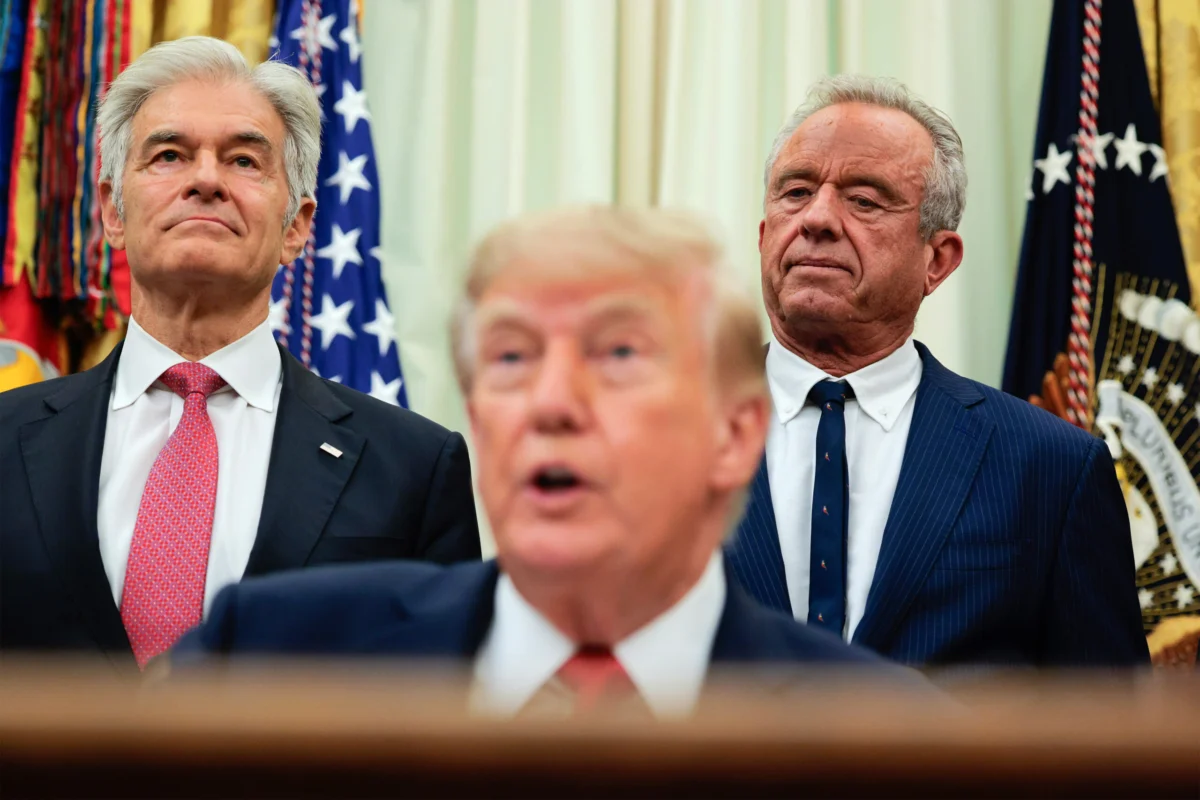
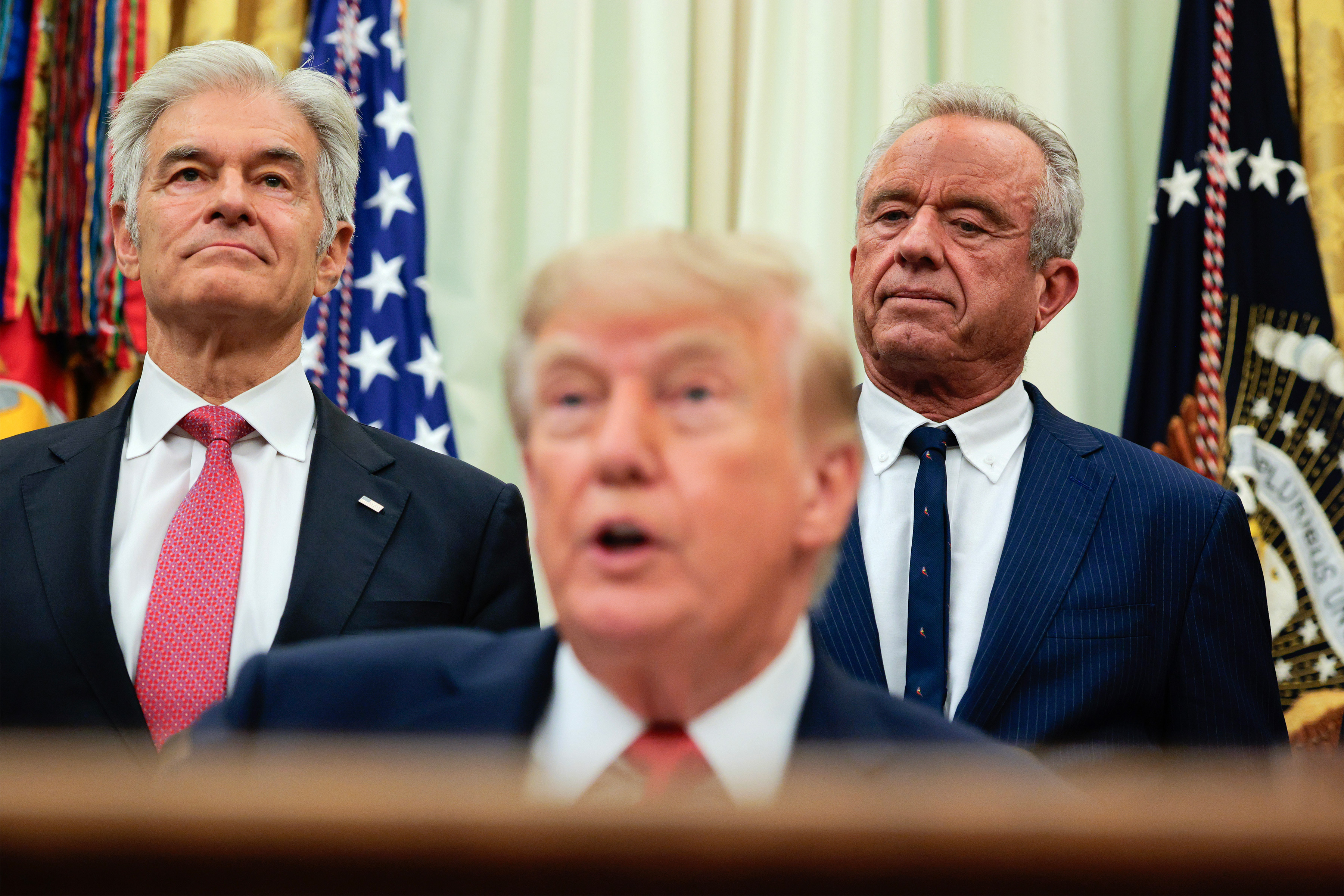
Furthermore, an academic data analysis and subsequent news investigations revealed partisan disparities in the distribution of the first-year competitive funds. Data indicated that states governed by Republicans tended to secure higher discretionary scores, while Democratic-led states disproportionately occupied the lowest quarter of competitive award distributions. Because the second-year announcement was originally scheduled to land just days before the midterm elections—a period during which high-ranking administration officials, including Health and Human Services Secretary Robert F. Kennedy Jr. and CMS Administrator Mehmet Oz, aggressively campaigned in battleground states touting rural health investments—the timing of the delay has drawn heightened political scrutiny.
Heavy Reliance on External Consultants
An examination of the first-year progress reports—which were due to CMS by the end of August but largely withheld from public release by federal authorities—reveals that states directed substantial portions of their initial funding toward private management and technology consulting firms.
Data compiled through public records requests show that at least six states—Arizona, Connecticut, Kansas, Louisiana, Rhode Island, and South Carolina—reported multi-million-dollar consulting contracts totaling more than $60 million. While state administrators defended these expenditures as necessary to manage complex federal compliance standards, the heavy outsourcing has raised questions about administrative overhead versus direct patient care.
In Montana, the reliance on outside management erupted into a public dispute in late August. Consulting giant Manatt Health Strategies filed a formal protest letter challenging the state’s intent to award a $25 million oversight contract to Florida-based Indelible Health Solutions, citing potential conflicts of interest. The protest prompted Montana officials to void the prospective award in mid-September to preserve the integrity of the procurement process.
State Resistance and Ongoing Transparency Concerns
The administrative friction extends beyond funding delays to encompass routine reporting requirements. Public comments submitted to CMS earlier in the year reveal widespread pushback from state health departments regarding the feasibility of federal data collection demands.
While federal agencies estimated that annual progress reports would require approximately 80 hours per state to complete, local administrators strongly disagreed. Officials from Republican-led Tennessee and several other states argued that a realistic estimate approached 120 hours, while Nebraska finance officer Ryan Daly projected a burden of 400 to 520 hours per state. Colorado’s deputy Medicaid director, Cristen Bates, cautioned that forcing evaluations onto an incomplete implementation period would produce distorted assessments of true program performance.
Despite these formal grievances and calls for greater transparency from policy analysts, CMS leadership has maintained a guarded posture, declining to release complete annual evaluation data or provide definitive timelines for when the delayed competitive funding amounts will finally be disclosed to the states. As winter approaches, state health administrators continue to navigate an uncertain fiscal landscape, balancing the urgent healthcare needs of rural populations against the unpredictable administrative rhythms of a federal program defined by ambition, tight deadlines, and persistent operational friction.