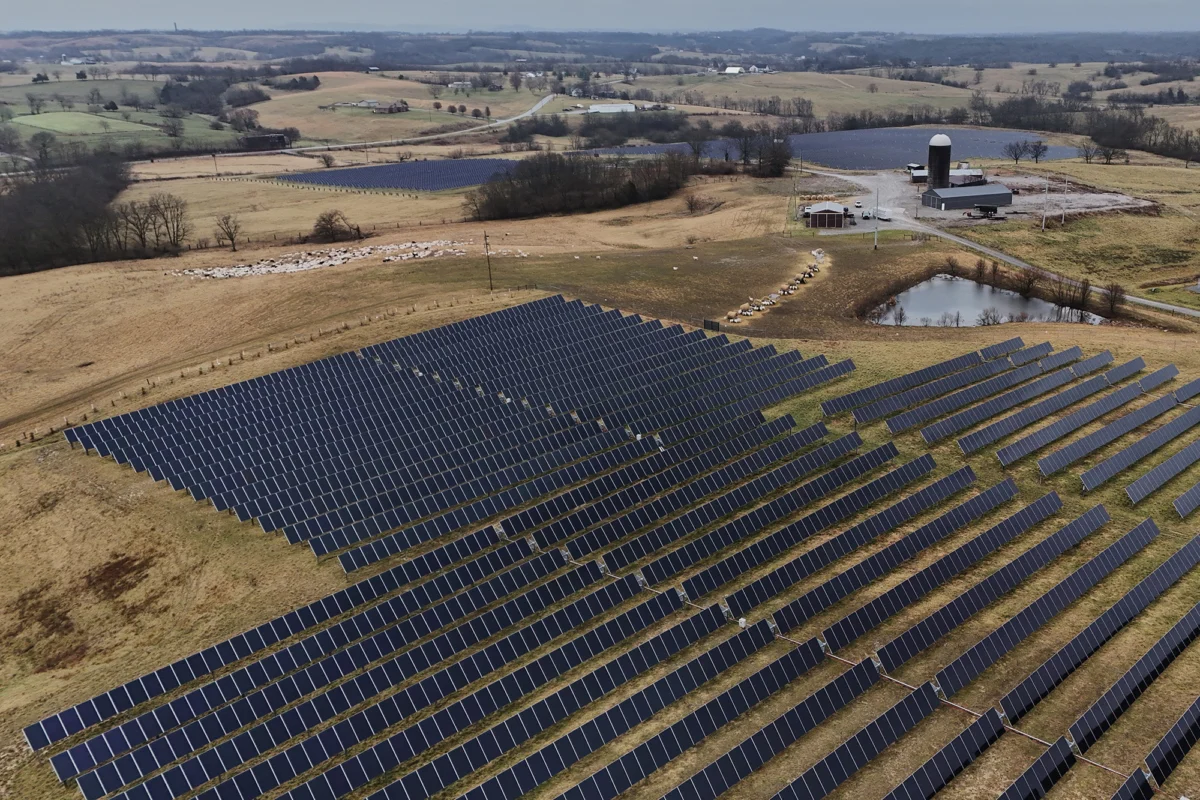
In the rolling pastures of Lancaster, Kentucky, sheep farmer Daniel Bell envisioned a future defined by energy independence. As his flock expanded, so did his need for infrastructure, specifically a new barn to provide shelter and warmth during the winter months. Located far from existing utility lines, the cost of extending the power grid was prohibitive, making rooftop solar the most logical and cost-effective solution. Bell planned to bridge the financial gap using a grant from the U.S. Department of Agriculture’s (USDA) Rural Energy for America Program (REAP). However, his ambitions hit a bureaucratic wall when he discovered that the federal government had effectively halted the program’s funding. For Bell, the issue transcends environmentalism; it is a matter of economic autonomy and the freedom to manage his own assets without being tethered to rising utility costs.
Bell’s experience is becoming increasingly common across rural America. As the federal government pivots its energy priorities, thousands of farmers and rural business owners find themselves caught in a policy vacuum. A collaborative investigation by The Associated Press and Grist reveals that the current administration has significantly rolled back two pillars of rural renewable energy: the REAP grant program and the federal clean energy tax credit. The data is stark: through the current fiscal year, the USDA has not awarded a single dollar in rural energy grants or loan guarantees. This sudden cessation of support has sent shockwaves through the agricultural sector, affecting everyone from small-scale family farmers to multi-million-dollar solar developers.
The Rise and Sudden Stall of REAP
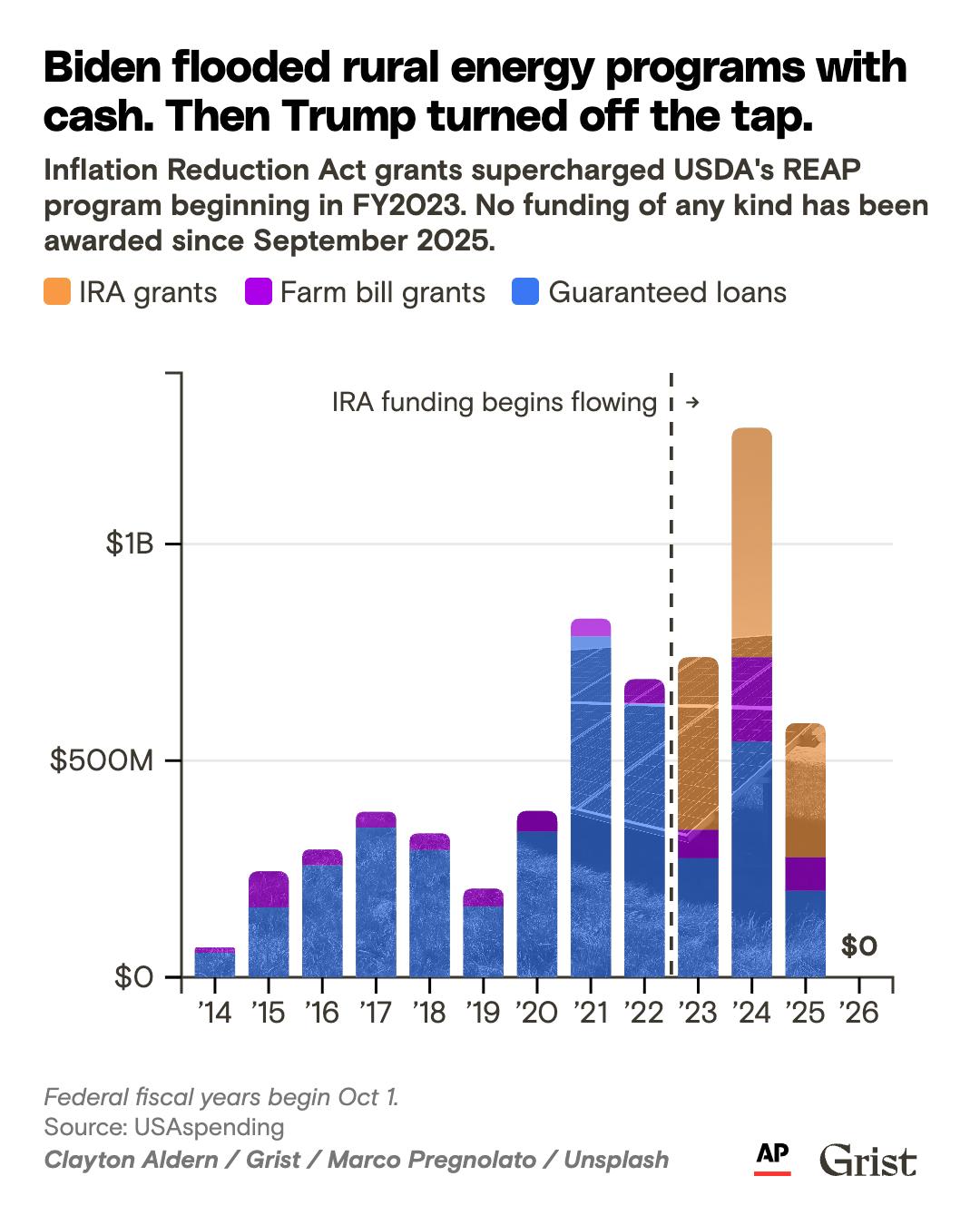
The Rural Energy for America Program was established under the Energy Policy Act of 2005, a piece of legislation signed by President George W. Bush that aimed to diversify the nation’s energy portfolio. For nearly two decades, REAP enjoyed bipartisan support, functioning as a vital tool for farmers and ranchers to lower their overhead by installing solar panels, wind turbines, and energy-efficient irrigation systems. Since its inception, the program has funded over 19,000 grants totaling more than $1.8 billion, supporting tens of thousands of projects that bolstered rural economies.
The program saw a massive infusion of capital following the passage of the 2022 Inflation Reduction Act (IRA), which was designed to supercharge the transition to clean energy. This funding allowed the USDA to cover up to 50 percent of a project’s cost, a significant increase from the previous 25 percent cap. However, the political tide turned rapidly. Following the most recent change in administration, the surge of funding was met with an abrupt freeze. In March 2024, the USDA announced a suspension of all REAP grant awards, citing a need to update regulations to comply with executive orders issued the previous July. While the agency maintains that the suspension is temporary, the lack of a clear timeline has left applicants in a state of perpetual uncertainty.
A Chronology of Policy Shifts and Market Instability
To understand the current crisis, one must look at the shifting legislative landscape over the last two decades. The federal Investment Tax Credit (ITC), which provides a 30 percent credit for large-scale renewable projects, has been a cornerstone of the industry since 2005. It was extended under Presidents Obama and Trump, and eventually pushed through 2032 by the Biden administration.
However, the timeline was radically compressed last July when a new tax bill reset the expiration dates in reverse. Under the current rules, commercial solar projects must be under construction by July 2026 or operational by the end of 2027 to remain eligible for the 30 percent credit. For many developers, this shortened window is an impossible hurdle.
An analysis of data from the Energy Information Administration shows that at least 126 solar projects proposed since early 2024—many located on or near agricultural land—are currently awaiting regulatory approval. Together, these projects represent approximately 20 gigawatts of electricity, enough to power 4.5 million homes. Yet, the fear of missing the tax credit deadline is forcing some companies to pull the plug. Bogdan Micu, CEO of the German developer Alpin Sun, reported that his company had to abandon projects representing $6 million in investment in the U.S. Northeast because there was no feasible way to accelerate the permitting process to meet the new federal deadlines.
The Human Cost of Funding Freezes
The impact of these policy shifts is perhaps most visible in the stories of individual farmers who rely on these funds to maintain their slim profit margins. Elisa Lane, who operates a flower and fruit farm in Hampstead, Maryland, describes the "extreme stress" of having her $30,576 REAP grant frozen without explanation last February. Lane had already contracted a solar company to begin installation, assuming the federal government would honor its commitment.
The USDA eventually released the funds, but only after a confusing period where grantees were invited to "voluntarily revise" their proposals. This revision process was aimed at stripping "Biden-era" language related to climate change and Diversity, Equity, Inclusion, and Accessibility (DEIA) from the applications. Lane chose to proceed without changes, and after months of anxiety and a $70,000 out-of-pocket expenditure, she finally received her reimbursement in September—more than half a year after the initial freeze.
For farmers like Lane, solar panels are not a political statement but a long-term investment in business viability. With monthly energy bills often exceeding $500, the ability to generate on-site power can be the difference between a profitable year and a loss. The disruption of these programs, she notes, forces farmers to focus on bureaucratic survival rather than the actual work of farming.
Agrivoltaics: A Compromise Under Pressure
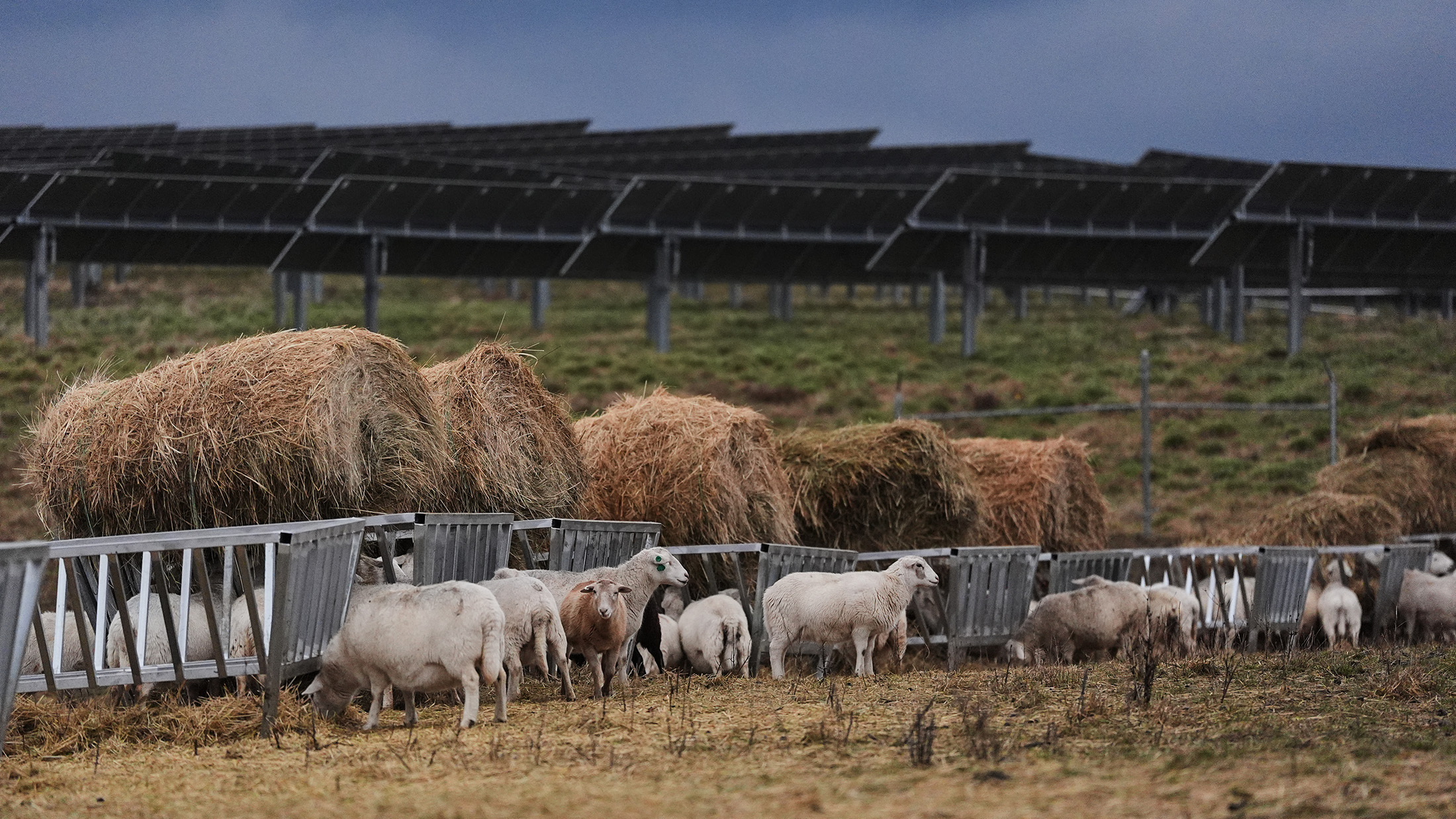
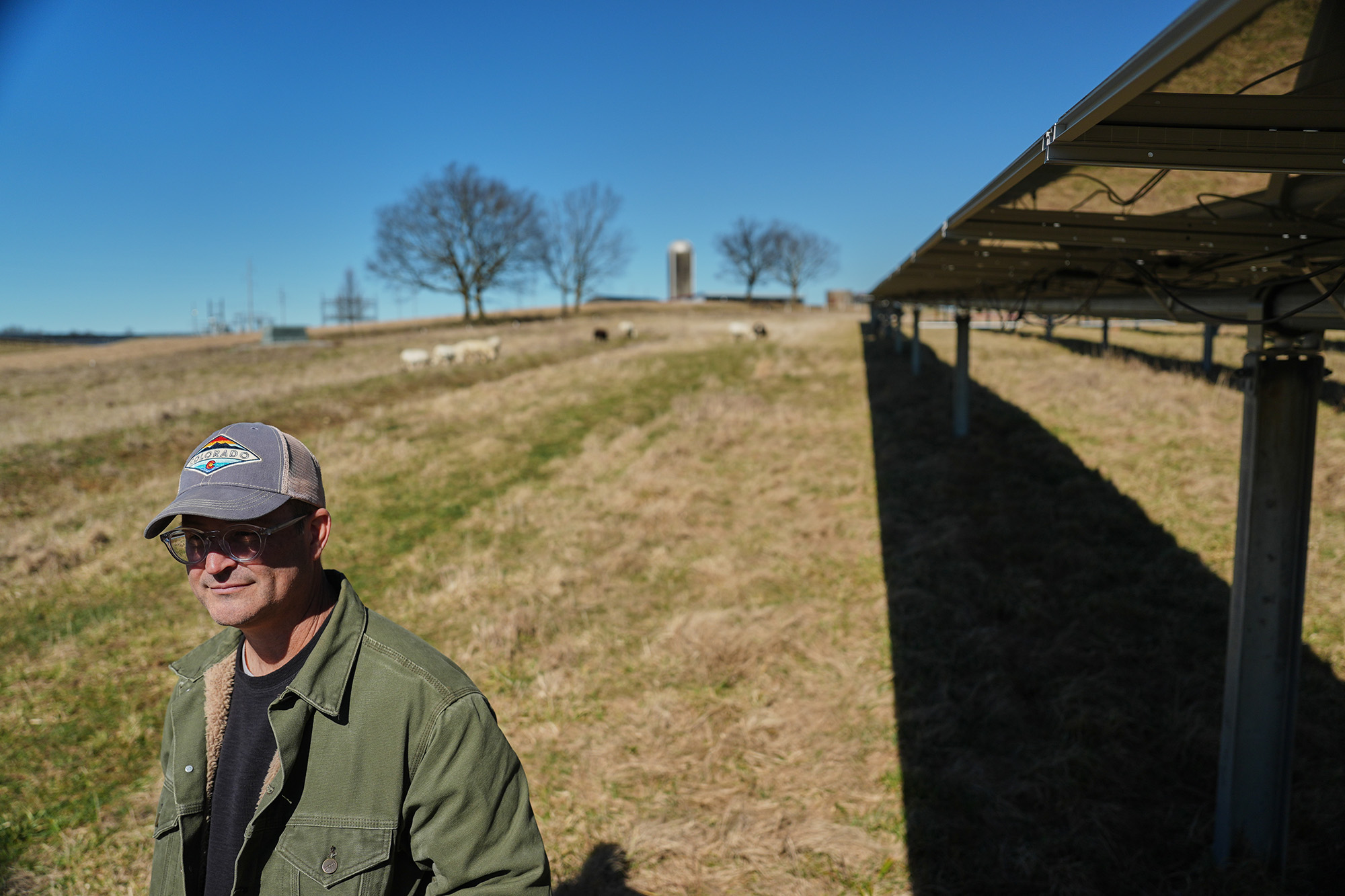
As federal grants vanish, some farmers are turning to "agrivoltaics"—the practice of using land for both solar energy production and agriculture. Daniel Bell, the Kentucky sheep farmer, has sought a creative workaround by partnering with a commercial solar operation. He is paid to graze his sheep beneath their panels, a symbiotic relationship where the sheep keep the grass low, reducing the solar company’s maintenance costs, while Bell gains access to shaded grazing land.
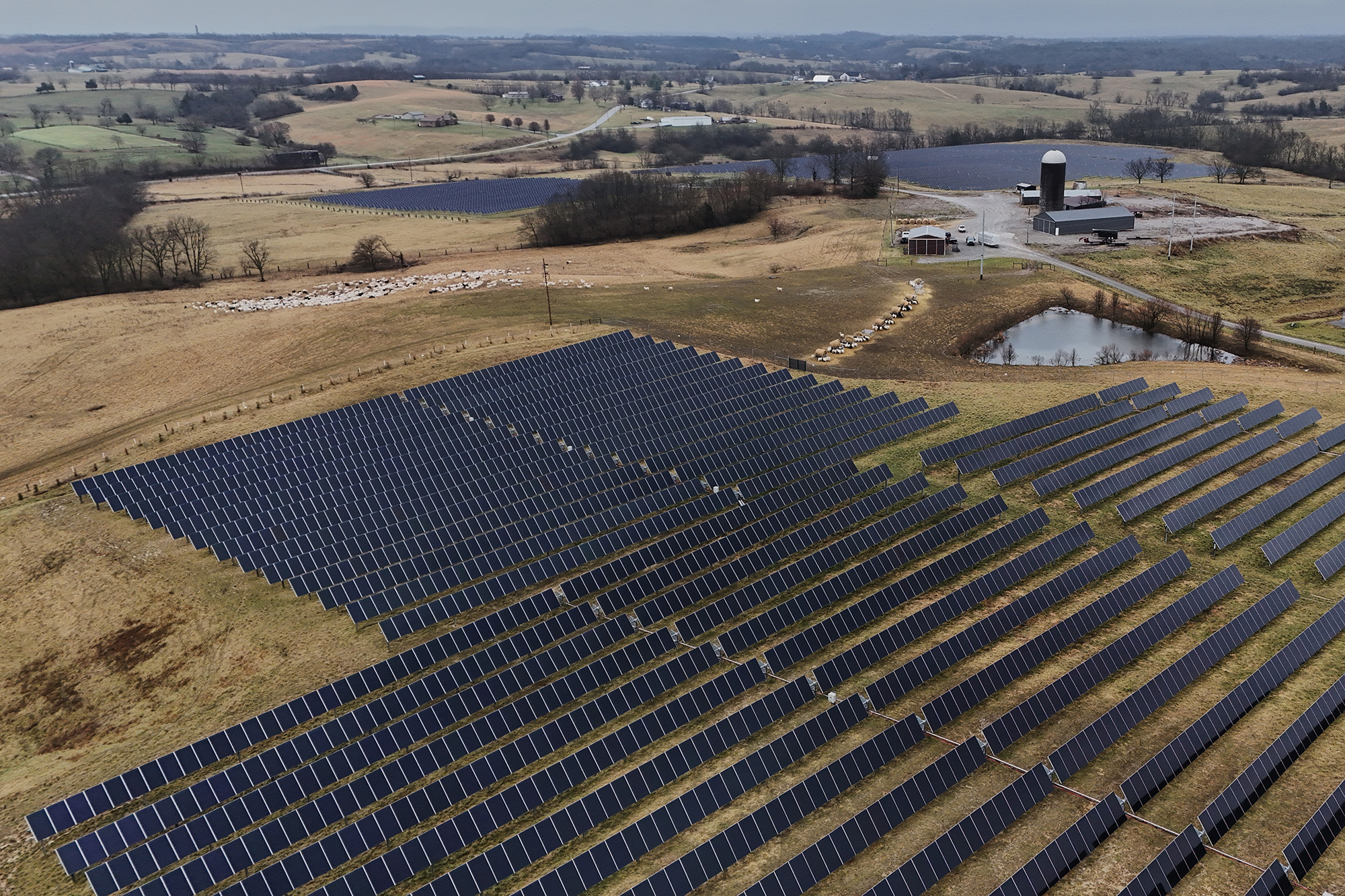
Bell is currently petitioning the solar company to allow him to build temporary barns on their site, which would allow him to draw cheaper power directly from their array. While this provides a potential path forward for Bell, it highlights the growing divide in rural energy access. Farmers who do not have a commercial solar neighbor or the capital to build without federal assistance are effectively locked out of the renewable market.
Broader Economic and Environmental Implications
The withdrawal of federal support for rural solar comes at a time when energy demand is surging, driven in part by the construction of massive AI data centers. Ironically, solar remains one of the cheapest forms of new energy generation available. Experts warn that pulling back on rural energy investment could undermine the economic stability of the very regions the administration claims to support.
Robert Bonnie, a former USDA undersecretary, emphasizes that renewables are a "pocketbook issue" for farmers in states like Iowa and Texas. In these regions, wind and solar leases provide a steady "second crop" of income that is immune to droughts or fluctuating commodity prices. "Anything you do to pull back on that is hugely problematic," Bonnie noted, suggesting that the loss of these incentives could lead to a decline in rural prosperity.

Furthermore, the current regulatory environment appears to be favoring large-scale corporate developers over small family operations. Nick Cohen, CEO of Doral LLC, a large-scale developer, noted that the complexity of the new rules and the volatility of tax equity markets actually benefit "the big guys." Larger firms have the legal and financial resources to navigate the shifting deadlines, whereas small-scale projects—those most likely to benefit individual farmers—are the first to be abandoned when federal support wavers.
Conclusion and Future Outlook
The current suspension of REAP grants and the tightening of tax credit windows represent a significant pivot in American energy policy. While the USDA maintains that the grant pause is temporary and that its loan guarantee program remains technically open, the data shows a complete standstill in new agreements for the current fiscal year.
For the American farmer, the result is a landscape of missed opportunities. Projects that could have lowered utility costs, created rural jobs, and provided a buffer against economic volatility are being shelved. As the July 2026 tax credit deadline approaches, the industry is bracing for a "cliff" that could see a dramatic reduction in new solar starts. For men like Daniel Bell and Tim Covert, the dream of using their land to power their businesses and their communities remains tethered to the unpredictable winds of federal policy. Until a stable regulatory framework is restored, the "freedom" Bell sought to control his own assets remains an elusive goal for much of rural America.