
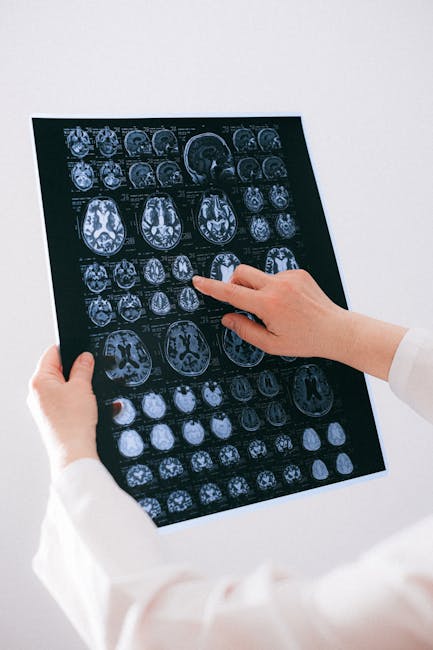
The First Human Implantation: Neuralink’s Breakthrough and the Dawn of Brain-Computer Interfaces
The world watched with a mixture of awe and apprehension as Neuralink, Elon Musk’s ambitious neurotechnology company, announced the successful implantation of its first brain-computer interface (BCI) in a human patient. This groundbreaking event, shrouded in a veil of anticipation and meticulous preparation, marks a pivotal moment in the history of neuroscience and human augmentation. While the full scope of this achievement is still unfolding, the initial implications are profound, promising to revolutionize treatment for neurological disorders and unlock unprecedented levels of human-computer interaction.
Neuralink’s device, dubbed "Telepathy," is a testament to years of intensive research and development in the fields of neuroscience, bioengineering, and artificial intelligence. The core of the technology lies in its ultra-fine, flexible threads, significantly thinner than a human hair, which are precisely implanted into the brain. These threads are designed to detect and transmit neural signals with remarkable fidelity, effectively creating a direct communication pathway between the brain and an external device. The implantation process itself is as sophisticated as the technology, utilizing a specialized surgical robot to ensure accuracy and minimize invasiveness. This robotic surgeon, capable of threading the delicate filaments with microscopic precision, is a critical component in Neuralink’s strategy to make BCI implantation a more routine and accessible procedure. The threads are connected to a small, coin-sized implant that rests flush with the skull, wirelessly transmitting data and receiving power. This discreet design prioritizes user comfort and aesthetic integration, a departure from the more obtrusive BCI prototypes of the past.
The primary objective behind Neuralink’s initial human trials is to provide a solution for individuals suffering from severe paralysis. The ability to control external devices, such as computers or prosthetic limbs, solely through thought has the potential to restore a significant degree of independence and agency to those who have lost motor function due to conditions like ALS (Amyotrophic Lateral Sclerosis), spinal cord injuries, or stroke. For individuals who are completely locked in, unable to communicate or interact with their environment, Telepathy offers a lifeline, a chance to reconnect with the world and express their thoughts and desires. The system works by decoding the electrical impulses generated by the brain when a person intends to perform an action. For example, a paralyzed individual might visualize moving a cursor on a screen. Neuralink’s BCI detects these specific neural patterns, translates them into commands, and then transmits those commands to the computer, allowing the user to move the cursor with their mind. This seemingly simple act represents a monumental leap forward in assistive technology, moving beyond the limitations of physical interfaces and direct sensory input.
Beyond its therapeutic applications, Neuralink harbors a long-term vision of augmenting human capabilities. Elon Musk has repeatedly articulated the goal of achieving a symbiotic relationship between humans and artificial intelligence. He posits that as AI continues to advance at an exponential rate, humans risk being outpaced and potentially rendered obsolete unless they can integrate with AI. Neuralink’s BCI technology is envisioned as the conduit for this integration, allowing humans to access and process information at speeds and scales currently unimaginable. This could manifest in various ways: enhanced memory, faster learning, direct access to vast databases of knowledge, or even the ability to communicate telepathically with other BCI users. The potential for a future where thoughts can be directly shared or where complex computational tasks can be performed mentally is no longer confined to the realm of science fiction. However, this ambitious vision also raises significant ethical, philosophical, and societal questions that will need to be addressed as the technology matures.
The journey to this first human implantation has been fraught with scientific challenges and public scrutiny. Neuralink has faced hurdles in animal testing, particularly concerning the biocompatibility and long-term efficacy of its implants. Early prototypes and research phases involved extensive work with animals to refine the implantation techniques, ensure the materials used did not elicit adverse immune responses, and validate the signal detection capabilities. The complexity of the human brain, with its intricate network of neurons and electrochemical signals, presents a formidable obstacle. Understanding the precise neural code for specific intentions, intentions that are often subtle and nuanced, requires sophisticated algorithms and machine learning models. The company has invested heavily in developing these AI-powered decoding systems, which are crucial for translating raw neural data into meaningful commands. Furthermore, the long-term effects of having an implanted device in the brain are still a subject of ongoing research. Questions about tissue scarring, potential for infection, and the durability of the electronic components over decades are paramount. Neuralink’s commitment to rigorous testing and phased rollout in human trials underscores the seriousness with which these concerns are being treated.
The implications of Neuralink’s success extend far beyond the immediate patient population. If the technology proves safe and effective, it could pave the way for a new era of neuroscientific research. By directly monitoring brain activity in real-time, scientists will gain unprecedented insights into the workings of the human brain. This could accelerate discoveries in understanding consciousness, memory, emotions, and the underlying mechanisms of various neurological and psychiatric disorders. The data collected from Neuralink implants, with appropriate ethical oversight and anonymization, could become an invaluable resource for the global scientific community. Researchers could study the neural correlates of different cognitive processes, map brain networks with unparalleled detail, and develop more targeted and effective treatments for a wide range of brain-related conditions. For example, understanding the precise neural pathways involved in depression or anxiety could lead to novel therapeutic interventions that go beyond current pharmacological approaches.
The ethical considerations surrounding BCIs are, and will continue to be, a central theme in discussions about Neuralink. Issues of privacy, security, and potential misuse are of paramount importance. The prospect of having one’s thoughts directly accessible raises concerns about data breaches, unauthorized access, and even the potential for mind-reading. Neuralink states that its implants are designed with robust security measures, but the evolving landscape of cybersecurity means that constant vigilance and adaptation will be necessary. Furthermore, the question of who owns the neural data generated by these implants, and how it can be used, will necessitate careful legal and ethical frameworks. The potential for a digital divide, where only the wealthy can afford advanced brain augmentation, also raises concerns about social equity and the exacerbation of existing inequalities. These are not trivial concerns and will require broad societal dialogue and robust regulatory oversight to navigate responsibly.
The competitive landscape of brain-computer interfaces is also evolving. While Neuralink has captured significant public attention, other research institutions and companies are also making progress in the field. University labs and established medical device companies are developing a range of BCI technologies, from non-invasive methods like electroencephalography (EEG) to more invasive but higher-fidelity implants. Neuralink’s distinct approach, with its ultra-fine threads and sophisticated surgical robot, sets it apart. However, the ultimate success of any BCI technology will depend not only on its technical capabilities but also on its clinical validation, regulatory approval, and widespread adoption. The development of robust standards for BCI technology, ensuring interoperability and safety across different platforms, will be crucial for the long-term growth of the field.
The future of human-computer interaction is inextricably linked to the advancement of brain-computer interfaces. Neuralink’s first human implantation is not an endpoint but a significant milestone in a journey that promises to redefine what it means to be human. The potential to restore function, enhance cognition, and forge a new kind of partnership with artificial intelligence is immense. However, this transformative potential is accompanied by profound responsibilities. As this technology progresses, a collaborative effort involving scientists, ethicists, policymakers, and the public will be essential to ensure that it is developed and deployed in a way that benefits humanity as a whole, fostering a future that is both technologically advanced and ethically sound. The era of direct neural connection has officially begun, and its impact will undoubtedly be felt for generations to come. The initial success with its first human patient is just the beginning of a long and complex exploration into the capabilities and consequences of merging the human mind with the digital world.




Leave a Reply