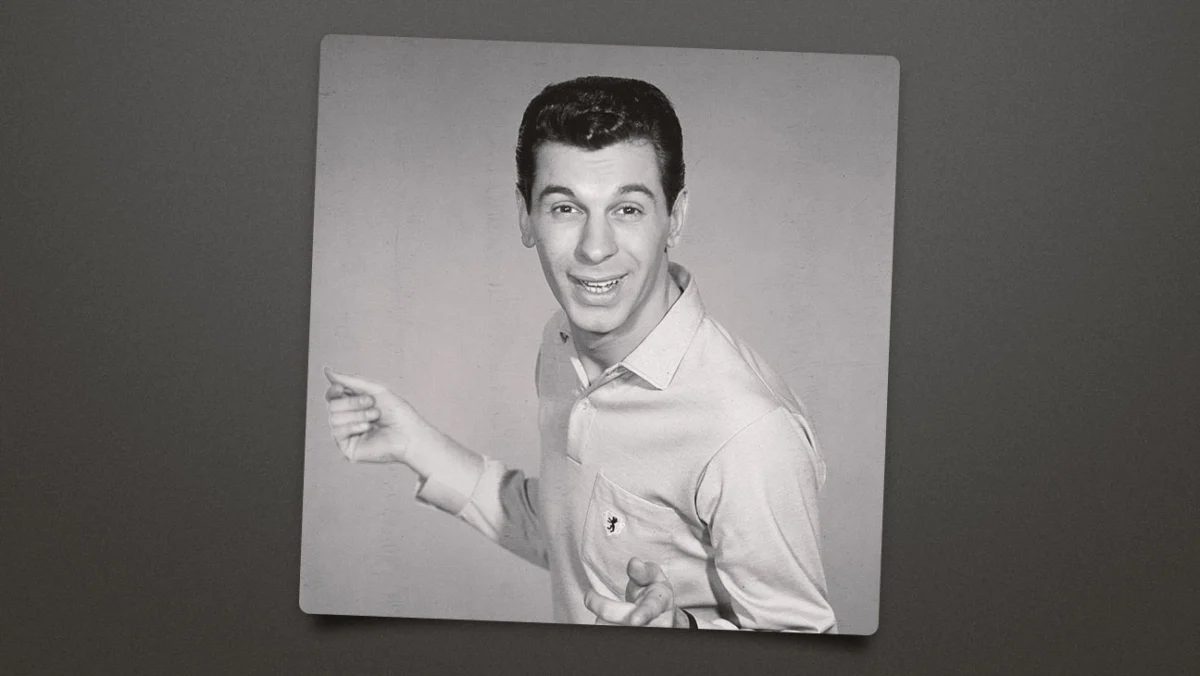
Freddy Cannon, a vibrant force in early rock and roll whose energetic performances and catchy tunes like "Tallahassee Lassie" and "Palisades Park" soundtracked a generation, has died at the age of 89. His passing marks the end of an era for a musician who embodied the youthful exuberance and rebellious spirit of 1950s and 60s pop music. Cannon died on Friday at a hospice facility in California, a somber announcement made by his longtime friend, Tom Cuddy, a prominent figure at iHeart Radio. The news comes just weeks after Cannon was hospitalized, forcing the cancellation of a highly anticipated interview with legendary DJ Cousin Brucie Morrow, scheduled for July 11. He had been taken to the hospital the day prior to his planned appearance, a testament to his continued engagement with his fanbase even in his later years.
A Career Ignited by Dick Clark and a Tallahassee Beat
Born Frederick Anthony Picariello Jr. on December 4, 1936, in Lynn, Massachusetts, Cannon’s musical journey began in his hometown. It was his early recordings, particularly a demo of what would become the infectious hit "Tallahassee Lassie," that caught the attention of a young and influential Dick Clark. Clark, then a rising star in the burgeoning television music scene, recognized the raw talent and infectious energy emanating from the aspiring rocker. This pivotal encounter, coupled with Clark’s encouragement, played a significant role in Cannon’s decision to relocate to Philadelphia in his late teens, a move that would set the stage for his national breakthrough.
"Tallahassee Lassie," officially released in 1959, proved to be more than just a song; it was Cannon’s ticket to stardom. The track rapidly climbed the charts, peaking at a respectable No. 6 on Billboard’s Hot 100, and became his first song to achieve national chart success. This early triumph signaled the arrival of a new voice in popular music, one that blended the raw energy of rock and roll with a distinctly amiable charm. The song’s enduring popularity cemented its place as a classic of the era, often cited as an exemplar of the clean-cut, yet undeniably exciting, sound that captivated young audiences.
The American Bandstand Phenomenon
Following the success of "Tallahassee Lassie," Freddy Cannon became a familiar face on Dick Clark’s iconic television program, American Bandstand. His debut on the weekly dance show, which aired live from Philadelphia, was a watershed moment. Cannon’s charismatic presence and energetic delivery resonated deeply with viewers, leading to a record-breaking number of appearances. Over the years, he graced the American Bandstand stage a remarkable 110 times, a testament to his enduring popularity and his ability to consistently connect with the show’s vast and devoted audience. Each appearance further solidified his status as a teen idol and a pivotal figure in the dissemination of rock and roll music across America.
His performances on American Bandstand were not merely promotional opportunities; they were electrifying showcases of his talent. Cannon’s ability to translate the raw energy of his records into captivating live performances made him a favorite among the show’s dancers and viewers alike. The show provided a crucial platform for artists like Cannon to reach millions of households, shaping musical tastes and cultural trends during a transformative period in American history.
Chart-Topping Success and a Multifaceted Career
Cannon’s career continued to soar with a string of hits that showcased his versatility and knack for crafting memorable melodies. In 1962, he released "Palisades Park," a nostalgic and upbeat ode to a beloved New Jersey amusement park. The song became his highest-charting single, reaching No. 3 on the Billboard Hot 100, and remains one of his most beloved and recognizable songs. Its evocative lyrics and spirited arrangement captured the carefree spirit of summer and teenage fun, resonating with audiences who recalled their own experiences at similar recreational spots.
Beyond these signature hits, Cannon’s discography boasts a rich collection of popular songs that defined his sound. His early 1960s output included the energetic "Jump Over" (1960) and the charming "Chattanooga Shoe Shine Boy" (also 1960), both of which demonstrated his ability to inject new life into existing musical styles. As the decade progressed, he continued to produce hits such as "Abigail Beecher" (1964), "Action" (1965), and "The Dedication Song" (1966), each contributing to his reputation as a consistent hitmaker. These songs, characterized by their driving rhythms, catchy choruses, and often whimsical lyrical themes, cemented his legacy as a purveyor of upbeat and infectious pop music. The sheer volume and consistent quality of his chart success across several years underscore his significant impact on the music landscape of the 1960s.
Beyond the Music: A Creative Force
Freddy Cannon’s influence extended beyond his recording career. In 2011, he offered fans an intimate glimpse into his life and career with the release of his memoir, Where the Action Is!. The title itself echoed the energetic spirit of his music and alluded to his involvement in a television series of the same name, further demonstrating his engagement with various facets of the entertainment industry.
His foray into acting also saw him appear in a number of film and television projects. Cannon’s screen credits include roles in the television series No Time for Sergeants, the science fiction film Village of the Giants, the teen-oriented show Never Too Young, and a memorable appearance on the cult classic horror-comedy program Svengoolie. These diverse roles showcased his willingness to explore different creative avenues and further endeared him to a broad audience, extending his reach beyond the realm of music.
A Legacy of Family and Music
Freddy Cannon’s passing leaves a void in the hearts of his family, friends, and countless fans. He is survived by his children, Conny Weber and Billy Cannon, his sister Mary Lou, his son-in-law Jim, his daughter-in-law Beth, five grandchildren, and seven great-grandchildren. He was preceded in death by his son John, who passed away in April, and his wife Jeanette, who died earlier this year in 2024. The loss of both his son and wife within a short span adds a layer of profound sadness to his departure.
His enduring musical legacy is a vibrant tapestry woven with the threads of infectious melodies, energetic performances, and a spirit of unadulterated joy. Freddy Cannon was more than just a singer; he was a cultural ambassador for a generation, a symbol of the optimism and excitement that defined the dawn of the rock and roll age. His music continues to be celebrated, played, and cherished, ensuring that the "Boom Boom" of Freddy Cannon will echo for generations to come. The impact of his career, spanning decades of radio play, television appearances, and live performances, underscores his significant contribution to the evolution of popular music in America. His ability to consistently deliver upbeat and memorable songs in an era of rapid musical change speaks volumes about his talent and enduring appeal.