A Chronology of Conflict: Balancing Stardom and Sobriety
The documentary highlights a pivotal moment in 2001 when production on the hit NBC sitcom Friends was forced to pause. Roger Costillo, a close friend of the actor, notes that the cast and crew were left waiting while Perry sought professional intervention. “They had to shut down production for a while until Matt worked out what he had going on,” Costillo stated in the film. This period represented a turning point for the show’s producers, who were forced to balance the rigid requirements of network television scheduling with the urgent health needs of their lead actor.
The logistical strain of this period was immense. Perry’s sister, Mia Perry Bowick, offers a poignant perspective on the guilt that plagued her brother during these times. She describes a man caught between his professional obligations and his medical necessity. According to Bowick, Perry felt a profound weight regarding the livelihoods of the hundreds of people involved in the production of Friends. He was acutely aware that a delay in filming impacted the entire crew, yet he recognized that his health was non-negotiable.
Archival Evidence: Perry’s Own Words
Central to the narrative is a 2002 interview between Perry and veteran broadcaster Larry King. In this candid segment, Perry openly discusses the necessity of his departure from the set. “I needed to focus on nothing but sobriety,” Perry told King. He praised the executive producers of Friends, noting that they were “wonderful” and willing to work around his schedule. Rather than replacing him or pressuring him to return prematurely, the show’s leadership opted for a strategy that allowed Perry to seek treatment without the added stress of an immediate professional ultimatum.
This era of the show—specifically the transition from Season 6 to Season 7—serves as a visual timeline of Perry’s health. Following the monumental Season 6 finale, which featured the engagement of Chandler Bing and Monica Geller, fans noticed significant changes in Perry’s physical appearance. As documented in his 2022 memoir, Perry was transparent about these physical fluctuations, noting that his weight served as an external tracker for his internal state. He famously wrote that weight gain often correlated with alcohol consumption, while significant weight loss was typically tied to pill dependency.
The Logistics of a High-Stakes Production
During the production of the seventh season, the strain of managing his health while filming became a daily challenge. Bowick reveals that Perry often commuted between a rehabilitation facility in Malibu and the Warner Bros. set in Burbank. This arrangement was designed to ensure he could fulfill his commitments, particularly as the season culminated in the high-profile wedding of Chandler and Monica.
The atmosphere on set during the filming of the wedding was, by all accounts, one of palpable tension and quiet concern. Family members of the cast were invited to the filming, sensing that they were witnessing a moment that carried weight beyond the script. “There was an incredible amount of shame and guilt that came along with that,” Bowick noted, reflecting on her brother’s state of mind. She recalled watching the wedding scene, noting the raw emotion in Perry’s eyes, which, while fitting for the character of Chandler, was also a manifestation of his own lived reality. The wedding served as a symbol of hope, even as those closest to him questioned what the future held for his long-term recovery.
The Broader Impact: Addiction in the Public Eye
The implications of Perry’s struggle extend far beyond the set of a television show. Throughout the 1990s and early 2000s, the public perception of celebrity addiction was significantly different than it is today. The documentary serves as an important historical artifact, illustrating how the pressure of "must-see TV" often masked the private crises of those who were expected to be perpetual sources of humor and joy.

Statistical data on addiction in the entertainment industry suggests that the combination of erratic working hours, the pressure to maintain a specific public image, and the access to resources often creates a volatile environment for individuals with predispositions toward substance abuse. Perry’s case has become a touchstone for discussions regarding mental health awareness in Hollywood. His willingness to speak openly about his experiences—and the subsequent efforts of his family to share his story post-mortem—has provided a framework for understanding the "unspoken truth" that many in the industry lived with for years.
A Final Farewell: The Reunion at the Funeral
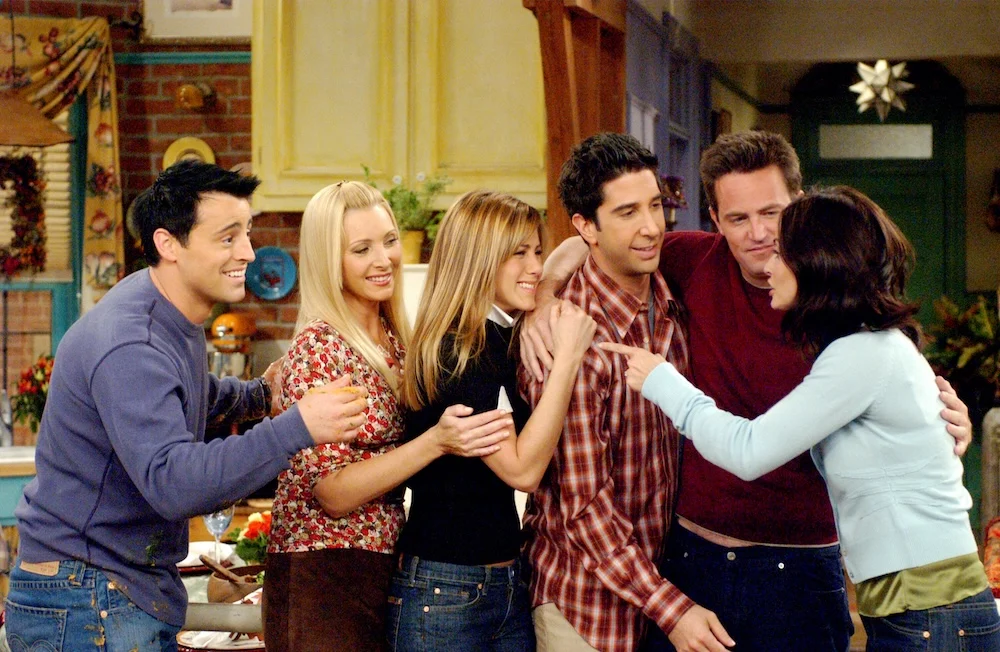
The concluding segment of the documentary provides a moving account of the final gathering of the primary cast of Friends. Following Perry’s death in 2023, the tight-knit group—Jennifer Aniston, Courteney Cox, Lisa Kudrow, David Schwimmer, and Matt LeBlanc—reunited to pay their final respects. Bowick describes the funeral as a small, intimate affair, emphasizing that the cast arrived together.
The emotional resonance of this moment was underscored by the physical act of the cast standing together at the casket. Bowick recalled that seeing the five actors together after two decades was a profound experience, one that underscored the depth of the bonds formed during their ten years on the show. The image of the cast holding hands around their friend was a stark, final image of a journey that began on a soundstage in 1994 and concluded in a private ceremony of grief.
Legacy and Future Implications
The release of The One About Matthew Perry comes at a time when the cultural appreciation for Friends remains at an all-time high, sustained by streaming platforms and a new generation of viewers. However, this documentary ensures that the conversation surrounding the show is not limited to the comedic genius of the writing or the chemistry of the cast. Instead, it invites an exploration of the human cost of that success.
By centering the narrative on the personal struggles of one of its most beloved stars, the documentary encourages a more compassionate analysis of celebrity life. It highlights the necessity of support systems and the reality that professional success is not an indicator of personal well-being. As the entertainment industry continues to grapple with how to better support its talent, the story of Matthew Perry stands as a sobering, yet vital, reminder of the importance of prioritizing health over the demands of the screen.
In the final analysis, the documentary does not seek to cast judgment on the mechanisms of the industry that allowed Perry to work through his addiction, but rather to document the reality of his life. It provides a necessary counter-narrative to the polished, edited version of history that often accompanies long-running television hits. For fans, the insight into the "real" love and support shared among the cast during their most difficult moments offers a sense of closure that the fictional ending of a sitcom could never fully capture.
As time moves forward, the legacy of Matthew Perry will undoubtedly be tied to both the laughter he brought to millions as Chandler Bing and the courage he displayed in speaking openly about his fight for survival. This documentary serves as a final, earnest chapter in that narrative, ensuring that the man behind the character is remembered not just for his talent, but for his humanity.