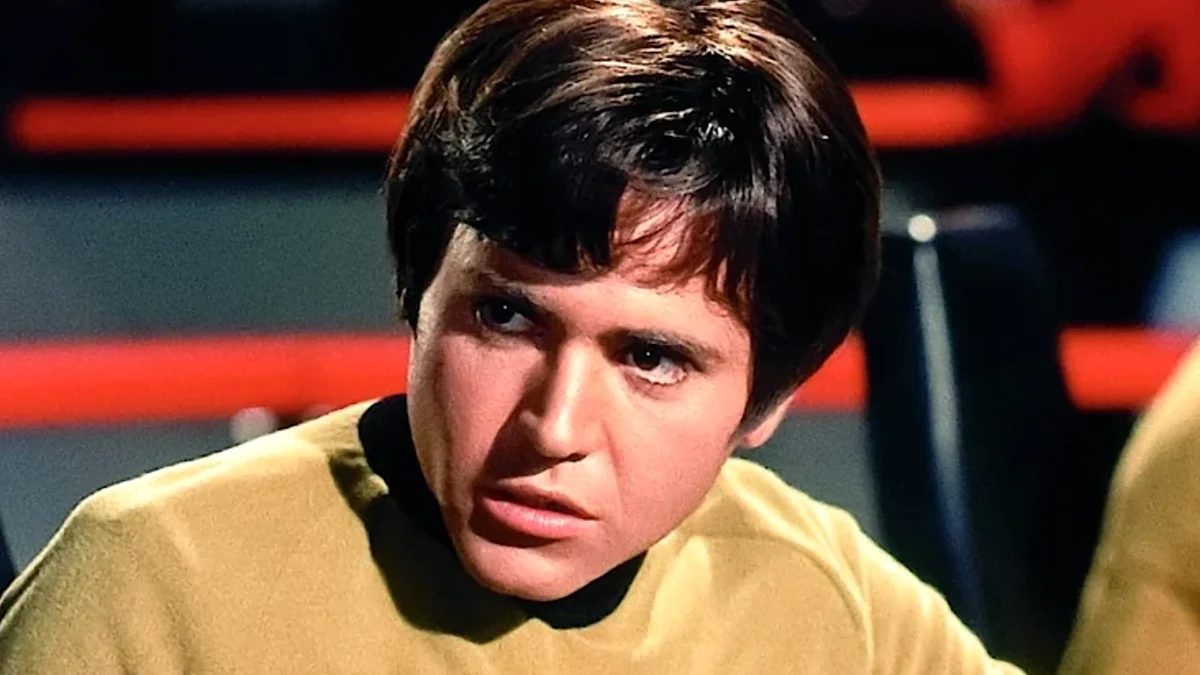
A Life Dedicated to the Craft
Born Marvin Walter Koenig on September 14, 1936, in Chicago, Illinois, his journey to the bridge of the U.S.S. Enterprise was far from conventional. Raised by Lithuanian immigrant parents in the vibrant environment of New York City, Koenig developed an early interest in the performing arts. His academic pursuit of acting led him to the University of California, Los Angeles, before he eventually secured a position at the prestigious Neighborhood Playhouse School of the Theatre in 1958.
During his time at the Playhouse, he trained alongside future luminaries such as James Caan and Christopher Lloyd, refining a naturalistic acting style that would eventually serve him well when he entered the rigorous world of 1960s television production. Before his breakout role as the Russian navigator on Star Trek, Koenig navigated the standard path of a working actor, securing guest appearances on popular series like Mr. Novak and Ben Casey. These roles provided the necessary experience to step into the high-pressure environment of Gene Roddenberry’s second-season cast expansion.
The Star Trek Legacy
Koenig joined the cast of Star Trek: The Original Series in 1967. His introduction as Pavel Chekov in the episode "Amok Time"—directed by Joseph Pevney and written by Theodore Sturgeon—marked a significant moment for the show. At the time, the Cold War was a dominant global narrative, and the inclusion of a Russian crew member on the Enterprise was a bold, optimistic vision of a future where international tensions had been transcended by the pursuit of interstellar exploration.
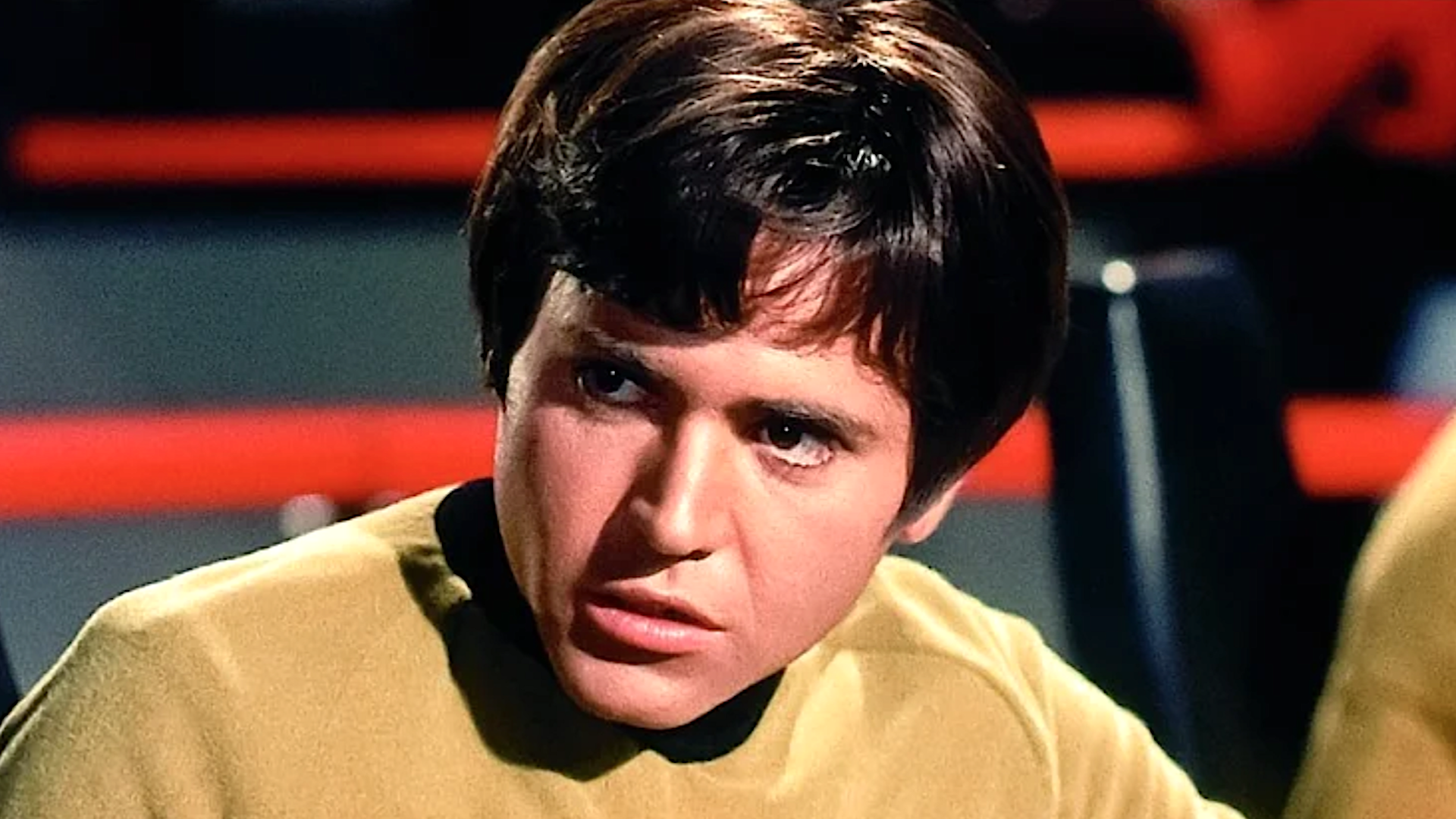
Koenig’s portrayal of Chekov was marked by a distinct, charming enthusiasm. He famously adopted a specific accent, inflecting his "Vs" as "Ws," a stylistic choice he modeled after his own father’s speech patterns. This human touch helped transform Chekov from a background bridge officer into a beloved fan favorite. Between 1967 and 1969, he appeared in 36 of the show’s 50 total installments.
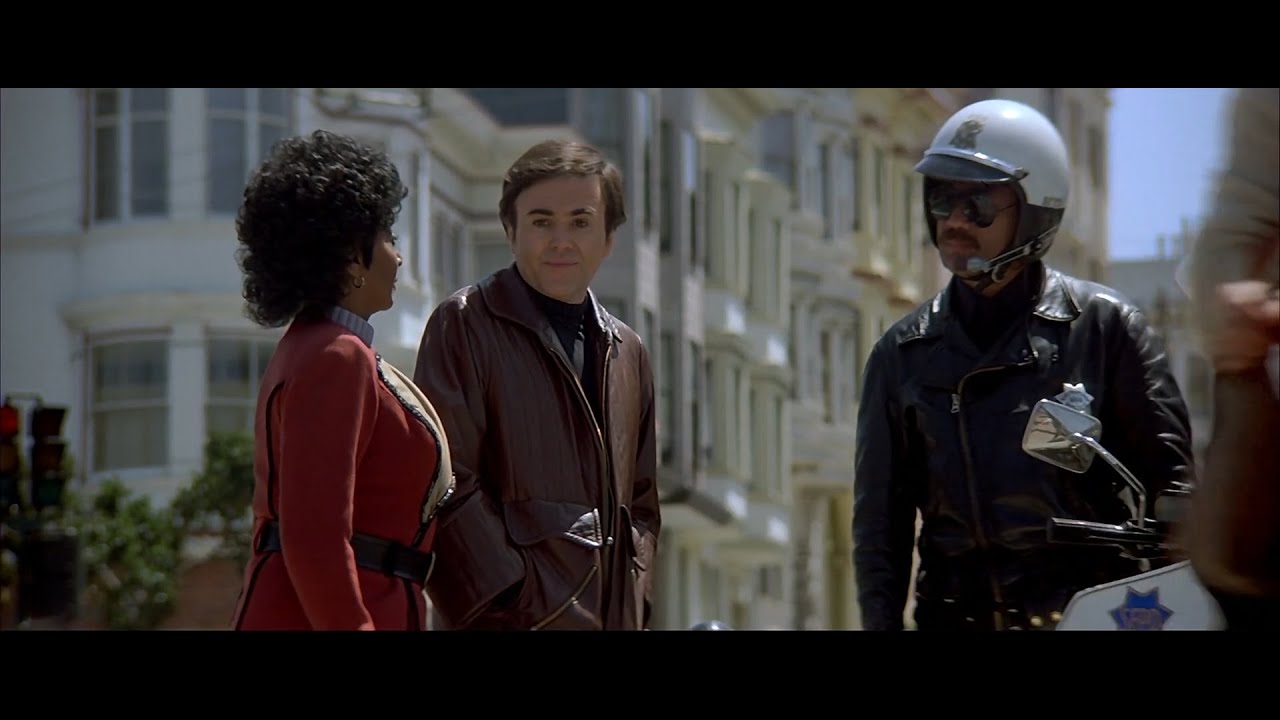
The transition from television to film solidified the legacy of the original cast. Koenig reprised his role for the first seven motion pictures, starting with the ambitious Star Trek: The Motion Picture in 1979 and culminating in his appearance in Star Trek: Generations in 1994. Throughout these films, his character underwent significant growth, eventually moving from the bridge of the Enterprise to the role of Commander aboard the U.S.S. Reliant in the critically acclaimed Star Trek II: The Wrath of Khan. In that film, his performance was pivotal, as he served as the primary victim of Khan’s cruelty on the planet Ceti Alpha V, a sequence that remains one of the most intense in the franchise’s history.
Chronology of a Career
- 1936: Born in Chicago, Illinois.
- 1958: Enrolls in the Neighborhood Playhouse School of the Theatre.
- 1967: Makes his debut as Pavel Chekov in the Star Trek episode "Amok Time."
- 1973: Writes the episode "The Infinite Vulcan" for Star Trek: The Animated Series.
- 1979: Reprises his role as Chekov in Star Trek: The Motion Picture.
- 1982: Plays Commander Chekov in Star Trek II: The Wrath of Khan.
- 1993: Begins his five-year tenure as the antagonist Alfred Bester on Babylon 5.
- 1994: Makes his final appearance as Chekov in Star Trek: Generations.
- 1998: Publishes his autobiography, Warped Factors: A Neurotic’s Guide to the Universe.
- 2020: Releases his memoir, Beaming Up and Getting Off.
Beyond the Enterprise: The Babylon 5 Era
While Star Trek defined his early career, Koenig’s later work proved his range as a character actor. In 1993, he was cast as Alfred Bester in J. Michael Straczynski’s science fiction epic, Babylon 5. Bester was a Psi Cop—a member of the Psi Corps with telepathic abilities—who often acted as the series’ primary antagonist.
Unlike the earnest and eager Chekov, Bester was cold, calculated, and menacing. Koenig’s ability to pivot from the heroic, lighthearted space explorer to a sophisticated, dangerous villain demonstrated his depth. He remained with the show through 1998, with critics often citing his performance as one of the most compelling aspects of the series’ complex geopolitical narrative.
Data and Cultural Impact
The statistical reach of Koenig’s work is substantial. Star Trek remains one of the most syndicated franchises in television history, with the original series having been translated into dozens of languages and viewed by hundreds of millions of people globally over the past 57 years. His involvement in seven major motion pictures provided a continuity that allowed audiences to grow alongside his character, creating a multi-generational emotional bond between the actor and the fandom.
Furthermore, his writing contribution to Star Trek: The Animated Series, specifically the episode "The Infinite Vulcan," showcased a behind-the-scenes intellect that many casual viewers overlooked. As a writer, he helped shape the lore of the franchise during a period when the show was finding its footing in the animation space.
Reflections and Industry Response
The loss of Walter Koenig is being felt deeply within the tight-knit community of surviving original Star Trek cast members. While official statements from his former co-stars are pending, the sentiment among the science fiction community is one of profound respect. Koenig was frequently praised at conventions for his accessibility, his dry wit, and his willingness to engage with fans who viewed him not just as an actor, but as a representative of an era that redefined television science fiction.
His literary contributions also serve as a final testament to his life. His 1998 autobiography, Warped Factors, provided fans with an honest, often humorous look at the pressures of Hollywood and the "neurotic" side of being a cult icon. His 2020 memoir, Beaming Up and Getting Off, offered a more reflective, mature perspective on his long life and the changing landscape of the entertainment industry.
Implications and Legacy
The death of Walter Koenig marks the passing of yet another pillar of the original Star Trek bridge crew, leaving fans to contemplate the inevitable closing of a chapter in television history. His life, from his roots in the immigrant neighborhoods of New York to his status as a sci-fi icon, serves as an archetypal American success story.
Beyond his specific roles, Koenig’s impact lies in his consistency. He remained a working, dedicated actor who understood the value of his contribution to the medium. He helped establish a blueprint for the "ensemble cast" that remains the standard for television today. As the industry reflects on his passing, it is clear that his legacy will endure—not just in the reruns of the Enterprise’s voyages, but in the memories of the thousands of fans he interacted with and the colleagues he inspired over his nine decades of life. He is survived by his daughter, the screenwriter and actress Danielle Koenig, who continues the family tradition of storytelling in Hollywood.