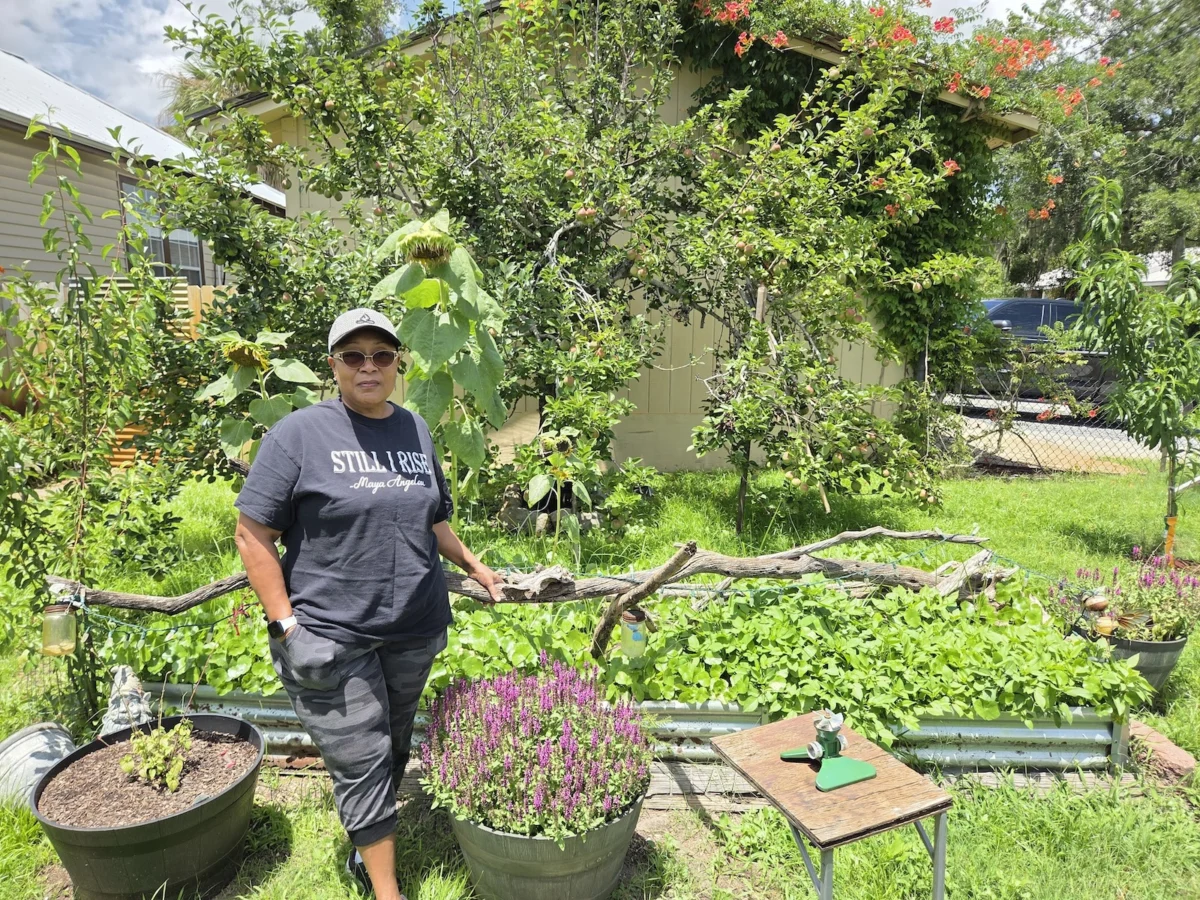
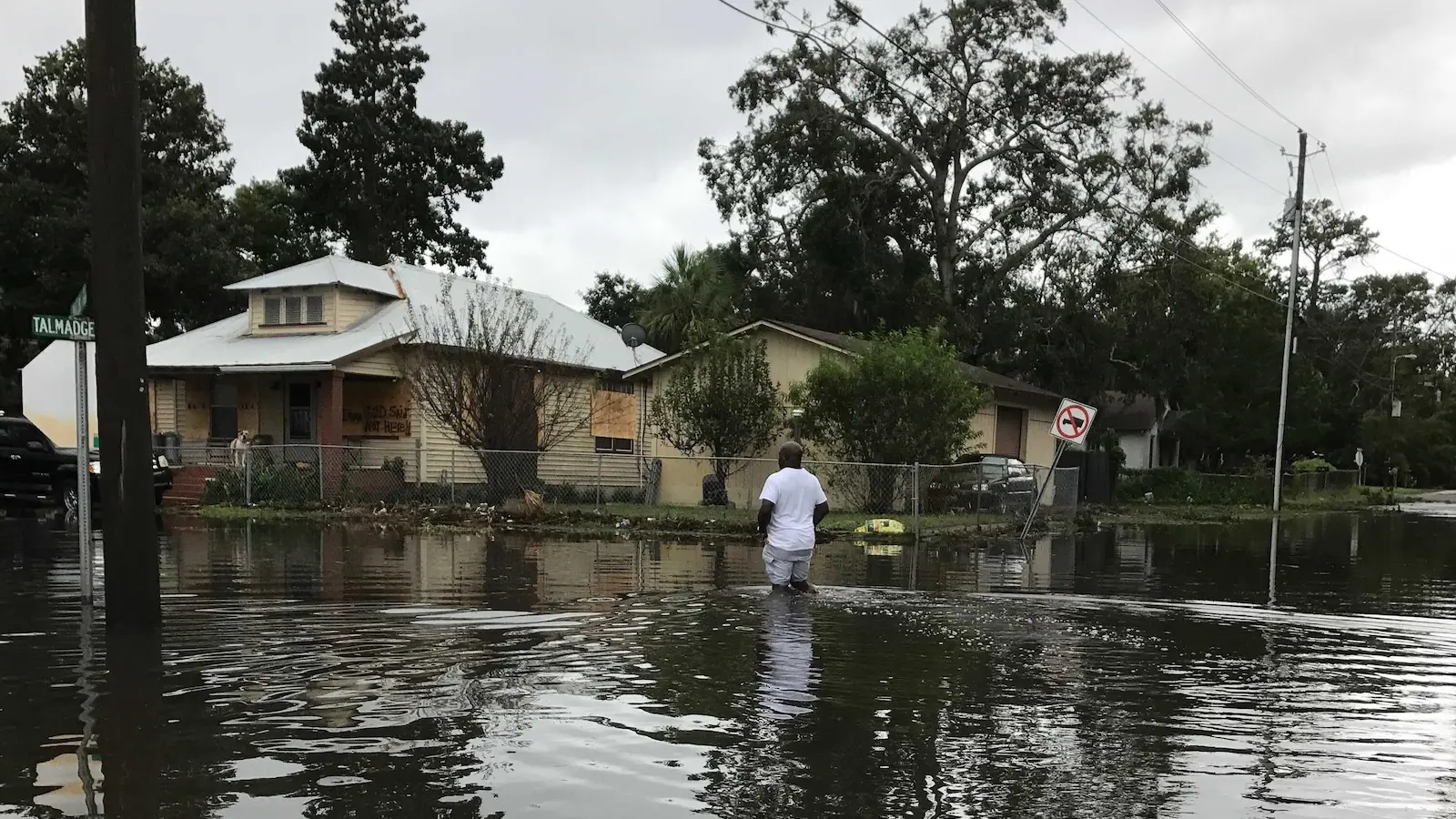
In the coastal city of Brunswick, Georgia, the intersection of industrial history and environmental vulnerability has created a precarious reality for local residents. Semona Holmes, a resident whose home is nestled among fruit trees and a fish pond, faces a recurring threat that transcends simple weather patterns. When heavy rains coincide with high tides, her street transforms into a waterway. While the immediate inconvenience of knee-deep floodwater is a significant burden, the deeper concern for Holmes and her neighbors lies in what that water carries. Located just half a mile from a former pesticide plant—now a federally designated Superfund site—the community fears that decades of industrial toxins are being mobilized by the very tides and storms that define coastal life.
To address these long-standing anxieties and provide a scientific foundation for future safety, a consortium of six major research institutions is launching Georgia’s first dedicated Superfund research center. Backed by a $15 million grant from the National Institute of Environmental Health Sciences (NIEHS), this five-year initiative marks a pivotal moment in the state’s environmental history. Researchers from Emory University, the University of Georgia (UGA), Georgia Institute of Technology, Morehouse School of Medicine, Spelman College, and Texas Tech University will collaborate to investigate the environmental and biological impacts of four primary toxic sites located within Glynn County.
The Human Face of Environmental Contamination
For residents like Semona Holmes, the arrival of high-level scientific scrutiny is a long-overdue acknowledgment of a lived reality. Holmes describes a landscape where the boundaries between industrial waste and residential life have blurred. During extreme weather events, such as the hurricanes that have battered the Georgia coast in recent years, the flooding has been so severe that neighbors have navigated the streets by canoe. The primary concern is not just the water, but the "chemical soup" it potentially represents.
"Everything from that chemical plant has flowed into our community," Holmes stated, reflecting a sentiment shared by many in Brunswick who have spent decades living in the shadow of industrial giants. The fear is palpable and practical: Holmes and her family avoid drinking tap water and have ceased eating seafood harvested from local Glynn County waterways. With six grandchildren, some of whom attend an elementary school located only blocks from a contaminated site, the stakes are intergenerational. The community’s primary demand is for transparency regarding what chemicals have entered their bodies and what the long-term health consequences might be.
Understanding the Superfund Legacy in Glynn County
The Superfund program, officially known as the Comprehensive Environmental Response, Compensation, and Liability Act (CERCLA), was established by Congress in 1980. Its purpose is to allow the Environmental Protection Agency (EPA) to clean up contaminated sites where hazardous substances have been dumped, left out in the open, or otherwise improperly managed. Glynn County is home to four such sites on the National Priorities List (NPL), a concentration that makes the area a critical case study for environmental health.
The four sites under investigation include:
- LCP Chemicals: A 750-acre site formerly used for the manufacture of chlorine, caustic soda, and various chemicals. It is notorious for heavy mercury and PCB (polychlorinated biphenyl) contamination in the surrounding marshes.
- Hercules 009 Landfill: A former disposal area for toxaphene, a persistent organic pollutant used as a pesticide.
- Terry Creek Dredge Spoil Areas: Contaminated by outfall from the Hercules plant, this site contains high levels of toxaphene in the sediment.
- Brunswick Wood Preserving: A site where creosote and other wood-treating chemicals were used, leading to groundwater and soil contamination.
These sites represent a legacy of 20th-century industrialization that provided jobs but left behind a complex tapestry of heavy metals, pesticides, and volatile organic compounds.
A Multi-Disciplinary Scientific Approach
The newly established research center aims to move beyond simple monitoring toward a comprehensive understanding of "exposure pathways." Noah Scovronick, an assistant professor of environmental health at Emory University’s Rollins School of Public Health, emphasizes that the work is bifurcated into understanding the past and protecting the future.
The research team will employ various methodologies to achieve these goals. Biomonitoring will be used to analyze biological samples from residents to identify markers of chemical exposure. Simultaneously, environmental sampling of soil, air, and water will help map how toxins move from industrial sites into residential neighborhoods. By integrating data from Morehouse School of Medicine and Spelman College, the project also places a heavy emphasis on environmental justice, ensuring that the health of historically marginalized communities—who often live closest to these sites—is prioritized.
The involvement of Georgia Tech and the University of Georgia brings expertise in engineering and ecology, which is essential for modeling how these contaminants interact with the local ecosystem. Texas Tech University contributes specialized knowledge in toxicology, providing the analytical tools necessary to link specific chemical exposures to observed health outcomes.
The Compounding Threat of Climate Change
A unique and critical aspect of this five-year study is the integration of climate change modeling. Coastal Georgia is on the front lines of sea-level rise and increasing storm intensity. For Superfund sites, many of which rely on "capping"—a process where contaminated soil is covered with fabric and clean dirt to prevent exposure—rising water levels pose a structural threat.
As sea levels rise, the water table also rises, potentially saturating contaminated soil from below and bypassing surface caps. Furthermore, increased storm surges can erode these protective barriers. "We want to be sure that the remediation that is ongoing at those sites is resilient to extreme weather moving forward," Scovronick noted. The research will simulate various climate scenarios to determine if current containment strategies are sufficient to withstand the "100-year storms" that are now occurring with much higher frequency.
Data from the National Oceanic and Atmospheric Administration (NOAA) indicates that the Georgia coast could see an additional 10 to 12 inches of sea-level rise by 2050. In a low-lying area like Brunswick, even a few inches of rise can dramatically alter the drainage patterns of the city’s stormwater system, potentially backing up toxic runoff into residential streets during high tides.
Environmental Justice and Community Engagement
The launch of the Superfund research center is not merely a top-down scientific endeavor; it was designed in consultation with Glynn County residents. For years, local activists and community members have documented health trends in their neighborhoods, often feeling that their concerns were dismissed by industrial interests or government agencies.
The inclusion of Spelman and Morehouse—two of the nation’s premier Historically Black Colleges and Universities (HBCUs)—is a strategic move to build trust and ensure that the research is culturally sensitive and community-driven. Residents like Holmes argue that scientific documentation is a form of validation. Even if the research uncovers damage that cannot be reversed, having a factual record acknowledged by the scientific community and the companies responsible is a necessary step toward accountability.
"It shows that you care about humanity," Holmes said, emphasizing that acknowledgment of the contamination is the first step toward the "continued action" required to remediate the land and support the health of the population.
Broader Implications and Future Outlook
The findings of the Georgia Superfund research center are expected to have implications far beyond the borders of Glynn County. As one of the first major studies to explicitly link Superfund site integrity with climate resilience in a coastal environment, the data generated will likely inform EPA policies nationwide.
There are more than 1,300 Superfund sites across the United States, many of which are located in coastal or flood-prone areas. As the planet warms and weather patterns become more volatile, the "containment and cap" strategy used for the last 40 years may no longer be viable. The work in Brunswick will serve as a laboratory for developing new, more resilient remediation techniques that account for a changing environment.
For the people of Brunswick, the next five years represent a period of both hope and apprehension. While the $15 million investment brings world-class scientific resources to their doorstep, it also promises to uncover the full extent of the environmental challenges they face. For grandmothers like Semona Holmes, the goal remains simple: a future where children can play on a playground without the fear of what lies beneath the soil, and where a rising tide is merely a natural occurrence rather than a herald of industrial toxins.
As the research consortium begins its environmental sampling and health assessments, the eyes of the state and the nation will be on Glynn County, watching how a community and a team of scientists work together to reconcile a toxic past with an uncertain future.