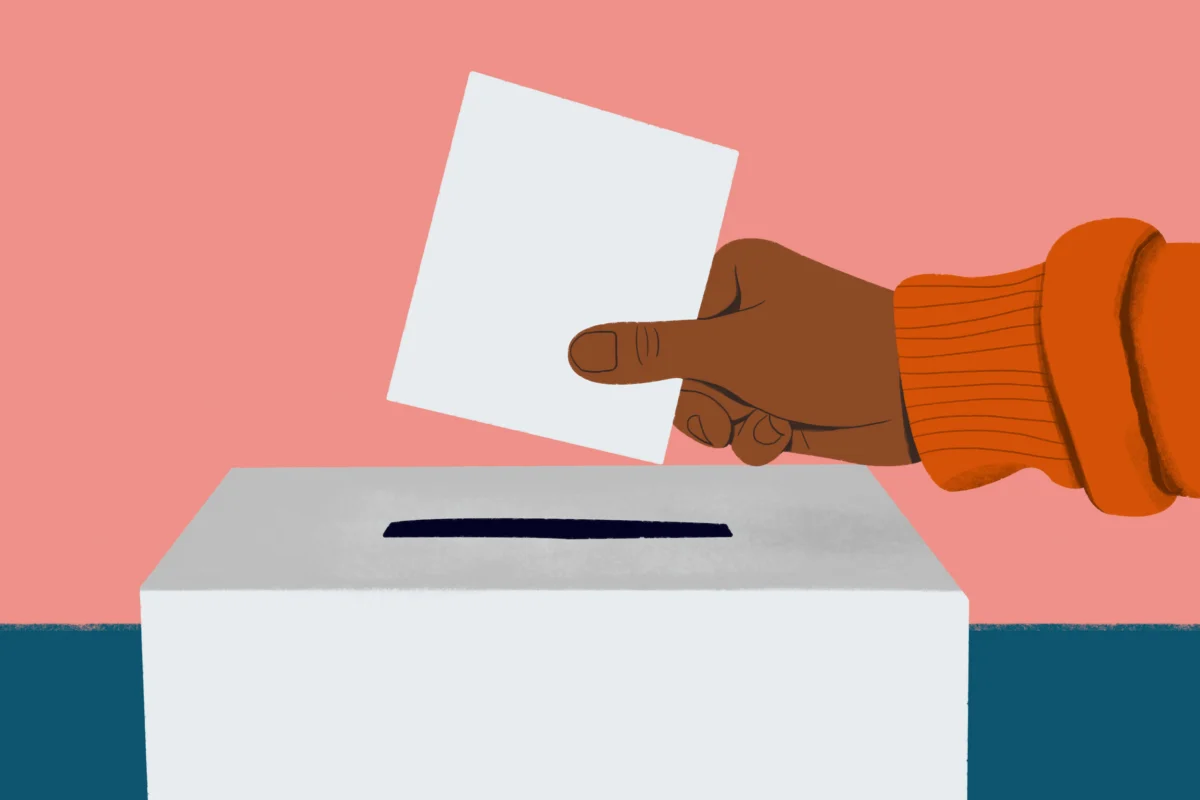
As the United States inches closer to the high-stakes midterm elections, an old and deeply familiar anxiety is once again dominating kitchen-table conversations across the country: the relentless, seemingly unstoppable surge in the cost of medical care. With healthcare prices projected to climb even higher next year, political candidates from both sides of the aisle are finding themselves forced to address a weary and increasingly frustrated electorate. The burden of medical inflation is no longer a distant macroeconomic policy debate; it is an immediate, daily crisis for millions of American families grappling with affordability.
The growing public anger surrounding medical expenses threatens to reshape the political landscape, functioning as a primary motivator for voters at the ballot box. Policy experts note that the current financial strain mirrors the economic conditions of the early 2000s—a period of skyrocketing medical inflation that ultimately catalyzed the intense legislative battles leading to the passage of the landmark Affordable Care Act (ACA) in 2010. Today, as households confront compounding pressures from inflation, stagnant wage growth, and escalating medical bills, healthcare policy has re-emerged as a decisive electoral battleground.
The Anatomy of Modern Medical Debt and Out-of-Pocket Pain
The core of the current voter discontent lies not merely in the sticker price of health insurance premiums, but in the insidious expansion of out-of-pocket expenses. Over the past decade, employers and insurers have increasingly shifted financial risk onto consumers through high-deductible health plans (HDHPs). While these plans often feature lower monthly premium payments, they require patients to pay thousands of dollars out of pocket before insurance coverage actually begins.
During a recent appearance on WAMU’s Health Hub, KFF Health News chief Washington correspondent Julie Rovner illuminated the expanding financial squeeze facing everyday patients. Rovner, who also hosts the widely followed What the Health? From KFF Health News podcast, emphasized that the public’s financial distress extends far beyond traditional coverage costs.
"We’re seeing people have to pay more in their — not just premiums — but their deductibles, how much they pay before their insurance kicks in, and how much they pay when they go to the doctor," Rovner explained during the broadcast.
This escalating financial barrier has fundamentally altered the patient experience. In previous decades, receiving medical care followed a predictable sequence: a patient visited a physician, received treatment, and weeks later received an explanation of benefits followed by a bill from the provider. Today, that administrative workflow has been upended by widespread financial precautions implemented by healthcare systems struggling with their own operational costs and uncompensated care.
It has become increasingly common for patients to be confronted with immediate financial demands before a physician even diagnoses their symptoms. "Now you get there, and they say, ‘Can we have your credit card?’ before you even get to go in and get your care," Rovner noted, illustrating the jarring reality of modern healthcare consumerism. This practice of demanding upfront payment or keeping credit card information on file for automatic billing underscores the deep friction between patients seeking healing and institutions seeking guaranteed revenue.
A Chronology of Crisis: How Healthcare Costs Reclaimed the Political Spotlight
To understand why healthcare is once again dominating the political discourse, it is necessary to examine the historical trajectory of medical inflation and legislative intervention over the past quarter-century.
The Early 2000s: The Prelude to Reform
At the turn of the century, double-digit percentage increases in health insurance premiums became the norm. Employers, struggling to absorb these costs, began shifting the financial burden onto workers by introducing higher deductibles and reducing coverage tiers. Public outcry mounted as medical debt became a leading cause of personal bankruptcy in the United States. This widespread dissatisfaction created the political momentum that eventually culminated in the 2008 presidential election debates and the subsequent passage of the Affordable Care Act in 2010, which aimed to expand coverage access and introduce consumer protections.
The 2010s: Implementation and Stabilization Struggles
Following the passage of the ACA, the uninsured rate dropped to historic lows, and provisions such as allowing young adults to stay on their parents’ plans until age 26 and protecting individuals with pre-existing conditions transformed the market. However, while the law successfully expanded coverage, it did not comprehensively solve the underlying drivers of medical cost inflation—such as the rising prices of prescription drugs, consolidated hospital systems, and administrative waste. Premiums in the individual marketplaces experienced sharp corrections in the mid-2010s, keeping healthcare at the forefront of political contention through successive election cycles.
The Pandemic and Post-COVID Inflationary Pressures
The COVID-19 pandemic temporarily altered utilization patterns, as elective procedures were paused and federal emergency declarations injected funding into the healthcare system, including temporary subsidies for ACA marketplace plans through the American Rescue Plan and the Inflation Reduction Act. However, as the public health emergency subsided, structural cost pressures returned with a vengeance. Labor shortages, burnout-driven wage increases for nurses and support staff, and rising costs for medical supplies and pharmaceuticals drove providers to demand higher reimbursement rates from commercial insurers. These higher rates are now directly translating into escalating premiums, copays, and deductibles for consumers heading into the next legislative cycle.
Supporting Data and Economic Realities
The anecdotal frustrations voiced by patients are heavily backed by economic data compiled by federal agencies and independent health policy research organizations.
According to data from KFF (formerly the Kaiser Family Foundation), the average annual premium for employer-sponsored family health coverage has steadily outpaced both worker wage growth and overall inflation over the past decade. In recent analyses, family coverage premiums have regularly hovered around or exceeded $22,000 to $24,000 annually, with employees paying a significant portion of that total out of pocket through payroll deductions.
Furthermore, the average general annual deductible for single coverage has risen dramatically since the early 2010s. More than half of all workers enrolled in employer-sponsored health plans are now in a high-deductible plan, often facing deductibles exceeding $1,500 for individuals and well over $3,000 for families. For families living paycheck to paycheck, an unexpected medical emergency requiring payment toward a high deductible can instantly trigger a financial emergency.
Prescription drug costs continue to serve as another major driver of medical inflation. While the recently enacted Inflation Reduction Act granted Medicare the authority to negotiate prices for certain high-cost drugs and capped insulin prices for seniors, commercial drug spending for the broader population continues to climb, driven by expensive specialty medications, biologics, and novel therapies.
Political Landscapes and Candidate Strategies
As midterm elections draw nearer, political strategists on both sides of the aisle are keenly aware that healthcare affordability is a potent, bipartisan concern. However, the proposed solutions from Democrats and Republicans diverge sharply, reflecting fundamentally different philosophies on the role of government in the healthcare marketplace.
Democratic Platforms: Expanding Access and Strengthening Protections
Democratic candidates are generally focusing their campaigns on defending and expanding existing legislative achievements, such as the Affordable Care Act and the provisions within the Inflation Reduction Act. Key proposals from the left include:
- Making the temporary enhanced subsidies for ACA marketplace plans permanent to prevent premium spikes for millions of enrollees.
- Expanding Medicare negotiation powers to cover a broader array of prescription drugs and extending the $35 monthly insulin cap to the commercial insurance market.
- Implementing stricter federal oversight of hospital consolidation and surprise medical billing to protect consumers from predatory pricing practices.
- Closing Medicaid coverage gaps in states that have thus far refused to expand the program under the ACA.
Republican Platforms: Market-Driven Reforms and Price Transparency
Republican candidates approach the healthcare affordability crisis through the lens of free-market competition, deregulation, and consumer empowerment. Key proposals from the right include:
- Expanding the use and flexibility of Health Savings Accounts (HSAs), allowing individuals to save pre-tax dollars for medical expenses with fewer regulatory restrictions.
- Promoting aggressive price transparency initiatives, compelling hospitals and insurance companies to publicly disclose negotiated rates so patients can shop around for affordable care.
- Encouraging association health plans and interstate insurance sales to increase competition and drive down premium costs.
- Reforming medical malpractice laws to reduce defensive medicine practices and lower liability insurance costs for physicians.
Despite these distinct ideological approaches, both parties recognize that ignoring voter anxiety over medical expenses carries severe political consequences.
Broader Implications for the U.S. Healthcare Ecosystem
The convergence of rising medical costs and midterm election politics highlights deep-seated vulnerabilities within the American healthcare financing model. The friction observed in clinical settings—such as demands for upfront credit card payments—is a symptom of a system caught between escalating delivery costs and mounting consumer insolvency.
If healthcare prices continue to outpace wage growth, the long-term implications for public health and economic stability are profound. When patients face prohibitive deductibles and upfront fees, many are forced to delay or forgo necessary medical care. Preventive screenings are skipped, chronic conditions go unmanaged, and minor ailments are allowed to progress into acute, expensive medical emergencies. This deferred care ultimately drives up the total cost of the healthcare system, as emergency room visits and intensive interventions are exponentially more expensive than routine outpatient management.
Moreover, the psychological toll of medical debt creates persistent chronic stress for American families, impacting overall well-being and productivity. As candidates debate policy prescriptions on the campaign trail, the fundamental question facing the nation remains unresolved: how to reconcile the imperative for high-quality, advanced medical innovation with the democratic necessity of universal affordability.
As voters head to the polls in the upcoming midterm elections, their votes will not only determine the balance of legislative power in Washington but will also send a clear, unequivocal message to policymakers about the urgent need for structural reform in an ailing healthcare economy.