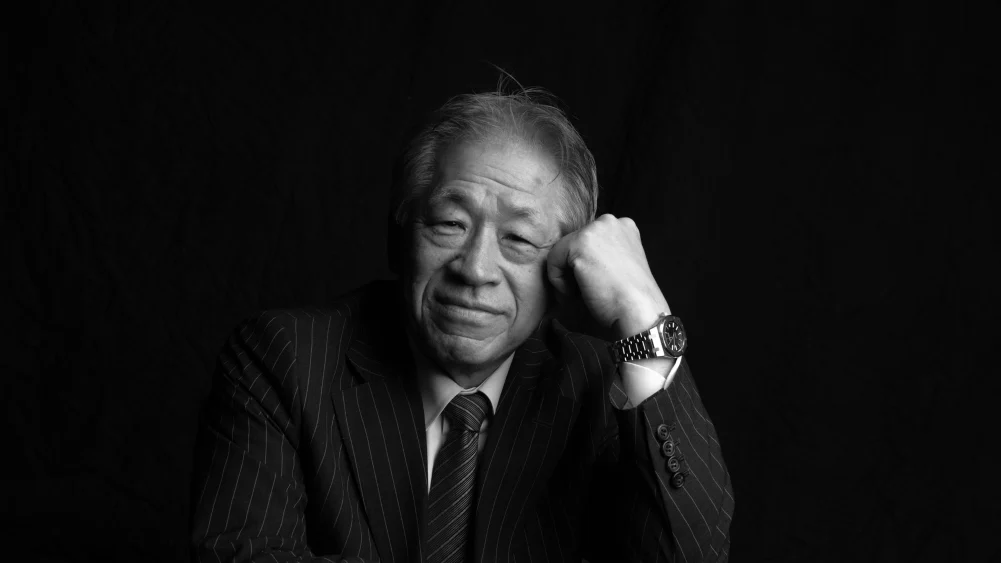
The Japanese government has set a formidable objective: to achieve JPY 20 trillion ($126.6 billion) in overseas content sales by 2033. At the heart of this strategy lies the nation’s powerhouse animation sector, which is projected to contribute JPY 6 trillion ($38 billion) toward that figure. However, achieving these numbers requires more than just high-quality creative output; it demands a fundamental structural overhaul of how Japanese entertainment companies conceive, distribute, and monetize their intellectual property (IP). Shiina Yasushi, CEO of TIFFCOM—the content market attached to the Tokyo International Film Festival (TIFF), which is now entering its 23rd edition—argues that the industry is at a pivotal crossroads.
A Legacy of Passive Licensing
For decades, the standard operating procedure for Japanese production companies involved a passive approach to international expansion. Firms would typically license their content rights to foreign distributors, effectively washing their hands of the marketing, distribution, and long-term brand management once the contract was signed. While this model provided immediate, low-risk revenue, it deprived Japanese studios of the downstream profits that constitute the bulk of modern media earnings.
Shiina contends that if Japan wishes to emulate the global dominance of Hollywood, it must abandon this "licensing-out" mentality. The Hollywood blueprint, which has defined the global entertainment landscape for nearly a century, is predicated on vertical integration. Major studios established their own distribution networks in individual countries, allowing them to control the messaging, timing, and revenue streams of their properties. By retaining ownership of their IP, Japanese companies can ensure that a single story—whether it originates in a manga, a live-action series, or an anime—is leveraged across multiple platforms, including film, gaming, streaming services, and merchandising.
The Evolution of the Tokyo Market
TIFFCOM, which serves as the professional nexus for this transition, has undergone significant transformation over its two-decade history. Originally conceived as a marketplace for international sales agents to trade finished content, the event has evolved into a sophisticated, project-driven hub.
The current landscape of the market reflects a broader shift toward "IP-driven industry" practices. Today, the floor at TIFFCOM is occupied not only by film and television sales agents but by a diverse ecosystem of anime studios, book publishers, toy manufacturers, and video game developers. The presence of global streaming giants—who have fundamentally altered the economics of content consumption—has further diversified the attendee list, pushing Japanese participants to think in terms of global reach from the inception of a project.
Chronology and Strategic Milestones
The current push for structural reform is not a sudden development but the culmination of a decade of institutional efforts:
- 2002–2010: TIFFCOM establishes its reputation as a regional hub for finished content sales, primarily focusing on Asian markets.
- 2015–2020: The Japanese government begins to emphasize the "Cool Japan" strategy, signaling a desire to elevate the export value of domestic pop culture.
- 2022: The Tokyo Gap-Financing Market (TGFM) gains traction, moving beyond basic eligibility rules to actively curate programs based on specific regional and genre partnerships, such as the collaboration with Italy.
- 2023: Japan’s high-profile presence as the "Country of Honor" at the Cannes Film Market marks a turning point. The delegation shifts from being mere sellers of films to a comprehensive representation of studios, directors, and publishers seeking strategic partnerships.
- 2024: The 23rd edition of TIFFCOM focuses on the integration of AI in storytelling and the formalization of international co-production frameworks.
Institutional Shifts and Industry Reactions
Major Japanese players have already begun to pivot. TBS has entered into a strategic collaboration with the U.S.-based Legendary Entertainment, signaling a move toward international co-production. Simultaneously, Nippon TV is aggressively expanding its international distribution footprint, and traditional publishing houses are increasingly seeking to bridge the gap between literature and global screen adaptations.
"In the past, the very concept of the long-term value of IP was not widely considered," Shiina notes. "Today, even talent agencies are beginning to pay attention to IP, recognizing that the properties a performer works on can continue to generate revenue long after the individual has retired from the spotlight."
This transition is being met with a measure of caution, particularly regarding the rights of creators. As studios begin to keep their IP and build internal business units, there is a mounting pressure to address historical grievances within the animation industry, such as low pay, excessive working hours, and the subcontractor-heavy labor model. Legislative efforts, including new laws protecting freelancers and industry-wide work-style reforms, are slowly beginning to provide a safety net for the creative talent that powers these massive franchises.
The AI Frontier and Creative Protection
Perhaps the most significant challenge facing the industry is the integration of Artificial Intelligence. At this year’s TIFFCOM, the keynote address features executives from AGBO—the production company founded by the Russo brothers—to discuss the ethical and practical application of AI in storytelling.
Shiina expresses concern regarding how rights will be managed in an AI-assisted environment, emphasizing that the industry cannot afford to be reactive. "The critical priority is how to protect creators," he says. He acknowledges that while opting out of AI is no longer a realistic strategy, the industry must develop robust, cross-border frameworks to ensure that technology serves the creator rather than replacing them. The goal is to lower production costs and shorten turnaround times without eroding the value of human authorship.
Broader Implications and Future Outlook
The ambition to turn Tokyo into a global financing hub is supported by the unique nature of its IP. Unlike markets that rely solely on finished content, Tokyo offers a point of direct engagement. "International partners can engage in face-to-face dialogue with creators—the original authors, the directors, and the screenwriters," Shiina explains. This proximity is a competitive advantage that Hong Kong’s FilMart or Busan’s Asian Contents & Film Market cannot replicate in quite the same way.
The success of these efforts will ultimately be measured by the participation of domestic companies. Shiina believes that international attendance is a lagging indicator; once Japanese companies fully embrace the strategy of global integration and proactive IP management, the international professionals will naturally follow.
Looking toward 2030, the vision for TIFFCOM is one of significant physical and operational expansion. The market aims to move beyond a trade floor and into a comprehensive "marketplace of ideas," where producers, directors, investors, and technologists converge to build the next generation of global media franchises. By sustaining a virtuous cycle of professional development, international partnership, and structural reform, Japan is positioning itself not just as a content exporter, but as a dominant architect of the future global entertainment landscape.
While the road to JPY 20 trillion is steep, the consensus among industry leaders is that the era of passive licensing has ended. The new era requires a synthesis of Japan’s unmatched creative output with the disciplined, aggressive business strategies that have sustained Hollywood’s influence for nearly a century. As TIFFCOM continues to evolve, it remains the primary laboratory for this historic industrial transformation.