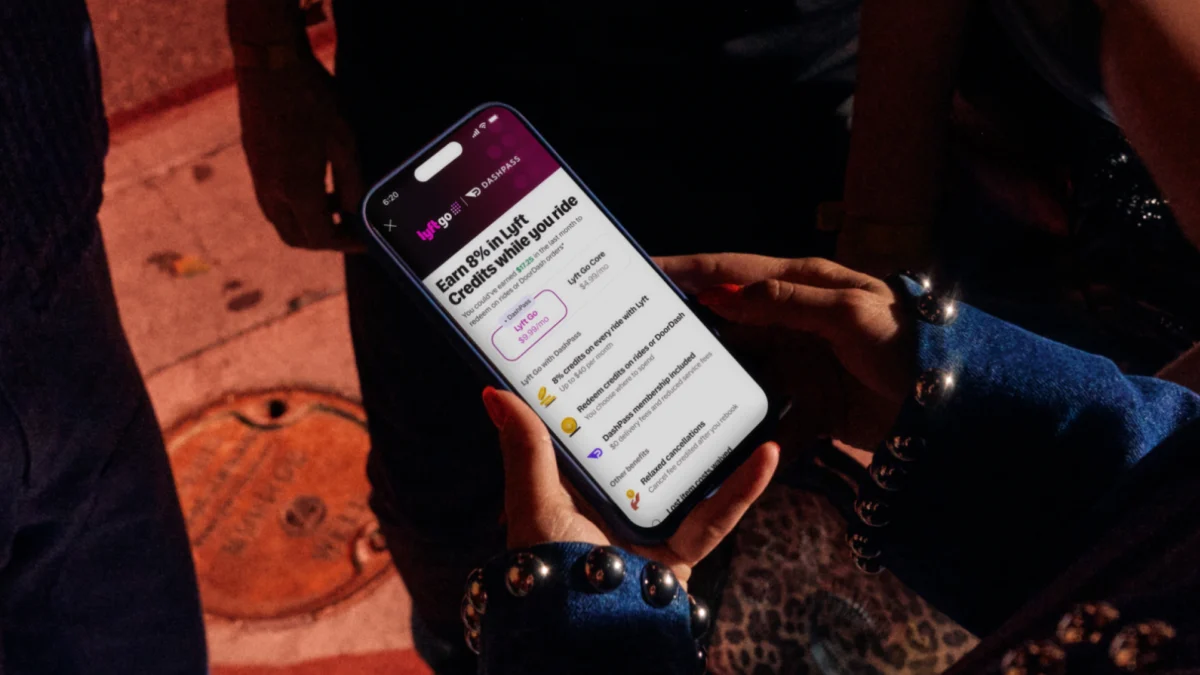
The ride-sharing landscape underwent a significant structural transformation today as Lyft officially retired its legacy "Lyft Pink" branding in favor of a new membership tier titled "Lyft Go." This strategic pivot, developed in tandem with long-term partner DoorDash, marks a fundamental shift in how the company incentivizes rider loyalty, moving away from flat-rate discounts toward a credit-based ecosystem that favors high-frequency users while phasing out specialized perks for airport travelers.
The Shift from Pink to Go: A Strategic Overview
The launch of Lyft Go represents the next phase of the integrated partnership between the two gig-economy giants. Under the new model, the program is bifurcated into two distinct offerings: "Lyft Go with DashPass" and "Lyft Go Core." The former, priced at $9.99 per month or $96 annually, serves as a premium tier that bundles DashPass benefits directly into the ride-sharing subscription. The latter, priced at $4.99 per month, functions as a entry-level loyalty program focused exclusively on ride-specific rewards.
For the average commuter, the most notable change is the transition from a 10% discount on scheduled airport rides and Priority Pickup upgrades to a flat 8% earnings credit on eligible spend. This shift underscores a broader trend in the tech industry: moving from immediate, upfront discounts to "loyalty loops" that keep consumers within the platform ecosystem by requiring them to redeem earned credits on future transactions.
Membership Tiers and Benefit Structures
To understand the financial implications of this transition, one must analyze the specific metrics of the two new tiers.
Lyft Go with DashPass ($9.99/mo or $96/yr):

- Earnings: 8% back in credits on eligible Lyft rides.
- Cap: Up to $40 in monthly credits.
- Redemption: Credits are valid for either future Lyft rides or qualifying DoorDash orders.
- Added Perks: Includes DashPass membership, waiving delivery fees and reducing service fees on qualifying food orders.
- Ancillary Benefits: Three relaxed cancellations per month and an unlimited waiver of fees for the return of lost items.
Lyft Go Core ($4.99/mo):
- Earnings: 5% back in credits on eligible Lyft rides.
- Cap: Up to $20 in monthly credits.
- Redemption: Credits are strictly limited to eligible Lyft rides.
- Added Perks: Includes three relaxed cancellations per month; however, it excludes the lost-item return fee waiver and DoorDash integrations.
Both tiers maintain a 100% matching policy for the "Round Up & Donate" program, ensuring that charitable contributions made by riders are doubled by the platform.
The Chronology of the Transition
The rollout of Lyft Go is not instantaneous for existing users, creating a transitional period that requires active management from the consumer. According to official documentation, the legacy benefits previously enjoyed by DashPass subscribers—which included specific ride-related discounts—will remain active only until 11:59 p.m. Pacific Time on November 11, or until a user manually activates their new Lyft Go account, whichever occurs first.
For current Lyft Pink All Access members—a legacy tier that is now officially closed to new sign-ups—the transition is more complex. Lyft has stated that users cannot hold both a legacy Pink membership and a new Go membership simultaneously. Those who wish to migrate to the new structure must contact customer support to terminate their existing plan. Furthermore, the company has clarified that once a user leaves the All Access program, they are permanently barred from re-entering, effectively signaling the sunsetting of that specific loyalty product.
The "Stacking" Strategy: Maximizing Rewards
The new program is designed to integrate into the existing "stacking" strategies used by frequent travelers and credit card enthusiasts. By linking a qualifying Chase credit card—specifically those that offer complimentary DashPass—users can now claim Lyft Go at no additional cost.
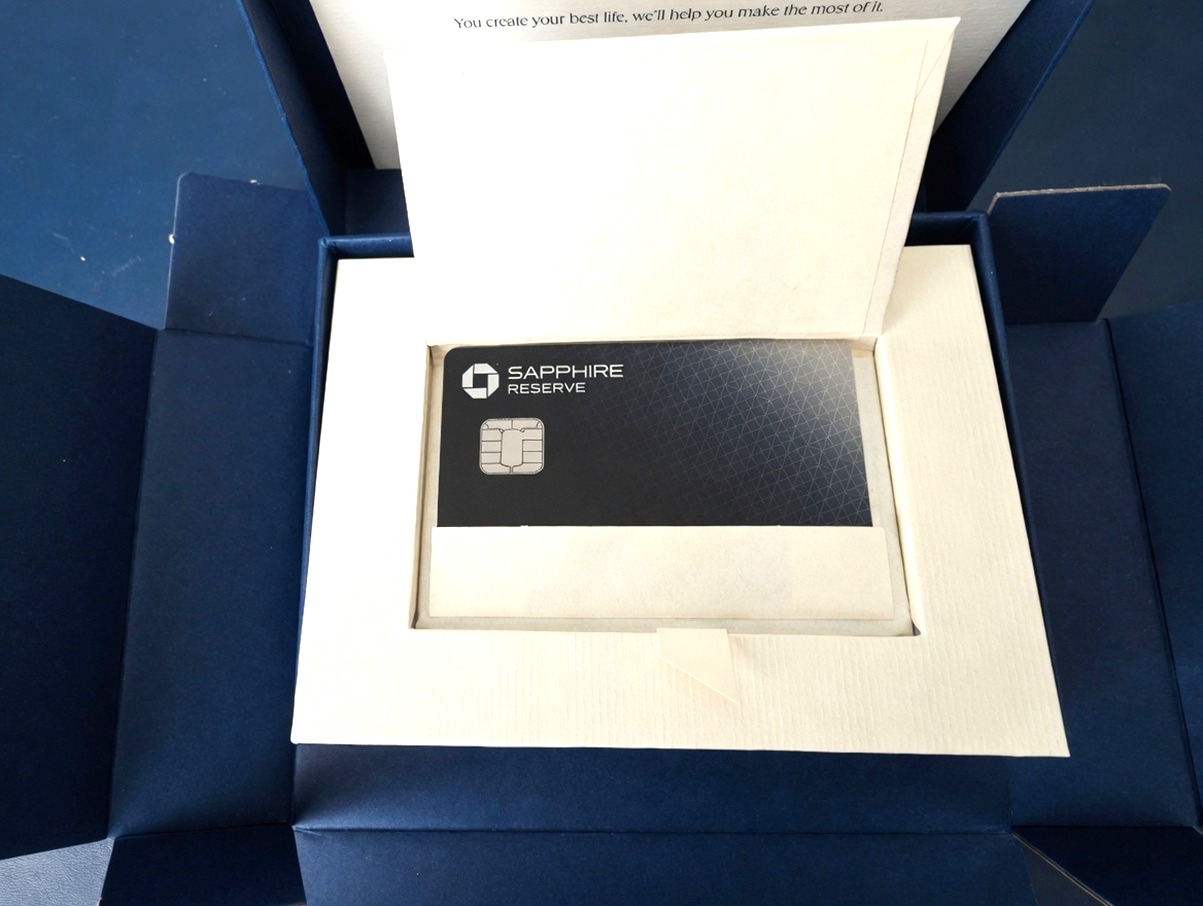
This creates a multi-layered rewards environment. A user paying for a $100 ride with a premium card, such as a Chase Sapphire Reserve, can potentially capitalize on four distinct value streams:

- Lyft Go Credits: 8% back ($8 in credits).
- Loyalty Points: Points accrued through a chosen partner such as Bilt, Alaska Airlines, or United.
- Credit Card Rewards: Standard travel points (e.g., 500 Chase Ultimate Rewards points).
- Platform Credits: The recurring $10 monthly ride credit provided by premium cards like the Sapphire Reserve or J.P. Morgan Reserve.
This complexity is by design, intended to make the Lyft ecosystem "stickier" for high-net-worth individuals who already leverage these credit cards for travel and dining.
Analytical Implications: Who Wins and Who Loses?
A critical analysis of the program reveals a clear divide in the impact on user demographics.
The "Winner": The High-Frequency Commuter
For the user who takes multiple rides per week for work or leisure, the move to an 8% credit system is an improvement over the previous cap-limited discount structures. Because the earnings continue beyond the first four rides of the month, the total value proposition increases for heavy users who previously hit the ceiling on discount eligibility.
The "Loser": The Occasional Airport Traveler
The segment most negatively affected is the occasional traveler who relied heavily on the 10% discount for scheduled airport rides. By losing this percentage-based discount and the Priority Pickup upgrades, these users are effectively seeing a price increase on their most expensive rides. Furthermore, because these credits must be used on future rides, the "savings" are no longer immediate, forcing a mandatory repeat purchase to realize the benefit.
Operational Exclusions and Limitations
The fine print of the Lyft Go launch contains several caveats that users should note to avoid service gaps. Business profile rides and shared rides are categorically excluded from earning credit. While bike and scooter rides are generally eligible, the program excludes these modes in the Boston and Washington, D.C. markets.
Additionally, the "relaxed cancellation" policy has been clarified by the company to prevent abuse. This is not a "free" cancellation; rather, the user is charged the standard fee, which is then returned as a credit only if the user completes a replacement ride within a 15-minute window. This ensures that the platform retains the revenue from the cancellation if the user chooses to abandon the app entirely.
Broader Market Context
Lyft’s decision to pivot toward this credit-based loyalty model reflects a broader strategy of capital preservation and user retention. By issuing credits rather than offering upfront discounts, Lyft improves its cash flow; it only incurs a cost when a user chooses to transact again.
Moreover, the deep integration with DoorDash is a defensive move in an increasingly competitive "super-app" environment. By intertwining the two services, both companies create a synergistic effect where the cost of entry into one ecosystem provides immediate value in the other, effectively increasing the "switching costs" for consumers who might otherwise consider competitors like Uber.
As of the date of this report, both companies continue to navigate the logistical challenges of migrating millions of accounts. Users are encouraged to verify their account status through the updated Lyft app and ensure their DoorDash link remains active, as the transition does not occur automatically for all existing account holders. With the November 11 deadline approaching, the industry will be watching closely to see if this shift toward a more complex, credit-centric loyalty structure successfully boosts user retention or if it alienates the casual base that valued the simplicity of the previous discount model.