Microsoft Surface Pro vs. Surface Laptop: A Definitive Comparison for Productivity and Portability
The Microsoft Surface line represents a significant convergence of laptop and tablet computing, offering users devices that can adapt to a wide range of workflows. At the forefront of this innovation are two distinct yet related product families: the Surface Pro and the Surface Laptop. While both bear the Surface branding and share a commitment to premium design and functionality, they cater to different user needs and priorities. This article provides a comprehensive, SEO-friendly deep dive into the Microsoft Surface Pro and Surface Laptop, dissecting their features, performance, target audiences, and ultimately, helping potential buyers make an informed decision.
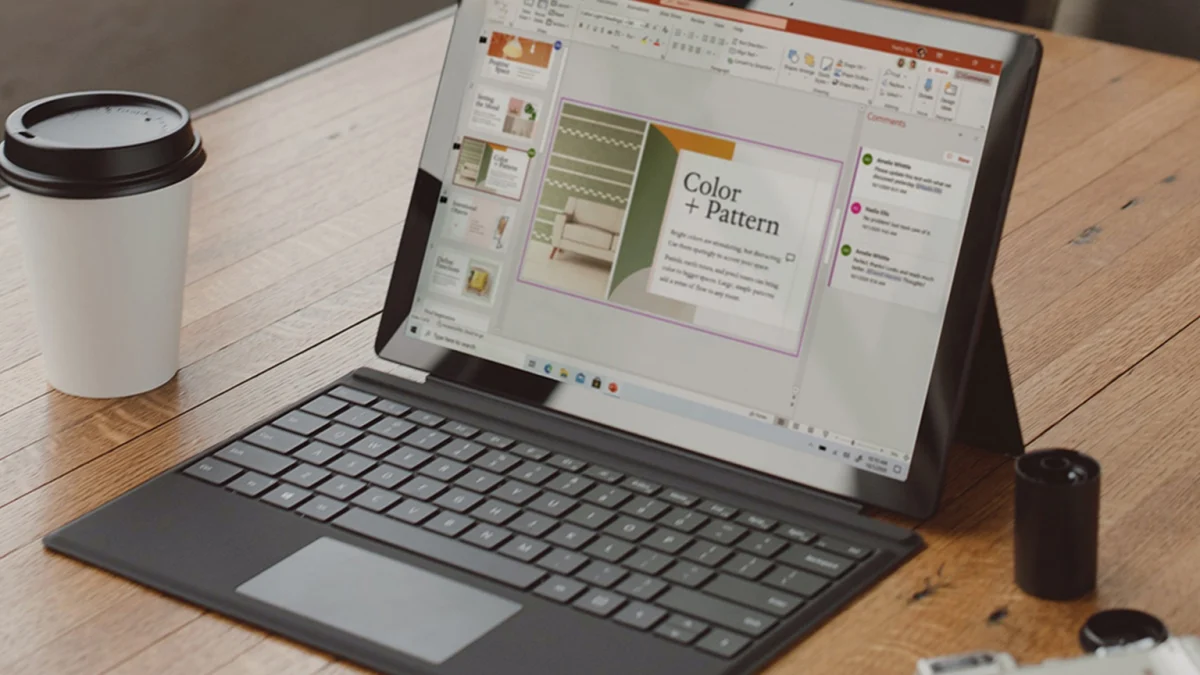
The Surface Pro, in its various iterations, has consistently defined the 2-in-1 detachable category. Its core identity lies in its tablet-first design, characterized by a kickstand that allows it to transform into a makeshift laptop with the addition of a detachable Type Cover keyboard. This versatility makes the Surface Pro an exceptionally adaptable device. For professionals, artists, and students who require the portability of a tablet for note-taking, sketching, or presentations, but also need a fully functional Windows laptop for more intensive tasks like document creation, coding, or graphic design, the Surface Pro excels. Its portability is paramount; it’s designed to be carried and used in a multitude of environments, from a coffee shop to a boardroom. The inherent flexibility means it can seamlessly transition from a drawing surface to a typing machine without compromising on the core Windows experience.
The Surface Laptop, on the other hand, is a more traditional clamshell laptop. Its design prioritizes a premium, unibody construction, often featuring an Alcantara fabric keyboard deck for a tactile and sophisticated feel. The Surface Laptop is built for users who value a robust laptop experience without the need for a detachable form factor. It offers a more conventional, yet highly refined, computing solution for everyday tasks, productivity software, and even some light creative work. Its strength lies in its solid build quality, excellent keyboard and trackpad, and a consistently pleasing visual aesthetic. Unlike the Surface Pro’s adaptable kickstand, the Surface Laptop’s screen is fixed in its relationship to the base, offering a stable and familiar laptop setup.
Performance is a critical differentiator. The Surface Pro, especially in its higher-end configurations, often packs powerful Intel Core processors, ample RAM, and fast SSD storage, making it capable of handling demanding applications. The latest Surface Pro models leverage Intel’s latest generations of processors, offering significant performance gains for multitasking, complex computations, and even light video editing. The ability to run full desktop applications, coupled with the option of stylus input for precise control, makes it a formidable productivity tool for creative professionals and power users alike. However, it’s important to note that the compact form factor of the Surface Pro can sometimes lead to thermal throttling under sustained heavy loads compared to a thicker, more aggressively cooled laptop.
The Surface Laptop also offers strong performance, typically featuring similar Intel Core processors and SSD configurations. Its advantage in performance often stems from a more robust cooling system, allowing for sustained peak performance for longer durations without significant throttling. This makes it a more reliable choice for users who consistently push their machines with demanding software for extended periods, such as developers compiling code or designers working on large projects. The overall user experience on a Surface Laptop is one of smooth, responsive operation for a wide array of productivity and entertainment tasks.
The display is a hallmark of the Surface brand, and both the Pro and Laptop lines feature exceptional screens. The Surface Pro boasts a high-resolution PixelSense display, known for its vibrant colors, excellent contrast, and sharp details. Crucially, the Surface Pro display is touch-enabled and pen-compatible, transforming it into a digital canvas. This is a key selling point for artists, designers, and anyone who benefits from direct interaction with their screen. The aspect ratio, often 3:2, is also optimized for vertical scrolling and document viewing, which many users find advantageous for productivity.
The Surface Laptop also features a stunning PixelSense display, offering a similar level of visual fidelity. While it is also touch-enabled, the focus is less on pen input as a primary mode of interaction and more on a fluid touch experience for navigation and casual use. The aspect ratio is typically the same 3:2, providing the same productivity benefits as the Surface Pro’s screen. The clarity, brightness, and color accuracy of both displays are consistently top-tier, making them a pleasure to work on.
When considering the ecosystem and accessories, both devices integrate seamlessly with Microsoft’s vast Windows ecosystem. However, the Surface Pro’s detachable nature necessitates specific accessories for its laptop functionality. The Surface Type Cover is an essential purchase for any Pro user looking for a laptop-like typing experience. These covers not only provide a physical keyboard but also a trackpad and often add a layer of protection. The Surface Pen, sold separately, is another critical accessory for the Surface Pro, unlocking its full potential as a digital drawing and note-taking device. The Pro’s built-in kickstand also allows for a wider range of viewing angles without external support.
The Surface Laptop, being a traditional laptop, has its keyboard and trackpad integrated. While it supports a stylus for touch input, the primary interaction method remains keyboard and mouse/trackpad. It’s compatible with a wide range of third-party peripherals and accessories, but the core functionality is self-contained. This "all-in-one" nature simplifies the initial purchase and reduces the need for additional essential accessories.
The target audience for the Surface Pro is broad but leans towards individuals who value extreme portability and adaptability. This includes mobile professionals who frequently present, take notes in meetings, or work in diverse environments. Artists and designers who leverage pen input for their creative work will find the Surface Pro indispensable. Students who need a device that can function as a laptop for coursework and a tablet for lectures and study sessions are also prime candidates. Essentially, anyone who needs to switch between different modes of interaction and prioritize a highly portable, flexible computing solution will benefit from the Surface Pro.
The Surface Laptop is designed for users who prefer a dedicated laptop experience with a premium build and exceptional usability. This includes business professionals who spend their days in spreadsheets, presentations, and email. Students who primarily use their device for typing, research, and general productivity will also find it an excellent choice. Content creators who need a reliable machine for writing, light photo editing, and general workflow management will appreciate its solid performance and comfortable typing experience. It’s for the user who wants a beautiful, powerful, and dependable laptop that excels at everyday tasks and can handle more demanding applications without compromise.
Battery life is a crucial consideration for portable devices. Both the Surface Pro and Surface Laptop generally offer good to excellent battery life, allowing for a full workday on a single charge for most typical usage scenarios. However, actual battery performance will vary significantly based on screen brightness, the intensity of the applications being run, and Wi-Fi connectivity. Microsoft often quotes impressive battery life figures, but real-world usage is the best metric. Users who require prolonged unplugged operation should always consider their specific workflow when evaluating battery claims.
Connectivity options are generally robust on both lines. You’ll find USB-A and USB-C ports, a headphone jack, and often a microSD card reader on both. The Surface Pro typically includes a Surface Connect port for charging and docking, while the Surface Laptop also utilizes this for charging. Wi-Fi and Bluetooth are standard. The choice between them might come down to the specific ports needed for your workflow; for instance, if you rely heavily on legacy USB-A devices, ensure the model you choose has sufficient ports or consider a USB-C hub.
In terms of software, both devices run Windows 11, offering the full desktop operating system experience. This means compatibility with virtually all Windows applications, from Microsoft Office to Adobe Creative Suite and beyond. The Surface Pro’s tablet mode is particularly well-integrated with Windows, offering a touch-friendly interface for apps designed for that purpose. The Surface Laptop offers a seamless Windows experience in its traditional laptop form factor.
The price point of both the Surface Pro and Surface Laptop can vary significantly based on configuration. The Surface Pro, especially when factoring in the cost of a Type Cover and Surface Pen, can become a considerable investment. However, its versatility often justifies the price for those who truly utilize its 2-in-1 capabilities. The Surface Laptop generally offers a more straightforward pricing structure, with the device itself encompassing all its core functionality. Both lines represent premium devices, and their pricing reflects their build quality, performance, and brand reputation.
When making a decision between the Microsoft Surface Pro and the Surface Laptop, consider your primary use case. If you need a device that can effortlessly switch between being a tablet for sketching and note-taking and a laptop for typing and productivity, the Surface Pro is the clear winner. Its adaptability is its superpower. If you prioritize a traditional, robust laptop experience with a premium build, an exceptional keyboard, and a stunning display, and don’t require the tablet-first functionality or detachable nature, the Surface Laptop is likely the better fit. Both are excellent machines, but they cater to distinct needs within the modern computing landscape. Ultimately, the "best" device is the one that aligns most closely with your individual workflow and priorities.