
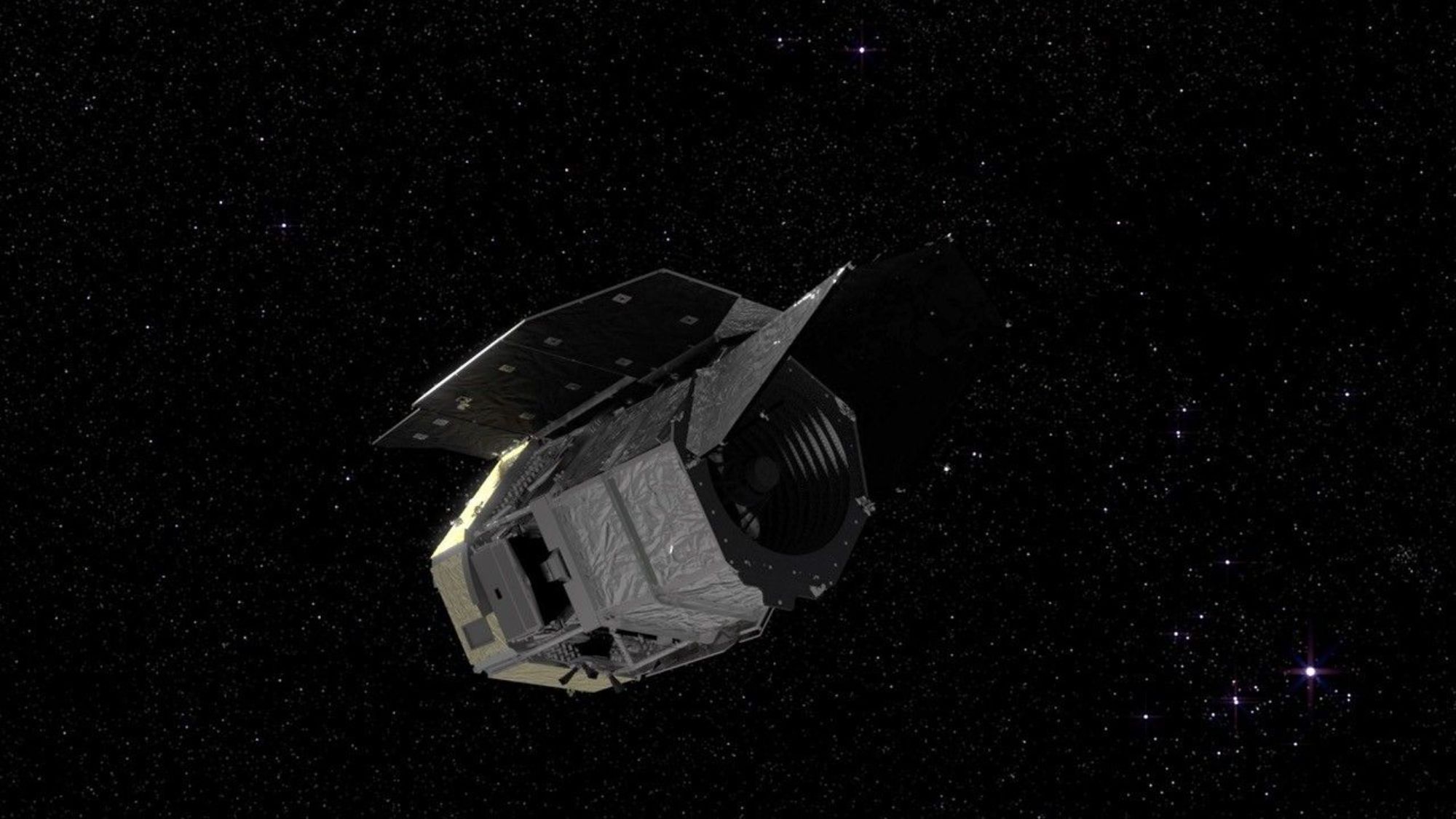
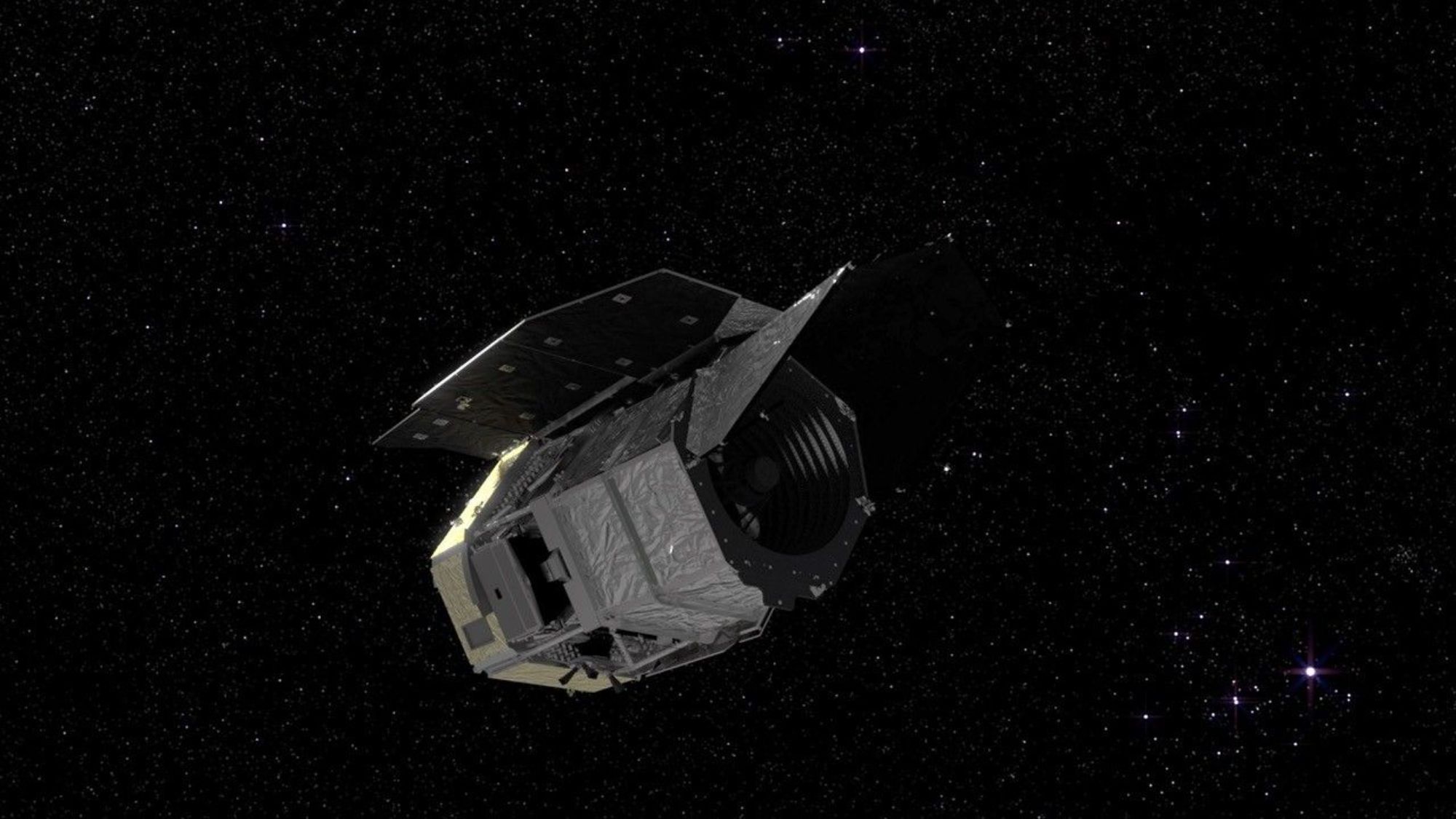
The Nancy Grace Roman Space Telescope, NASA’s newest flagship observatory, has secured a remarkable extension to its operational lifespan, potentially operating well into the late 2040s. Following a near-perfect launch trajectory and meticulous fuel management during its initial transit phase, mission controllers at NASA’s Goddard Space Flight Center have confirmed that the spacecraft possesses enough propellant to conduct scientific observations for at least 22 years. This development fundamentally alters the mission’s outlook, effectively doubling the anticipated scientific output of a project originally designed for a ten-year duration.
A Masterclass in Orbital Dynamics
The mission’s extended longevity is the result of a compounding series of efficiencies, beginning with the physical construction of the telescope itself. During the design and integration phases, engineers must account for a "maximum allowable mass" to ensure that the launch vehicle—in this case, a SpaceX Falcon 9—can successfully deliver the payload to its intended destination.
The Roman Space Telescope was initially built to a weight threshold of 21,605 pounds (9,800 kilograms). However, as the final assembly concluded, the spacecraft weighed in at a significantly lighter 17,760 pounds (8,065 kilograms). This mass reduction provided a rare window of opportunity for the mission’s propulsion team. By capitalizing on the surplus capacity, NASA opted to load the propellant tanks to their maximum volume, rather than stopping at the minimum amount required for a ten-year mission.
Alison Rao, the lead for Roman’s propulsion systems at NASA Goddard, emphasized the necessity of this "wiggle room." In spacecraft engineering, mass fluctuations are common, and setting a conservative propellant budget is a standard risk-mitigation strategy. Because the final mass was lower than initial projections, the team was able to ensure the spacecraft launched with a fuel surplus, setting the stage for an extended operational life.
The Journey to L2: A Chronology of Precision
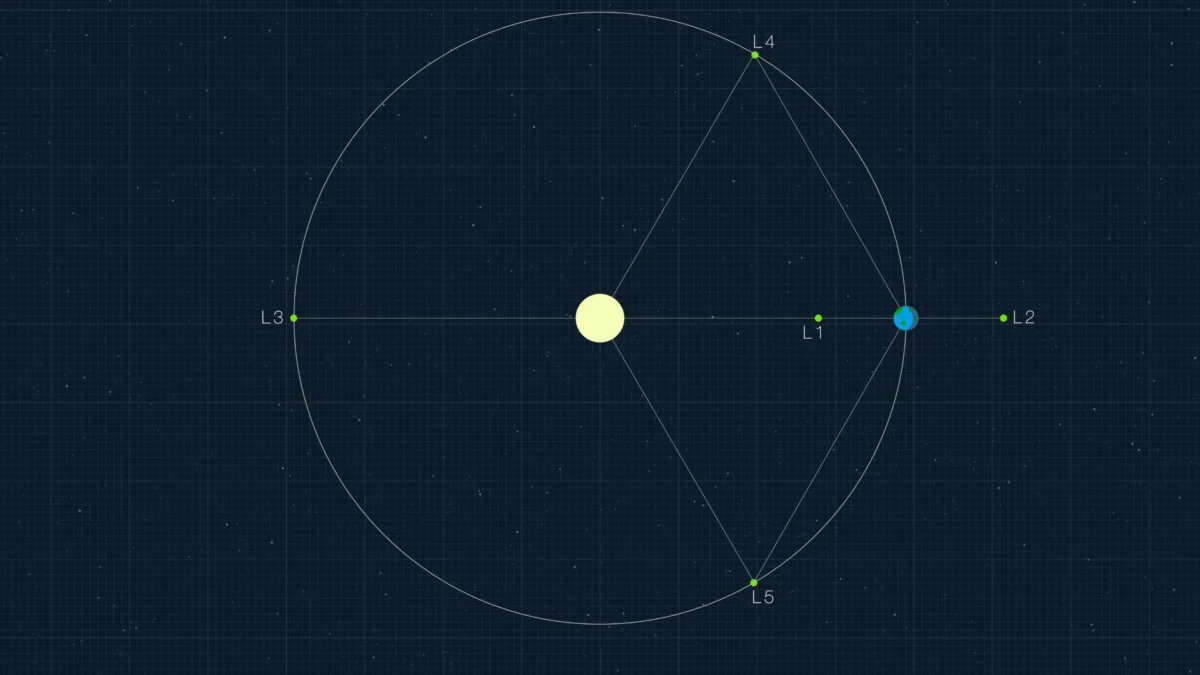
The mission’s success in orbit is inextricably linked to the events that occurred immediately following its August 30 liftoff from Cape Canaveral. The telescope is currently navigating toward the second Lagrange point (L2), a gravitationally stable position located approximately 1.5 million kilometers (roughly 1 million miles) from Earth, on the side opposite the Sun. This location provides an ideal vantage point for deep-space observations, keeping the telescope shielded from the intense heat and light of the Sun and Earth.
Within 24 hours of its launch, the Roman Space Telescope executed a critical three-minute engine burn. This maneuver was designed to place the observatory on a precise trajectory toward L2. The execution of this burn was remarkably accurate, achieving a 99% success rate in its intended heading. Because of this precision, the spacecraft consumed only 40 pounds (18 kilograms) of fuel—a tiny fraction of the 441 pounds (200 kilograms) originally budgeted for the maneuver. This single event effectively added four years of operational potential to the mission, bringing the estimated lifespan to 14 years.
Looking ahead, a secondary course correction is scheduled for early December to insert the telescope into its final operational orbit at L2. Due to the high precision of the initial trajectory, this secondary burn is also expected to be significantly more fuel-efficient than original models predicted. Once the telescope reaches its destination, it will require only minimal, periodic station-keeping maneuvers—roughly every 28 days—to maintain its position. Analysts suggest these minor adjustments will contribute yet another four years of life, pushing the total potential lifespan toward the 22-year milestone.
Scientific Implications of an Extended Mission
The Nancy Grace Roman Space Telescope is designed to solve some of the most profound mysteries in modern astrophysics. Its primary mission involves the study of dark energy—the mysterious force driving the accelerated expansion of the universe—and the direct imaging of exoplanets.
With an operational window now extending toward 2048, the scientific community gains a generational opportunity. A decade of observation would have been sufficient to gather unprecedented data on the distribution of galaxies and the composition of the universe. Two decades, however, allow for deeper, more comprehensive surveys.
The extended timeline will likely allow for:
- Long-term Exoplanet Monitoring: By observing planetary systems over a 20-year span, researchers can monitor the long-term orbital dynamics of planets, potentially identifying systems that undergo complex gravitational interactions.
- Enhanced Dark Energy Mapping: A longer mission duration increases the volume of the sky that can be surveyed with high-precision infrared imaging, providing a much larger dataset for statisticians and cosmologists to refine their models of dark energy.
- Legacy Data Sets: Much like the Hubble Space Telescope, which has operated for over 34 years, Roman will now be able to build a "legacy" archive of deep-space imagery that future generations of scientists can utilize to observe temporal changes in the cosmos.
Contextualizing the Mission
The Roman Space Telescope is often compared to the James Webb Space Telescope (JWST) due to their shared destination at L2. While the JWST is optimized for high-resolution, narrow-field infrared spectroscopy, the Roman telescope is designed as a wide-field surveyor. It can capture images of the sky with a field of view 100 times greater than that of Hubble, allowing it to survey vast regions of space in a fraction of the time.
The synergy between these two observatories is expected to be profound. While Roman surveys vast swathes of the universe to identify candidates for deeper study, the JWST can perform follow-up observations on specific objects of interest. With Roman now slated to operate for at least two decades, the potential for collaborative research between these two observatories has grown exponentially.
Official Statements and Industry Reaction
Jamie Dunn, the center director at NASA’s Goddard Space Flight Center, hailed the accomplishment as a triumph of collaborative engineering. "As a result of exquisite planning by our orbital dynamics team, brilliant execution by the operations team, and a precise launch from SpaceX, Roman has fuel for at least 22 years of potential science operations," Dunn said in an official statement.
The sentiment among the broader aerospace community is one of optimism. In an era where space missions are often constrained by strict budgetary and fuel-based lifespans, the Roman mission serves as a blueprint for how precision in the early stages of a mission can pay dividends for years to come.
Broader Impact on Future Space Exploration
The success of the Roman Space Telescope’s orbital insertion highlights the increasing importance of mission flexibility. As NASA and its international partners look toward future missions—such as the Habitable Worlds Observatory or potential successor missions to the Roman project—the lessons learned here regarding mass management and propellant efficiency will be invaluable.
By successfully extending the mission to 2048, NASA has effectively secured a cornerstone of 21st-century astronomy. The observatory is not merely a tool for current research; it is now positioned to provide a multi-decadal record of the universe, ensuring that the legacy of Nancy Grace Roman—the "Mother of Hubble"—continues to illuminate the dark corners of the galaxy for a new generation of scientists. As the telescope continues its silent, cold journey to L2, the astronomical community prepares for a long and productive era of discovery, confident that the hardware in the sky will endure far longer than its architects initially dared to dream.









Leave a Reply