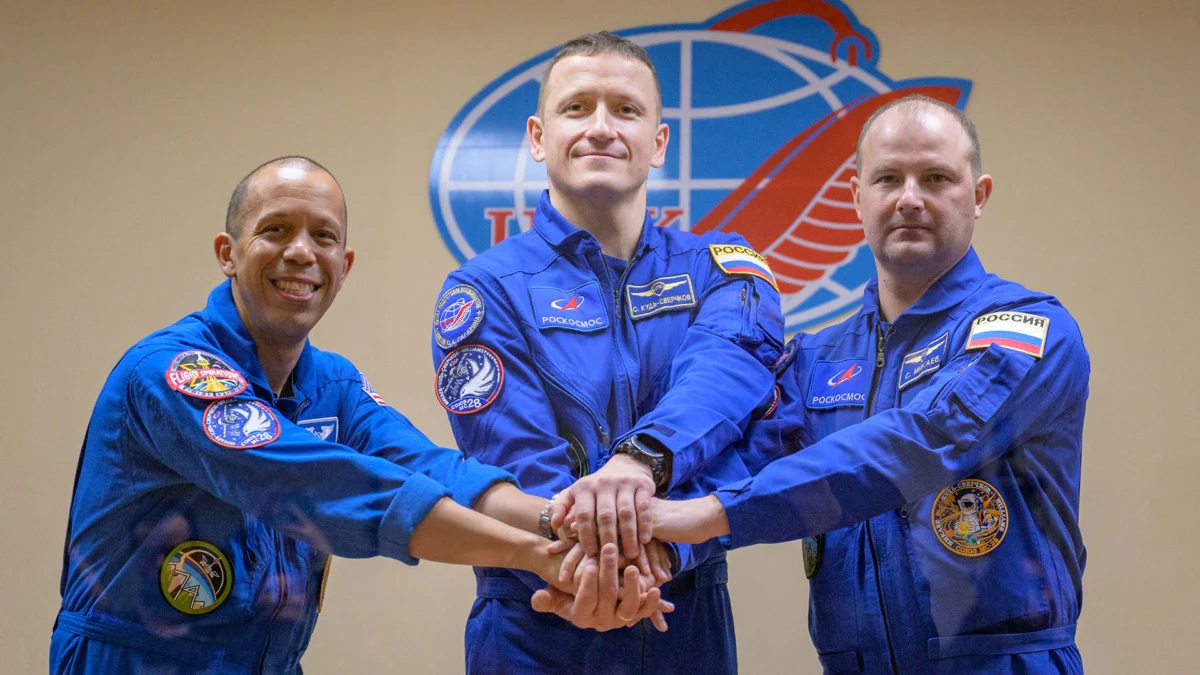
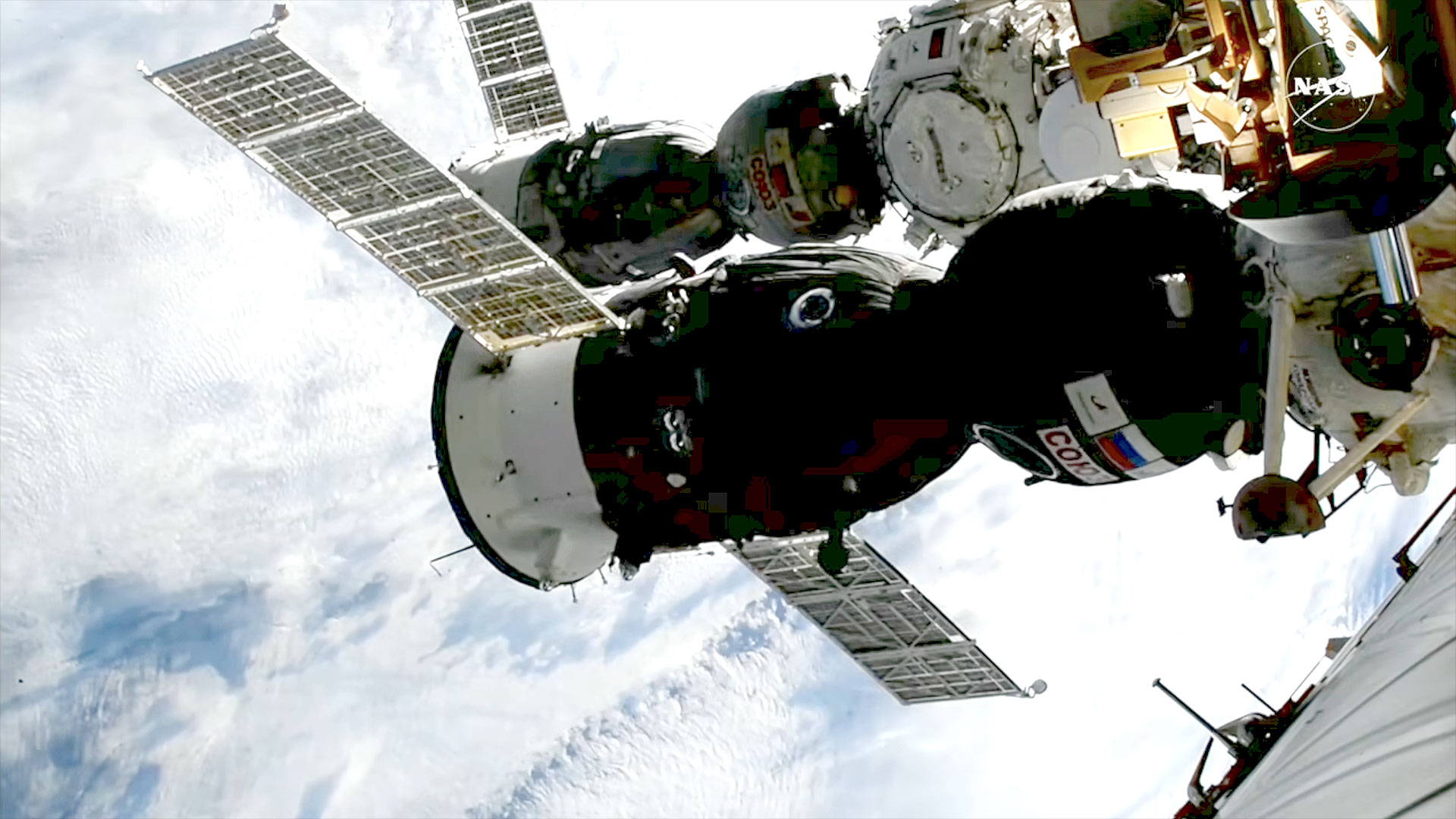
A U.S.-Russian crew is set to conclude their extended mission aboard the International Space Station (ISS) with a return to Earth early Sunday morning, July 26. NASA astronaut Chris Williams, alongside Roscosmos cosmonauts Sergey Kud-Sverchkov and Sergei Mikaev, will undock from the orbiting laboratory in the Soyuz MS-28 spacecraft, marking the end of their 241-day expedition. The undocking is scheduled for 3:02 a.m. EDT (0702 GMT), with the Soyuz expected to touch down on the Kazakh steppe approximately 3.5 hours later, at 6:26 a.m. EDT (1026 GMT). Live coverage of these pivotal mission milestones will be available through NASA’s broadcast channels, offering space enthusiasts worldwide a front-row seat to this crucial phase of human spaceflight.
A Seamless Transition in Orbit
The departure of the Soyuz MS-28 crew is intricately linked with a significant command handover aboard the ISS. The day prior, beginning at 9:40 a.m. EDT (1340 GMT) on July 25, NASA will broadcast a change-of-command ceremony. During this event, Sergey Kud-Sverchkov will formally relinquish command of the ISS to NASA astronaut Jessica Meir. This ceremonial transfer signifies the official transition from ISS Expedition 74 to Expedition 75, a process that culminates with the undocking of the Soyuz MS-28. This ensures continuity in the station’s operations and scientific endeavors, regardless of crew rotations.
NASA’s webcast will resume later in the evening on July 25, commencing at 11:10 p.m. EDT (0310 GMT on July 26). This broadcast will focus on the crew’s farewells to their ISS colleagues and the critical procedure of closing the hatches between the orbiting laboratory and the Soyuz MS-28. Hatch closure is anticipated around 11:30 p.m. EDT (0330 GMT), a signal that the spacecraft is prepared for its departure.
The Undocking and Descent Sequence
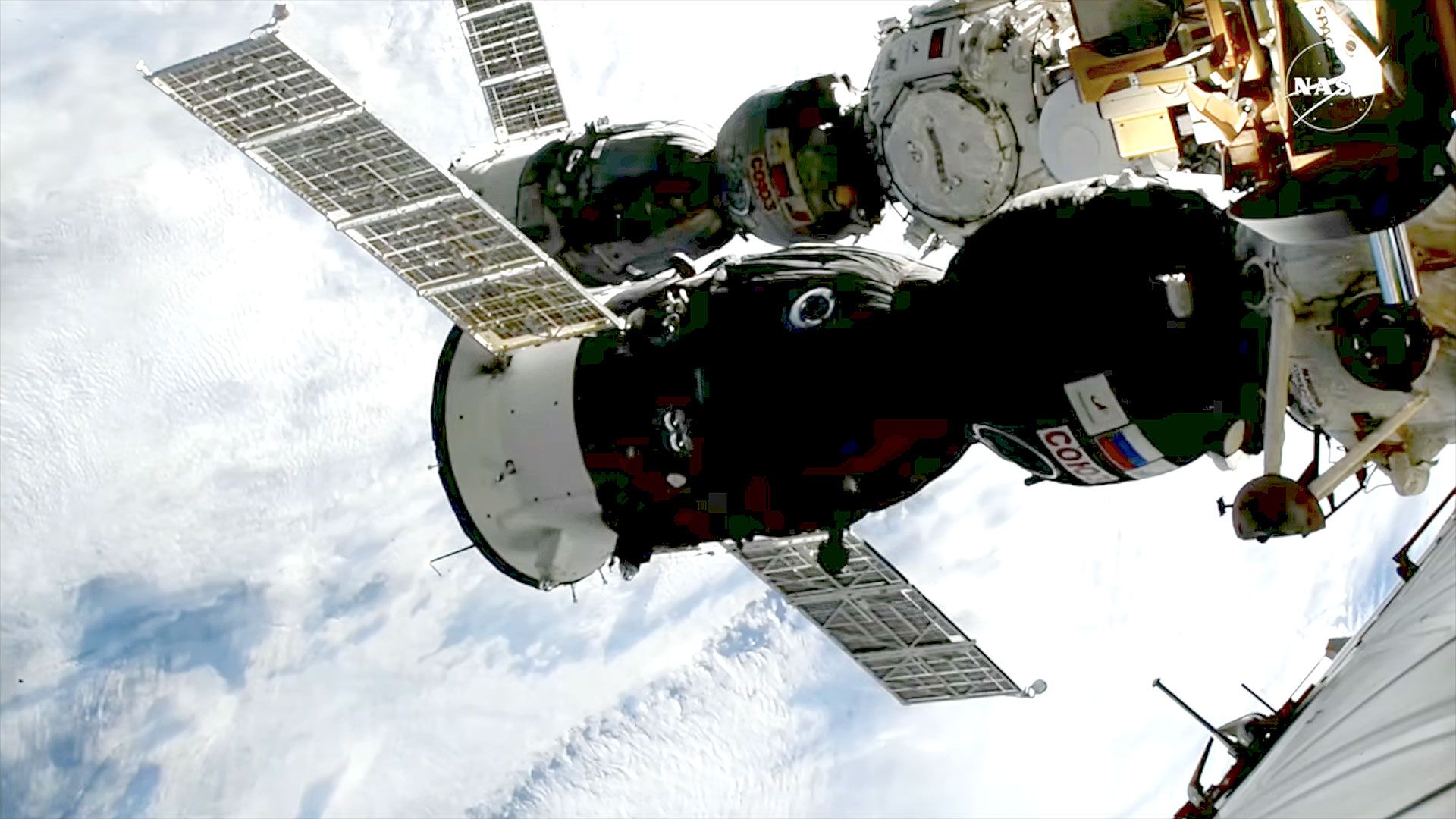
The live broadcast of the undocking itself will commence on Sunday, July 26, at 2:30 a.m. EDT (0630 GMT). This phase of the mission is meticulously choreographed, involving the release of the Soyuz from its docking port on the station’s module. Following undocking, the stream will resume at 5:15 a.m. EDT (0915 GMT) to cover the deorbit burn and subsequent landing activities. The deorbit burn is a critical maneuver where the Soyuz’s engines fire to slow the spacecraft down, initiating its descent from orbit towards Earth. The final stages of the mission will culminate in a parachute-assisted landing on the vast plains of Kazakhstan, southeast of the city of Dzhezkazgan, a traditional landing site for Soyuz missions.
A Journey of Discovery and Endurance
The Soyuz MS-28 mission, which launched to the ISS on November 27, a day that coincided with Thanksgiving Day in the United States, marked the first spaceflight for Chris Williams and Sergei Mikaev. For Sergey Kud-Sverchkov, it represented his second journey to orbit. Over their 241 days in space, the trio has been instrumental in conducting a wide array of scientific experiments, maintaining the complex systems of the ISS, and contributing to the ongoing international collaboration in space exploration.
During their extended stay, the crew has orbited the Earth an impressive 3,856 times, covering a staggering distance of over 102 million miles (164 million kilometers). This immense mileage underscores the sustained effort and dedication involved in long-duration space missions and highlights the continuous operations of the ISS as a vital platform for scientific research and technological advancement.
Post-Landing Procedures and Future Endeavors
Upon a successful landing, the three spaceflyers will be met by recovery teams. They will be transported by helicopter to Karaganda, Kazakhstan, a regional hub for recovery operations. From there, their paths will diverge. Chris Williams will return to NASA’s Johnson Space Center in Houston, Texas, to debrief and undergo medical evaluations. Meanwhile, Kud-Sverchkov and Mikaev will head back to their training center in Star City, Russia, to begin their reintegration and post-mission activities. This carefully managed process ensures the well-being and continued contributions of the returning astronauts and cosmonauts.
The Soyuz Program: A Pillar of International Spaceflight
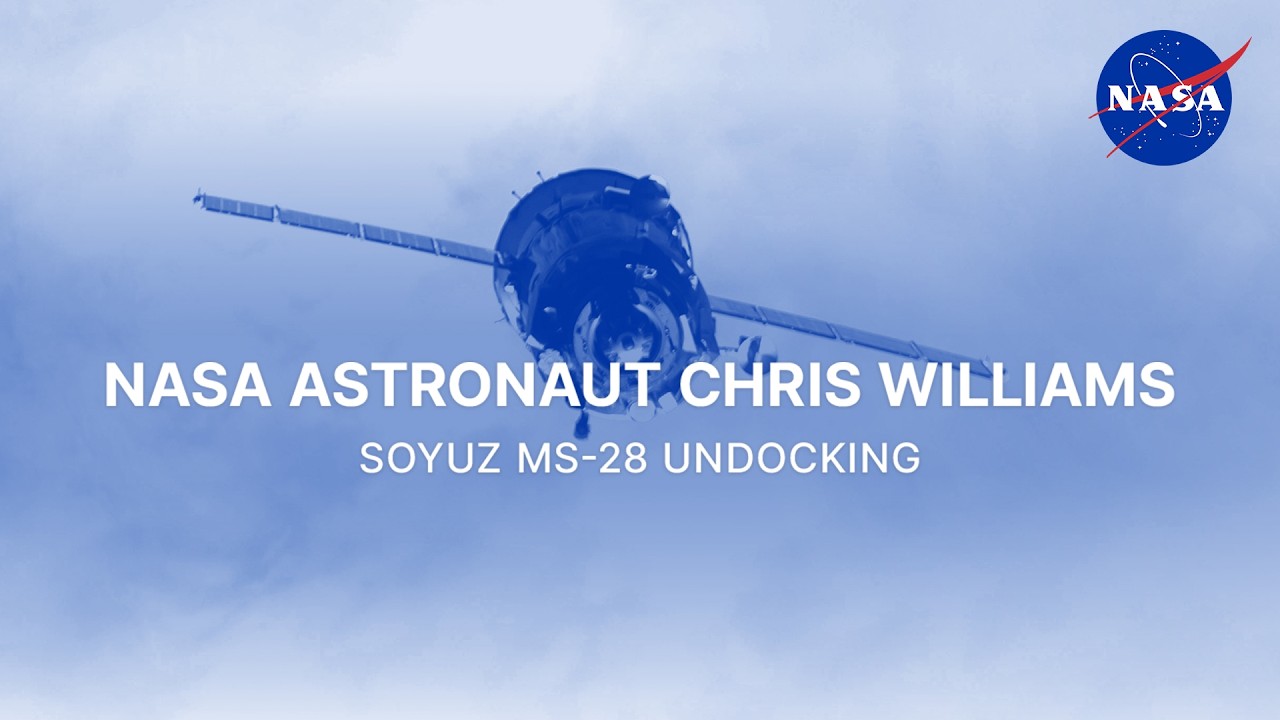
The Soyuz spacecraft, a workhorse of the Russian space program, has been a cornerstone of human access to space for decades. Developed during the Soviet era, its design has undergone continuous evolution, yet its core reliability has remained a defining characteristic. The Soyuz MS-28 is a testament to this enduring legacy, serving as a crucial vehicle for transporting crews to and from the ISS, especially in the current era of international cooperation.
The Soyuz spacecraft is designed for robust performance, capable of supporting crewed missions for extended durations. Its modular design allows for different configurations, but the core structure, including the Orbital Module, Descent Module, and Service Module, remains consistent. The Descent Module is the only part of the spacecraft that returns to Earth, engineered with heat shields and parachutes to ensure a safe landing. The reliability of the Soyuz program has been critical in maintaining a continuous human presence on the ISS, particularly during periods when other launch capabilities were under development or undergoing testing.
The International Space Station: A Beacon of Global Collaboration
The International Space Station (ISS) itself represents one of humanity’s most ambitious collaborative projects. A joint venture involving five space agencies – NASA (United States), Roscosmos (Russia), JAXA (Japan), ESA (Europe), and CSA (Canada) – the ISS has served as a unique microgravity laboratory since its initial assembly in orbit began in 1998. It is a testament to what nations can achieve when they work together towards common scientific and exploratory goals.
The station’s modular design, assembled piece by piece in orbit, has allowed for continuous upgrades and expansion. It serves as a platform for a vast range of scientific research across disciplines such as biology, physics, astronomy, and Earth science. The data gathered from experiments conducted on the ISS has not only advanced our understanding of the universe but also contributed to technological innovations that benefit life on Earth, from medical advancements to materials science.
The Significance of Long-Duration Missions
The 241-day mission undertaken by Williams, Kud-Sverchkov, and Mikaev is representative of the growing trend towards longer duration spaceflights. As humanity sets its sights on more ambitious goals, such as returning to the Moon and venturing to Mars, understanding the physiological and psychological effects of prolonged periods in space is paramount. Long-duration missions like this one provide invaluable data on how the human body adapts to microgravity, radiation exposure, and isolation.
The challenges of long-duration spaceflight are multifaceted. Astronauts and cosmonauts must contend with bone density loss, muscle atrophy, cardiovascular deconditioning, and potential vision changes due to the absence of gravity. Psychological well-being is also a critical factor, with crews living in confined spaces for extended periods, far from family and familiar surroundings. Rigorous training, comprehensive medical monitoring, and a strong emphasis on crew cohesion are essential for mitigating these challenges and ensuring mission success.
Looking Ahead: The Future of Space Exploration
The successful completion of the Soyuz MS-28 mission and the ongoing operations of the ISS pave the way for future advancements in space exploration. As commercial spaceflight capabilities mature and new international partnerships emerge, the landscape of human spaceflight is poised for further evolution. The knowledge gained from missions like this will be instrumental in planning and executing future endeavors, whether it’s establishing a sustained human presence on the Moon, or embarking on the historic journey to the Red Planet.
The commitment to international cooperation, exemplified by the ISS and the Soyuz program, remains a vital component of this future. By pooling resources, expertise, and shared ambitions, spacefaring nations can continue to push the boundaries of human knowledge and capability, inspiring future generations to reach for the stars. The return of Chris Williams and his Russian counterparts is not just an end to a mission, but a crucial step in this ongoing journey of discovery.