
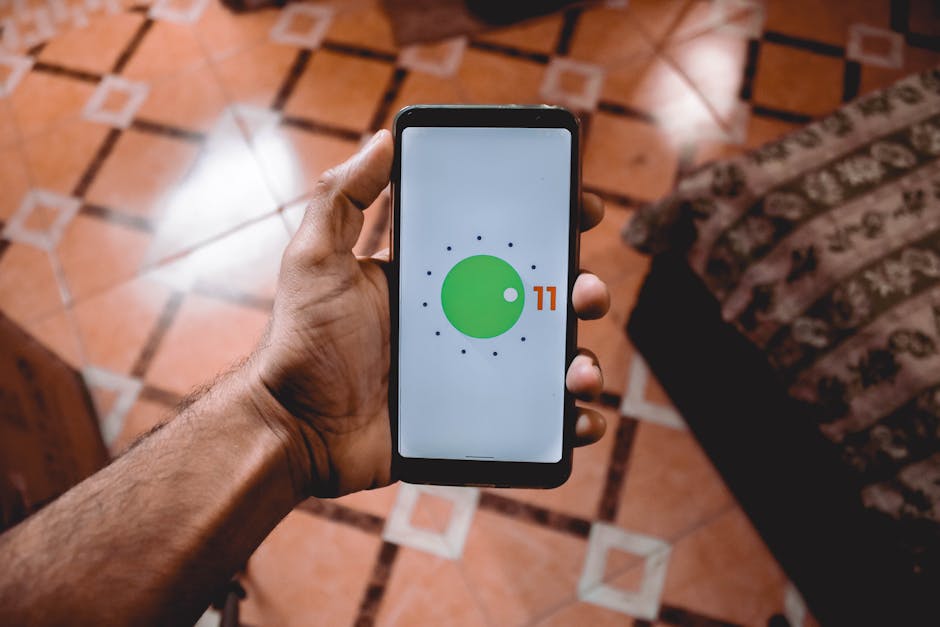
Unveiling the Latest Android Update: A Deep Dive into New Features, Performance Enhancements, and Security Fortifications
The recent rollout of the latest Android update signifies a pivotal moment in the evolution of the world’s most ubiquitous mobile operating system. This iteration, codenamed [Insert Codename if known, otherwise refer to version number like Android 14], brings a suite of significant advancements designed to refine user experience, bolster device performance, and strengthen the fundamental security architecture. Developers at Google have meticulously addressed user feedback, pushing the boundaries of innovation to deliver a more intuitive, powerful, and secure platform for billions of users worldwide. This comprehensive analysis will dissect the most impactful changes, exploring their implications for everyday usage, developer capabilities, and the broader mobile ecosystem, ensuring you are fully equipped to understand and leverage the transformative potential of this new release.
One of the most immediately noticeable improvements within this update centers on User Interface and Personalization. Google has introduced a more refined Material You design language, offering deeper customization options that extend beyond mere color palettes. Users can now expect greater control over icon shapes, system-wide font styles, and even the granular arrangement of quick settings toggles. This move empowers individuals to truly make their Android devices a unique digital extension of themselves. The dynamic color theming engine has been further optimized, ensuring a more cohesive and aesthetically pleasing experience across a wider range of applications, even those not explicitly updated by third-party developers. Furthermore, enhanced gesture navigation introduces subtle but impactful refinements. Swipes are now more responsive, and accidental trigger rates have been significantly reduced through intelligent algorithmic adjustments. The back gesture, a common point of contention for some users, has been made more forgiving with an optional larger trigger area and improved visual feedback, making navigation feel more fluid and less prone to error. For power users, the introduction of more sophisticated lock screen widgets provides quick access to frequently used information and controls without requiring a full unlock, streamlining common tasks and enhancing productivity. This focus on personalization goes beyond superficial aesthetics; it aims to reduce cognitive load and make interacting with the device a more seamless and enjoyable experience.
Beyond the visual enhancements, this Android update delivers substantial Performance and Battery Life Optimizations. At its core, the operating system has undergone significant under-the-hood refactoring, leading to more efficient resource management. Processes are now better prioritized, ensuring that foreground applications receive the computational power they need while background tasks are managed with greater restraint. This translates to snappier app launches, smoother multitasking, and a generally more responsive feel, even on older or less powerful hardware. A key contributor to this performance boost is the refined memory management system. Android now employs more aggressive techniques for reclaiming unused RAM, reducing the instances of app reloads and improving overall system stability. For battery enthusiasts, the gains are equally impressive. Google has introduced more granular control over app battery usage, allowing users to identify and restrict power-hungry applications with greater precision. Predictive battery features have also been enhanced, learning user habits to optimize power consumption throughout the day. This means the device intelligently anticipates periods of low usage and conserves energy accordingly, leading to extended battery life without compromising functionality. Developers will also find new tools for profiling and optimizing their applications for better performance and battery efficiency, fostering a healthier app ecosystem. The focus on these fundamental performance metrics is critical for maintaining user satisfaction and ensuring the longevity of mobile devices.
Security and Privacy remain paramount in this latest Android iteration, with a raft of new features and strengthened protocols designed to protect user data and enhance control. The update introduces a more robust permissions system, offering finer-grained control over how applications access sensitive information like location, contacts, and microphone. Users can now grant temporary permissions, allowing apps to access data only for a specific duration or task, rather than providing perpetual access. The privacy dashboard has been expanded, providing a clearer and more comprehensive overview of which apps have accessed which sensitive permissions and when. This transparency empowers users to make informed decisions about their data. Furthermore, the update includes enhanced protection against malicious apps and phishing attempts. Google Play Protect has been further integrated into the system, offering more proactive scanning and real-time threat detection. The introduction of a new secure element within the hardware architecture provides an additional layer of protection for critical data, such as biometric authentication credentials and payment information. For developers, the implementation of stricter data handling guidelines and encryption standards is mandatory, encouraging a more secure development environment. The ongoing commitment to privacy is not just a feature; it’s a fundamental pillar of modern operating systems, and this update reinforces that commitment with tangible improvements.
The Camera and Multimedia Experience has also seen notable advancements. Leveraging the power of AI and machine learning, the camera application now offers enhanced computational photography features. This includes improved low-light performance, more accurate scene recognition for automatic adjustments, and advanced image processing for sharper details and more vibrant colors. For videographers, new recording modes and editing tools are available, offering greater creative control directly within the native camera app. The update also brings improvements to audio playback and recording, with enhanced noise cancellation algorithms and support for higher fidelity audio codecs. Media playback has been optimized for smoother streaming and reduced buffering, even on less stable network connections. Picture-in-Picture (PiP) mode has been refined, allowing for more seamless multitasking while watching videos or engaging in video calls. The integration with external display technologies has also been improved, offering a more consistent and high-quality experience when casting content to larger screens. These multimedia enhancements cater to the growing demand for high-quality content creation and consumption on mobile devices.
Connectivity and Communication are central to the mobile experience, and this Android update brings several key improvements. Support for the latest Wi-Fi standards has been enhanced, leading to faster and more reliable wireless connections. Bluetooth connectivity has also been optimized, with improved stability and reduced latency for wireless peripherals like headphones and smartwatches. For users who frequently travel or operate in areas with fluctuating network coverage, the update introduces more intelligent cellular network management, ensuring a more stable connection and reducing dropped calls. The messaging experience has also been refined, with deeper integration of Rich Communication Services (RCS) features, offering enhanced capabilities for text messaging beyond traditional SMS. This includes improved group chat functionality, read receipts, and typing indicators, bringing the mobile messaging experience closer to that of modern instant messaging applications. Accessibility features have also received a significant upgrade. New options for font scaling, magnification, and screen reading have been introduced, making the device more usable for individuals with a wide range of disabilities. The integration with hearing aids and other assistive devices has also been improved, ensuring a more seamless and integrated experience.
Developer Tools and Ecosystem Support have been a major focus for Google in this release. The update includes significant enhancements to the Android SDK and developer preview tools, enabling developers to more easily leverage the new features and APIs. Improved debugging tools, performance profiling capabilities, and a more streamlined build process will help developers create more robust and efficient applications. The emphasis on security and privacy extends to the developer community, with new guidelines and best practices for data handling and permissions management. This fosters a more responsible and secure app ecosystem for end-users. Furthermore, the update introduces improved support for various hardware form factors, including foldable devices and large screens, ensuring that applications can adapt seamlessly to different display sizes and orientations. Enhanced background execution limits and optimized resource allocation also empower developers to create more power-efficient applications, contributing to the overall battery life improvements for users. The ongoing commitment to supporting developers is crucial for the continued innovation and growth of the Android platform.
Looking ahead, this latest Android update lays the groundwork for future advancements in areas such as Artificial Intelligence and Machine Learning Integration. While many of these AI capabilities are subtle and work behind the scenes, their impact on user experience is profound. Enhanced predictive text, more intelligent voice assistants, and personalized content recommendations are all powered by the advancements in machine learning algorithms integrated into the OS. The update also introduces new APIs and frameworks that will enable developers to build even more sophisticated AI-powered applications. This could lead to a new wave of innovative mobile experiences that are deeply personalized and contextually aware. The long-term vision for Android is clearly focused on creating a more intelligent and adaptive computing platform, and this update represents a significant step in that direction. The continuous improvement of AI capabilities will undoubtedly shape how we interact with our devices in the years to come, making them more intuitive, helpful, and proactive.
In conclusion, the latest Android update is a comprehensive and impactful release that touches upon nearly every facet of the mobile operating system. From a more personalized and intuitive user interface to significant performance and battery life enhancements, the update prioritizes user experience and device longevity. The strengthened security and privacy features provide much-needed peace of mind in an increasingly connected world. Furthermore, the advancements in camera and multimedia capabilities, alongside improved connectivity and communication tools, cater to the evolving demands of modern users. The robust developer tools and ecosystem support ensure that the platform will continue to foster innovation and deliver compelling new applications. As users continue to adopt this latest iteration, they will undoubtedly benefit from a more refined, efficient, secure, and intelligent mobile computing experience, solidifying Android’s position as a leading force in the global technology landscape.





Leave a Reply