
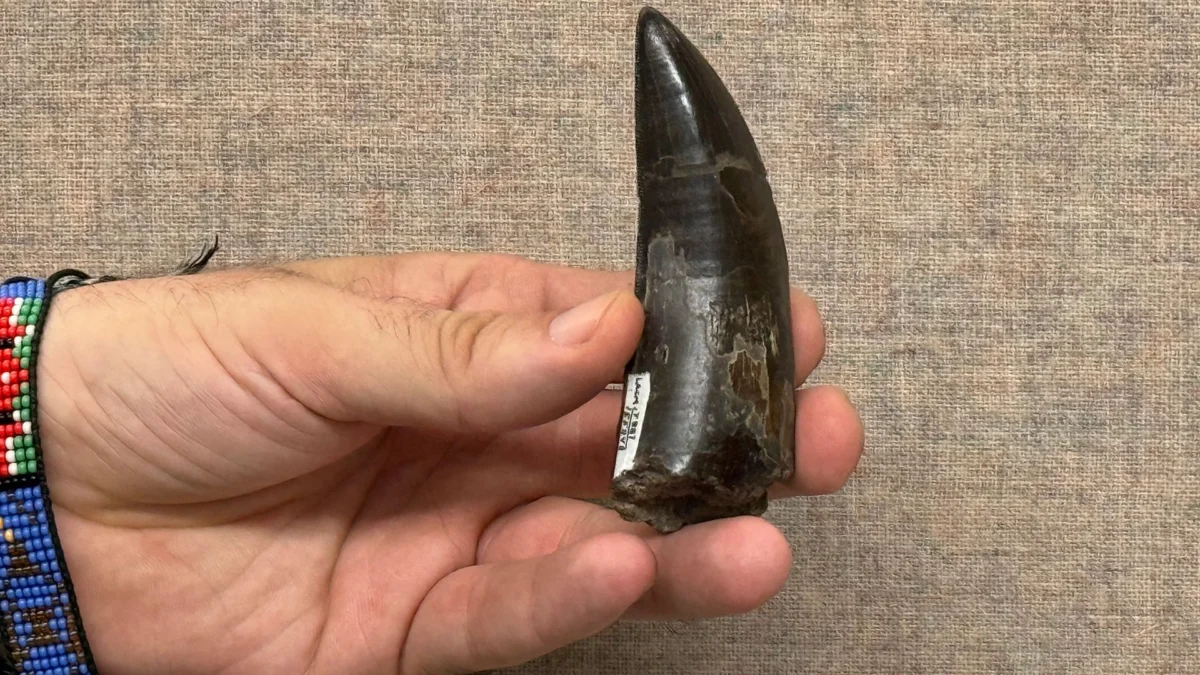
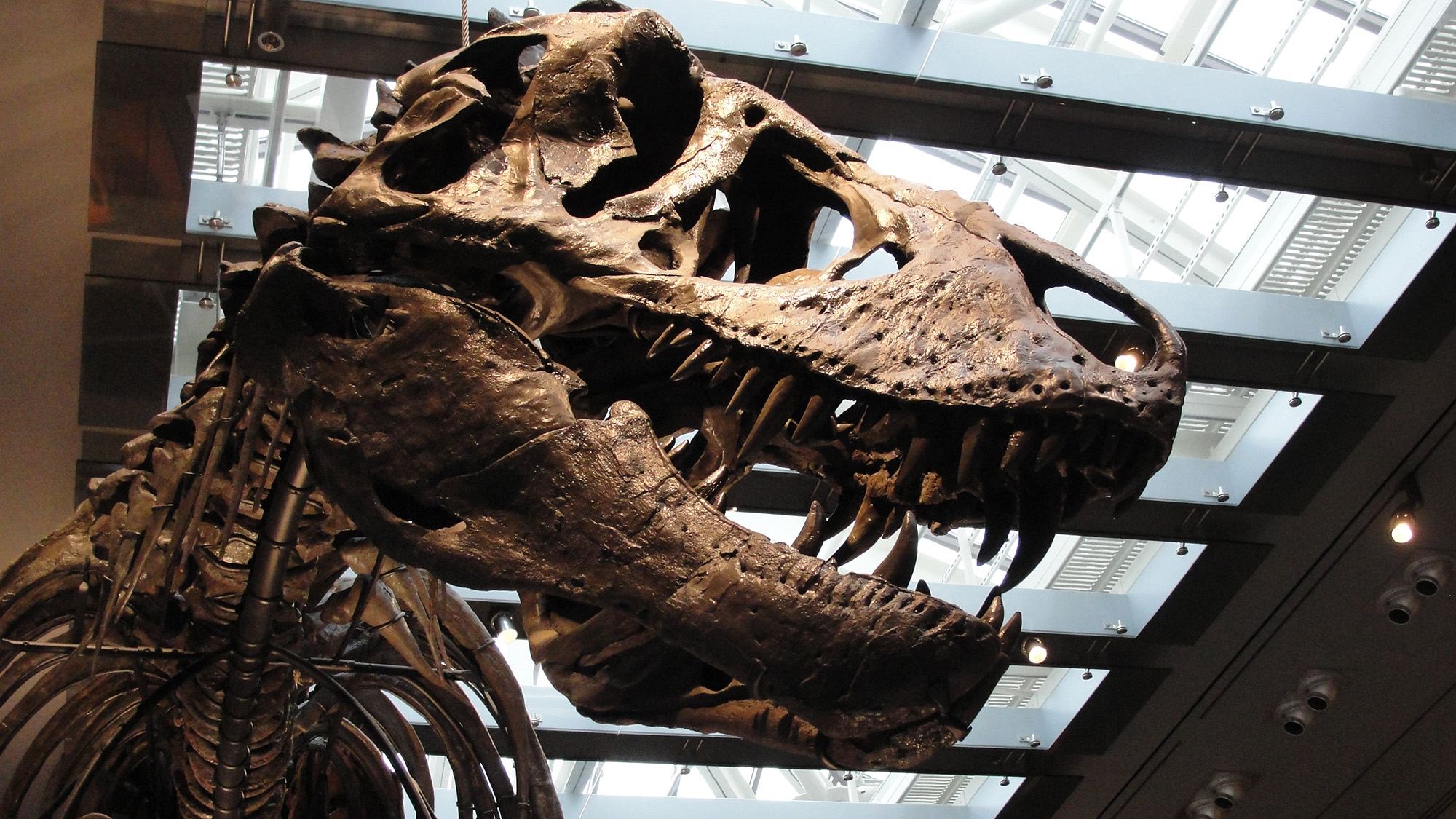
The long-running scientific debate surrounding the metabolic nature of dinosaurs has taken a significant leap forward, thanks to a meticulous new analysis of dental enamel. Researchers studying the chemical composition of teeth taken from "Thomas," a well-preserved Tyrannosaurus rex specimen housed in the Dinosaur Hall at the Natural History Museum of Los Angeles County, have concluded that the apex predator maintained an internal body temperature remarkably similar to that of modern mammals.
This fresh evidence challenges archaic depictions of the king of the lizards as a sluggish, cold-blooded creature dependent entirely on ambient environmental warmth. Instead, the findings solidify the biological profile of T. rex as an energetic, high-performance hunter and scavenger that relied on internal metabolic processes to regulate its body heat, bringing us closer to understanding the true physiology of the Cretaceous period’s most formidable carnivore.
Unlocking the Secrets of Ancient Teeth
For generations, paleontologists have debated whether dinosaurs were endothermic (warm-blooded, like modern birds and mammals) or ectothermic (cold-blooded, like modern reptiles and amphibians). Determining the metabolic rate of an extinct animal that vanished roughly 66 million years ago is notoriously difficult, as soft tissues rarely fossilize. However, teeth offer a remarkably resilient archive.
Tooth enamel is composed of hydroxyapatite, a mineral matrix containing chemical bonds that record the temperature at which the mineral was formed inside the animal’s body. By applying advanced analytical techniques—specifically clumped isotope geochemistry—to the fossilized teeth of Thomas the T. rex, scientists were able to measure the exact bonding preferences of carbon and oxygen isotopes within the mineral lattice.
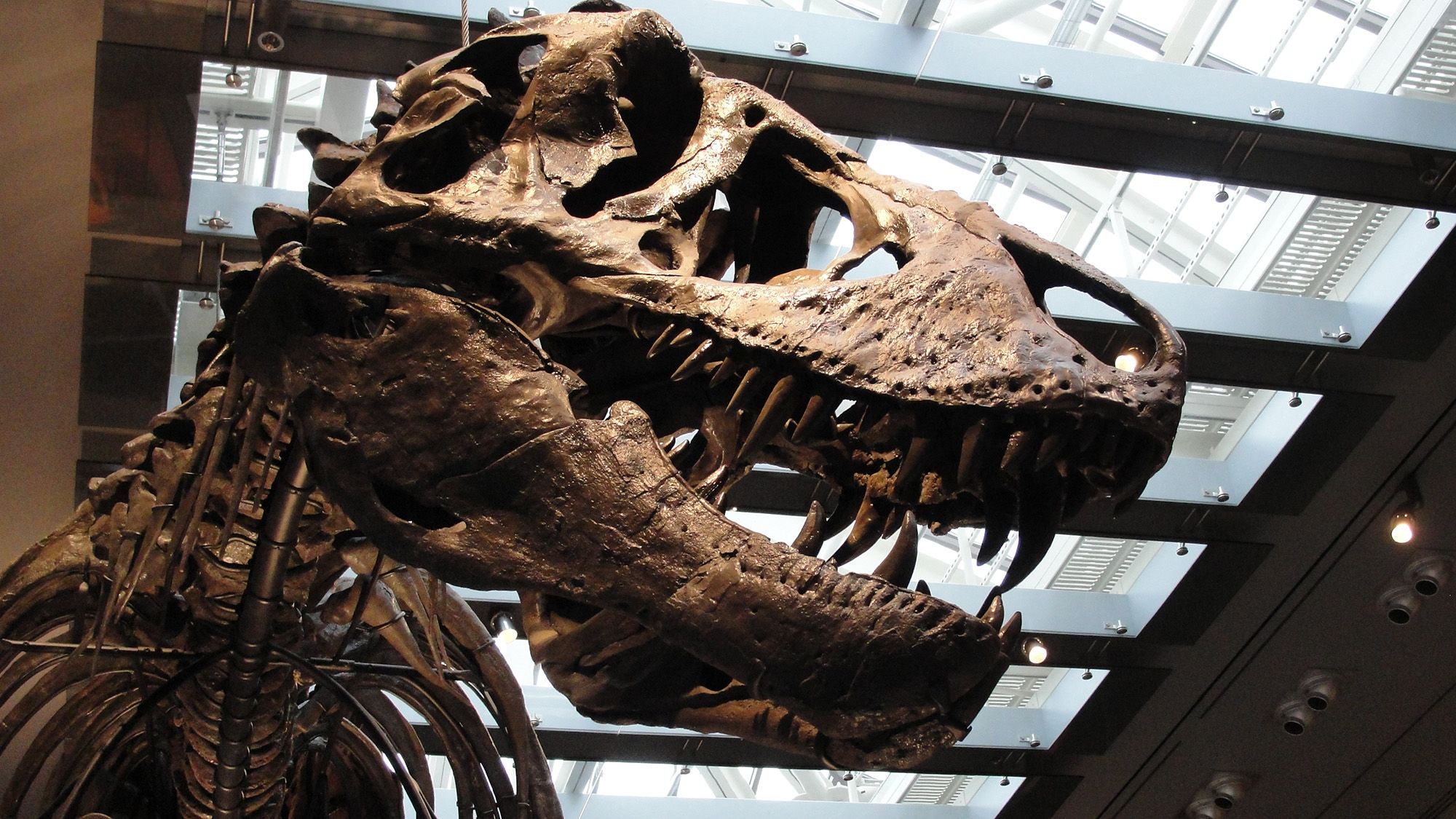
Because the bonding of these isotopes is temperature-dependent, researchers can calculate the internal body temperature of the animal when the enamel was growing with astonishing precision. The results from the T. rex teeth revealed a stable internal body temperature matching that of modern endotherms, effectively dismantling the hypothesis that the giant theropod basked in the sun to warm up its massive multi-ton frame before hunting.
A Historical Shift in Dinosaur Physiology
To appreciate the gravity of this discovery, it helps to examine the historical pendulum swings of dinosaur paleontology. When dinosaurs were first scientifically described in the 19th century, they were viewed as overgrown, lumbering lizards—clumsy, cold-blooded reptiles doomed by their own inefficiency.
This view began to shift dramatically in the late 20th century during what paleontologists refer to as the "Dinosaur Renaissance." Scientists like John Ostrom argued that dinosaurs, particularly agile bipedal carnivores and their avian descendants, shared anatomical and behavioral traits with modern birds rather than lizards. Structural evidence, such as upright stances, bone microstructures resembling those of fast-growing mammals, and the eventual discovery of extensive feather coverings in various dinosaur lineages, heavily pointed toward warm-bloodedness.
Despite this anatomical evidence, definitive physiological proof remained elusive. Skeptics argued that a creature as massive as an adult T. rex—weighing between 8 and 10 metric tons—could maintain a high body temperature simply through "gigantothermy." In this scenario, a large body mass naturally retains heat efficiently without requiring a high metabolic rate, much like some modern leatherback turtles or large sharks.
However, the new geochemical data from tooth enamel bypasses the limitations of size-based thermodynamic models. By measuring the temperature at the point of tissue formation, researchers can see how the animal’s internal biology actively managed thermal regulation, independent of sheer mass alone.
Broader Implications for Cretaceous Ecosystems
The confirmation that T. rex was endothermic fundamentally changes how we must picture Late Cretaceous ecosystems. An endothermic metabolism requires a massive, continuous caloric intake to fuel the animal’s internal engine.
For an apex predator like T. rex, being warm-blooded means it possessed the stamina, cardiovascular capacity, and neurological processing speed associated with active, high-energy predators. Far from being a sluggish ambush predator or a passive scavenger that bullied other carnivores off their kills, an endothermic T. rex would have been a dynamic ecological force capable of sustained pursuits.
Furthermore, this physiological trait reverberates through the entire food web. Maintaining a warm-blooded apex predator requires a rich, highly productive ecosystem capable of supporting large populations of herbivorous prey dinosaurs, such as Triceratops and Edmontosaurus, which likely also required significant caloric resources. Understanding the metabolic baseline of T. rex helps researchers model predator-prey dynamics, energy flow, and ecological carrying capacities during the final chapters of the Mesozoic era.
Moving Forward in Paleontological Research
The success of isotope geochemistry on specimens like Thomas the T. rex marks a turning point in how museums and research institutes approach fossil collections. Rather than relying solely on external morphology and skeletal proportions, scientists now possess a molecular toolkit capable of peering directly into the physiological realities of extinct organisms.
As researchers continue to apply these sophisticated isotopic techniques to a wider variety of dinosaur species—ranging from tiny feathered theropods to massive long-necked sauropods—the blurry picture of prehistoric life is coming into sharp focus. The modern scientific consensus is no longer asking whether dinosaurs were warm- or cold-blooded as a binary question, but rather mapping out a rich, diverse spectrum of metabolic strategies that allowed these magnificent creatures to dominate the Earth for more than 160 million years.










Leave a Reply