
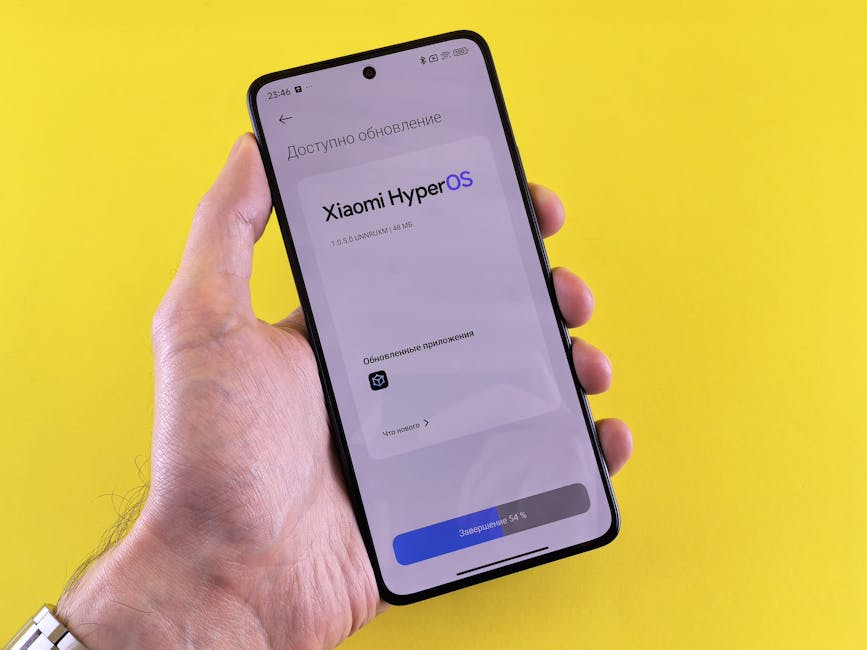
Phone No Longer Supports New Updates: Understanding End-of-Life Devices and Their Implications
The dreaded message, or the stark realization that a familiar smartphone is no longer receiving critical security patches or the latest operating system features, marks a significant turning point in a device’s lifecycle. This phenomenon, where a phone "no longer supports new updates," signifies its transition into an end-of-life (EOL) status. This doesn’t imply the phone suddenly becomes unusable, but rather that its ability to adapt to the ever-evolving digital landscape is severely curtailed, leading to a cascade of consequences for users. Understanding what this means, why it happens, and the practical ramifications is crucial for informed decision-making and responsible technology consumption.
The primary driver behind a phone no longer supporting new updates is the manufacturer’s product lifecycle management. Companies, particularly in the fast-paced smartphone industry, operate on a cycle of innovation and release. New models boast improved processors, enhanced camera technology, and the latest software integrations. To facilitate the adoption of these newer devices and to allocate resources effectively, manufacturers eventually cease development and support for older models. This decision is often influenced by a combination of factors including the decreasing sales volume of older models, the cost of maintaining software compatibility with aging hardware, and the strategic imperative to push consumers towards their latest offerings. Software development is an ongoing and expensive process. Maintaining compatibility with a vast array of older hardware configurations, each with its unique chipset, sensors, and memory limitations, becomes increasingly resource-intensive. As processors become outdated and underlying architectural components are no longer supported by chip manufacturers, porting the latest software features and security patches becomes technically challenging, if not impossible, without significant engineering effort.
Furthermore, the security landscape is constantly shifting. New vulnerabilities are discovered regularly, and software updates are the primary defense mechanism against these threats. When a phone is no longer receiving security updates, it becomes increasingly susceptible to malware, data breaches, and other cyberattacks. This is a critical consideration for any user, as sensitive personal information, financial data, and digital identities are at risk. The longer a device remains unsupported, the larger the attack surface and the more prevalent the known vulnerabilities become. These security risks are not merely theoretical; they can lead to real-world consequences, including identity theft, financial fraud, and the compromise of personal privacy.
The cessation of operating system updates also means that users will miss out on new features and functionalities. Modern operating systems, whether Android or iOS, are regularly enhanced with improved user interfaces, performance optimizations, new app capabilities, and better integration with other devices and services. Without these updates, an EOL phone will gradually fall behind in terms of user experience and productivity. Applications, in turn, will also begin to phase out support for older operating system versions. Developers prioritize building and optimizing their apps for the latest software, meaning that soon after a phone stops receiving OS updates, it may also lose compatibility with newly released or updated applications, further limiting its utility.
The transition to an EOL device also has implications for app compatibility. As mentioned, app developers increasingly tailor their applications to the latest operating system versions. This means that an unsupported phone might not be able to run the newest versions of popular apps, or might experience bugs and performance issues with them. This can be particularly frustrating for users who rely on specific applications for work, communication, or entertainment. The app ecosystem is a crucial component of the smartphone experience, and when that ecosystem begins to exclude older devices, their overall functionality is significantly diminished. Even if an app still runs, it might be missing new features or security enhancements that are present in newer versions, making the user’s experience suboptimal and potentially less secure.
Beyond software, hardware limitations often play a role in a phone’s eventual obsolescence. While a phone might still function, its internal components may struggle to keep pace with the demands of modern software. For instance, a processor that was once cutting-edge might become a bottleneck for new applications, leading to sluggish performance and increased battery drain. Similarly, limited RAM can hinder multitasking and the smooth operation of resource-intensive apps. These hardware constraints, when coupled with the lack of software optimization through updates, create a compounding effect that degrades the user experience over time. The physical components age, and their performance characteristics can degrade, further exacerbating the issues caused by outdated software.
The financial aspect of owning an EOL phone is also noteworthy. While the initial purchase price of a smartphone can be substantial, the perceived value diminishes as the device loses support and functionality. Resale value plummets for phones that are no longer receiving security updates, making it difficult to recoup any investment. This encourages a buy-and-replace cycle, which has environmental implications due to increased electronic waste. The economic incentive to upgrade becomes stronger when the existing device becomes increasingly unreliable and vulnerable.
From an environmental perspective, the rapid obsolescence of smartphones contributes to a significant e-waste problem. When devices are discarded prematurely due to lack of updates or perceived obsolescence, they end up in landfills, leaching harmful materials into the environment. Extended device lifecycles, facilitated by longer software support, are a crucial component of sustainable technology practices. Promoting the longevity of our devices through better software support and repairability is a key challenge for the industry and for consumers alike. The push for frequent upgrades, driven by marketing and the inevitable obsolescence of unsupported devices, has a tangible negative impact on the planet.
The question of how long a phone will receive updates is a critical one for consumers considering a purchase. Manufacturers typically have varying update policies. For flagship devices, premium models often receive longer software support, sometimes extending to 4-5 years for major OS upgrades and an additional year or two for security patches. Mid-range and budget devices generally have shorter support windows, often around 2-3 years for major OS updates and a similar period for security patches. It’s essential for consumers to research a manufacturer’s specific update commitment before buying. This information is usually found in product specifications or the manufacturer’s support pages. Ignoring this aspect can lead to buyer’s remorse and a prematurely outdated device.
The process of identifying if a phone no longer supports new updates involves several indicators. The most direct way is to check for system updates within the device’s settings. If no new updates are available, and the current version is significantly older than the latest released version, it’s a strong indication that support has ended. Additionally, technology news websites and reputable tech reviewers often track the update status of various devices. Manufacturers’ official websites are also a reliable source of information regarding discontinued models and their end-of-support dates. Online forums and communities dedicated to specific phone models can also be valuable resources, as users often share information about their experiences with update availability.
For users who find themselves with an unsupported phone, several options exist. The most obvious is to upgrade to a newer device that offers continued software and security support. This is often the most practical solution for ensuring a secure and feature-rich experience. However, for those on a budget or who wish to extend the life of their current device, alternative solutions can be explored. Custom ROMs, particularly for Android devices, can offer a way to install newer, community-developed operating systems on older hardware. This requires technical expertise and comes with its own set of risks, including potential instability and warranty voidance. However, for the technologically inclined, it can breathe new life into an EOL device by providing access to newer software and security patches.
Another approach is to use the unsupported phone for less critical tasks, such as a secondary media player or an e-reader, where security is less of a paramount concern. Alternatively, the device can be donated or recycled responsibly. Many organizations accept old electronics for refurbishment or proper disposal, ensuring that valuable materials are recovered and hazardous ones are handled safely. The key is to make an informed decision about the continued use and eventual disposal of an EOL device, prioritizing security and responsible environmental practices.
The trend towards longer software support is gaining traction, driven by consumer demand and growing awareness of e-waste. Some manufacturers are beginning to extend their update commitments, recognizing the value of providing more sustainable and user-friendly products. However, the inherent economics of the smartphone industry, which often relies on frequent upgrade cycles, present a significant challenge to achieving truly extended lifecycles across the board. Regulatory pressure and consumer advocacy will likely play a crucial role in shaping future update policies.
In conclusion, a phone no longer supporting new updates signifies its entry into end-of-life status, a consequence of the natural progression of technology and manufacturers’ product cycles. This transition brings about significant security vulnerabilities, limitations in app compatibility, and a diminished user experience. Understanding the reasons behind this obsolescence, the indicators of an EOL device, and the available options – from upgrading to exploring custom solutions – is paramount for informed decision-making in the ever-evolving world of mobile technology. Responsible consumption and a conscious effort to extend device lifecycles are increasingly important considerations for both individual users and the industry as a whole, impacting our digital security, financial resources, and environmental footprint.




Leave a Reply