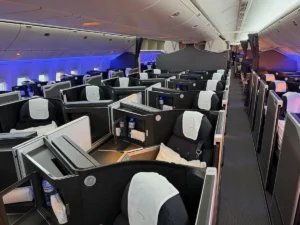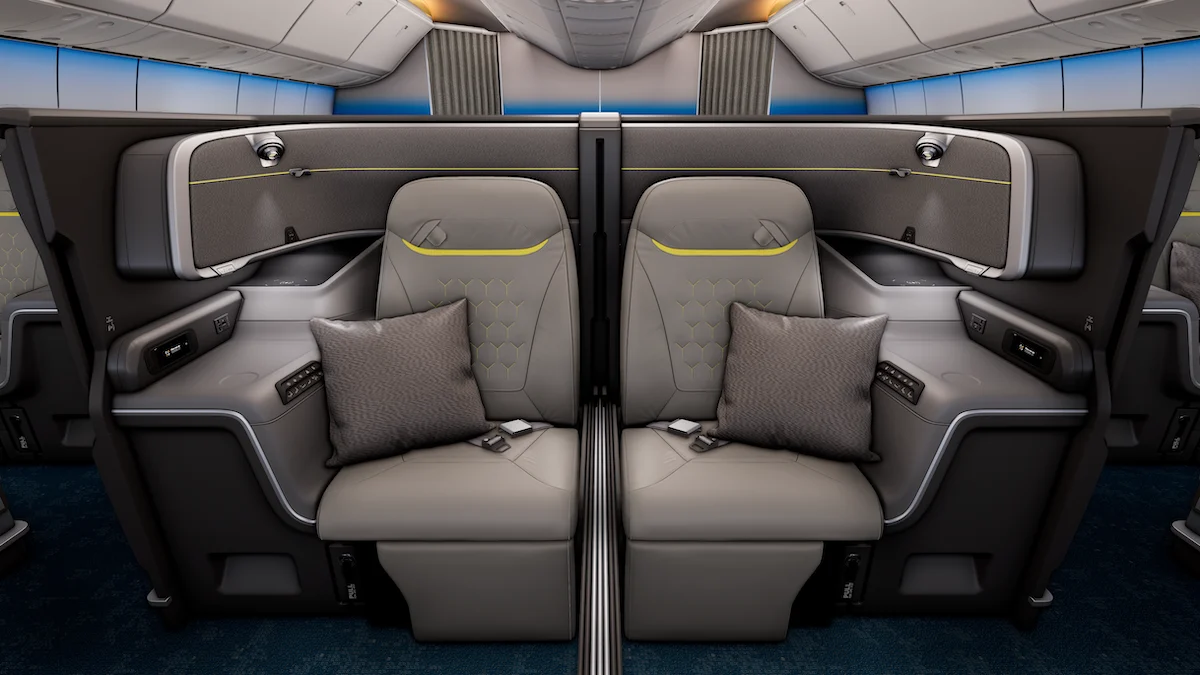
Singapore Airlines recently unveiled its highly anticipated next-generation first and business-class cabins, setting the stage for a fleet-wide product overhaul scheduled to enter commercial service in 2027. While the airline continues to command widespread acclaim as a premier global carrier known for exceptional customer service, meticulous attention to detail, and a refined passenger experience, the reveal has sparked intense debate. Aviation enthusiasts and industry observers have raised critical questions regarding the aesthetic direction of the new business-class seats, pointing to a stark contrast in design philosophy between the airline’s highest tiers of service and an unexpected resemblance to low-cost carrier aesthetics.
The Global Unveiling and Long-Term Fleet Strategy
The unveiling event, held in Singapore, marked the culmination of several years of intensive research, design iteration, and engineering development. Singapore Airlines has historically maintained a reputation for deliberate, highly intentional brand consistency. Every touchpoint of the passenger journey—from cabin ambient lighting and tableware to the iconic Singapore Girl uniforms and distinct auditory branding—typically reflects a cohesive corporate identity characterized by warm elegance, understated luxury, and meticulous harmony.
The introduction of these new cabins is a central component of the carrier’s broader strategy to modernize its widebody fleet, ensuring long-term competitiveness against rival international airlines that have aggressively introduced cutting-edge suite products and high-density business-class seating configurations. The roll-out timeline anticipates the first retrofitted aircraft entering active service by 2027, giving the airline ample runway to refine cabin elements, complete regulatory certifications, and finalize manufacturing schedules with selected suppliers.
Divergent Design Pathways: First Class Versus Business Class
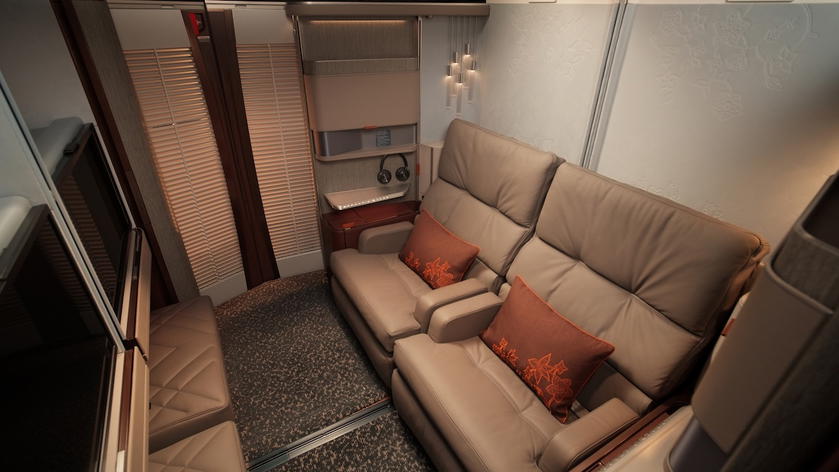
A closer examination of the newly revealed cabins highlights a profound stylistic division. The newly designed first-class suites have been widely received as a natural, sophisticated evolution of the carrier’s historical aesthetic. Developed in collaboration with the aviation design firm PriestmanGoode, the first-class product retains a warm, premium palette. It features refined textures, subtle metallic accents, and private double-suite configurations that project traditional luxury without appearing dated. The design aligns seamlessly with the established visual standards of Singapore Airlines, ensuring that passengers booking the top tier of service experience immediate continuity with the brand’s heritage.
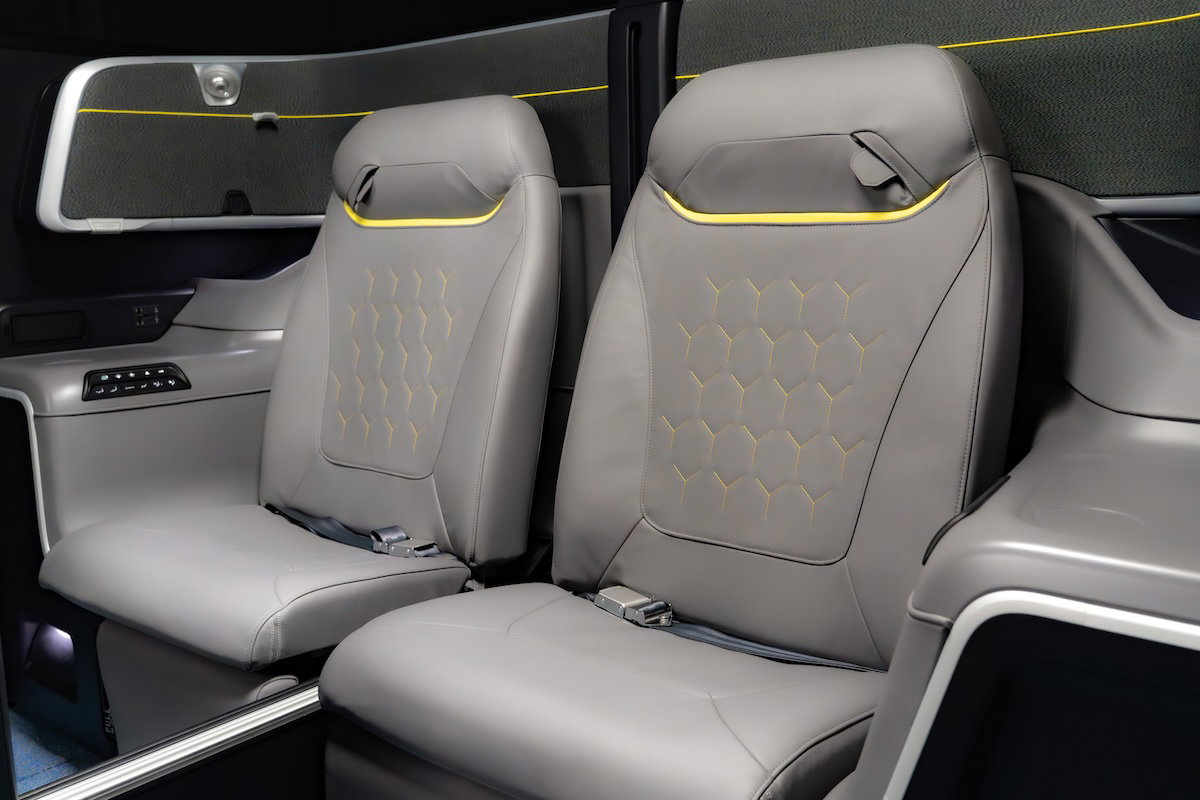
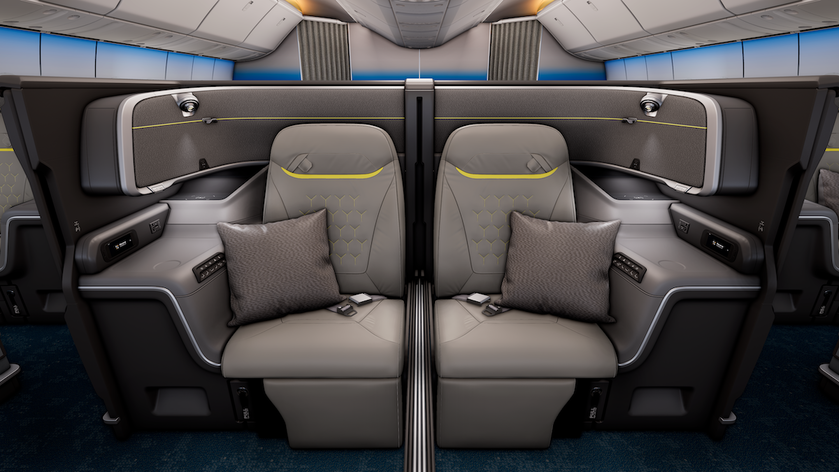
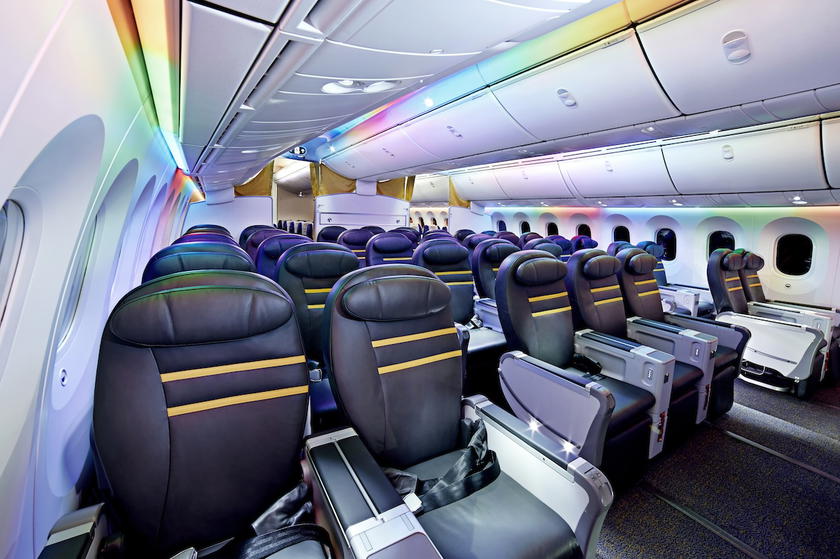
Conversely, the business-class cabin—designed by BMW Designworks—has drawn sharp criticism for a jarring visual departure. The new business-class seats feature a predominantly gray and black color scheme punctuated by bright yellow accent striping and complex blue-and-white bulkhead patterns. Industry analysts and frequent flyers have pointed out that this specific color combination bears an uncanny resemblance to the cabin interiors of Scoot, the low-cost subsidiary airline operating under the Singapore Airlines Group.
This crossover has surprised market watchers, as legacy carriers typically maintain strict visual boundaries between full-service mainline operations and budget subsidiaries to protect brand equity. Furthermore, the striking yellow highlights introduced in the business-class product do not appear anywhere else within the primary Singapore Airlines visual identity, creating a noticeable disconnect between the aircraft interior and the airline’s external branding, livery, and cabin crew attire.
Decentralized Design Execution and Industry Implications
The underlying cause of this aesthetic divergence appears to stem from the airline’s procurement and design strategy. By engaging two entirely separate design firms—PriestmanGoode for first class and BMW Designworks for business class—without apparent cross-cabin harmonization, the final product reflects two distinct corporate philosophies. While executive teams may have intended to project a younger, high-tech, and forward-looking image to attract a demographic of modern corporate travelers, the execution has inadvertently fractured the cabin’s visual continuity.
In commercial aviation, the cabin interior serves as a critical physical manifestation of a brand’s promise. When first-class and business-class cabins on the same aircraft look as though they belong to entirely different airlines, it can dilute brand cohesion. Aviation design consultants note that while seating ergonomics, privacy doors, direct aisle access, and enhanced inflight entertainment systems remain the primary drivers of premium ticket sales, aesthetic harmony significantly influences the subconscious perception of luxury and value.
The Role of Media Events and Digital Content Creation
The modern rollout of commercial aviation products heavily relies on aviation media, digital creators, and digital influencers invited to exclusive ground-based preview events. The recent Singapore unveiling brought together numerous content creators who toured the mock-up cabins, filmed walkthroughs, and published initial impressions across various social media platforms.
An interesting phenomenon observed during this rollout cycle was the divergence in feedback between general public forums and curated influencer coverage. While online aviation communities—such as frequent flyer discussion boards and enthusiast blogs—engaged in vigorous critiques of the business-class color palette, many digital creators at the launch event largely glossed over the aesthetic choices or offered muted assessments. Industry analysts suggest that this dynamic reflects the complex relationship between airlines and digital influencers, where access-based marketing can sometimes temper critical commentary.
Furthermore, aviation experts emphasize that static ground previews offer limited insight into actual product performance. Evaluating a seat under stationary, well-lit exhibition conditions differs vastly from experiencing the hardware during a 14-hour intercontinental flight. Critical operational factors—such as mattress pad comfort in bed mode, storage accessibility while dining, privacy door mechanisms, and the physical durability of the materials—can only be accurately assessed through rigorous in-flight testing over extended periods.
Future Outlook and Brand Resilience
Despite the ongoing debate surrounding the business-class color scheme, Singapore Airlines maintains a fiercely loyal customer base and a dominant market position. The airline’s core operational strengths—including legendary cabin service, expansive global routing, and robust safety records—remain entirely unaffected by the current design discourse.
As the 2027 service entry date approaches, industry observers will monitor whether Singapore Airlines elects to make minor adjustments to the business-class finishes based on early public feedback. Eliminating or modifying the polarizing yellow accent stripes could potentially neutralize criticism, transforming the cabin from a perceived departure into a more generic, yet acceptable, modern standard. Until then, the aviation community remains divided on whether this bold design choice represents a visionary leap into a modern era or a rare aesthetic misstep for an otherwise meticulous carrier.