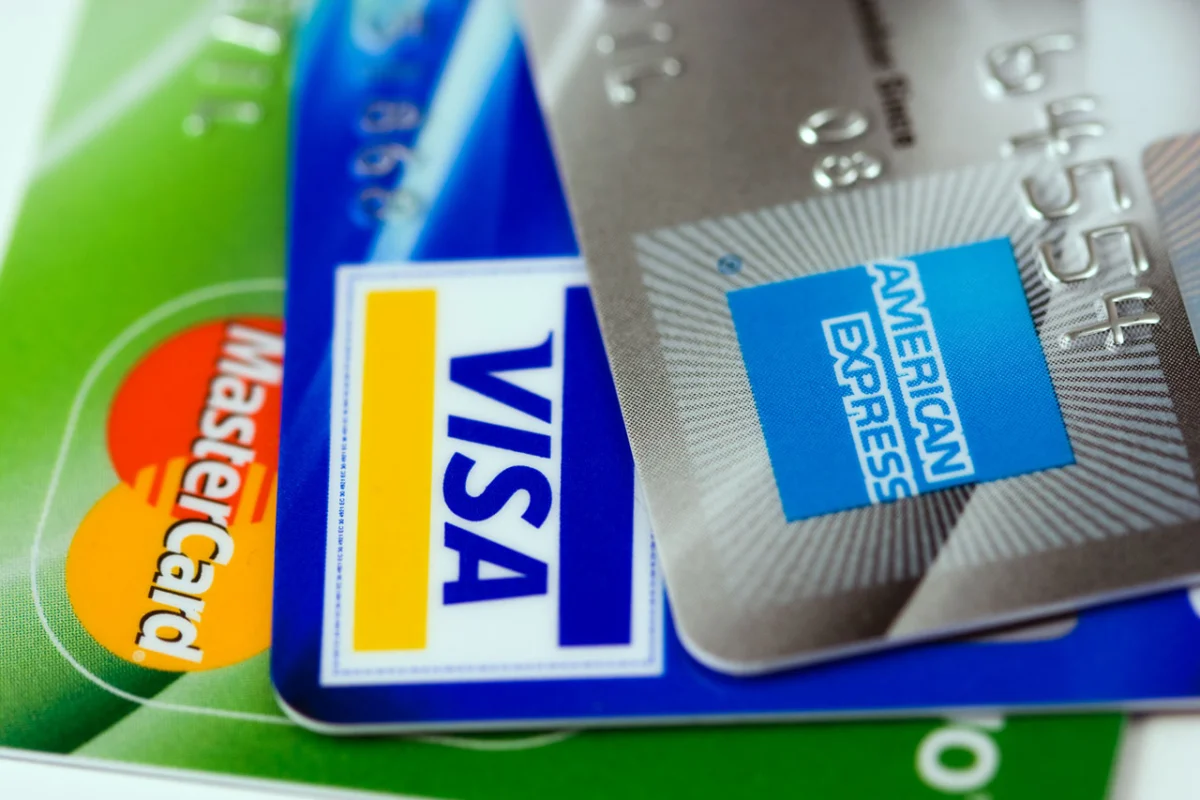
The legislative debate surrounding credit card interchange fees—the percentages merchants pay to card networks and issuing banks for processing transactions—has remained a focal point of financial policy in Washington for over a decade. While proponents of fee caps argue that such measures would lower prices for consumers by reducing business overhead, new economic research suggests the reality is significantly more complex. Far from a simple wealth transfer from banks to retailers, the current interchange ecosystem serves as a foundational element of consumer credit access, funding everything from travel rewards programs to the fundamental security features that distinguish credit cards from debit cards.
The Economic Mechanics of Interchange Fees
Interchange fees, often colloquially referred to as "swipe fees," are transaction-based costs paid by merchants to the bank that issued the customer’s credit card. These fees cover a variety of costs, including fraud prevention, the operational expense of payment processing, and the financing of credit products.
Recent research conducted by Philadelphia Federal Reserve economists Satyajit Chatterjee and Burcu Eyigungor, titled "Credit Effects of Credit Card Interchange Fees," challenges the prevailing political narrative that these fees are purely luxury subsidies. Using comprehensive bank supervisory data, the economists argue that interchange revenue acts as an essential lubricant for the credit market. According to their findings, banks that collect a portion of the transaction value are more inclined to extend credit under more favorable terms, such as lower interest rates or higher credit limits.
When interchange income is artificially constrained by government mandates, the economic model for credit card issuers shifts. Without this revenue stream, the profitability of maintaining accounts for a broad range of consumers declines. Banks, in turn, are forced to adjust their risk-reward calculations. This adjustment often manifests as tightened lending standards, higher annual percentage rates (APRs) for consumers, or a reduction in total credit availability. For the most vulnerable consumers—those who rely on credit cards to manage short-term cash flow—a reduction in interchange fees could paradoxically lead to a more expensive and restrictive borrowing environment.
A Chronology of the Legislative Struggle
The push to cap swipe fees is not a new phenomenon. The most significant historical precedent remains the Durbin Amendment of 2010, which was part of the Dodd-Frank Wall Street Reform and Consumer Protection Act. That amendment successfully capped debit card interchange fees for large financial institutions.
In the years following the Durbin Amendment, the legislative focus shifted toward extending similar caps to credit cards. Key figures such as Senator Dick Durbin and Senator Roger Marshall became synonymous with the push to regulate credit card processing costs. The political argument consistently presented by retail advocacy groups was that large banks were charging excessive fees, which in turn forced retailers to inflate the prices of goods and services.
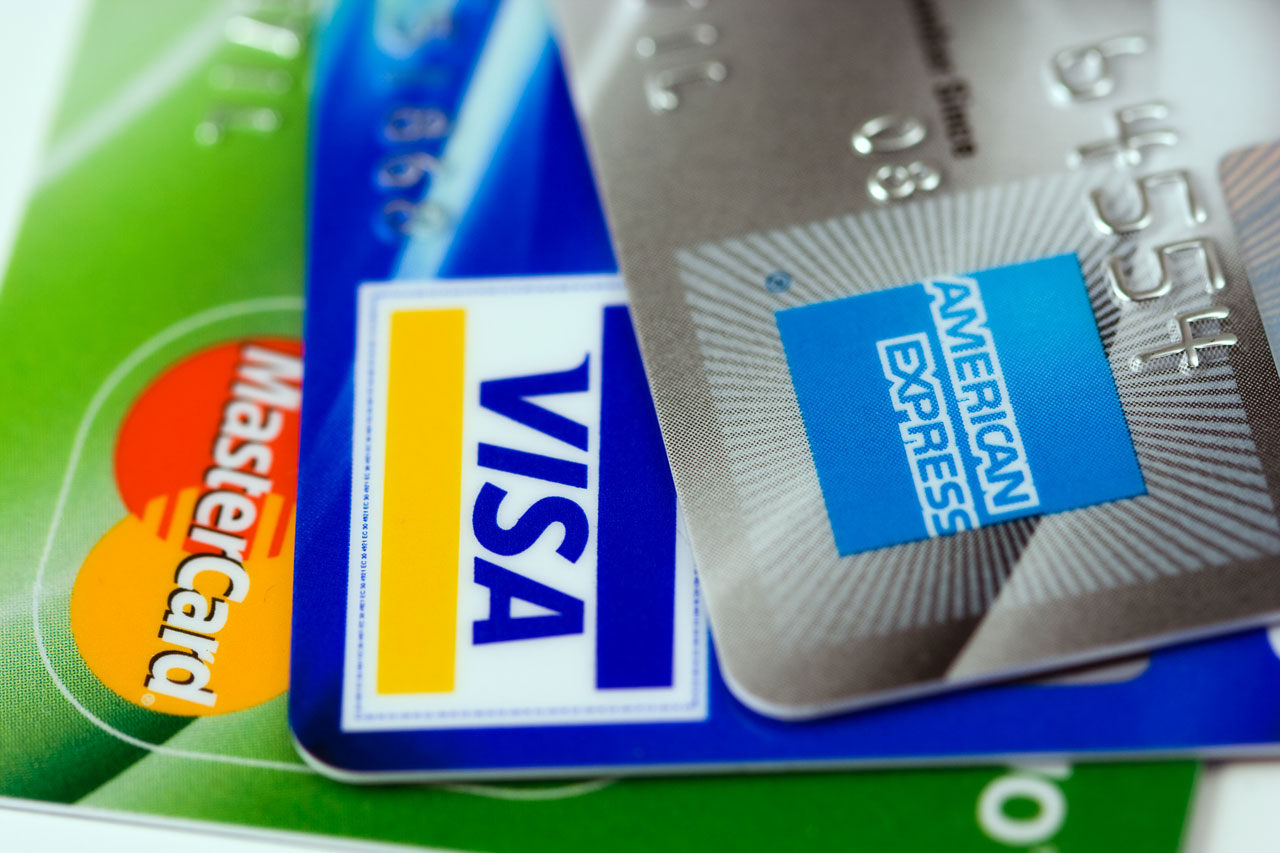
However, the political landscape is currently in a state of flux. With Senator Durbin’s retirement and the loss of Senator Marshall’s seat, the future of proposed legislation—such as the Credit Card Competition Act—remains uncertain. Despite these departures, the momentum for such bills has not dissipated, as various retail lobbying coalitions continue to press the argument that a cap would benefit the average household by lowering retail prices. Critics of the legislation, however, point to the post-2010 environment, noting that there is little evidence that the debit card fee caps led to lower retail prices for consumers. Instead, the savings were largely absorbed by retailers, and the banking industry saw a contraction in the availability of free checking accounts and other consumer-facing financial products.
The Data Behind the Rewards Economy
A common criticism of the current interchange system is that it primarily benefits wealthy cardholders who accrue points for luxury travel. Data from the Consumer Financial Protection Bureau (CFPB) and the Federal Reserve indicates that this perspective is overly reductive.
According to the 2025 CFPB consumer credit card market report, the overwhelming majority of American credit card holders participate in some form of rewards program. These programs are not merely limited to airline miles or hotel points; they include cash-back initiatives that provide tangible financial relief to low- and middle-income households.
A separate study published by the Federal Reserve Bank of New York provides a granular look at the flow of interchange revenue. The study found that banks receive an average of 1.82% in interchange fees on purchase volumes. Of that revenue, approximately 1.57% is paid back to consumers in the form of rewards, cash-back incentives, and insurance protections. This equates to nearly 86% of all issuer interchange revenue being returned directly to the consumer. If government-mandated caps were to reduce the 1.82% fee, the corresponding 1.57% reward expense would be the first line item on the chopping block, effectively eliminating the primary method by which consumers recoup a portion of their everyday spending.
Consumer Protections and the Debit vs. Credit Divide
The utility of a credit card extends well beyond points and miles. Credit cards function as a specialized financial instrument that provides a layer of security between a consumer’s liquid cash and the point of sale.
When a consumer makes a purchase with a debit card, the funds are withdrawn immediately from their checking account. If a fraudulent transaction occurs, the cash is gone while the bank investigates, potentially leaving the consumer without access to funds for rent, utilities, or food. Credit cards, by contrast, utilize a line of credit. If a dispute arises—whether due to fraud or a merchant failing to deliver goods as promised—the consumer can withhold payment while the investigation is underway. This "billing dispute right" is a cornerstone of federal law, providing a financial buffer that debit cards simply cannot match.
Furthermore, many credit cards include supplementary protections, such as:

- Purchase Protection: Coverage against theft or accidental damage to new purchases.
- Extended Warranties: Doubling or extending the manufacturer’s warranty on qualifying items.
- Return Protection: Allowing for returns even when a merchant’s specific policy would otherwise forbid it.
- Travel Insurance: Coverage for trip cancellations, delays, or lost luggage.
These benefits are funded, in part, by the interchange fee structure. Proponents of regulation argue that these services are "optional" and should be paid for via annual fees rather than swipe fees. However, the current model allows these protections to be democratized, providing them to a wide spectrum of users who might otherwise not be willing or able to pay the high annual fees required to maintain such benefits under a subscription-based model.
Broader Implications and Future Outlook
The legislative debate over swipe fees is fundamentally a debate over how the costs of a modern, digital economy should be distributed. Retailers contend that the current system is an anti-competitive tax on their operations. Financial institutions and card networks contend that the system is a highly efficient mechanism that facilitates secure transactions, protects consumers from fraud, and provides a robust incentive structure for credit usage.
If Congress were to successfully implement a cap on credit card interchange fees, the immediate impact would likely be a significant contraction in the value proposition of credit cards. The most immediate effect would be the devaluation or outright elimination of rewards programs. Secondary effects, as highlighted by the Federal Reserve research, would likely include a tightening of credit access for individuals with lower credit scores.
From an analytical standpoint, the history of government price controls in financial services suggests that the "savings" promised to the end consumer are rarely realized in the form of lower shelf prices. Instead, businesses often treat the reduction in interchange fees as a margin-improvement tool. Meanwhile, the consumer loses the tangible value provided by the credit card issuer, including the essential security features and rewards that have become a standard expectation for the modern American household.
As the political cycle continues, the focus will likely shift to whether policymakers can find a middle ground—or if they will pursue a course that fundamentally alters the economics of consumer payments. For the average American, the outcome will dictate not only the cost of their credit cards but the very accessibility of the credit they rely on to navigate their daily financial lives. The evidence suggests that while the current interchange system is often criticized, it provides a level of consumer protection and financial utility that is deeply integrated into the American economy, and any disruption to it carries risks that extend far beyond the balance sheets of banks and retailers.