
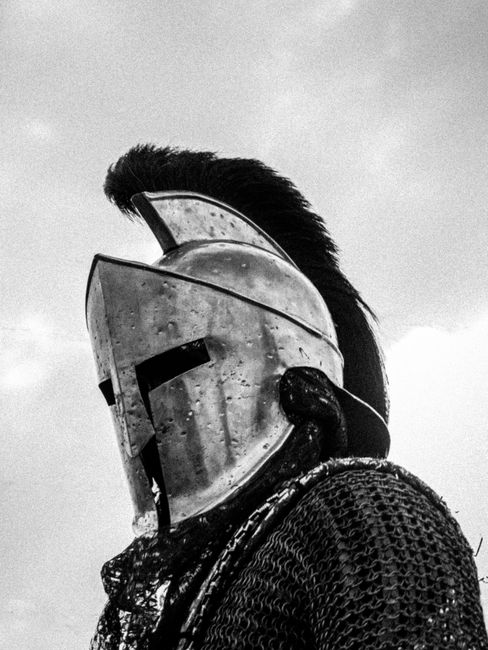
Sparta in Titan Quest: A Legacy of Steel and Sacrifice
Sparta, in the world of Titan Quest, is far more than a mere historical backdrop; it’s a crucible of hardship, a bastion against encroaching darkness, and a testament to the unwavering spirit of mortal resilience. Players venturing into this legendary Greek city-state will encounter a land steeped in martial tradition, haunted by ancient curses, and directly in the path of the Titans’ destructive fury. This article delves into the intricacies of Sparta within the game, examining its geographical representation, the lore that defines its inhabitants and their struggles, the gameplay mechanics tied to its exploration, and its overall significance within the overarching narrative of Titan Quest.
The depiction of Sparta in Titan Quest is both evocative and strategically designed. While not a direct 1:1 recreation of the historical city, the developers have captured its essence through an arid, mountainous landscape punctuated by fortified settlements and ancient ruins. Players will traverse dusty plains, navigate treacherous mountain passes, and delve into shadowed caverns, all within the broader Peloponnesian peninsula. The visual design emphasizes a sense of austerity and weathered strength, mirroring Sparta’s reputation for martial discipline and self-sufficiency. Sun-baked villages, crumbling temples dedicated to warrior gods, and the ever-present threat of monstrous incursions paint a vivid picture of a society under siege. The architecture, while functional and robust, hints at a long history of conflict, with sturdy stone constructions and defensive fortifications being commonplace. The environmental storytelling is crucial, with scattered remnants of battles, abandoned outposts, and the eerie silence of desolate regions all contributing to the palpable sense of danger and desperation that permeates the land.
Lore surrounding Sparta in Titan Quest heavily emphasizes its unwavering resistance to the supernatural threats plaguing the mortal world. Unlike other regions that might succumb to fear or despair, Spartan society is portrayed as an unyielding wall against the encroaching monstrosities. This is rooted in their deeply ingrained warrior culture, where valor, discipline, and a willingness to face death head-on are paramount virtues. The game lore explains that Sparta, even before the Titans’ full resurgence, was a land that understood the fragility of peace and the constant need for vigilance. Their myths and legends are filled with tales of heroic warriors, divine intervention in times of crisis, and the sacrifices made to protect their homeland. When the Titans’ influence began to spread, Sparta’s already hardened populace found themselves facing an even more terrifying enemy. However, their inherent defiance meant they would not break. Instead, their warriors, accustomed to battling formidable foes on their own soil, became a vital bulwark for the rest of Greece. The game mechanics often reflect this, with Spartan soldiers, or representations of them, appearing as formidable allies or important quest givers, embodying the courage and martial prowess expected of them. The lore also subtly hints at the spiritual fortitude of the Spartans, suggesting a connection to their gods that empowers them against the otherworldly horrors. This spiritual strength, combined with their physical prowess, makes them a unique and vital component of the resistance.
Gameplay-wise, Sparta presents a challenging yet rewarding experience for players of Titan Quest. The region is densely populated with a variety of enemies, ranging from common bandits and wild beasts to more formidable mythological creatures aligned with the Titans. Players will engage in intense combat encounters, requiring strategic use of their character’s skills and gear. The difficulty curve typically sees an increase in this area, as the enemies become more specialized and their attack patterns demand careful observation and adaptation. Quests within Sparta often revolve around defending settlements, clearing out monster-infested strongholds, and investigating the source of the unnatural phenomena plaguing the land. These quests serve not only to advance the main storyline but also to immerse the player in the Spartan way of life, highlighting their struggles and their resilience. The loot found in Sparta often reflects its martial theme, with potent weaponry, defensive armor, and items imbued with protective enchantments. Treasure chests and hidden caches are frequently found in dangerous locations, rewarding exploration and encouraging players to push through enemy lines. The environment itself can also play a role in gameplay, with choke points, elevation advantages, and environmental hazards that players can exploit or must overcome. The presence of NPCs, often weary but resolute warriors or wise elders, provide lore snippets, quest objectives, and valuable trading opportunities, further integrating the player into the Spartan narrative.
The significance of Sparta within the broader narrative of Titan Quest is profound. It represents a critical point in the mortal world’s desperate struggle against the resurrected Titans. While the hero is the primary force for good, the collective strength and unwavering spirit of the Spartan people serve as a vital auxiliary. Their resistance buys time for other regions and allows the hero to focus on more direct confrontations with the Titans’ lieutenants. Sparta’s unique blend of martial prowess and spiritual resilience makes them an ideal representation of mortal defiance in the face of overwhelming cosmic power. Their unwavering commitment to defending their homeland, even when outnumbered and outmatched, is a recurring theme that underscores the game’s central message of hope and perseverance. The fall of other regions or civilizations to the Titans serves as a stark contrast to Sparta’s enduring defiance, making their continued stand all the more impactful. Moreover, Sparta’s presence allows for the introduction of specific Greek mythological figures and creatures that are intrinsically tied to the region’s lore, enriching the overall mythology of the game. The player’s interactions with the Spartans, their battles fought alongside them, and their efforts to secure their survival are all crucial elements that contribute to the feeling of a world on the brink, where every victory, no matter how small, is vital.
The enemy types encountered in Sparta are diverse and challenging, reflecting the region’s inherent dangers and its role as a nexus of Titan influence. Players will face the familiar threats of mutated wildlife, such as monstrous wolves and giant scorpions, their aggression amplified by the encroaching darkness. However, the more unique and dangerous adversaries that emerge here include corrupted humanoids, often former inhabitants driven mad or transformed by the Titans’ power, and mythological beasts that have been twisted and empowered by dark magic. These can include creatures like Cyclops, who are territorial and incredibly destructive, or Furies, agile and deadly aerial threats. The game’s designers have ensured that the encounters in Sparta require players to adapt their combat strategies. For instance, fighting hordes of berserkers might necessitate crowd control skills, while dealing with powerful, single targets like a Golem requires focused damage and defensive maneuvers. The lore often explains the origins of these creatures, linking them to the ancient curses that plague Sparta or the direct incursions of Titan-aligned forces. This provides context for the player’s battles, making each enemy encounter feel more meaningful within the game’s narrative. The progression of enemy difficulty in Sparta is a carefully considered aspect, designed to test the player’s mastery of their chosen class and skills, forcing them to refine their build and tactics.
The quest lines in Sparta often revolve around protecting its people and uncovering the roots of the corruption. Players might be tasked with aiding Spartan patrols in ambushes, clearing out ancient tombs infested with undead horrors, or investigating mysterious phenomena that have caused livestock to mutate or villagers to disappear. One significant narrative arc often involves the discovery of ancient artifacts or prophecies that hold clues to the Titans’ weaknesses or their plans for the region. These quests not only provide tangible rewards in the form of experience and loot but also deepen the player’s understanding of the ongoing conflict. The dialogues with Spartan NPCs are usually direct and to the point, reflecting their pragmatic nature. They will convey the urgency of the situation and the dire need for assistance, often without embellishment. This directness in storytelling contributes to the gritty and determined atmosphere of Sparta. The lore presented through these quests often touches upon Spartan history, their relationship with the gods, and the sacrifices they have made throughout their existence, further enriching the player’s immersion.
The environmental design of Sparta in Titan Quest is crucial to its atmosphere and gameplay. The arid, rocky terrain creates a sense of desolation and hardship, a reflection of the region’s unforgiving climate and the constant state of conflict. Jagged mountain ranges, dusty plains, and hidden valleys are common features, offering both strategic advantages and dangerous ambushes. Crumbling fortresses and ancient ruins dot the landscape, serving as reminders of past glories and current struggles. These ruins often harbor dangerous creatures and hidden treasures, encouraging exploration. The use of lighting and sound design further enhances the immersion. The harsh sunlight glinting off armor, the wind whistling through rocky outcrops, and the distant cries of monsters all contribute to the palpable sense of danger. Water sources are scarce, and the landscape often feels parched, emphasizing the resourcefulness and resilience required to survive in such an environment. The transition between open areas and more confined spaces, such as caves and abandoned buildings, keeps the gameplay varied and prevents monotony.
Sparta’s unique visual and thematic elements make it a memorable and impactful region within Titan Quest. Its stark beauty, combined with the pervasive sense of struggle and defiance, creates a powerful impression on players. The developers have successfully translated the historical and mythological reputation of Sparta into a compelling in-game experience. The region serves as a testament to the enduring spirit of humanity in the face of overwhelming adversity, a theme that is central to the entire Titan Quest saga. The player’s journey through Sparta is not just about overcoming monsters; it’s about witnessing and participating in the unwavering stand of a people who refuse to be broken. This makes Sparta a vital and unforgettable chapter in the epic tale of Titan Quest. The legacy of their martial prowess and their unyielding spirit resonates throughout the game, serving as an inspiration and a vital component of the mortal resistance against the Titan threat.





Leave a Reply