The Lexington-Fayette Urban County Council reached a significant legislative milestone on Thursday, voting to approve a zoning ordinance text amendment (ZOTA) that permits the development of large-scale solar energy projects on a strictly limited portion of Fayette County’s landscape. By capping land use at no more than one percent of the county’s total acreage, the council has established a controlled pathway for renewable energy expansion. Crucially, the legislation mandates that all approved projects must employ agrivoltaic practices—a dual-use land management strategy that integrates solar photovoltaic arrays with ongoing agricultural production. This decision reflects a broader, national trend toward reconciling the competing demands of renewable energy infrastructure and land conservation, particularly in regions with deep-seated agricultural traditions.
The Evolution of the Fayette County Zoning Debate
The path to Thursday’s vote was characterized by extensive deliberation between municipal planners, environmental advocates, and the local agricultural community. For months, the Lexington-Fayette Urban County Council navigated the complexities of land-use policy, weighing the urgent need for climate-conscious infrastructure against the desire to preserve the integrity of the Bluegrass region’s rural character.
The debate intensified in early 2026, as the city’s "Race to Net Zero" initiative—a long-term strategic plan aiming for carbon neutrality by 2050—faced practical implementation hurdles. Officials recognized that while rooftop solar installations contribute to local energy goals, they lack the capacity to meet the utility-scale demands necessary for systemic decarbonization. The ZOTA was introduced as a compromise: a mechanism to facilitate significant energy generation while maintaining the agricultural utility of the land.
Throughout the legislative process, proponents argued that the current energy grid’s reliance on fossil fuels—often sourced from outside the immediate region—leaves local residents vulnerable to price volatility. By decentralizing power production and incorporating renewable sources, Lexington seeks to insulate its economy from external energy shocks.
Understanding the Agrivoltaic Model
Agrivoltaics represents a sophisticated evolution of solar development. Unlike conventional utility-scale solar farms, which often involve fencing off large tracts of land and removing vegetation, agrivoltaic systems are designed to coexist with farming. These installations typically elevate solar panels to heights that allow for the movement of farm machinery, the grazing of livestock, or the cultivation of shade-tolerant crops.
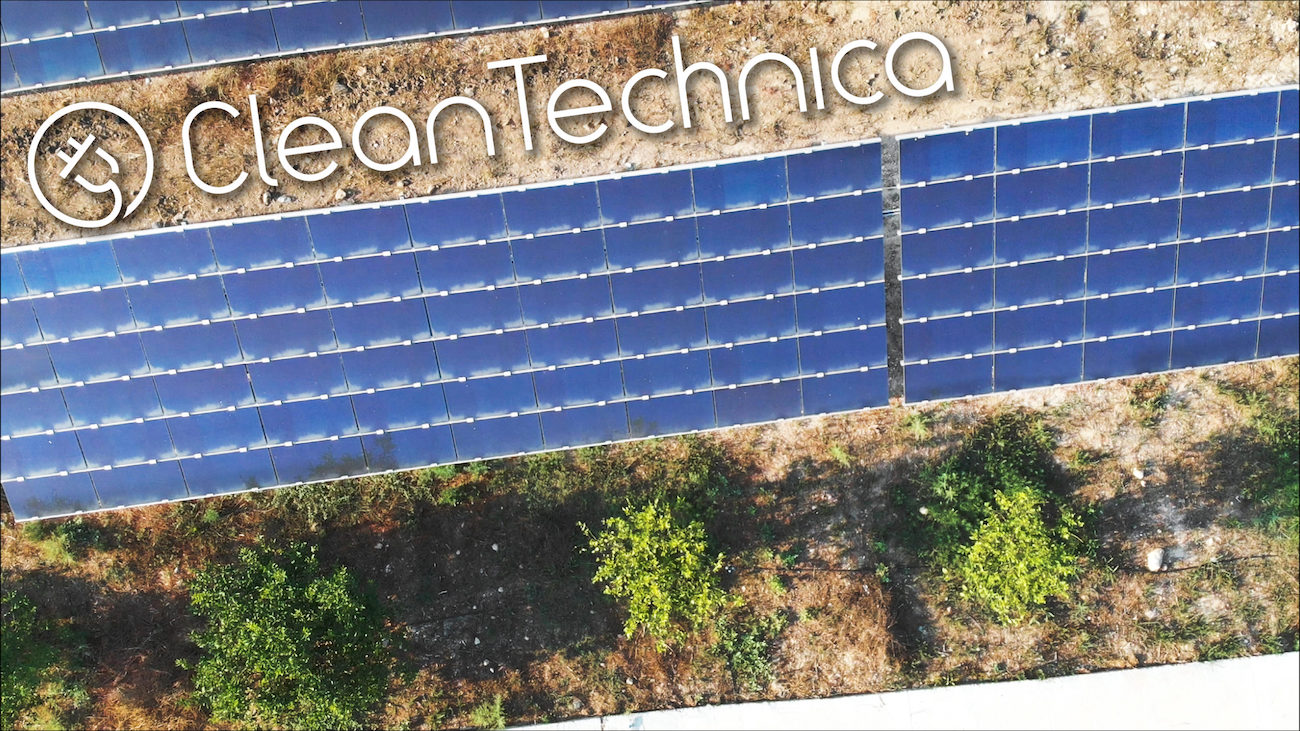
This model addresses one of the primary criticisms of large-scale solar projects: land sterilization. By maintaining agricultural operations beneath the panels, landowners can generate a diversified income stream, combining energy leases with agricultural output. Furthermore, research suggests that the presence of solar arrays can improve micro-climates for certain crops, reducing water evaporation and providing protection from extreme weather events. For Fayette County, this ensures that the one-percent land allotment is not "lost" to development but is rather repurposed for a more efficient, dual-purpose utilization.
Supporting Data and Energy Projections
The scale of this policy shift is significant when measured against the performance of current energy infrastructure. Based on projections provided during the council’s deliberations, the designated one-percent allotment in Fayette County is expected to generate energy equivalent to more than 30,000 residential rooftop solar installations.
For the average household, this transition is projected to have tangible benefits. By integrating more local, renewable energy into the municipal grid, the city expects to see long-term downward pressure on electricity rates. Data from the Department of Energy indicates that localized energy production reduces the cost of transmission and distribution—expenses that are typically passed on to the consumer. Furthermore, the reduction of fossil-fuel combustion in the region is expected to correlate with a decrease in local air pollutants, such as particulate matter and nitrogen oxides, which are known to contribute to respiratory health issues in urban populations.
Official Responses and Community Perspectives
The decision has garnered a spectrum of responses from local stakeholders. The Sierra Club, which played an instrumental role in advocating for the ordinance, expressed strong support for the council’s decision. Judy Humble, a member of the Sierra Club Kentucky Executive Committee, underscored the importance of the "guardrails" embedded in the legislation.
"We are thrilled that the Council has determined that agrivoltaic solar projects are a promising, worthwhile solution to Kentucky’s reliance on unaffordable, air-polluting fossil fuels," Humble stated following the vote. "With the guardrails introduced by the Council, agrivoltaic solar is a win for Lexington and Fayette County families who are in need of more affordable energy, cleaner air, and progress toward reducing greenhouse gas emissions."
Humble also appealed directly to Mayor Linda Gorton, urging the executive branch to allow the amendment to proceed without interference. The request highlights the ongoing political tension surrounding the project, as local leaders weigh the economic benefits of energy independence against the concerns of constituents who remain wary of changing the rural landscape.

Broader Implications for Kentucky’s Energy Future
The passage of this ZOTA serves as a pilot case for other municipalities across Kentucky. As the state grapples with its transition away from coal-dependent energy, the model of limited, regulated, and dual-use solar development provides a blueprint for how conservative land-use policies can coexist with modern climate goals.
If the Fayette County experiment proves successful, it could signal a shift in regional energy policy. The implications are three-fold:
- Economic Resilience: By diversifying the income streams for local farmers, the policy supports the long-term viability of small and mid-sized agricultural operations, which have struggled against rising operational costs.
- Environmental Health: The reduction in greenhouse gas emissions is a critical component of the city’s broader commitment to climate mitigation, aligning local practices with national and international environmental standards.
- Technological Integration: The requirement for agrivoltaics encourages innovation in solar design, potentially leading to local investment in specialized equipment that can be used elsewhere, thereby fostering a niche "green tech" economy within the region.
The Path Forward: Monitoring and Implementation
The implementation phase will be closely watched by city planners and the public alike. The ordinance includes specific requirements for project site restoration, ensuring that if solar infrastructure is decommissioned in the future, the land remains suitable for full-scale agricultural use. This "reversibility" clause was a primary concern for the agricultural community, ensuring that the current zoning adjustment does not permanently alter the land’s zoning status or its utility for future generations.
The Fayette County Urban County Council has established a monitoring committee tasked with assessing the impact of the first wave of approved projects. This committee will evaluate everything from energy output efficiency to soil health metrics and the success of the agricultural components on the sites. These data points will be essential for determining whether the one-percent threshold remains appropriate or if adjustments are needed as technology and energy needs continue to evolve.
Ultimately, the decision to open one percent of the county to agrivoltaics reflects a pragmatic approach to a complex global challenge. By prioritizing land efficiency and emphasizing the integration of energy and agriculture, Lexington and Fayette County are positioning themselves as leaders in the regional transition toward a cleaner, more affordable, and more resilient energy future. The coming years will reveal whether this calculated, incremental approach can serve as the definitive solution for local energy autonomy in the face of a rapidly warming planet.