
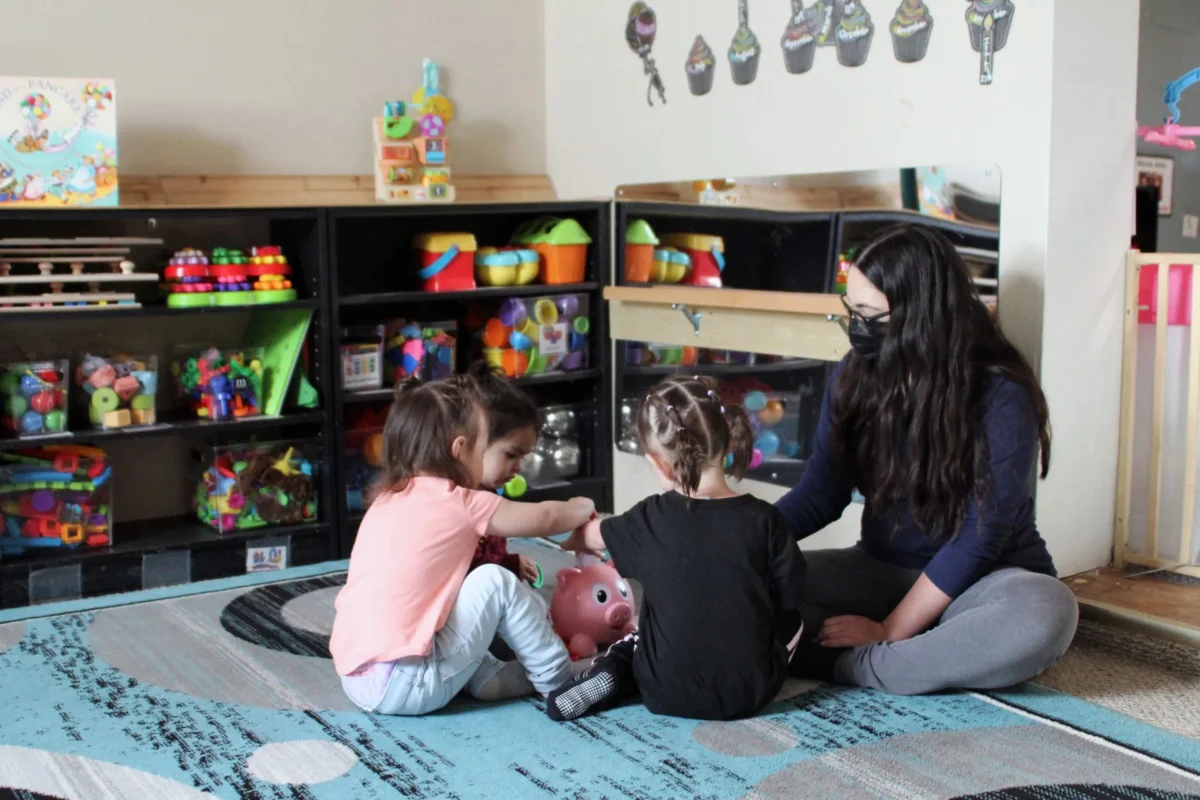
In the Bronx, the intersection of dwindling city vouchers and the conclusion of a revolutionary pilot program has left home-based child care providers like Gertrudis Espinal in a precarious position. Throughout the latter half of 2025, Espinal witnessed a distressing trend: one by one, children began disappearing from the child care program she operates out of her home. The families she serves, many of whom rely on municipal assistance to afford the rising costs of early education, found themselves stranded as New York City’s voucher funds dried up. By February, Espinal’s enrollment had plummeted to just seven children—half of what she had maintained only a year prior. For Espinal, the shift from educator to advocate is a reluctant one. She maintains that the focus should remain on the children’s future and their foundational learning, rather than a constant, exhausting struggle for the financial survival of her business.
The plight of providers like Espinal highlights a systemic vulnerability within the New York City child care landscape. For the majority of low-income families in the city, home-based programs are the primary choice for child care, offering flexible hours and neighborhood proximity that larger, center-based facilities often cannot match. However, these small-scale operations are uniquely susceptible to economic volatility. Unlike large centers, home-based providers typically enroll fewer children, meaning the loss of even two or three vouchers can be catastrophic. Furthermore, these independent educators often lack the administrative infrastructure to apply for complex state grants or access the private philanthropic resources available to larger non-profit organizations.
A Lifeline in the Bronx: The Thriving Providers Project
Amidst these systemic failures, private initiatives have stepped in to test new models of support. Espinal was one of 50 Bronx-based providers selected for the Thriving Providers Project, a guaranteed income pilot program managed by the national non-profit Home Grown. Partnering with the advocacy group All Our Kin, the project sought to provide a financial floor for those who provide the "care behind the care" in the American economy.
Starting in June 2024, the program provided Espinal with $1,000 monthly, distributed in bi-weekly increments of $500. Crucially, the funds came with no restrictions, allowing providers to address their most pressing needs without the bureaucratic hurdles often associated with government subsidies. For Espinal, this meant a transition from survival mode to professional growth. She utilized the funds to upgrade her curriculum materials, purchasing books, art supplies, and a sand and water sensory table—tools essential for the cognitive and tactile development of the toddlers in her care.
Beyond the classroom, the stipend addressed the personal financial strain that often forces providers out of the industry. Espinal used the money to pay electricity bills that she had previously been forced to carry on high-interest credit cards. This financial stability had a direct impact on the quality of care she provided. "It gave me peace of mind," Espinal noted, explaining that when a provider is not preoccupied with their own basic needs, they can project a more peaceful and nurturing environment for the children. This "peace of mind" is not merely a personal benefit; it is a critical component of early childhood development, as children thrive most in stable, low-stress environments.
The Rising Costs of Quality Care
The economic pressure on home-based providers is not limited to fluctuating enrollment. Inflation and the rising cost of living have hit the child care sector with particular force. Elizabeth Olivo, another Bronx provider and participant in the Thriving Providers Project, emphasized that nearly every major operating expense has surged in recent years. From nutritious food for the children to cleaning supplies and educational toys, the cost of maintaining a high-quality program has outpaced the growth of state and city reimbursement rates.
Recent economic data supports Olivo’s observations. Across the United States, child care providers are facing a "scissors effect": operating costs are rising sharply while the ability of parents to pay more is reaching a breaking point. In many instances, providers are forced to choose between raising tuition—thereby pricing out the very families they wish to serve—or absorbing the costs themselves, leading to poverty-level wages for the educators. Olivo expressed a deep fear that without sustained, predictable support, the current status quo will lead to a mass exodus of providers, further deepening the child care "deserts" that already plague many urban and rural communities.
Data-Driven Success: Why Guaranteed Income Works for Educators
The results of the Thriving Providers Project are backed by rigorous research conducted by Stanford University’s Center on Early Childhood. The midpoint findings of the Bronx pilot showed that predictable, unrestricted funds allowed early educators to pay off high-interest debt, secure food for their own families, and invest in their businesses. In several documented cases, the $1,000 monthly stipend was the sole factor preventing a provider from closing their doors permanently.
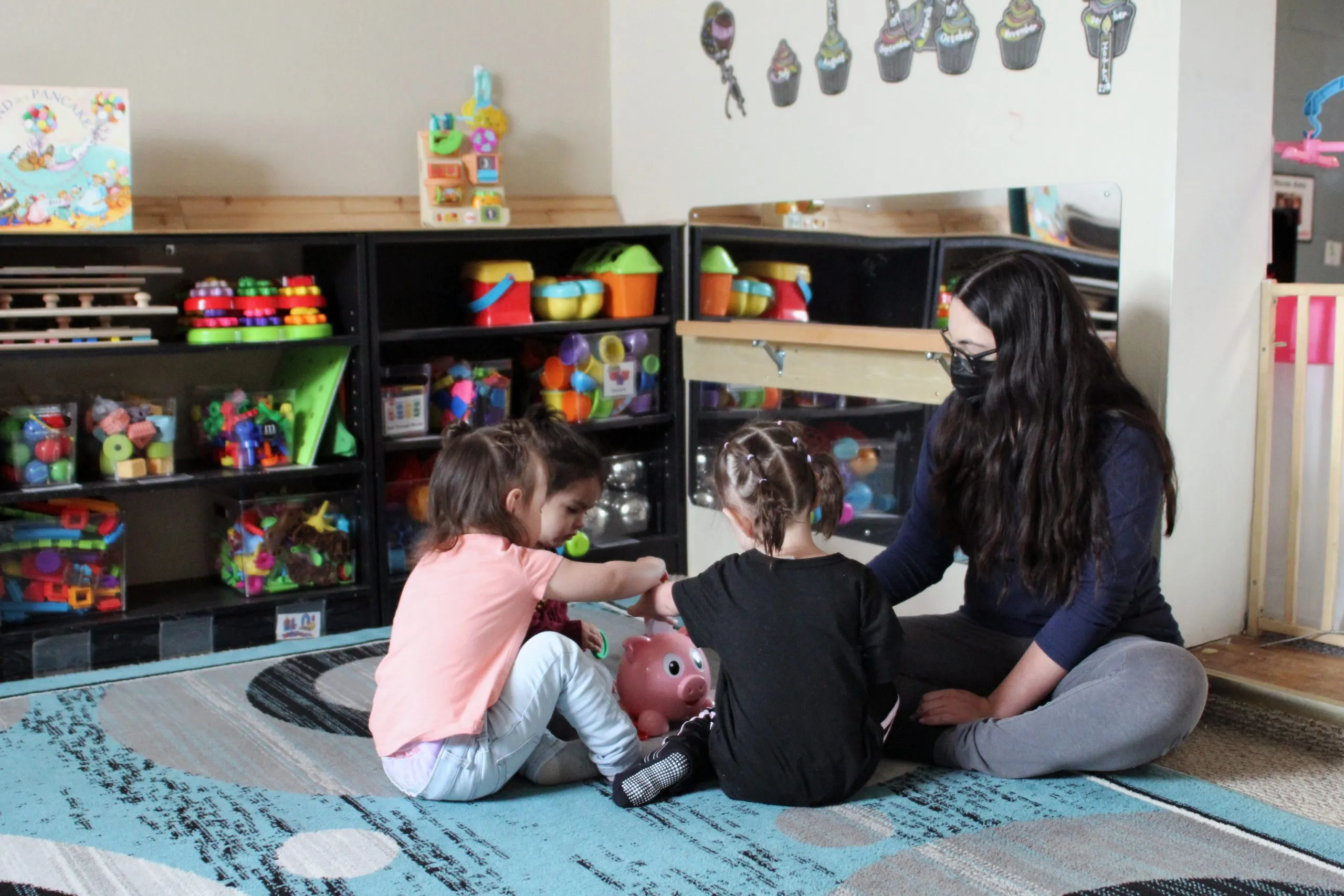
The necessity for reliable income is exacerbated by the volatility of state voucher policies. In New York and many other states, child care income is tied directly to daily attendance and specific enrollment metrics. If a child is sick or a family loses their voucher eligibility due to a change in employment, the provider’s income drops instantly. This makes budgeting nearly impossible for small business owners. Lara Kyriakou, senior director of policy at All Our Kin, argues that family child care is still waiting for a compensation model that reflects the "true cost of care." According to Kyriakou, predictable funding ensures a continuity of care that is vital for children’s emotional and social development.
Lessons from Washington D.C. and Beyond
The success of the Bronx pilot mirrors larger-scale initiatives in other jurisdictions. In the District of Columbia, the Early Childhood Educator Pay Equity Fund has set a national benchmark. Beginning in 2022, the program offered wage supplements ranging from $10,000 to $14,000 per year to both home-based and center-based providers. Research conducted by Mathematica found that this investment led to a 7 percent increase in child care employment within just two years. By raising the floor for educator wages, the city was able to stabilize its workforce and increase the number of available slots for families.
Similarly, modest cash bonuses and stipend programs in California and Virginia have been linked to improved retention rates in a field where turnover is chronically high. Nationwide, the median salary for a child care worker remains approximately $13 an hour—a figure that often places these essential workers below the poverty line. Advocates argue that if the goal is to provide high-quality early education, the workforce must be compensated as professionals rather than seasonal labor.
Political Roadblocks and the Future of Federal Support
Despite the clear data supporting the benefits of child care investment, the political path forward remains fraught with obstacles. In New York, advocates are currently lobbying for a $500 million allocation in the state budget to boost provider compensation. This proposal, championed by a coalition of lawmakers known as the "Mom Squad," aims to bridge the gap between current reimbursement rates and the actual cost of living. However, as budget negotiations continue in Albany, there is no guarantee that this funding will remain in the final version.
The prospects for federal intervention appear even slimmer. In recent statements, former President Donald Trump expressed skepticism regarding the federal government’s role in child care funding. "We’re fighting wars. We can’t take care of day care," Trump stated during an April appearance, suggesting that the responsibility and the financial burden should rest solely with individual states.
This "state-first" approach is already being tested, with mixed results. While some states have attempted to maintain funding, many others have begun slashing child care budgets as pandemic-era federal relief funds expire. This has created a "funding cliff" that has already led to longer waitlists for families and the closure of hundreds of programs nationwide. Even the acclaimed pay equity initiative in Washington D.C. is currently facing the threat of elimination as the city grapples with its own budget deficits.
The Human Cost of Inconsistent Funding
For Gertrudis Espinal, the end of the Thriving Providers Project marks a return to a state of constant anxiety. As the monthly stipends ceased and voucher funding remained stagnant, the financial pressure forced her to make the difficult decision to let go of her assistants. She is once again a solo operator, struggling to manage the demands of seven children while worrying about the next utility bill.
The story of the Bronx pilot is a microcosm of the broader American child care crisis. It demonstrates that while private philanthropy can provide a temporary bridge, it cannot replace a permanent, publicly funded infrastructure. "We really need more of this funding, not just in a project, but consistently," Espinal said. Her plea is echoed by thousands of providers across the country who argue that early childhood education is a public good that requires a public investment.
As the industry stands on the brink of further contraction, the implications extend far beyond the providers themselves. Without a stable child care sector, parents—particularly women—are often forced to exit the workforce, creating a ripple effect that hampers broader economic growth. For the children, the loss of a consistent, nurturing caregiver during their most formative years can have long-lasting effects on their academic and social trajectories. The fight for funding, as Espinal noted, is ultimately a fight for the future. Without a shift in how society values and funds early care, the "peace of mind" required to raise the next generation will remain a luxury that few providers can afford.









Leave a Reply