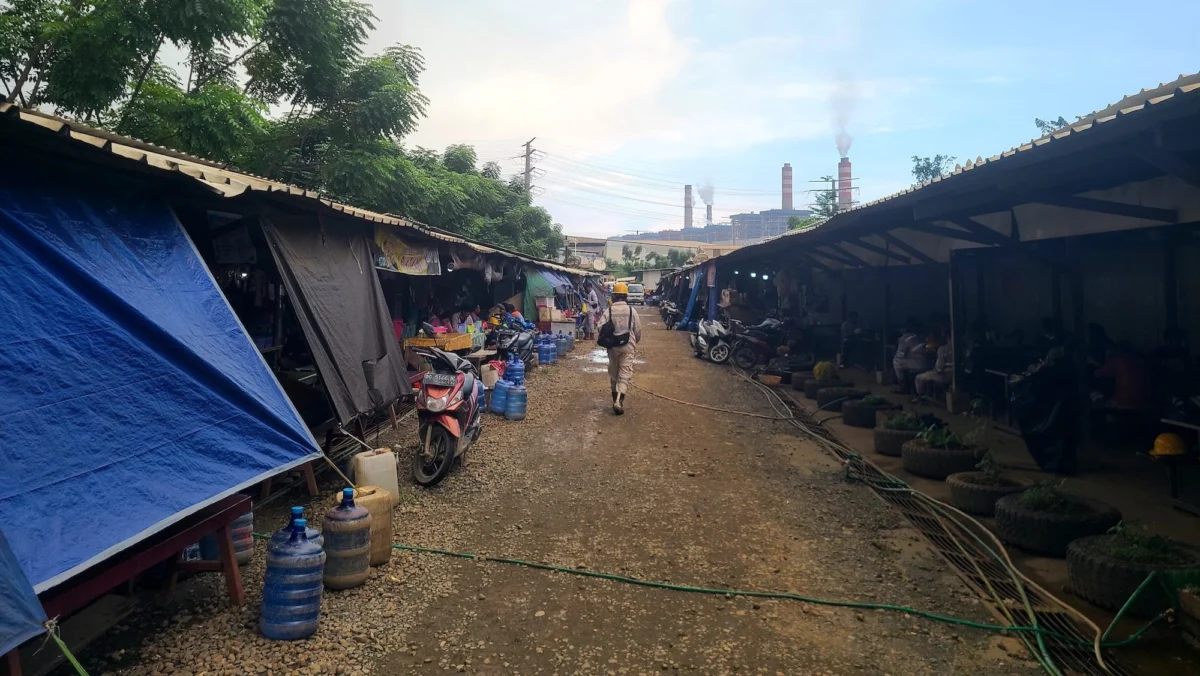
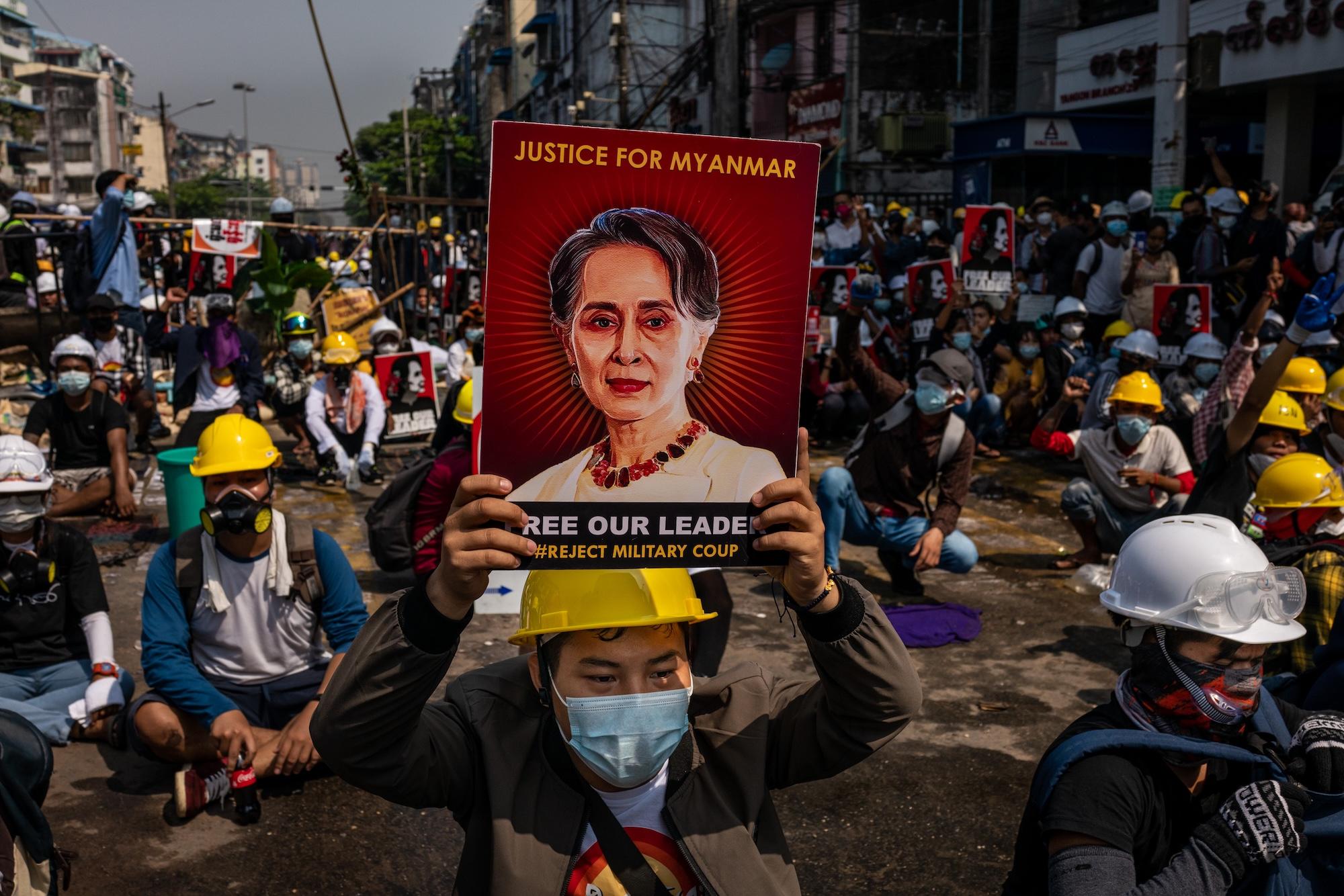
When Min left the sun-scorched, dusty plains of central Myanmar for the rugged, mountainous terrain of the eastern border with China earlier this year, he was not seeking adventure, but survival. Following the 2021 military coup that ousted the democratically elected government of Aung San Suu Kyi, the formal economy of Myanmar has been in a state of freefall. For young men like Min, hailing from the Sagaing Region—an area that has become the epicenter of armed resistance and, consequently, a primary target for military airstrikes—the options were vanishingly thin. The introduction of mandatory conscription in 2024 by the ruling junta acted as the final catalyst, driving a massive exodus of youth toward the lawless borderlands.
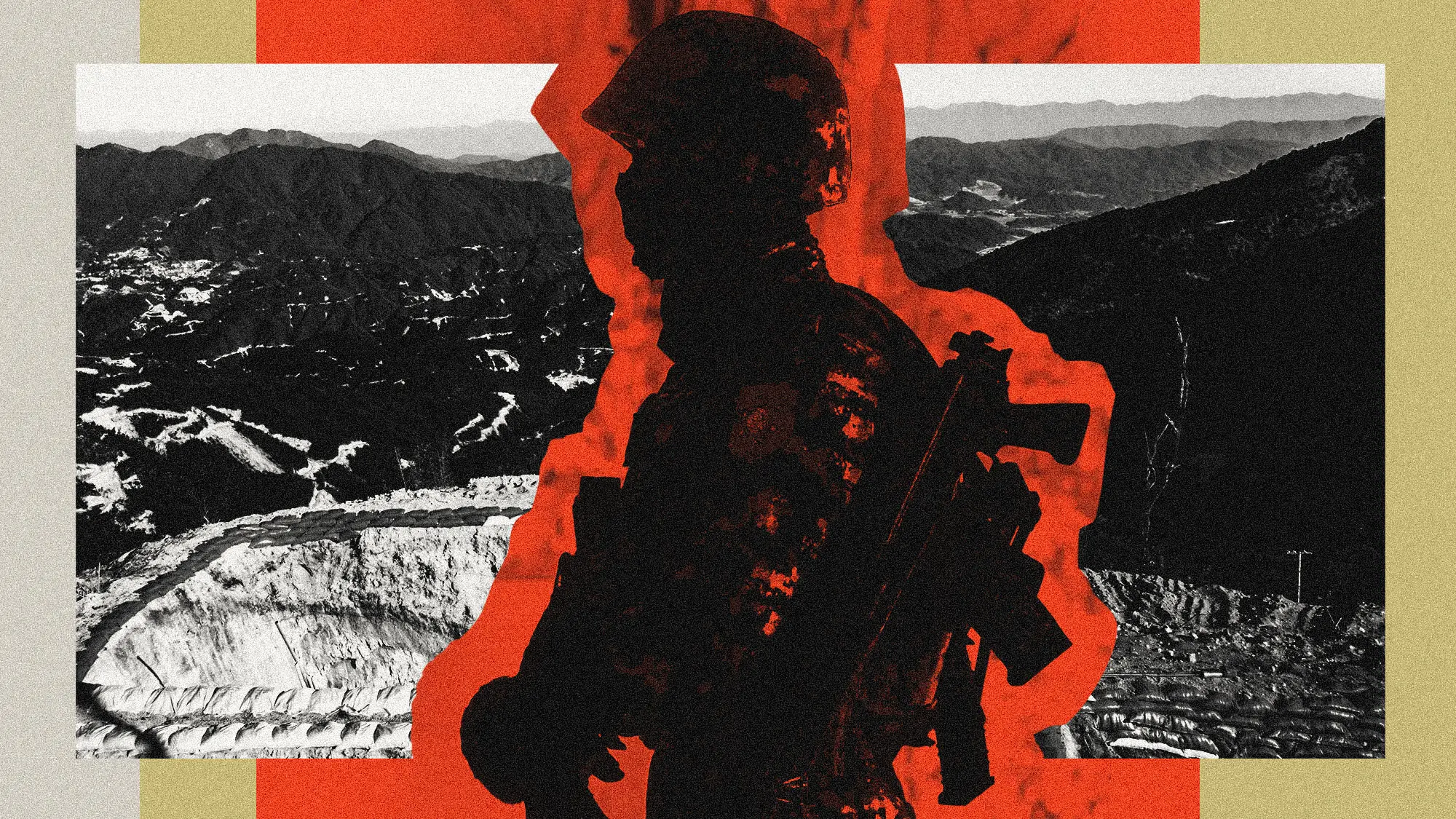
Min paid a broker 2,000 Chinese yuan ($290) to secure positions for himself and his younger brother at a rare earth mining site. The location was situated within an autonomous region controlled by a powerful ethnic army, a common arrangement in Myanmar’s fragmented geopolitical landscape. While the monthly salary of 3,000 yuan ($430) was significantly higher than what they could earn elsewhere, the environment was lethal. Within weeks, Min’s brother was killed in a landslide while operating heavy machinery on a steep, unstable slope. His body was never recovered, and the family was forced to perform religious rites without his remains.
"Despite the risks, I continue working," Min said, speaking under a pseudonym for his safety. "There are not many other job options." Min’s story is a microcosm of a much larger, global crisis: the hidden human and environmental cost of the "green energy" revolution.
The Global Hunger for Critical Minerals
Rare earths are a group of 17 elements essential to modern technology. While they are found across the Earth’s crust, they are rarely found in concentrations high enough to make extraction economically viable. These elements are divided into "light" and "heavy" rare earths. Myanmar has emerged as the world’s primary source of heavy rare earths, specifically dysprosium and terbium. These are critical components in the manufacture of neodymium-iron-boron (NdFeB) magnets, which are essential for the permanent magnet motors used in electric vehicles (EVs) and offshore wind turbines.
According to data from the U.S. Department of Energy, industrial motors and consumer electronics accounted for nearly 60% of global NdFeB magnet demand as of 2020. However, as the world pivots toward renewable energy, the demand for these magnets in the EV and wind sectors is projected to account for nearly two-thirds of global demand by 2030. Furthermore, these minerals are indispensable in advanced weaponry, including missile guidance systems and stealth technology, making them a cornerstone of national security for global superpowers.
As the United States and China engage in an intensifying trade war, control over these supply chains has become a matter of geostrategic dominance. China currently holds more than 90% of the world’s rare earth processing capacity. When China began restricting exports of heavy rare earths in 2023 in response to U.S. tariffs, the global market turned its eyes toward Myanmar, which had already surpassed China as the largest source of heavy rare earth feedstock in 2021.
A Chronology of Extraction and Conflict
The history of mining in Myanmar’s borderlands is inextricably linked to its decades-long civil war, the longest ongoing conflict in the world. Since gaining independence from Britain in 1948, the country has been plagued by strife between the central Burman-majority government and various ethnic minority groups seeking autonomy.
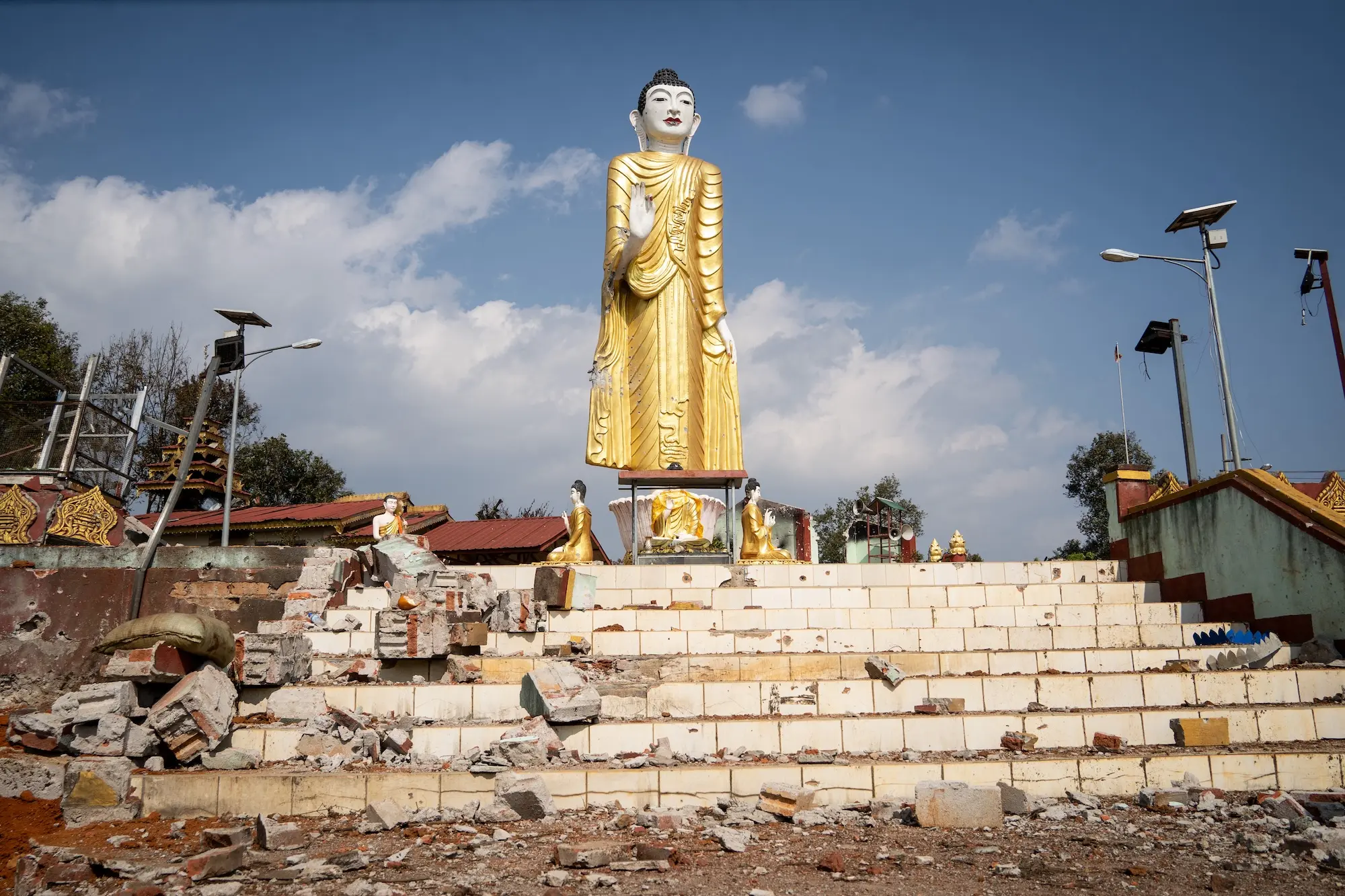
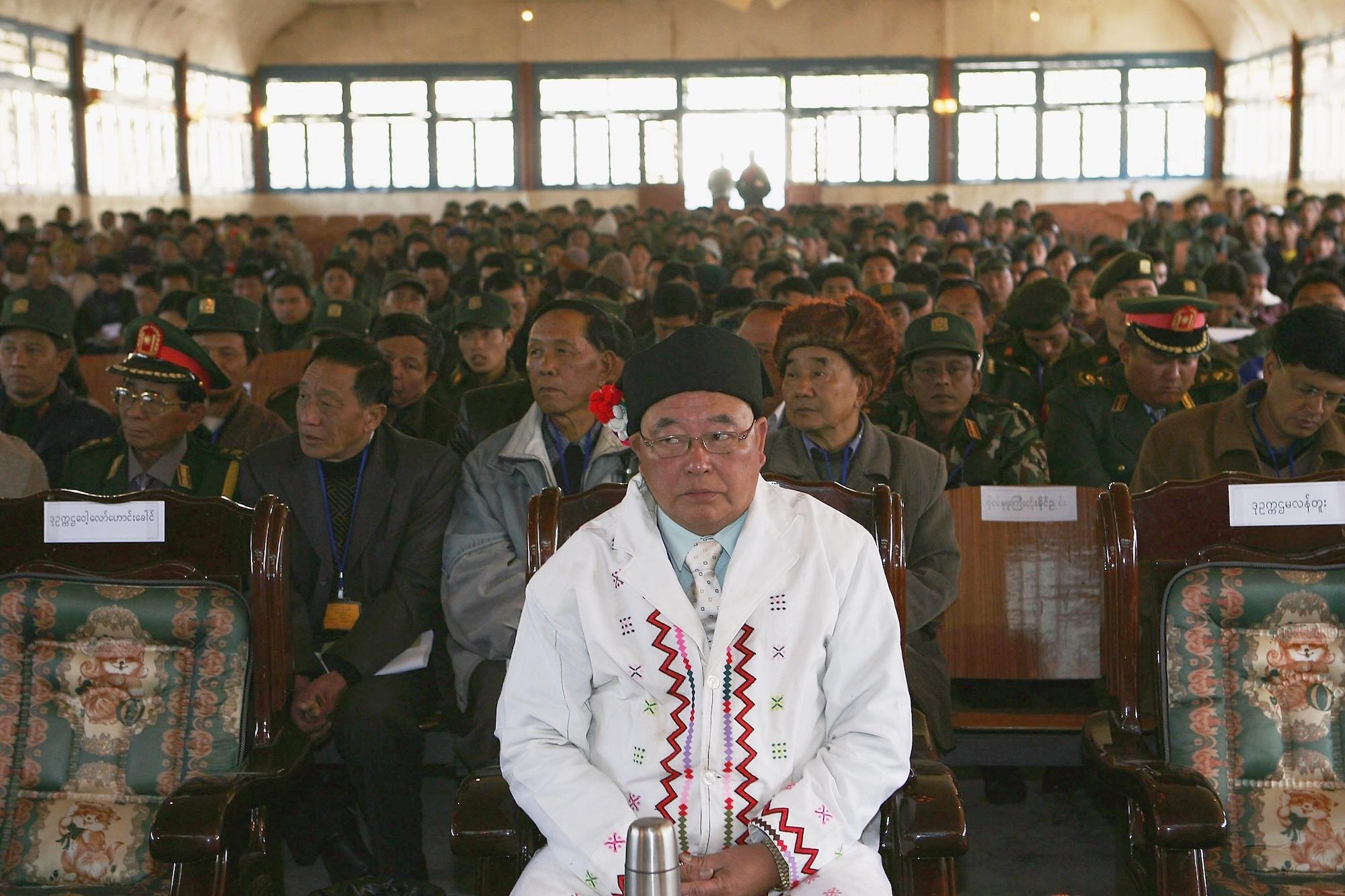
- The Ceasefire Era (1989–2011): During the late 1980s, the military government began signing ceasefires with various ethnic armed groups. In exchange for stopping their insurgencies, these groups were granted "Special Regions" with high levels of autonomy. Warlords like Zahkung Ting Ying of the New Democratic Army-Kachin (NDA-K) turned these regions into hubs for "ceasefire capitalism," extracting timber, jade, and gold to fund their private armies.
- The Industrial Shift (2012–2017): As China faced mounting domestic pressure over the environmental devastation caused by rare earth mining in its own southern provinces, it began outsourcing the "dirty" work to Myanmar. By 2017, satellite imagery and customs data indicated that rare earth mining in Myanmar’s Kachin State had reached an industrial scale.
- The Post-Coup Boom (2021–Present): The February 2021 military coup accelerated the industry. With the formal economy shattered, the junta and various armed groups became increasingly dependent on illicit resource extraction. Between 2017 and 2024, China imported more than 320,000 tons of rare earths from Myanmar, representing two-thirds of its total imports.
The Environmental "Sacrifice Zones"
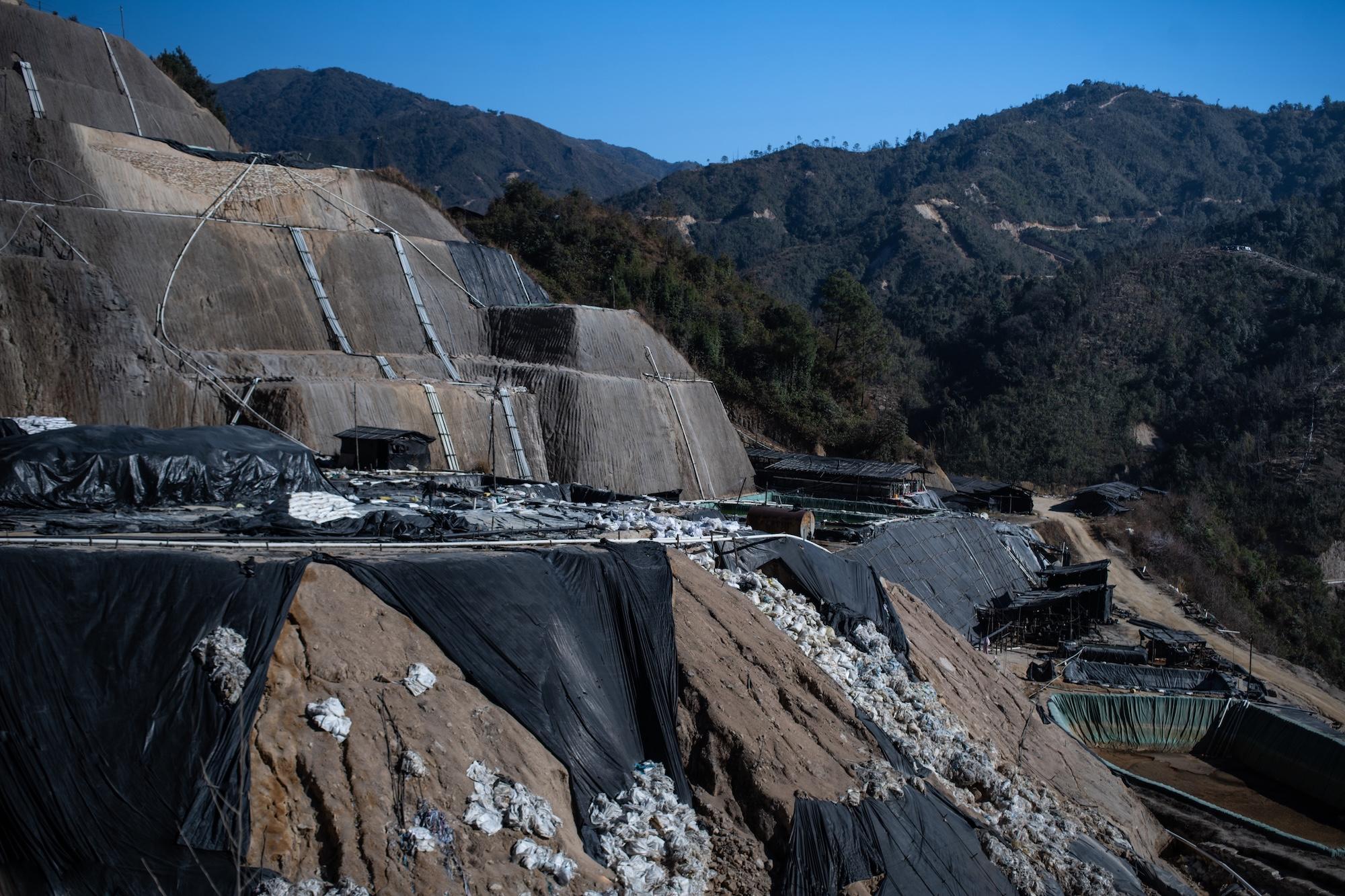
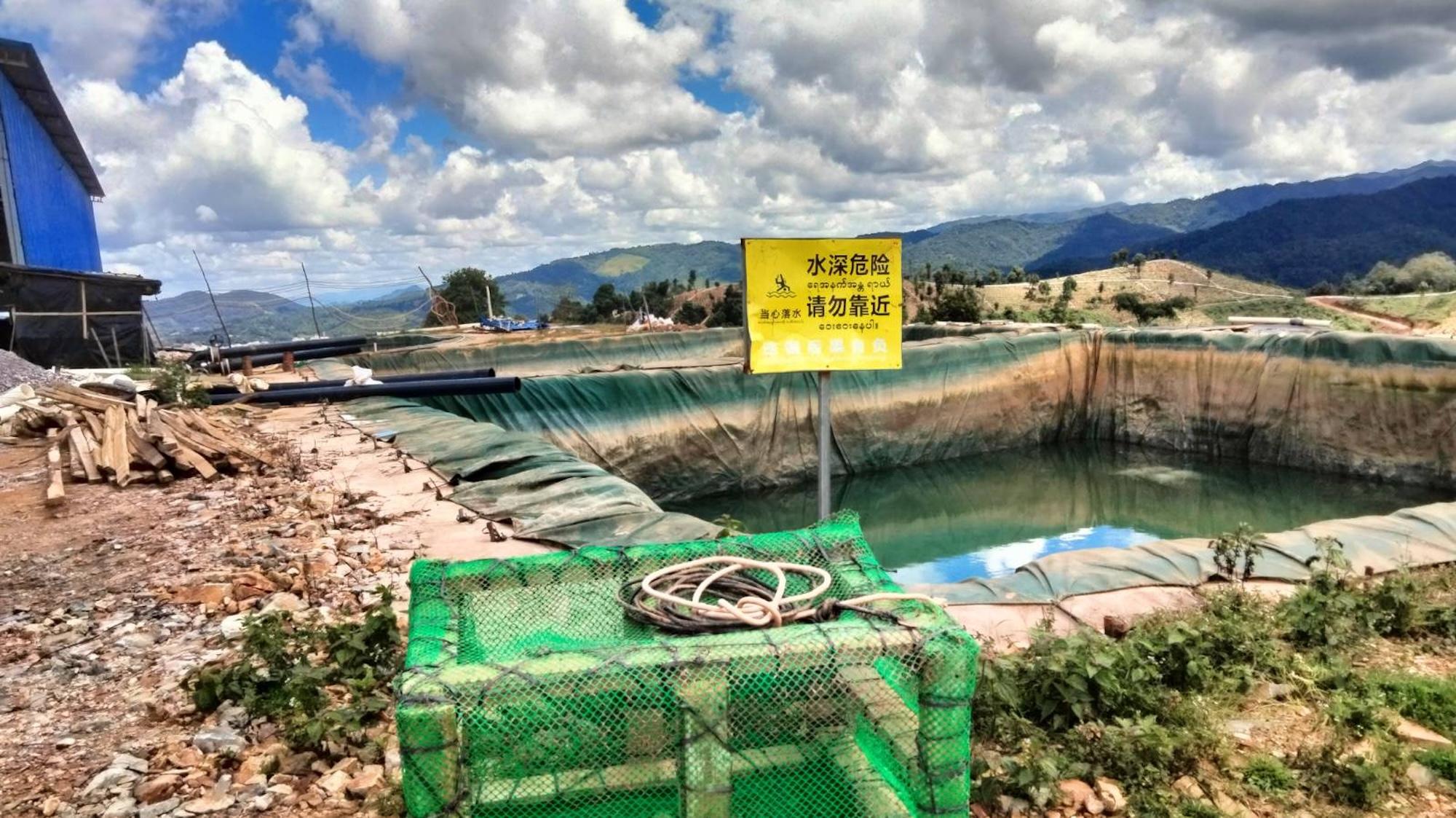
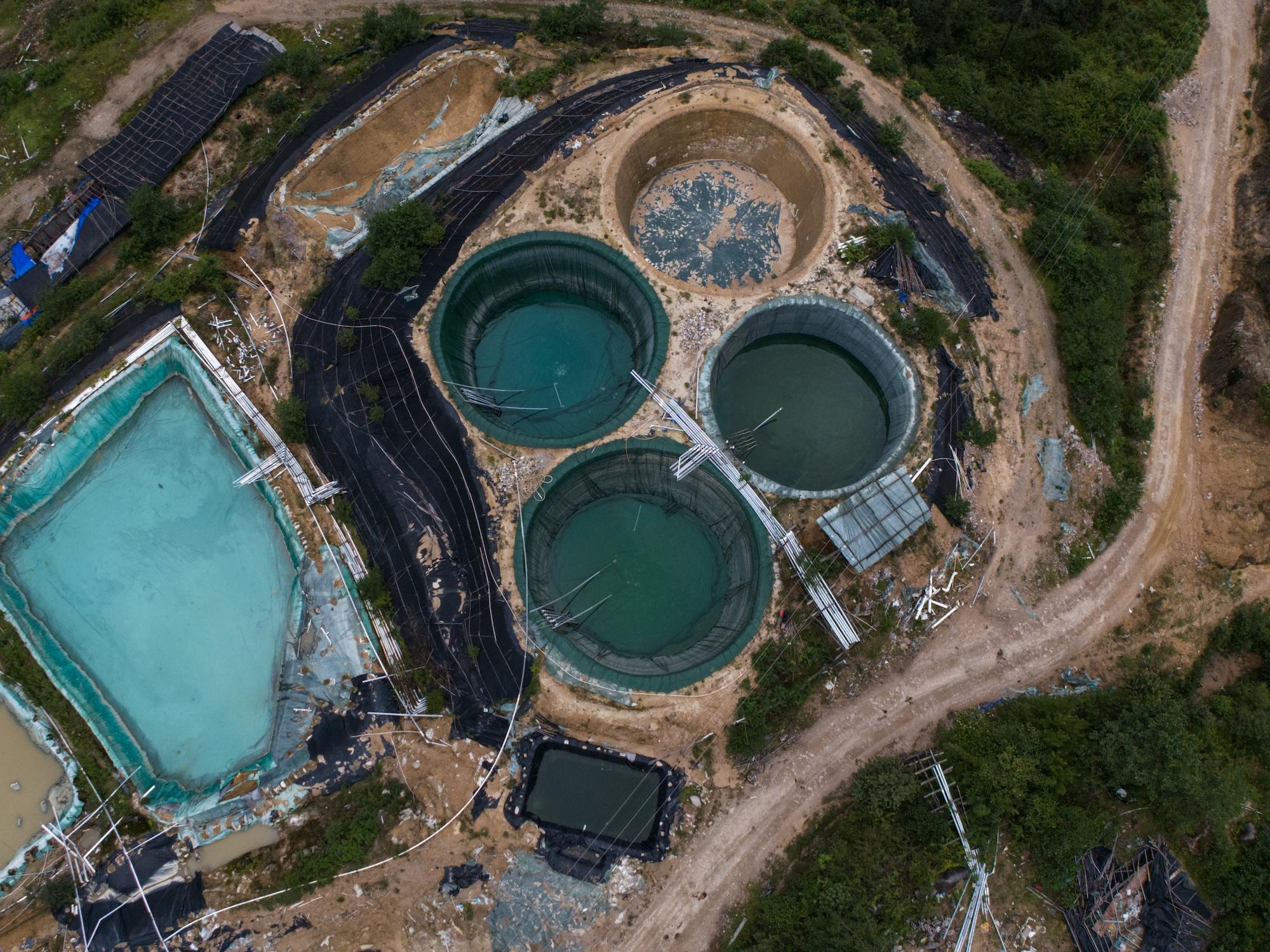
The method used to extract heavy rare earths in Myanmar is known as in-situ leaching. This process involves drilling holes into mountains and injecting a mixture of ammonium sulfate and other acid solvents directly into the earth. The chemicals dissolve the minerals, which are then collected in chemical pools at the base of the slopes.
The environmental impact is catastrophic. Regan Kwan, a research analyst at the Stimson Center, notes that this process turns mountains into "toxic sponges." Chemical leaks and wastewater discharge contaminate local water tables, leading to the death of aquatic life and the poisoning of agricultural land. In Kachin State, forests have become devoid of wildlife, and farmers report that their crops are now too toxic to sell.
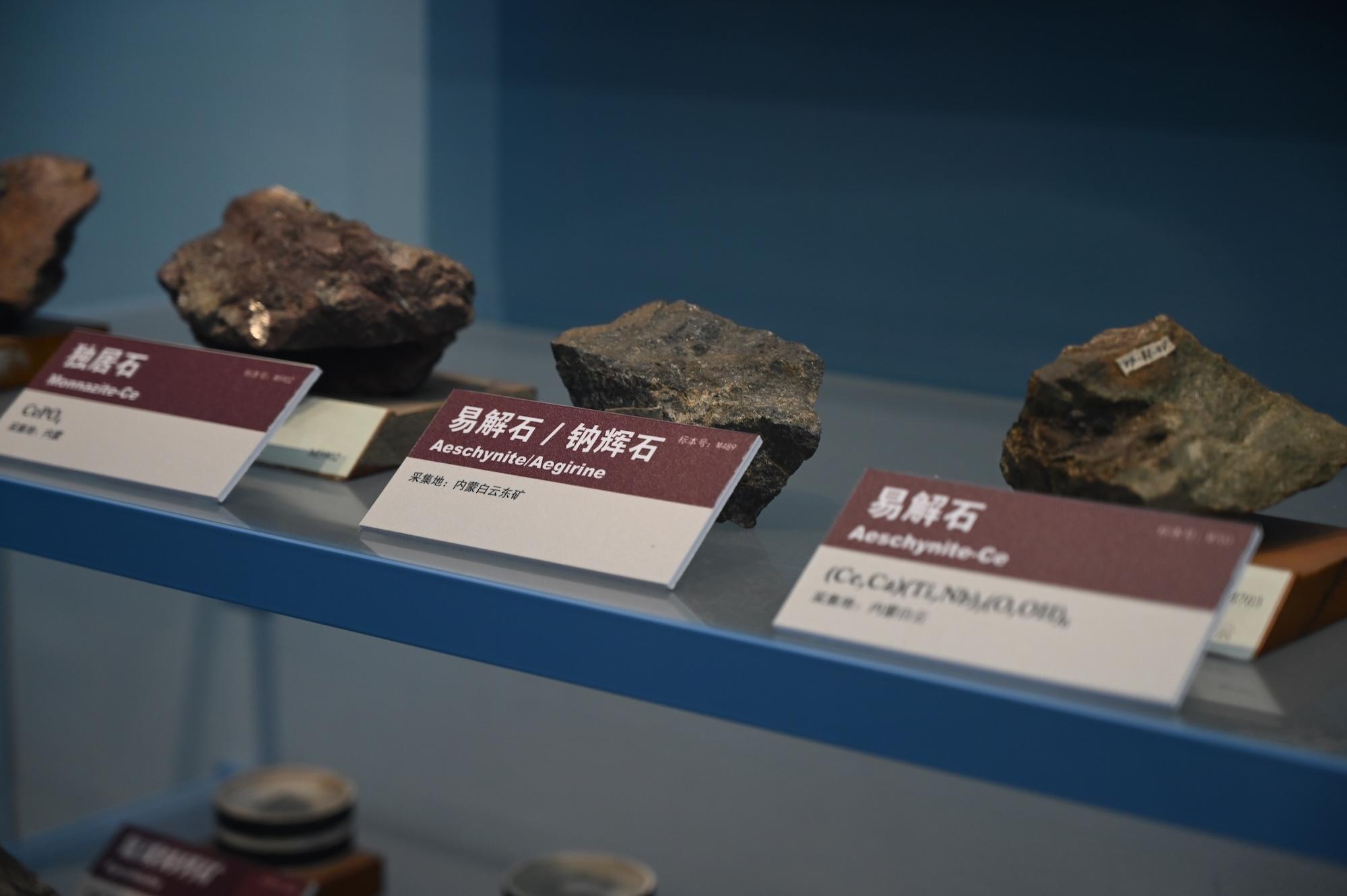
Furthermore, the process compromises the structural integrity of the mountains. Local media have documented at least five fatal landslides at rare earth sites in recent years. One incident reportedly buried more than a dozen workers. Research by Tanapon Phenrat of Thailand’s Naresuan University found that water samples from these areas contained radioactive elements and heavy metals at levels that "substantially exceed" international safety thresholds.
Geopolitical Maneuvering and the "Laundering" of Minerals
The complexity of the rare earth supply chain allows for a form of "mineral laundering." Once the raw ore is trucked across the border into China, it is processed and blended with material from other sources. By the time it reaches the global market as a finished magnet or component, its origin is virtually untraceable.

This lack of transparency has allowed global tech and automotive giants to claim their supply chains are "clean" while indirectly funding conflict actors in Myanmar. Armed Conflict Location & Event Data (ACLED) has ranked Myanmar’s war as the most fragmented and second-most extreme on the planet. The revenue from rare earth mining provides a vital lifeline for both the military junta and ethnic armies, bypassing international sanctions and formal banking systems.
In a surprising geopolitical twist, the highly sanctioned Myanmar military has attempted to court the United States. In early 2026, the junta hired notorious American lobbyist Roger Stone to build ties with the Trump administration, dangling access to Myanmar’s rare earths as a strategic incentive to counter Chinese dominance. Meanwhile, the U.S. signed a critical minerals deal with India in May 2026, followed shortly by a meeting between Myanmar’s junta leader Min Aung Hlaing and Indian Prime Minister Narendra Modi.
Labor Exploitation and Human Rights Abuses
The human cost of this industry extends beyond environmental poisoning. Reports from local human rights groups have highlighted the use of "slave labor," including prisoners and human trafficking victims, at mining sites in Shan State.
Workers from Myanmar who spoke to researchers described a rigid hierarchy where Chinese nationals hold all senior positions. "If a Myanmar worker dies, compensation is limited to between 80,000 and 100,000 yuan ($11,000–$14,000)," said Kaung, a former site supervisor. "If a Chinese national dies, compensation can exceed 1 or 2 million yuan."
Female workers face additional risks, including sexual harassment and dismissal for refusing the advances of supervisors. The lack of formal contracts means workers have no legal recourse for wage theft or hazardous conditions. Most laborers work 10-hour shifts with no fixed rest days, handling toxic chemicals with minimal or no protective gear.
Broader Implications: A Race to the Bottom
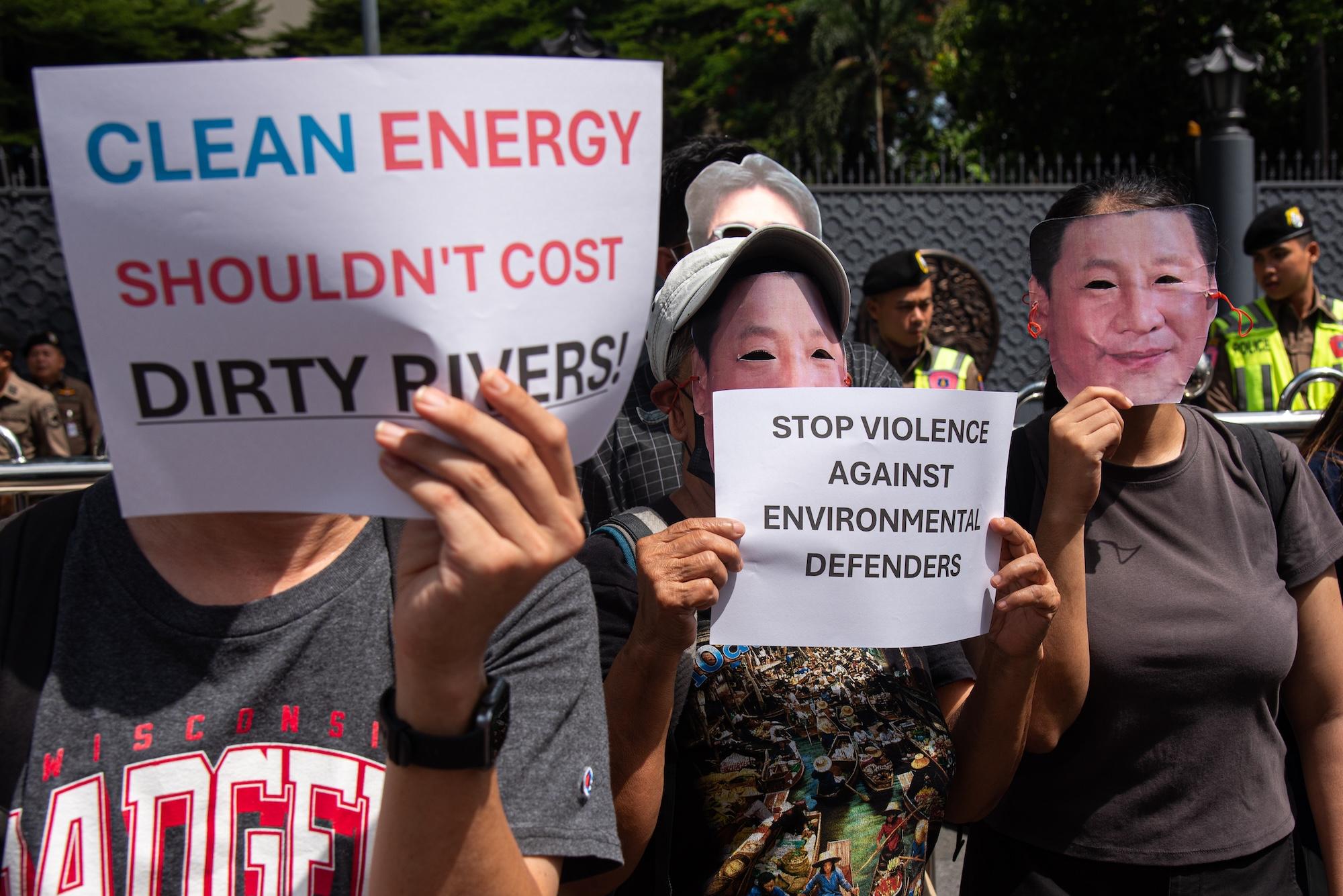
The situation in Myanmar serves as a warning for the global energy transition. While the shift to renewable energy is necessary to combat climate change, the current model of extraction risks creating "sacrifice zones" in the Global South to power "green" lifestyles in the Global North.
"The question we need to ask about rare earths is why these same regions keep getting remade as extractive sacrifice zones," says Jasnea Sarma, an ethnographer at the University of Zurich. The rush for minerals is incentivizing rapid, unregulated extraction in areas with weak rule of law, effectively funding civil wars and entrenching authoritarian regimes.
Experts like Julie Michelle Klinger of the University of Wisconsin, Madison, argue that there are currently no effective measures to ensure that minerals mined for the "green transition" aren’t actually being diverted into the global arms race. As rearmament accelerates worldwide, the demand for rare earths in defense applications may soon outstrip their use in renewable technologies.
For the people of Myanmar, the rare earth boom has brought little but "slow, perpetual violence." As long as the global supply chain remains opaque and the demand for cheap critical minerals remains high, the mountains of Myanmar will continue to be bled dry, and workers like Min will continue to risk their lives for the sake of a global transition that leaves them behind.