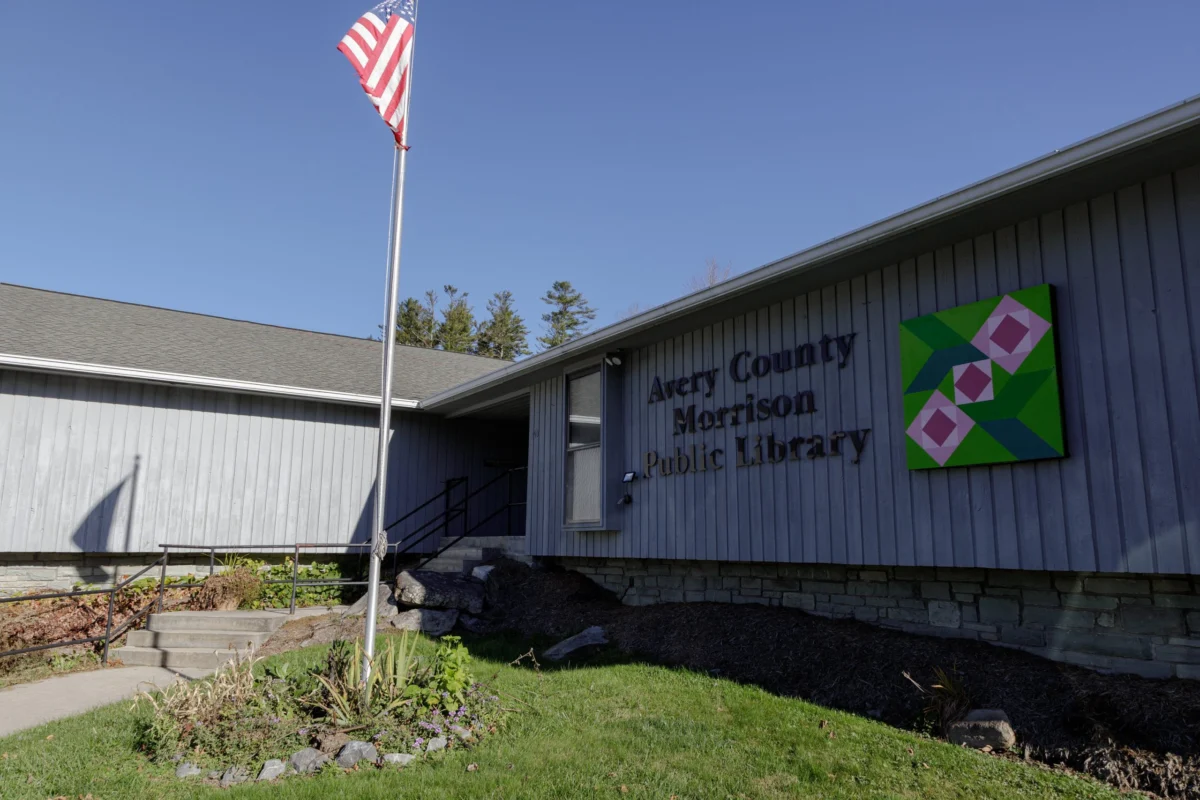
When Americans envision the bedrock of their nation’s essential infrastructure, the mental map typically highlights concrete arteries: bridges, power grids, high-speed rail, and fiber-optic broadband cables. Yet, scattered across the country are more than 17,000 public library locations—a network that exceeds the total number of hospitals and McDonald’s restaurants combined. These facilities, ranging from single-room outposts in rural Idaho to sprawling urban systems in the nation’s capital, serve as the quiet, often overlooked hubs of community resilience. Despite a digital age that has fundamentally altered how citizens consume information, the public library remains a vital, though under-promoted, engine of early education, workforce development, and social cohesion.
The current landscape of library usage reveals a complex story of recovery and adaptation. Following the global disruptions caused by the COVID-19 pandemic, which forced widespread closures and limited physical access, public library attendance has been on a steady, albeit cautious, incline. Data from the Institute of Museum and Library Services (IMLS) indicates that while foot traffic has not yet returned to pre-2020 levels, the momentum is significant. In 2023, public libraries across the United States recorded more than 800 million visits. This figure represents an average of 2.2 million daily visitors and marks a nearly two-fold increase compared to the 2021 nadir. This surge is not merely a return to book lending; it is a testament to the expansion of library programming in an era where municipal and state budgets are increasingly constrained, often leading to the erosion of other public amenities.
A Chronology of the Modern Library Transformation
The transformation of the American library from a silent book repository to a bustling community center has been a decades-long evolution. Historically, the Carnegie era at the turn of the 20th century established the physical footprint of the modern library, driven by the belief that universal access to knowledge was the ultimate guarantor of a healthy democracy. Andrew Carnegie’s philanthropic legacy—funding nearly 1,700 libraries—set a precedent that many argue needs to be revived today.
In the 1990s and early 2000s, libraries began a necessary pivot toward digital equity, introducing public computer labs and, eventually, robust broadband access. This transition proved essential during the 2008 financial crisis, when libraries became "recession-proof" lifelines for unemployed workers seeking job leads. By the 2010s, the focus shifted toward "makerspaces" and STEAM (Science, Technology, Engineering, Arts, and Mathematics) education. Today, the modern library is a multi-generational classroom: a place where an elementary student might be constructing a podcast or a popsicle-stick catapult on a Tuesday afternoon, while a toddler attends a literacy-rich sing-along on a Saturday morning.
The Disconnect: Exceptional Services vs. Limited Visibility
Despite this evolution, there remains a persistent "discoverability gap." While libraries offer services that rival high-cost private enrichment centers—including English language classes, passport services, career counseling, and after-school care—these resources are frequently marketed through antiquated methods. Bulletin boards, flyers, and in-house newsletters primarily reach those who are already walking through the library doors, leaving the vast majority of the community unaware of the breadth of available, free programming.
Research conducted by organizations like Child Trends highlights a critical behavioral trend: parents seeking educational resources for their children rely heavily on Google searches, school district websites, and peer-to-peer recommendations. When a parent searches for "free tutoring" or "STEM camps," they are rarely directed to their local library’s calendar. This represents a failure of modern marketing and digital infrastructure rather than a failure of the libraries themselves. The professional consensus among civic planners is that the onus lies on bridging this digital divide by integrating library programming into the platforms that families already trust and use daily.

The Economic and Civic Implications
The stakes of this invisibility are high. As federal and state budget cuts continue to target social services, the public library stands as one of the few remaining institutions that still command broad public trust. In a polarized climate, libraries function as neutral civic spaces that bridge ideological and socioeconomic divides. However, relying on these institutions to survive solely on traditional funding while expecting them to solve modern systemic problems is increasingly untenable.
Experts suggest that the solution requires a shift in philanthropic and municipal strategy. Rather than providing one-time, intermittent grants for single pilot programs, there is a growing call for sustained investment in shared digital infrastructure. If a rural library in Idaho could access the same sophisticated event-management software as a major metropolitan system, the barrier to "going digital" would collapse. This would involve:
- Unified Data Integration: Syndicating library event data directly onto the websites of local school districts and municipal portals.
- Shared Technological Backbones: Developing centralized, scalable software tools that allow smaller libraries to manage outreach without the need for dedicated, high-cost tech teams.
- Strategic Staffing: Shifting library staffing models to prioritize digital outreach and community engagement specialists who can operate effectively in the virtual spaces where families congregate.
Expert Analysis: The Call for Philanthropic Innovation
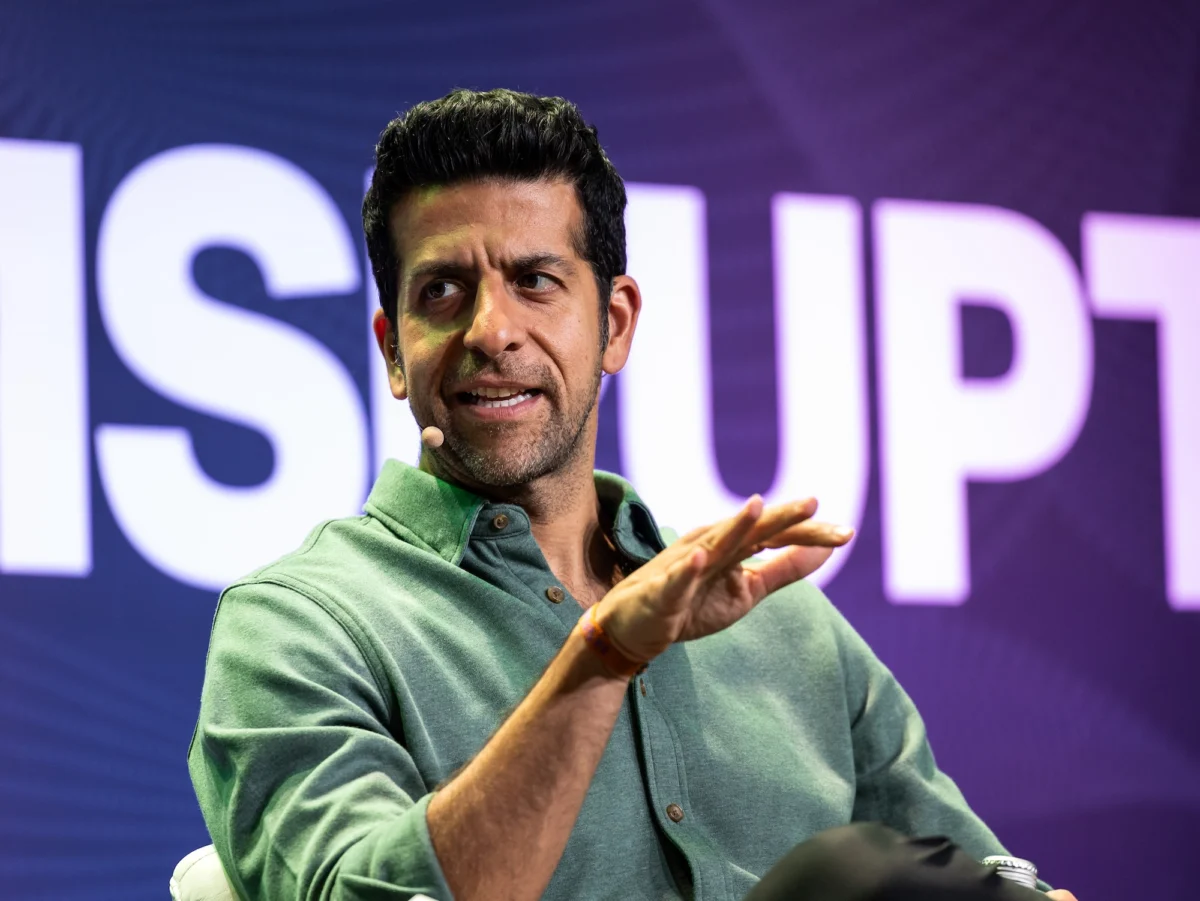
Jon Deane, CEO of the nonprofit school information platform GreatSchools, emphasizes that the "infrastructure of discovery" is the missing link. "We have the physical buildings and the expert programming," Deane notes. "The challenge is that we are operating with a 20th-century communication model in a 21st-century digital world."
From an economic perspective, the investment in library infrastructure offers a significant return on investment. The cost-benefit ratio of providing free, high-quality after-school enrichment compared to the expense of private alternatives is stark. When libraries effectively communicate their value, they reduce the burden on public schools and families alike. Furthermore, the pedagogical impact of early literacy programs—such as the sing-alongs and reading circles mentioned earlier—is well-documented by pediatricians as a primary driver of school readiness.
Looking Toward the Future
The path forward for the American public library system is not one of reinvention, but of connection. The institutions are already equipped with the resources, the professional expertise, and the public trust necessary to thrive. What is required is an intentional effort to move these services from the periphery of community awareness to the center of digital life.
As public funding faces increasing scrutiny, the role of private philanthropy is poised to become more decisive. By focusing on the "connective tissue"—the software, the data sharing, and the outreach capabilities—philanthropists can ensure that the investment made in libraries pays dividends for decades, much as the Carnegie libraries did in the early 1900s.
The evidence is clear: when library services are made visible, families respond. The recent spike in usage proves that the demand for these spaces is not waning; rather, the public is hungry for the services libraries provide. The current challenge is to ensure that "free" does not remain synonymous with "hidden." By building a digital bridge between the extraordinary programming happening inside library walls and the families searching for those resources on their phones at 9 p.m., the nation can fortify one of its most essential, and most resilient, civic assets. The buildings are standing, the programs are active, and the potential for impact is immense—it is now a matter of making the invisible, accessible.