
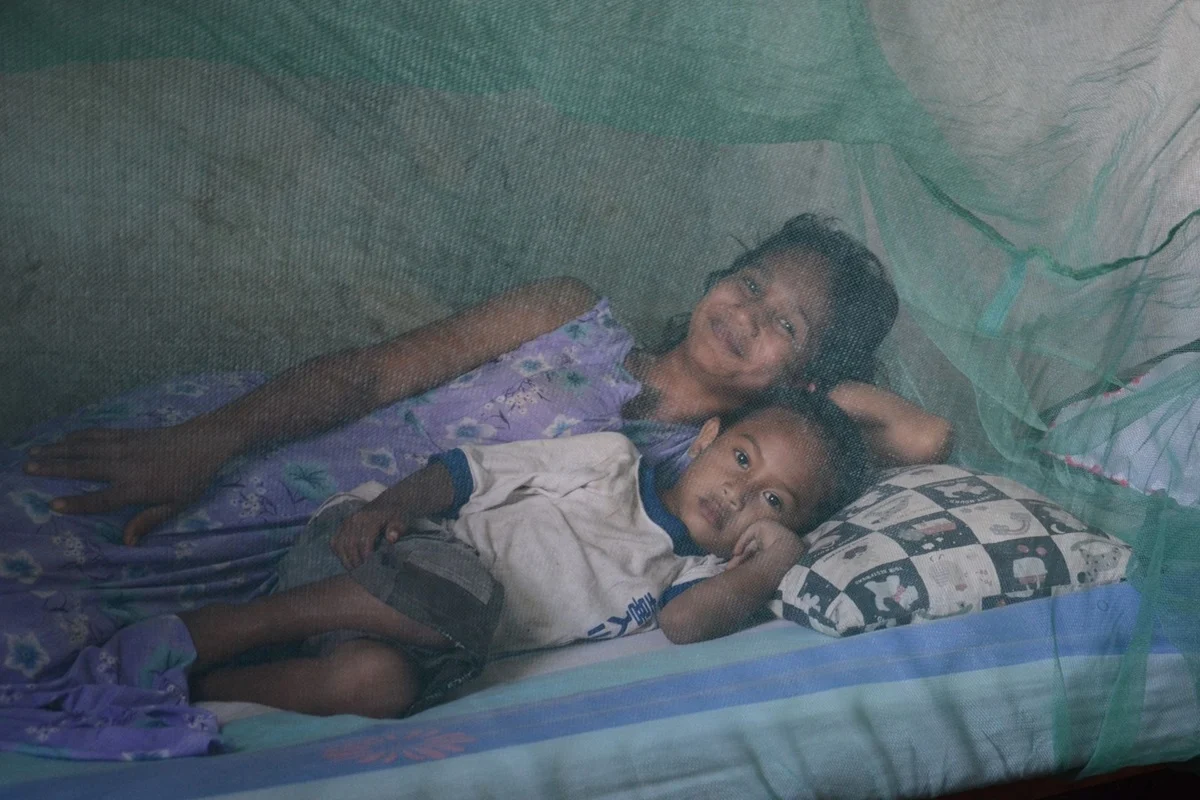
In a historic public health milestone, the World Health Organization has officially certified Timor-Leste as a malaria-free nation, capping off a remarkable journey of disease eradication that began shortly after the country gained its independence in 2002. This monumental achievement reflects a sustained, multi-decade national effort characterized by strong political commitment, strategic international partnerships, grassroots community mobilization, and the tireless dedication of frontline healthcare workers who transformed a devastating health crisis into a resounding victory for global medicine.
The announcement brings the total number of global jurisdictions recognized by the WHO as malaria-free to 47 countries and one territory. Within the WHO South-East Asia region, Timor-Leste joins an exclusive cohort, becoming only the third nation in the region to achieve this elite status, following the Maldives in 2015 and Sri Lanka in 2016. To earn this prestigious certification, a country must conclusively demonstrate, beyond any reasonable doubt, that the chain of indigenous malaria transmission has been entirely interrupted nationwide for at least three consecutive years. For Timor-Leste, this threshold was decisively met after recording zero indigenous cases from 2021 onward, a dramatic turnaround for a sovereign state that once battled hundreds of thousands of infections annually.
A Chronological Evolution: From High-Burden Crisis to Zero Indigenous Cases
The trajectory of Timor-Leste’s malaria elimination program is a testament to what can be accomplished through targeted institutional frameworks and adaptive public health strategies. The timeline of this transformation highlights the systematic dismantling of a disease that was once among the nation’s most formidable public health threats.
In 2002, emerging from the turbulent process of restoration of independence, the nascent government inherited a fragile healthcare infrastructure heavily burdened by communicable diseases, with malaria acting as a primary driver of morbidity and mortality. Recognizing the severity of the threat, the Ministry of Health took swift and decisive action in 2003 by establishing the National Malaria Programme (NMP). Designed as a specialized organizational unit dedicated entirely to the planning, implementation, and surveillance of malaria control initiatives, the NMP initially operated with just two full-time officers. Despite severe resource constraints, these pioneers laid the crucial technical foundation necessary for future scaling.
By the mid-2000s, the epidemiological burden peaked. In 2006, the country recorded an alarming peak of more than 223,000 clinically diagnosed malaria cases. This staggering statistic galvanized both domestic authorities and the international donor community to accelerate interventions. In response, the Ministry of Health rapidly updated its clinical guidelines, integrating rapid diagnostic tests (RDTs) and highly effective artemisinin-based combination therapy (ACT) into the national healthcare protocol. Concurrently, the government initiated nationwide campaigns to distribute free long-lasting insecticide-treated nets (LLINs) to vulnerable populations, particularly pregnant women and young children living in high-risk rural areas.
A critical turning point arrived in 2009 through a strategic partnership with the Global Fund to Fight AIDS, Tuberculosis and Malaria. With this vital financial and technical backing, Timor-Leste significantly scaled up its vector control operations. The scope of interventions expanded to include widespread indoor residual spraying (IRS) alongside the mass distribution of LLINs. Furthermore, diagnostic capabilities were decentralized; microscopy and RDTs were systematically integrated into point-of-care services across all local health posts, ensuring that patients could receive accurate diagnoses swiftly, regardless of how remote their communities were.
As transmission rates steadily declined over the ensuing decade, the country transitioned from aggressive vector control and high-volume treatment to meticulous surveillance, rapid response, and active case detection. By 2021, the relentless efforts of the public health apparatus bore fruit, with the country recording its final indigenous transmission cases and maintaining a steadfast record of zero local cases through the certification window, culminating in the WHO’s formal recognition.
Strengthening the Healthcare Architecture and Universal Coverage
Timor-Leste’s triumph over malaria cannot be viewed in isolation from its broader efforts to strengthen its national health system. As a young nation facing severe shortages of trained medical personnel, physicians, and infrastructure, the government prioritized the development of a comprehensive, three-tier healthcare delivery model.
This structured system comprises national hospitals, reference hospitals, community health centers (CHCs), and local health posts strategically distributed to ensure that the vast majority of residents can access professional medical care within a one-hour walk from their homes. Underpinning this infrastructure is a national policy of free universal healthcare at the point of service, which effectively eliminates financial barriers that often prevent marginalized populations from seeking timely medical attention.
To bridge geographical gaps in rugged terrain, the Ministry of Health deployed monthly mobile clinics and intensive community outreach programs, ensuring that remote rural populations remained integrated into the national disease surveillance network. This decentralized approach was further bolstered by an integrated, real-time case-based surveillance system. This digital framework enables instantaneous data collection, rapid epidemiological investigation, and immediate containment responses led by trained health workers who screen for imported cases at international borders and local entry points.
Global and Domestic Acclaim for a National Triumph
International and domestic leaders lauded the achievement, emphasizing the collaborative nature of the campaign and the resilience required to maintain momentum over two decades.
Dr. Tedros Adhanom Ghebreyesus, Director-General of the World Health Organization, extended his praise to the citizens and leadership of Timor-Leste. "WHO congratulates the people and government of Timor-Leste on this significant milestone," Dr. Tedros stated. "Timor-Leste’s success proves that malaria can be stopped in its tracks when strong political will, smart interventions, sustained domestic and external investment, and dedicated health workers unite."
Locally, the emotional and historical weight of the victory was captured by the Minister of Health, Government of Timor-Leste, Dr. Élia António de Araújo dos Reis Amaral. Reflecting on the long-fought battle, she noted the profound human cost of the disease and the unwavering spirit of the nation’s healthcare workforce.
"We did it. Malaria has been one of our most relentless enemies—silent, persistent, and deadly. We lost too many lives to a disease that should be preventable," Dr. Amaral said. "Our health workers never gave up, our communities held strong, and our partners, like WHO, walked beside us. From 223,000 cases to zero—this elimination honours every life lost and every life now saved. We must safeguard this victory with continued vigilance and community action to prevent malaria’s re-entry."
Echoing these sentiments, Dr. Arvind Mathur, WHO Representative to Timor-Leste, highlighted the unique character of the nation’s campaign. "Timor-Leste’s malaria-free certification is a defining national triumph—driven by bold leadership, tireless efforts of health workers, and the resolve of its people," Dr. Mathur observed. "As a young nation, Timor-Leste stayed focused—testing, treating, and investigating swiftly. Ending transmission and maintaining zero deaths takes more than science; it takes grit. This victory protects generations, present and future, and shows what a determined country can achieve."
Broader Implications and Future Vigilance
The successful eradication of malaria in Timor-Leste carries profound implications for both the nation’s socio-economic development and the broader global health landscape. By eliminating a debilitating parasitic disease that historically crippled workforce productivity, drained household financial resources, and placed an immense burden on pediatric wards, Timor-Leste has unlocked new potential for human capital development, education, and economic growth.
However, public health experts emphasize that achieving certification is not the end of the road, but rather the beginning of a critical maintenance phase. Because malaria remains endemic in neighboring countries and across the wider region, the risk of imported cases reintroducing the parasite is a persistent threat. To protect its malaria-free status, Timor-Leste must maintain high levels of cross-border surveillance, vector control readiness, and community-level awareness.
The WHO’s rigorous certification process—governed by recommendations from the Technical Advisory Group on Malaria Elimination and Certification, alongside validation from the Malaria Policy Advisory Group—ensures that only countries with robust systems capable of detecting and neutralizing potential resurgences receive this status. With its sophisticated surveillance infrastructure, entrenched community health networks, and enduring political commitment, Timor-Leste has proven that it possesses the institutional resilience required to safeguard this monumental public health victory for generations to come.









Leave a Reply