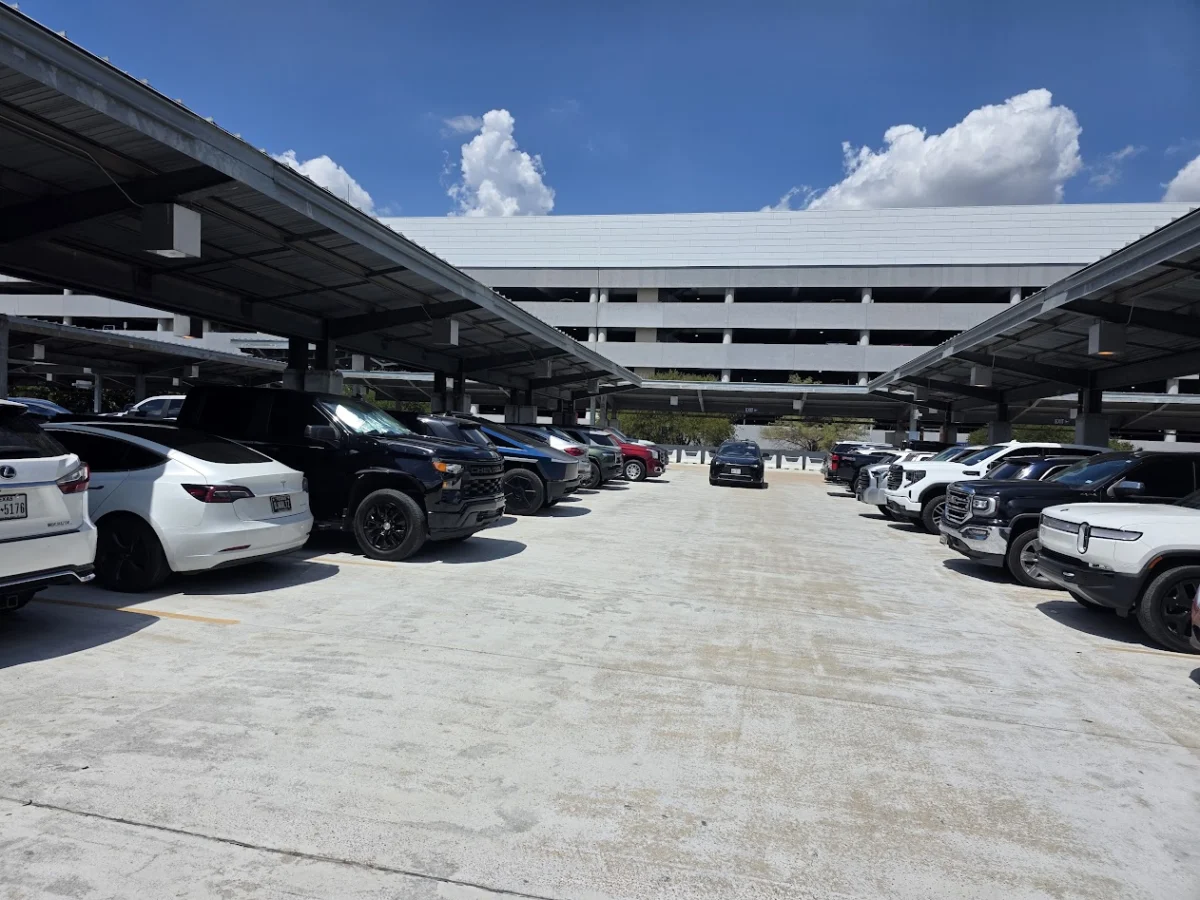
Uber has officially launched a new parking reservation feature across 15 major U.S. cities, marking a significant strategic pivot for the ride-hailing giant as it integrates static infrastructure into its digital ecosystem. The service allows users to locate nearby parking garages and surface lots, compare real-time pricing, and finalize reservations directly within the Uber mobile application. This expansion follows the company’s acquisition of the parking aggregator SpotHero, a deal finalized earlier this year, and represents a broader effort to consolidate urban transit services under a single digital interface.
The launch cities include Atlanta, Austin, Boston, Chicago, Dallas, Denver, Los Angeles, Miami, Nashville, New York City, Philadelphia, San Diego, San Francisco, Seattle, and Washington, D.C. While the initial rollout covers these metropolitan hubs, Uber has indicated that it plans to scale the service to additional markets throughout the United States in the coming months.
A Strategic Consolidation of Urban Transit
The integration of parking services into the Uber app serves as a logistical bridge between personal vehicle ownership and the platform’s core ride-sharing business. By leveraging the existing network of SpotHero—which boasts a catalog of over 13,000 facilities across 400 cities—Uber is attempting to capture revenue from users who choose to drive their own vehicles rather than hailing a ride.

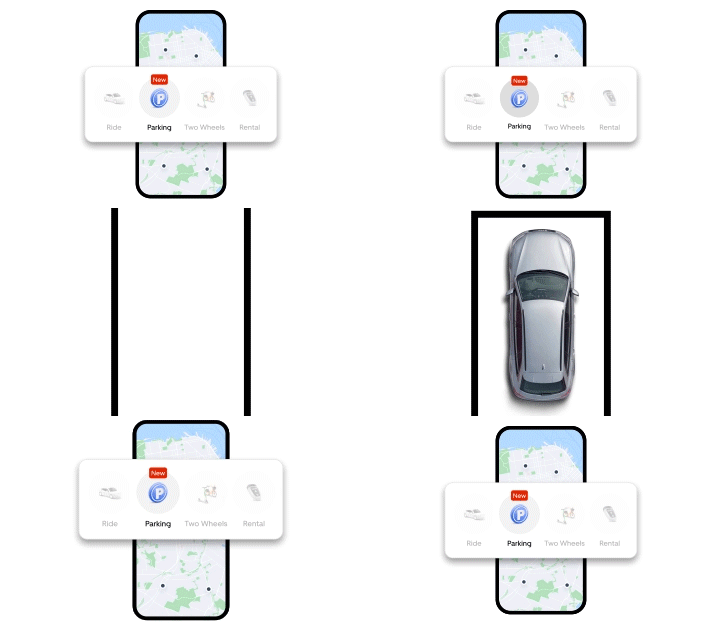
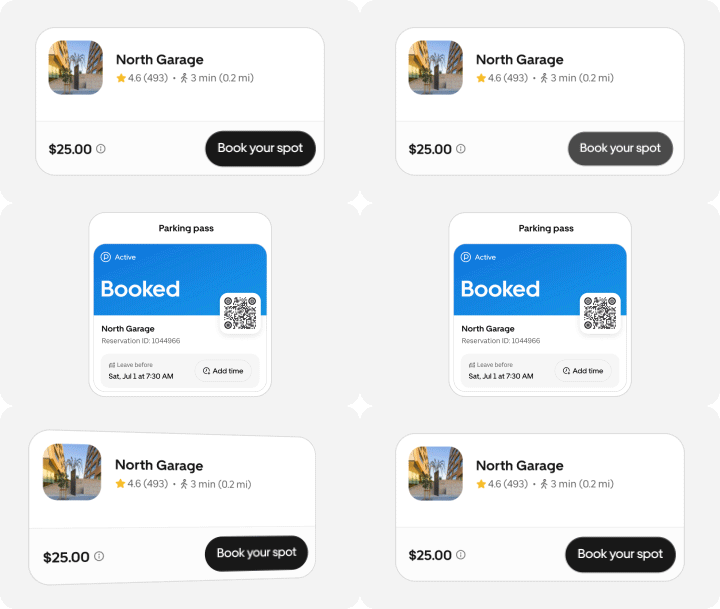
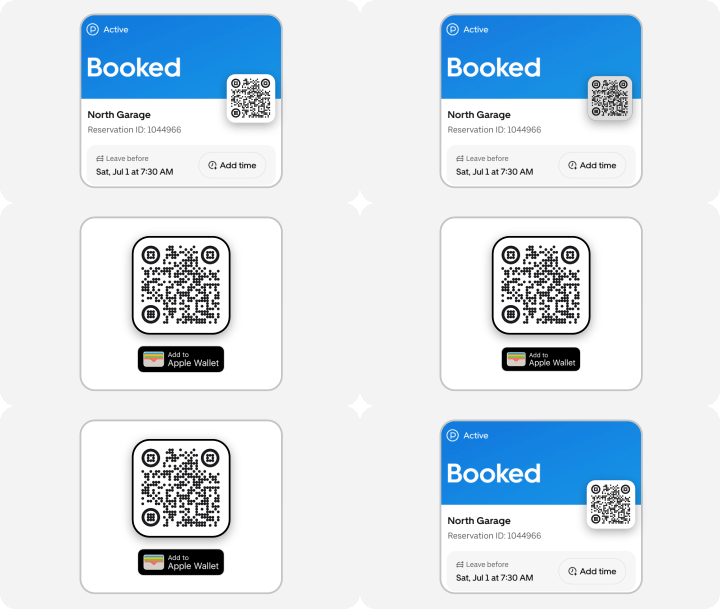
For the consumer, the process is designed for convenience: users navigate to the "Parking" tab within the Uber app, input their destination, and select a time window. The interface provides a map-based comparison of available lots, offering filters for valet versus self-parking, covered versus surface lots, and the presence of on-site staff. Once a selection is made, the transaction is processed through the user’s established Uber Wallet, and a digital parking pass is generated for entry and exit.
This shift marks a departure from Uber’s traditional gig-economy model, where the company facilitates a transaction between a passenger and a driver. In the context of parking, the user provides both the vehicle and the labor, while Uber acts as a digital intermediary. Industry analysts suggest this model is a play for ecosystem retention; by keeping the user inside the app even when they are driving, Uber maintains engagement and gathers data on travel patterns, which could prove valuable as the company refines its autonomous vehicle strategy.
Financial Incentives and the Role of Uber One
A primary driver for the adoption of this new feature is the integration of the Uber One membership program. Subscribers are eligible for a 10% credit back on qualified parking reservations. These credits, which generally appear within 24 hours of the completed reservation, are applicable to taxes and fees, potentially reducing the net cost of parking in high-demand urban centers.
The economics of the membership are clear: at a cost of $9.99 per month or $96 per year, the 10% rebate is intended primarily for existing members who already utilize Uber’s ride-sharing and food delivery services. For a user to break even on the annual cost of an Uber One subscription through parking rebates alone, they would need to spend approximately $960 annually on parking.
Furthermore, the new service creates a novel utility for Uber Cash. American Express cardholders who receive monthly Uber credits—a popular perk associated with the Amex Platinum and Gold cards—can apply these funds to parking reservations. Because the Amex benefit is linked to the platform’s broader payment infrastructure, the parking feature effectively serves as a new avenue for cardholders to exhaust their monthly statement credits, thereby increasing the stickiness of the premium credit card and the Uber platform.
Contextualizing the Market Landscape
The move into the parking sector is not without precedent or competition. The parking reservation industry is fragmented, consisting of legacy operators and digital intermediaries such as ParkWhiz, BestParking, and ParkMobile. These platforms have long provided the infrastructure for prepaid garage reservations, airport parking, and event-based parking.
Uber’s entry into this space reflects a long-term trend of "super-app" development, where companies attempt to capture every stage of a user’s journey. However, the market for parking remains highly localized. Unlike ride-sharing, where Uber can standardize the experience through its app and driver vetting processes, parking is subject to the physical limitations and management policies of individual property owners.
A critical limitation noted in the current launch is the absence of space-guarantee protocols. According to industry standards for aggregators like SpotHero, a reservation generally confirms the right to access a facility, but it does not always guarantee a specific parking stall. In instances where a garage reaches capacity despite a reservation, users are typically directed to a third-party support line, a friction point that remains a challenge for digital parking platforms.
Chronology of the Uber-Parking Integration
The path to this launch began in earnest in early 2026, when Uber confirmed its intent to acquire SpotHero. This acquisition was widely interpreted by market observers as a defensive and offensive maneuver to broaden the company’s "total addressable market."
- February 2026: Uber officially announces the acquisition of SpotHero, aiming to integrate its 13,000-facility network into the Uber ecosystem.
- Q2 2026: Integration testing begins in select pilot markets, focusing on API compatibility between Uber’s payment system and the inventory management systems used by parking garage operators.
- November 9, 2026: The official launch of the parking reservation feature across 15 U.S. cities, enabling direct booking and Uber One rewards.
- Future Outlook: Uber has signaled that it intends to explore the use of these parking locations for staging autonomous vehicles (AVs), potentially using the facilities as charging or "rest" hubs for robotaxi fleets in the future.
Implications for Urban Infrastructure
Beyond the convenience for individual drivers, the expansion has broader implications for urban planning. For years, critics have noted that a significant portion of urban land is dedicated to parking, and that "cruising"—the act of circling blocks in search of a spot—contributes significantly to urban congestion and emissions. By moving the reservation process online, Uber and similar platforms aim to reduce the time spent searching for parking.
However, the efficacy of this depends on the volume of adoption. A 2017 study by INRIX suggested that the average American driver spends approximately 17 hours a year searching for parking. While this figure is often debated due to significant variance between rural and hyper-dense urban environments, it highlights the potential for efficiency gains.
Uber’s potential move to utilize these parking structures for autonomous vehicle staging represents a significant shift. As the company navigates its evolving partnerships in the AV space—following the conclusion of its high-profile collaboration with Waymo—it is seeking to secure a footprint in the physical infrastructure of cities. By controlling the digital booking layer, Uber positions itself as an essential utility for both human drivers and future automated transport fleets.
Analytical Summary
While the addition of parking reservations may seem like a departure from Uber’s identity as a ride-sharing company, it is a logical evolution for a firm that views itself as a platform for "everyday movement." By leveraging its massive user base, payment infrastructure, and membership program, Uber is creating a formidable competitor to existing parking aggregators.
The success of this initiative will likely hinge on the quality of the user experience at the garage level. If the digital reservation translates into a seamless physical experience—specifically regarding entry and exit—Uber could successfully capture a significant share of the parking market. If, however, the lack of physical control over parking stalls leads to frequent service failures, the brand may struggle to maintain the reputation for reliability that it has cultivated in the ride-sharing sector.
For now, the service offers a pragmatic solution for frequent commuters and travelers who utilize the Uber ecosystem. By allowing for the use of Amex-provided Uber Cash and offering a 10% rebate, the company has created a compelling incentive for its most loyal customers to opt for the app, regardless of whether they are the passenger or the driver. As the company continues to expand its footprint in 2027 and beyond, its ability to manage these physical assets will serve as a bellwether for its continued transition from a ride-hailing app into a comprehensive urban mobility utility.