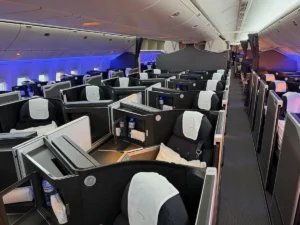
The consumption of alcohol has long been intertwined with the culture of commercial aviation. From celebratory glasses of champagne in first-class cabins to a quiet beverage at an airport lounge during an early morning layover, air travelers have historically enjoyed widespread access to alcoholic beverages. However, global aviation is as diverse as the cultures it connects, and a significant segment of the airline industry operates under policies that restrict or completely prohibit the serving of alcohol onboard. Understanding these policies—which range from total bans to route-specific restrictions and unique "bring your own beverage" (BYOB) allowances—requires a closer look at the intersection of regional culture, religious traditions, airline economics, and passenger experience.
Global Cultural Traditions and the Rise of Dry Airlines
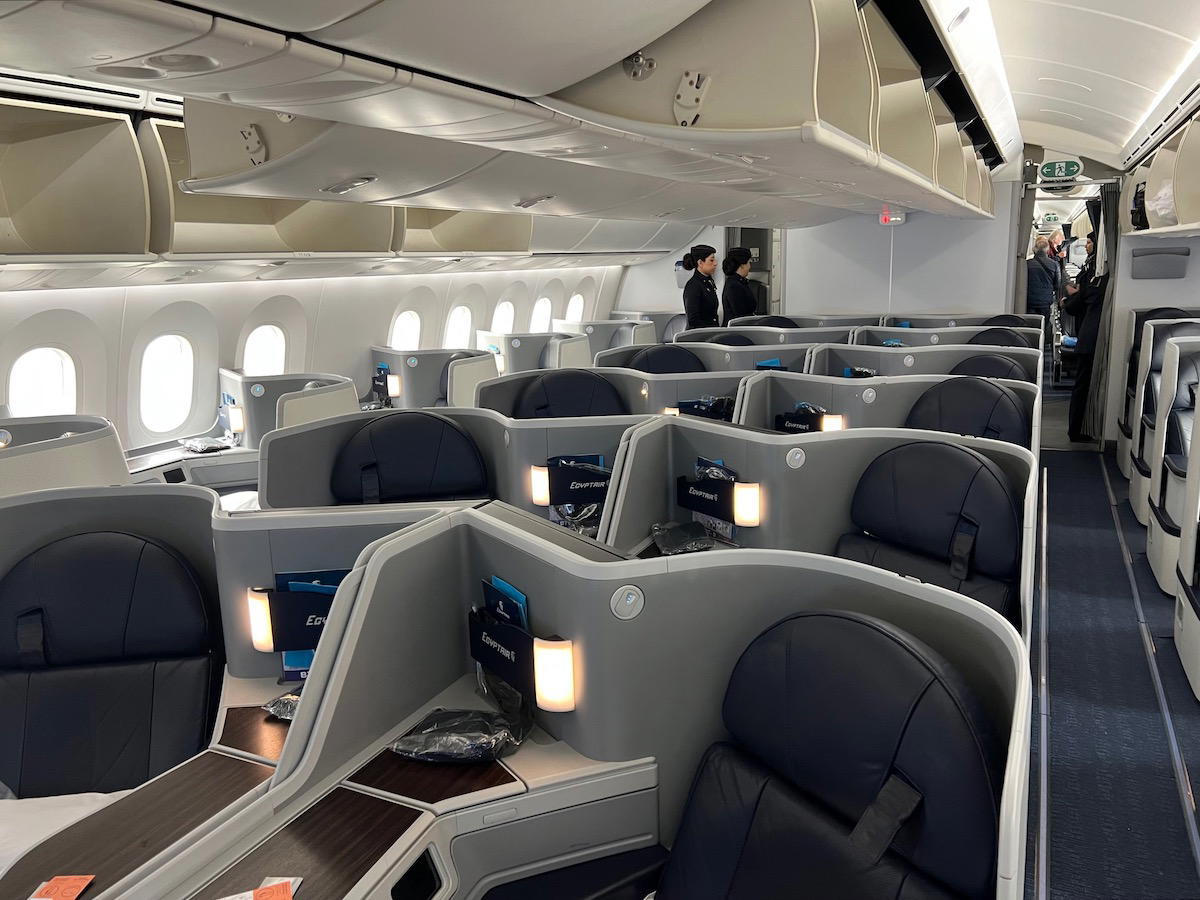
To understand why certain airlines choose to operate as "dry" carriers, one must examine the cultural and religious frameworks of their home countries. Aviation often serves as a flying ambassador for a nation, reflecting its laws, societal norms, and religious values. Consequently, major international carriers based in regions governed by strict religious interpretations—particularly Islamic law—frequently choose not to serve alcohol onboard their aircraft.
Prominent examples of completely dry international carriers include Saudia (formerly Saudi Arabia Airlines), Kuwait Airways, and the recently established Riyadh Air. For these airlines, the absence of alcohol is a foundational policy rooted in national identity and religious observance. Rather than viewing this solely as a restriction, many of these carriers have pivoted to elevate their non-alcoholic beverage programs. Airlines like Saudia invest heavily in premium cabin offerings, featuring artisanal coffees, elaborate mocktails crafted with fresh botanicals, and non-alcoholic wines to ensure premium passengers still experience a sense of luxury and hospitality.
The Nuance of BYOB: Bringing Your Own Alcohol on Dry Airlines
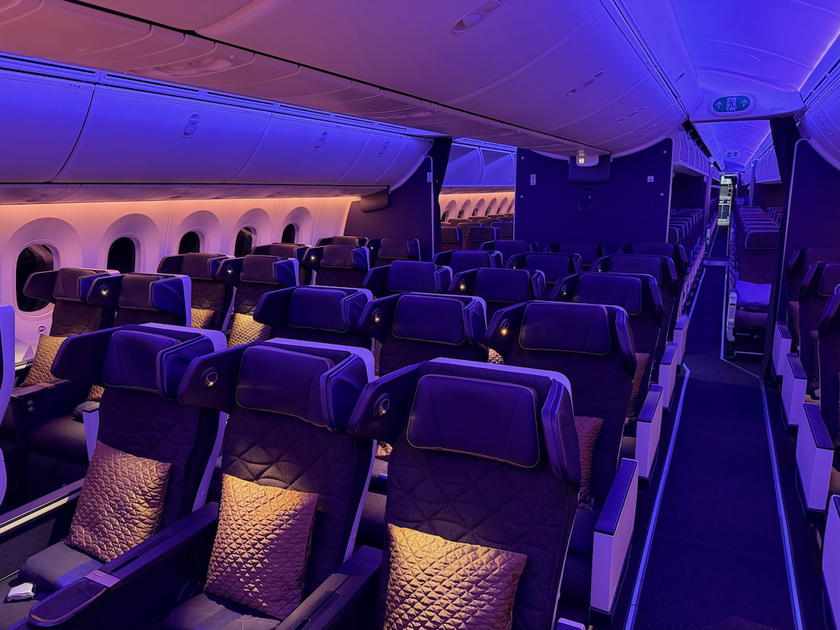
Interestingly, a blanket ban on serving alcohol does not always translate to a total prohibition on consuming it. A fascinating nuance within the global aviation landscape is that a select number of dry or culturally conservative international carriers permit passengers to bring their own alcoholic beverages onboard, provided specific guidelines and protocols are respected.
Carriers such as Kuwait Airways have historically permitted passengers to pack their own wine, beer, or spirits in their carry-on luggage (subject to airport security liquid restrictions) and consume them during the flight. This hybrid policy allows the airline to uphold its religious and cultural obligations of not providing or profiting from alcohol, while simultaneously accommodating the diverse preferences of international travelers.
However, this practice comes with distinct operational boundaries and etiquette rules. Passengers wishing to utilize a BYOB policy on a dry airline are typically subject to strict conditions:
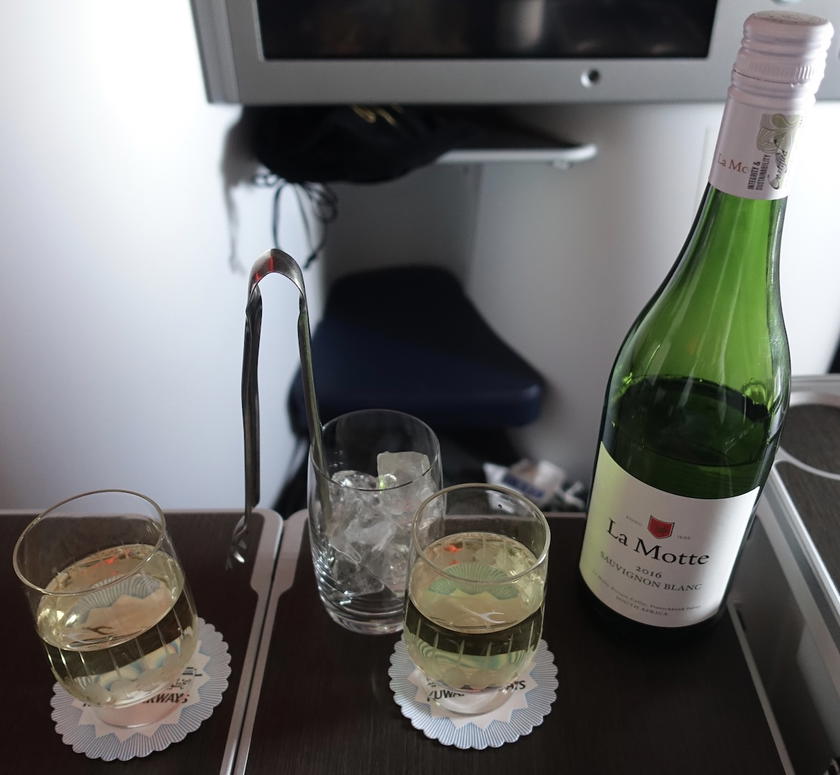
- Crew Assistance: In many cases, passengers are expected to hand their bottles over to the flight attendants, who will professionally uncork and pour the beverages during meal services rather than allowing passengers to self-serve throughout the cabin.
- Moderation and Discretion: Consumption must remain entirely within reasonable limits. Disruptive behavior, excessive intoxication, or public flaunting of alcohol that might offend conservative crew members or fellow passengers is strictly prohibited and can result in severe penalties or involvement by law enforcement upon landing.
- Destination and Transit Laws: Passengers must also be mindful of local customs and legal frameworks at their destination or transit airports, where public consumption or possession of alcohol outside designated areas may carry heavy legal penalties.
Route-Specific Restrictions: When Hybrid Airlines Go Dry
The complexity of airline alcohol policies extends beyond strictly dry carriers. Many global airlines that routinely serve alcohol on international long-haul routes implement dry policies on specific segments of their networks. These route-specific restrictions are typically driven by two primary factors: cultural compliance or operational cost control.
For instance, major hybrid carriers like Turkish Airlines maintain robust bar selections across the majority of their global network, yet they traditionally do not serve alcohol on domestic flights within Turkey. Similarly, regional subsidiaries or specific flight paths operated by major international airlines may omit alcohol service to align with the cultural expectations of conservative destination airports or to streamline short-haul catering logistics.
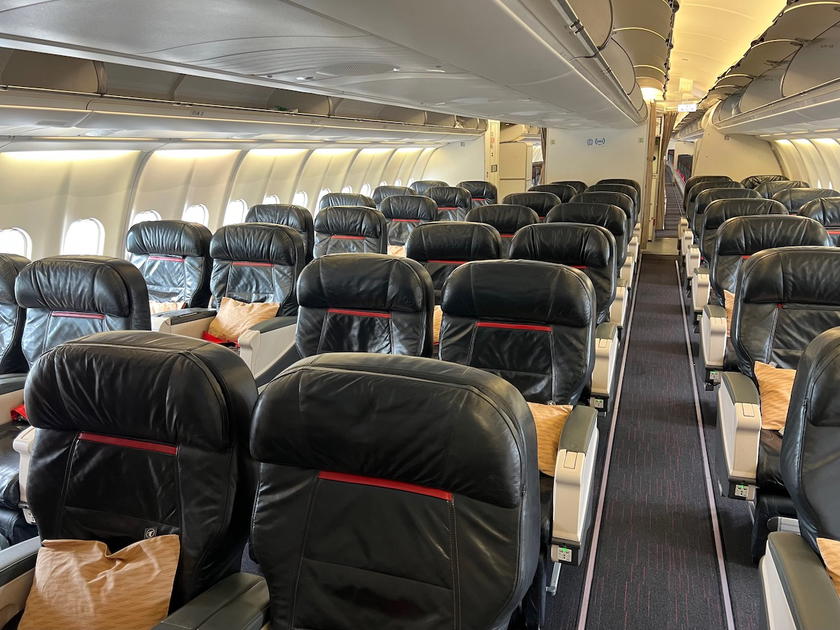
In other instances, the absence of alcohol on select routes is purely economic. Low-cost carriers and regional operators frequently eliminate alcohol from their service carts to reduce weight, lower fuel consumption, and simplify meal and beverage distribution on short flights where turnaround times are tight.
Passenger Perspectives and the Debate Over Dry Airlines
For modern travelers, the presence or absence of alcohol can be a deciding factor when booking a flight, dividing the flying public into distinct camps. At one end of the spectrum are passengers for whom a complimentary glass of wine or a cocktail is an essential component of mitigating travel anxiety or enhancing the premium travel experience. These travelers actively check airline policies and may deliberately avoid booking with dry carriers.
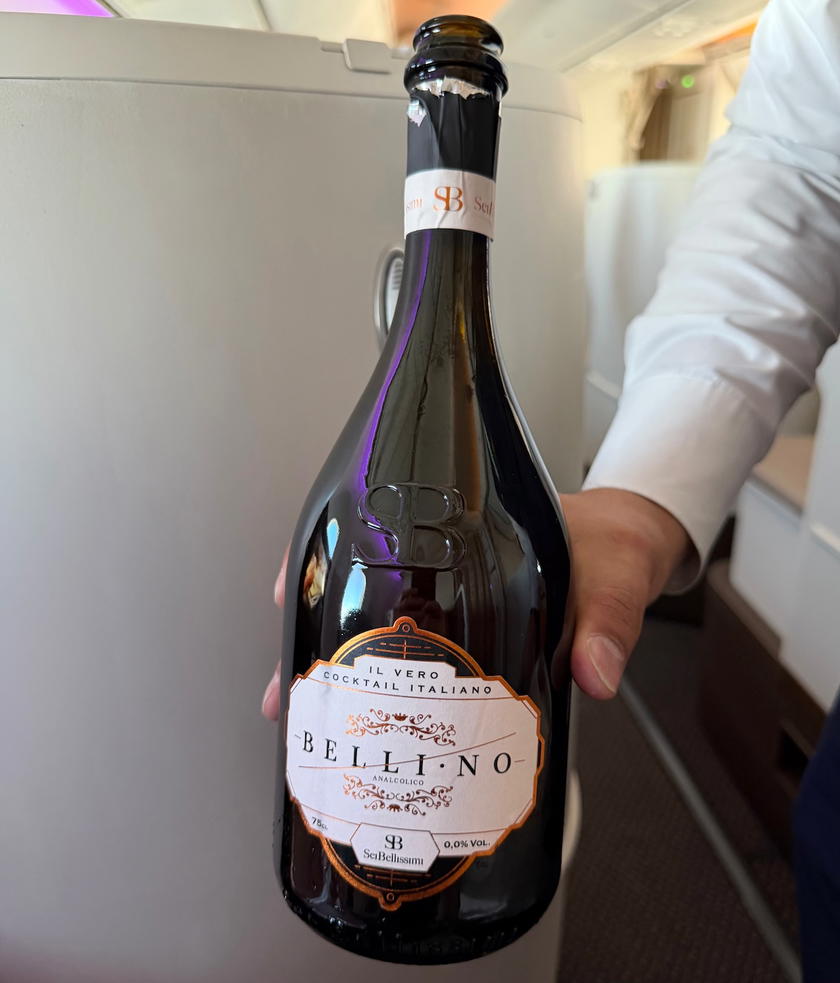
Conversely, billions of people worldwide do not consume alcohol for religious, health, or personal reasons. For this substantial demographic, dry airlines represent a comfortable, predictable, and family-friendly environment free from the potential disruptions caused by intoxicated passengers.
Aviation analysts note that for travelers willing to adapt, flying on a dry airline requires minimal adjustment. Many passengers who enjoy a drink prefer to utilize airport lounges—where alcohol is frequently available even if the subsequent flight is dry—or simply view the flight as an opportunity to experience alternative beverage trends, such as specialized teas, premium coffees, and craft mocktails.
Implications and Future Outlook for Airline Catering
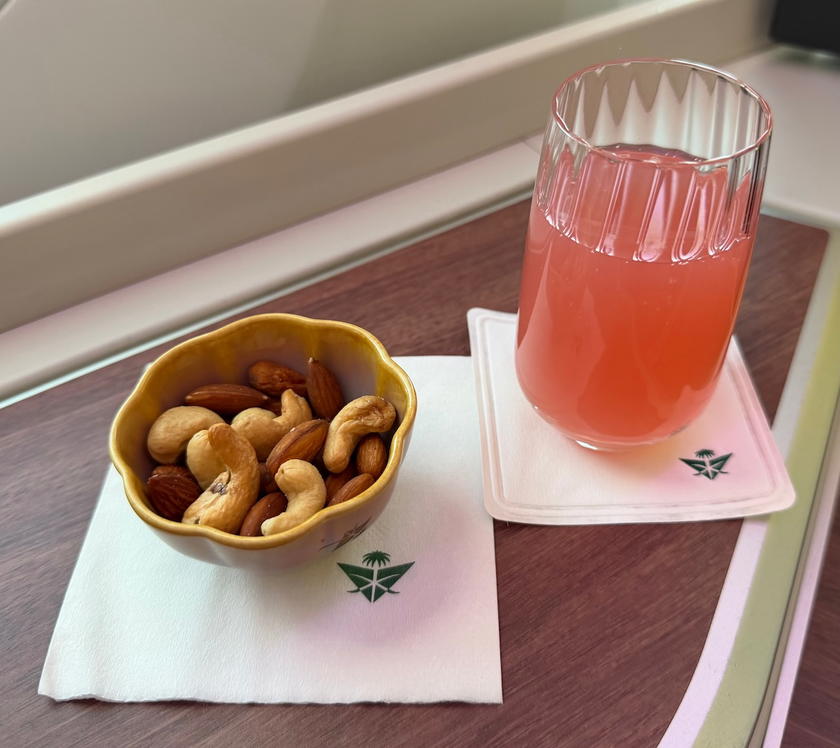
As global tourism continues to evolve, airline catering strategies are shifting to accommodate a more health-conscious and culturally diverse passenger base. The growing popularity of the "sober curious" movement, coupled with a rising demand for sophisticated non-alcoholic beverages across all demographics, has prompted even traditional carriers to expand their mocktail and non-alcoholic beer selections.
For dry airlines, this cultural shift provides an opportunity to innovate. By elevating non-alcoholic hospitality, carriers like Saudia and Riyadh Air are redefining what luxury service looks like without alcohol, appealing to both abstainers and adventurous travelers alike.
Ultimately, navigating airline alcohol policies requires awareness and preparation. Whether a traveler prioritizes a celebratory glass of champagne or seeks a serene, alcohol-free environment, understanding the distinct rules governing dry airlines, BYOB policies, and route-specific restrictions ensures a smoother and more predictable journey across the skies.