
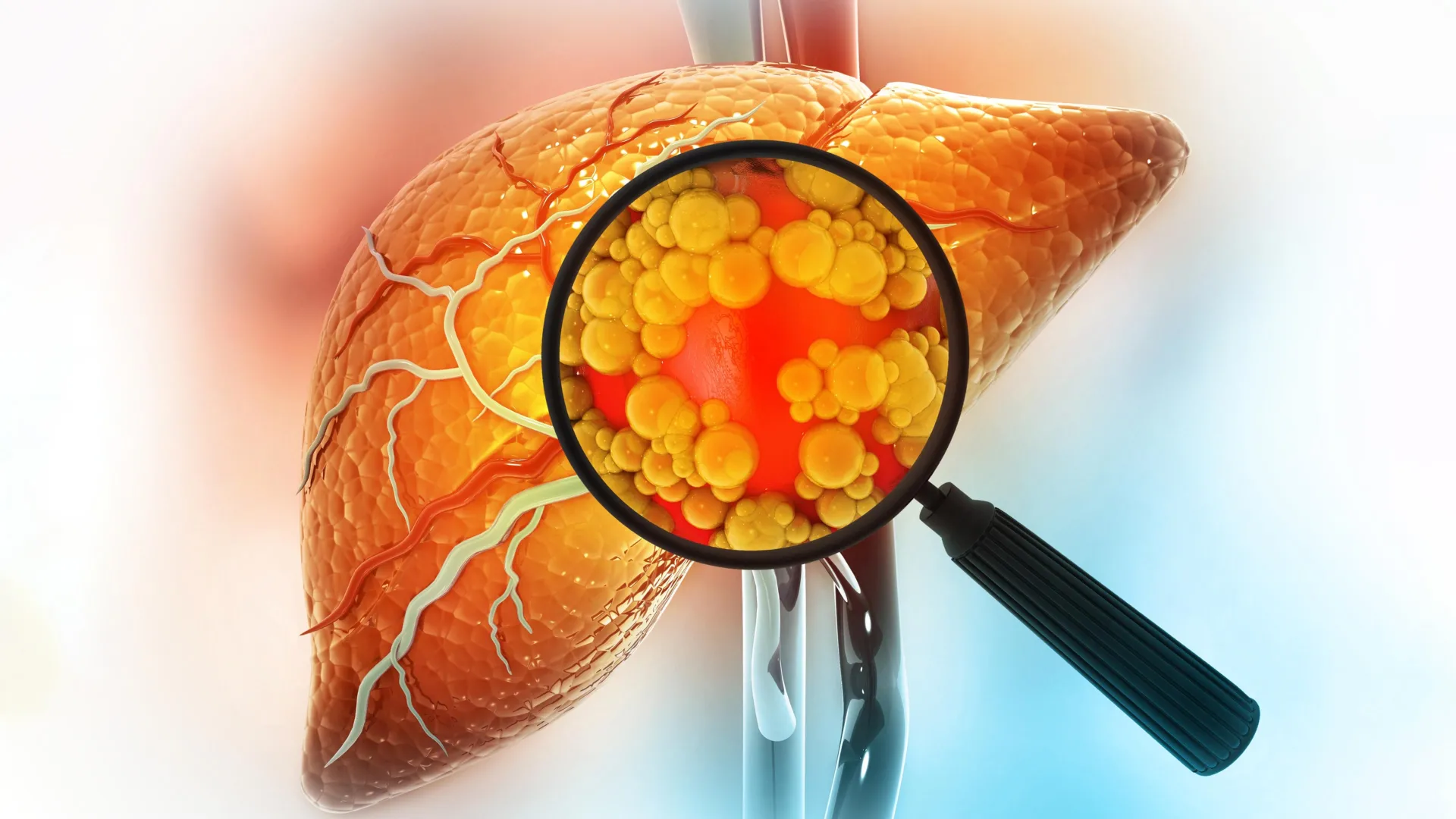
LOS ANGELES, CA – In a significant breakthrough with far-reaching implications for aging and chronic disease, scientists at the University of California, Los Angeles (UCLA) have identified a previously underappreciated group of immune cells that accumulate in aging tissues and are directly implicated in the progression of fatty liver disease. These inflammatory cells, known as senescent macrophages, have been shown in preclinical studies to drive liver damage and metabolic dysfunction, even when animals continue to consume unhealthy diets. The groundbreaking research, published in the prestigious journal Nature Aging, offers a novel therapeutic target and a deeper understanding of the interconnectedness between aging processes and common chronic illnesses.
The core of this discovery lies in the concept of cellular senescence, a natural biological process where cells, often in response to stress or damage, cease to divide but do not die. These enduring cells, colloquially termed "zombie cells," are not inert; instead, they actively secrete a cocktail of pro-inflammatory molecules and tissue-damaging factors, collectively known as the senescence-associated secretory phenotype (SASP). This constant barrage of inflammatory signals can disrupt the normal function of surrounding healthy tissues, contributing to a chronic, low-grade inflammation that is a hallmark of aging and many age-related diseases.
"Think of senescent cells as persistent irritants within the body’s delicate ecosystem," explained Dr. Anthony Covarrubias, senior author of the study and a distinguished member of the Eli and Edythe Broad Center of Regenerative Medicine and Stem Cell Research at UCLA. "Even a small number of these cells can create a cascade of disruptive effects, much like a single stalled vehicle on a busy freeway can bring traffic to a standstill for miles. As we age, or under conditions of chronic stress like metabolic disease, these senescent cells can accumulate, leading to widespread tissue dysfunction."
The Macrophage Enigma: Distinguishing the "Zombie" from the Sentinel
For years, the role of macrophages, the body’s resident immune cells responsible for patrolling tissues, clearing cellular debris, and initiating inflammatory responses, in cellular senescence remained a subject of intense debate. Many researchers believed that macrophages, with their inherent dynamic nature and their existing involvement in inflammation, were incapable of entering a senescent state. A significant challenge in this research area was the difficulty in distinguishing between healthy, actively functioning macrophages and those that had become senescent. Healthy macrophages naturally exhibit some molecular characteristics that overlap with those of senescent cells, creating a diagnostic hurdle.
The UCLA team’s pivotal contribution was the identification of a definitive molecular signature that reliably flags senescent macrophages. By meticulously analyzing cellular markers, they discovered that the co-expression of two specific proteins, p21 and TREM2, serves as a precise indicator of macrophages that have entered a truly senescent state. These p21-TREM2-positive macrophages are no longer effectively performing their protective functions but continue to release inflammatory signals that promote damage in neighboring tissues.
Utilizing this newly defined marker, the researchers conducted a comprehensive analysis of liver macrophages in mice of varying ages. Their findings revealed a dramatic age-related increase in senescent macrophages. In young, healthy mice, senescent macrophages constituted a mere 5% of the total macrophage population in the liver. However, in older mice, this proportion surged to an alarming 60-80%. This significant rise directly correlated with the observed increase in chronic liver inflammation and damage associated with aging, providing compelling evidence for the role of senescent macrophages in age-related hepatic decline.
Cholesterol: A Potent Catalyst for Macrophage Senescence
Beyond the natural aging process, the UCLA study uncovered a critical environmental trigger for macrophage senescence: excess cholesterol. In laboratory experiments, when healthy macrophages were exposed to high levels of low-density lipoprotein (LDL) cholesterol, they exhibited the characteristic hallmarks of senescence. These included a cessation of cell division, the production and release of inflammatory proteins, and crucially, the acquisition of the p21-TREM2 senescent marker.
"Macrophages are designed to handle cholesterol metabolism to a certain extent," stated Ivan Salladay-Perez, the first author of the study and a graduate student in Dr. Covarrubias’s lab. "However, when faced with a chronic surplus, this metabolic process becomes pathological. This is particularly relevant to conditions like fatty liver disease, which is fundamentally driven by overnutrition and elevated blood cholesterol levels. Our findings strongly suggest that this excess cholesterol acts as a major instigator, pushing macrophages into a senescent state and fueling the inflammatory cycle."
This discovery has profound implications beyond liver health. The researchers propose that diets high in fat and cholesterol may accelerate biological aging across multiple organ systems, not just the liver, but also potentially the brain, heart, and adipose tissue, by promoting macrophage senescence. This mechanism could represent a shared pathway through which lifestyle choices contribute to a wide spectrum of age-related diseases.
Reversing Liver Damage: The Power of Senescent Cell Clearance
To rigorously test the therapeutic potential of targeting senescent macrophages, the UCLA team employed a senolytic drug, ABT-263. Senolytic drugs are designed to selectively identify and eliminate senescent cells. The results in mice were nothing short of remarkable. Animals that had been fed a high-fat, high-cholesterol diet and subsequently treated with ABT-263 showed dramatic improvements in liver health.
The enlarged, yellowish livers characteristic of fatty liver disease in untreated mice significantly reduced in size, dropping from approximately 7% of body weight to a healthy range of 4-5%. Accompanying this liver improvement was a substantial decrease in overall body weight, with treated mice losing about 25% of their mass, falling from roughly 40 grams to around 30 grams. Visually, the treated livers appeared smaller and healthier, regaining a normal reddish hue, a stark contrast to the enlarged, pale livers of their untreated counterparts.
"The most astonishing aspect of these findings was the extent of the reversal," Salladay-Perez emphasized. "Simply eliminating the senescent macrophages, even without altering the unhealthy diet, led to significant metabolic improvements and not only halted the progression of fatty liver disease but actively reversed it. This highlights the central role these specific immune cells play in driving the pathology."
Human Evidence: Bridging the Gap to Clinical Relevance
The researchers sought to determine if their findings in mice translated to human liver disease. They analyzed existing genomic data from human liver biopsies, comparing samples from individuals with and without liver disease. The results corroborated their preclinical observations: the specific senescent macrophage signature (p21-TREM2) was significantly elevated in diseased human livers compared to healthy ones. This provides strong evidence that macrophage senescence is a contributing factor to chronic liver disease in humans.
The public health implications of these findings are particularly acute in regions like Los Angeles, where an estimated 30-40% of the population suffers from fatty liver disease, with even higher prevalence observed in Latino communities. The limited treatment options and lack of early detection tools underscore the urgent need for innovative therapeutic strategies.
"This represents a burgeoning public health crisis," Dr. Covarrubias stated, also an assistant professor of microbiology, immunology, and molecular genetics. "We are witnessing an alarming trend of fatty liver disease affecting younger and younger individuals. Our research offers a critical insight into the underlying mechanisms driving this epidemic and identifies a specific cell type that could be a viable target for new treatments."
The Road Ahead: New Treatments and Broader Impact
While ABT-263 demonstrated efficacy in mice, its toxicity profile currently precludes its widespread use in humans. The UCLA research team is now focused on screening for safer, more targeted senolytic compounds that can selectively eliminate senescent macrophages without causing harmful side effects. This next phase of research is crucial for translating these promising preclinical findings into viable clinical therapies.
Furthermore, the team is actively investigating whether similar senescence-driven processes are at play in other age-related diseases. For instance, in the brain, microglia, the resident macrophages of the central nervous system, may become senescent in conditions like Alzheimer’s disease when confronted with an accumulation of cellular debris. Understanding these potential parallels could unlock new therapeutic avenues for a range of neurodegenerative disorders.
A Unifying Mechanism for Aging and Disease
The findings from UCLA align powerfully with the geroscience hypothesis, a prominent theory in aging research that posits a single, overarching process of aging underlies multiple age-related diseases. The accumulation of senescent macrophages, as demonstrated in this study, could serve as a common pathway that contributes to the development and progression of conditions as diverse as fatty liver disease, atherosclerosis, Alzheimer’s disease, and certain cancers.
"If we can truly understand and target the fundamental mechanisms that drive inflammation and cellular dysfunction with aging, we open the door to treating not just fatty liver disease, but a constellation of debilitating conditions," Salladay-Perez concluded. "The key lies in unraveling how these senescent cells arise and persist, and then developing precise interventions to clear them."
The research was generously supported by grants from the National Institutes of Health, the Glenn Foundation for Medical Research, the American Federation for Aging Research, and the UCLA-UCSD Diabetes Research Center, underscoring the collaborative and multi-faceted nature of this significant scientific endeavor.










Leave a Reply