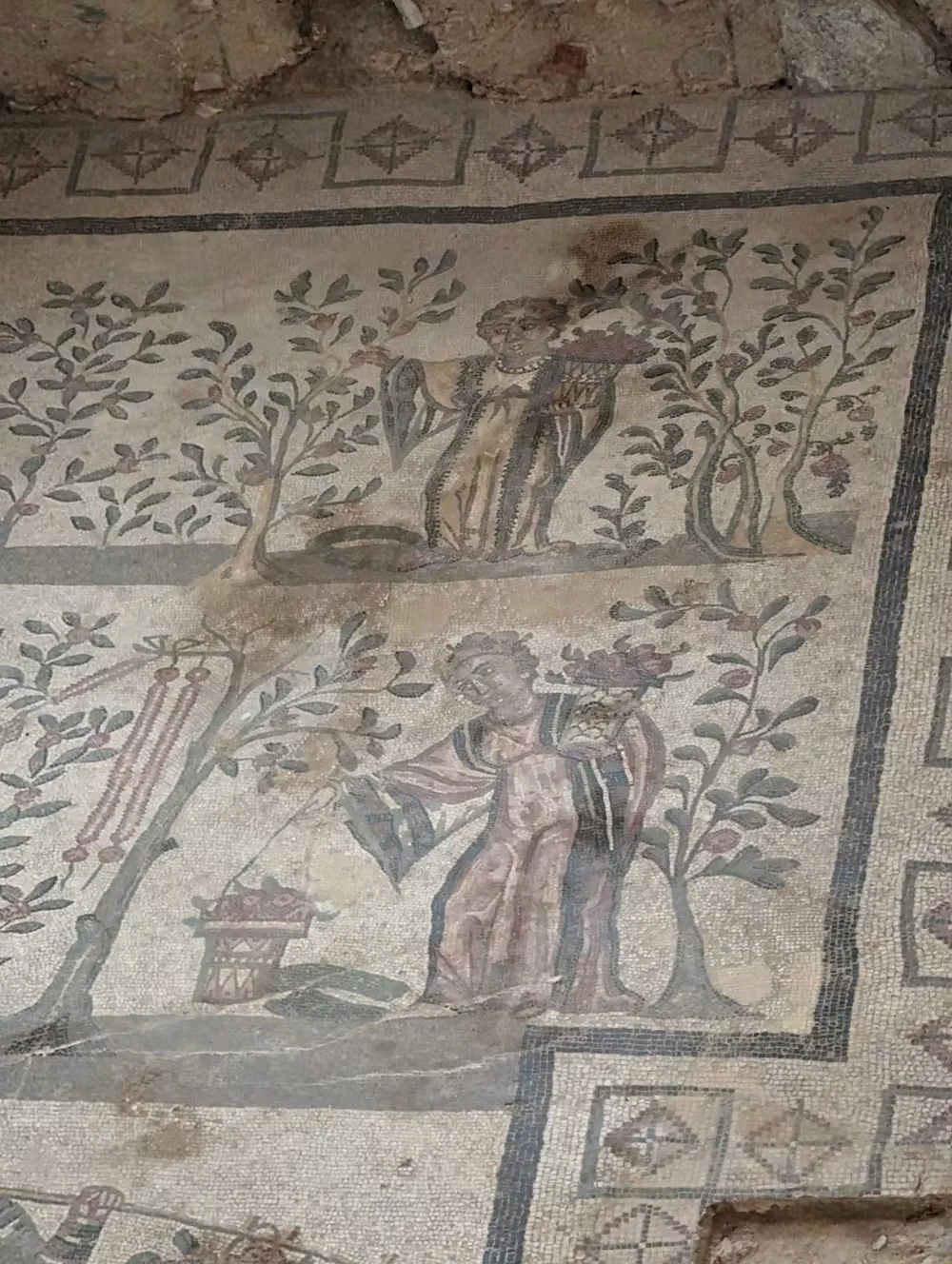
Recent scholarly research is challenging long-held assumptions about the roles of women in ancient Roman society, particularly within the agricultural sector. For centuries, historical interpretations of Roman texts have largely relegated women mentioned in relation to farms to the domestic sphere, categorizing them as housekeepers responsible for household management and meal preparation, rather than active participants in the productive agricultural economy. However, a groundbreaking new paper published in the Journal of Roman Archaeology by Honorary Fellow Tamara Lewit from the School of Historical and Philosophical Studies at The University of Melbourne, presents compelling evidence that suggests a far more significant and overlooked role for women as farm managers in the Roman world.
This extensive re-examination of legal texts, literary works, and funerary inscriptions spanning a period of five centuries, from the late Republic through the Imperial era, indicates that female farm managers were not an anomaly but were, in fact, present and active, albeit often subtly referenced. Lewit’s research meticulously analyzes a range of sources that, when viewed collectively and through a new analytical lens, paint a picture of women overseeing agricultural operations, managing labor, and making critical economic decisions related to the farm’s output. This challenges the prevailing narrative that agricultural management was an exclusively male domain.
The Traditional View: Domesticity Over Productivity
The prevailing historical consensus has, for a considerable time, interpreted mentions of women in agricultural contexts as indicators of their involvement in domestic chores essential for the farm’s functioning. This interpretation is often rooted in the patriarchal structures evident throughout Roman history, where women’s societal roles were predominantly confined to the home and family. The assumption has been that any female presence on a farm was primarily to support the male head of household and ensure the well-being of the laborers through domestic services like cooking, cleaning, and childcare.
This perspective, while not entirely without merit in acknowledging the essential domestic labor performed by women, has systematically overlooked or downplayed evidence that points to a more direct involvement in the management and economic aspects of farming. The scarcity of explicit, unambiguous statements in ancient texts detailing female farm managers has contributed to this oversight. However, Lewit’s work argues that the evidence, while sometimes indirect, is robust enough to warrant a significant revision of this understanding.
Reinterpreting the Evidence: A Multifaceted Approach
Lewit’s research delves into various categories of Roman literature and epigraphy to construct her argument.
- Legal Texts: Roman law, while often reflecting societal norms, also provides insights into economic activities and property management. Lewit examines legal discussions concerning dowries, inheritances, and property disputes that may involve women in decision-making capacities related to land and its produce. The absence of explicit legal prohibitions against women managing farms, coupled with their recognized legal capacity to own and manage property in certain circumstances, provides a foundational argument for their potential involvement.
- Literary Works: Roman literature, including letters, philosophical treatises, and even poetry, can offer glimpses into daily life and social practices. Lewit scrutinizes these texts for subtle references to women who might have been involved in overseeing agricultural work, managing harvests, or directing laborers. These mentions might be indirect, such as a woman being responsible for the "administration" of a rural estate, or a woman whose actions directly impacted the farm’s profitability.
- Grave Inscriptions (Epitaphs): Funerary inscriptions offer a particularly valuable, though often brief, window into the lives of individuals. Lewit analyzes epitaphs of women where their occupations or roles are described. While many might simply state "matrona" (wife/mother), some inscriptions could reveal a woman’s association with agricultural activities beyond the purely domestic. The inclusion of terms related to management or oversight, even if seemingly minor, becomes significant when viewed in the context of a broader pattern.
The significance of Lewit’s methodology lies in its cumulative approach. By aggregating and re-evaluating these diverse pieces of evidence, a more nuanced picture emerges. The research suggests that the traditional interpretation has been too narrow, failing to recognize that women could hold positions of authority and responsibility within the complex economic system of Roman agriculture.
The Scope of Female Farm Management
The implications of Lewit’s findings are far-reaching. If women were indeed active farm managers, this would necessitate a reassessment of their economic agency and social standing in the Roman world. It suggests that women could have been instrumental in:
- Resource Allocation: Deciding which crops to plant, managing livestock, and overseeing the allocation of resources like water, labor, and fertilizer.
- Labor Management: Directing the work of farmhands, whether slaves, freedmen, or tenant farmers, and ensuring productivity.
- Economic Decision-Making: Setting prices for produce, managing sales, and making financial decisions that impacted the farm’s profitability and the owner’s wealth.
- Estate Management: In larger estates, women might have been responsible for the overall administration of the land, including its maintenance and development.
The presence of female farm managers also raises questions about inheritance and property transmission. If women were actively involved in managing productive assets, their role in ensuring the continuity and prosperity of family estates would have been considerable. This could have subtly influenced family structures and the ways in which wealth and property were managed across generations.
A Timeline of Emerging Roles
While direct evidence may be sparse in earlier periods, the research suggests that the potential for women to engage in farm management may have evolved over time.
- Late Republic (c. 2nd – 1st Century BCE): During this era of significant expansion and increasing complexity in Roman agriculture, the demands on estate owners and their families would have grown. While traditional gender roles were still strong, the need for competent management of increasingly large and productive estates might have opened avenues for women within elite families to take on more responsibilities, particularly if male family members were engaged in military or political affairs.
- Early Imperial Period (c. 1st Century CE): As the Roman Empire stabilized and economic prosperity grew, so did the scale and sophistication of agricultural operations. This period might have seen a more formalized recognition of women’s roles in managing these estates. Literary and legal references, though subtle, could begin to reflect this growing involvement.
- High Imperial Period (c. 2nd – 3rd Century CE): The evidence from epitaphs might become more prominent in this era, potentially offering more direct, albeit still concise, descriptions of women’s roles. The increasing complexity of rural economies and the widespread ownership of land could have necessitated a more flexible approach to management, allowing women to fill crucial roles.
It is important to note that the extent of female farm management likely varied significantly based on social class, geographical location, and the specific economic circumstances of individual estates. Women from wealthy landowning families would have had greater opportunities to engage in management than those from lower social strata.
Supporting Data and Contextual Understanding
To fully appreciate the significance of this research, it’s crucial to understand the broader context of Roman agriculture. Roman farms were the backbone of the empire’s economy, supplying food to urban centers, the army, and for export. Agricultural production was diverse, encompassing grain cultivation, viticulture (winemaking), olive oil production, and animal husbandry. The success of these enterprises depended heavily on effective management, including labor organization, resource utilization, and market awareness.
The economic output of Roman agriculture was substantial. For instance, estimates suggest that the Roman Empire could produce enough grain to feed a population of tens of millions. The efficiency of individual farms, therefore, had a significant impact on the overall economic stability and prosperity of the empire. If women played a substantial role in managing these farms, their contribution to this economic success would have been considerable.
Furthermore, the legal and social status of women in Roman society, while generally subordinate to men, was not monolithic. Roman women, particularly those from the elite, could own property, conduct business, and exert influence within their families and social circles. This existing framework of female agency provides a plausible basis for their involvement in agricultural management.
Reactions and Implications
While specific "reactions" from related parties in ancient Rome are impossible to ascertain, the implications of Lewit’s findings are significant for modern historical scholarship and our understanding of gender roles in antiquity.
- Revision of Historical Narratives: This research necessitates a re-evaluation of existing historical narratives that have often overlooked or minimized women’s economic contributions. It challenges the simplistic binary of men as public economic actors and women as solely domestic figures.
- Economic History: The findings contribute to a more comprehensive understanding of Roman economic history, highlighting the potential for a more diverse and dynamic management structure in agriculture than previously assumed.
- Social History and Gender Studies: This work enriches the field of social history and gender studies by uncovering previously hidden aspects of women’s lives and their engagement with the material world. It underscores the importance of re-examining textual evidence with an awareness of potential gendered biases in interpretation.
- Archaeological Interpretation: While the current study is text-based, its findings could inform future archaeological interpretations. For example, the distribution of certain artifacts or the layout of farm buildings might be re-examined in light of the possibility of female managerial oversight.
Broader Impact and Future Research
The implications of uncovering "hidden" female farm managers extend beyond the specific context of Roman agriculture. It serves as a powerful reminder that historical narratives are often shaped by the perspectives and biases of the interpreters. The systematic re-examination of historical sources through new lenses can bring to light the contributions of individuals and groups who have been marginalized or overlooked in traditional accounts.
Future research could build upon Lewit’s work by:
- Expanding the Corpus: Investigating a wider range of literary and epigraphic sources from different regions of the Roman Empire to see if the patterns identified are consistent.
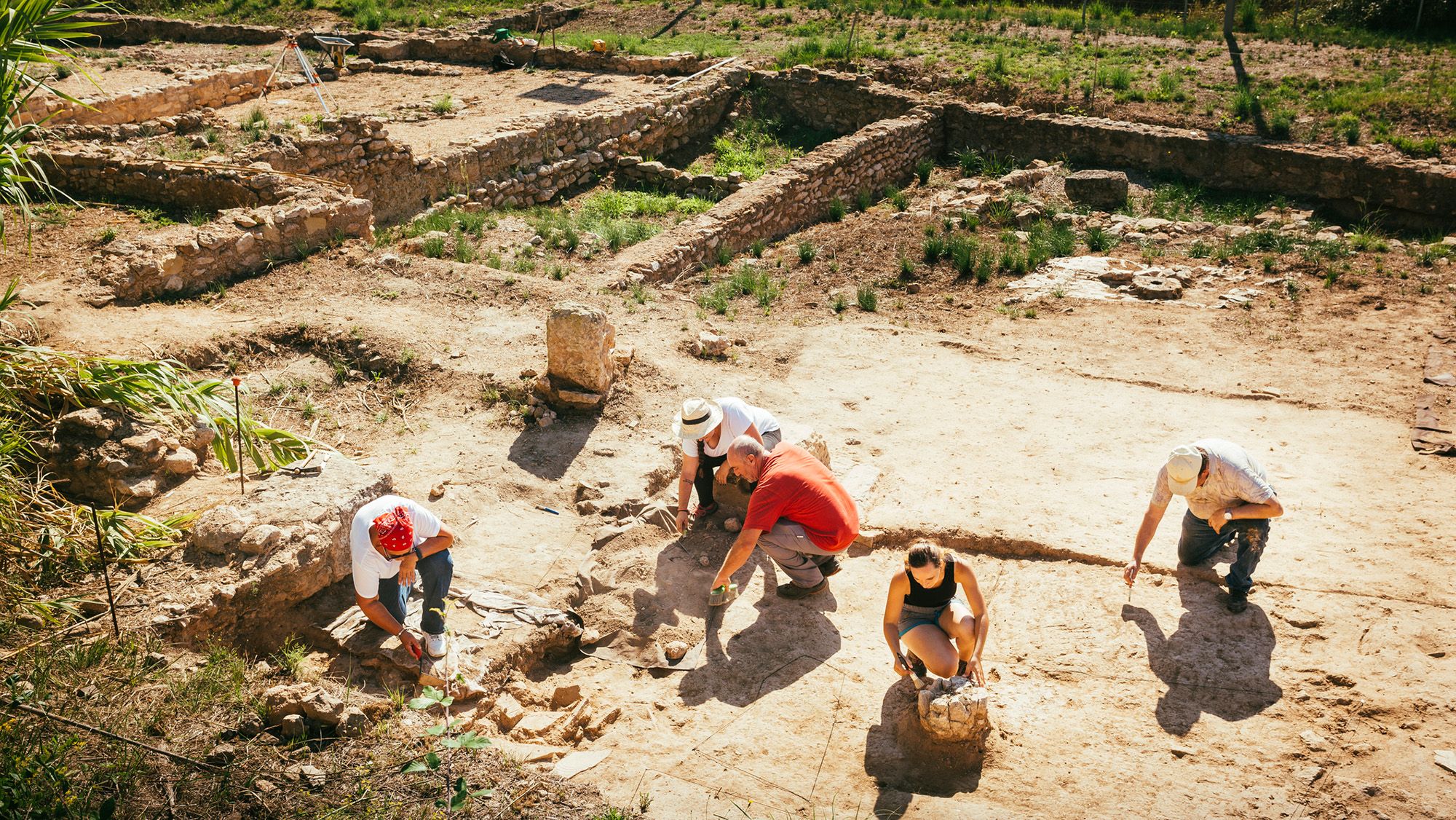
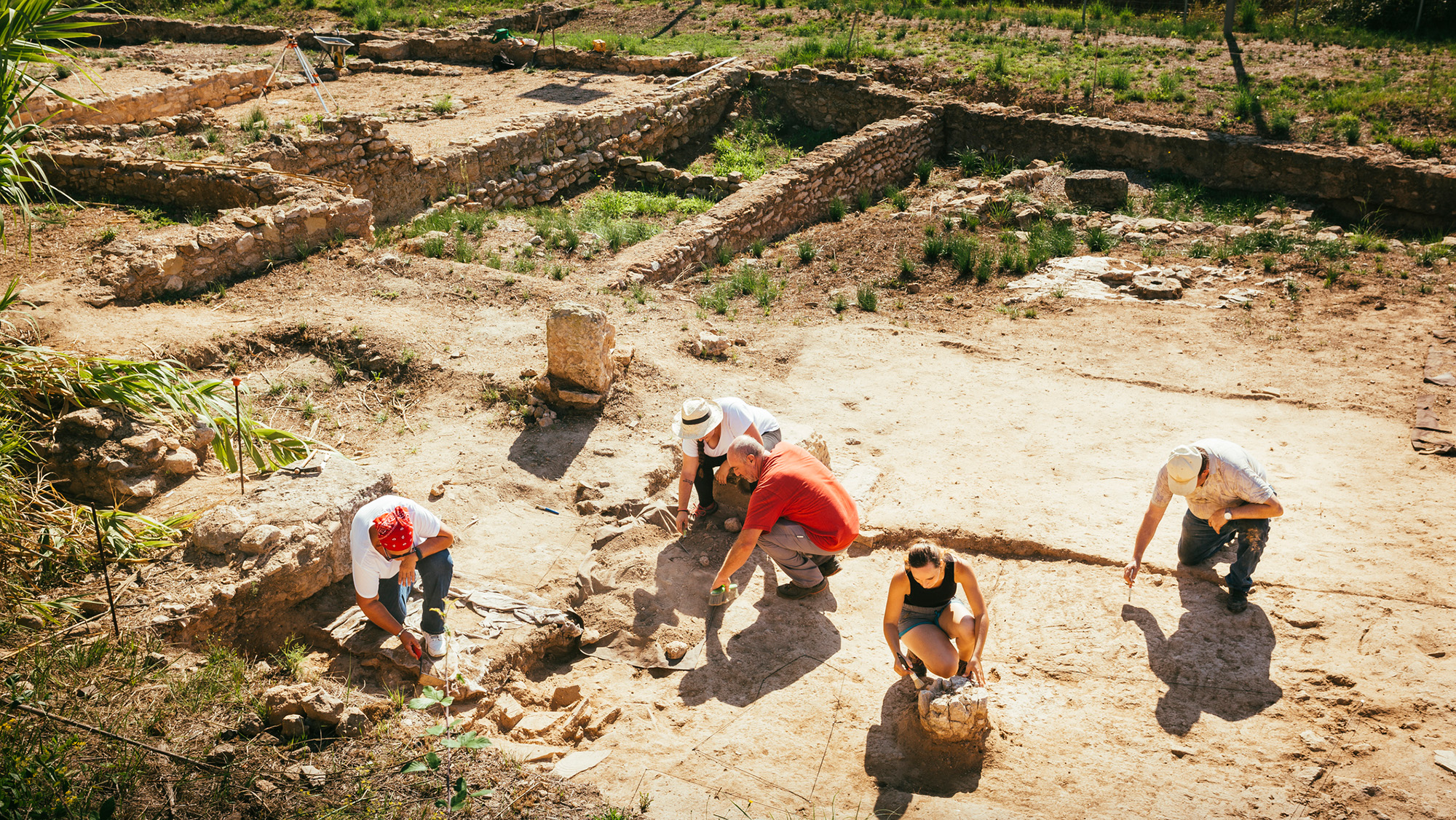
- Archaeological Correlation: Exploring potential correlations between textual evidence and archaeological findings at Roman agricultural sites.
- Comparative Studies: Comparing the situation of women in Roman agriculture with that in other ancient societies to identify broader trends or unique aspects.
- Economic Modeling: Developing economic models that incorporate the potential contributions of female farm managers to assess their impact on farm productivity and profitability.
In conclusion, Tamara Lewit’s research represents a significant advancement in our understanding of women’s roles in ancient Rome. By meticulously re-examining existing textual evidence, her work challenges long-held assumptions and reveals a more complex and nuanced picture of female agency within the crucial agricultural sector. The identification of women as potential farm managers not only enriches our knowledge of Roman economic history but also highlights the ongoing importance of critical re-evaluation in the study of the past, ensuring that the contributions of all individuals are recognized and understood.