
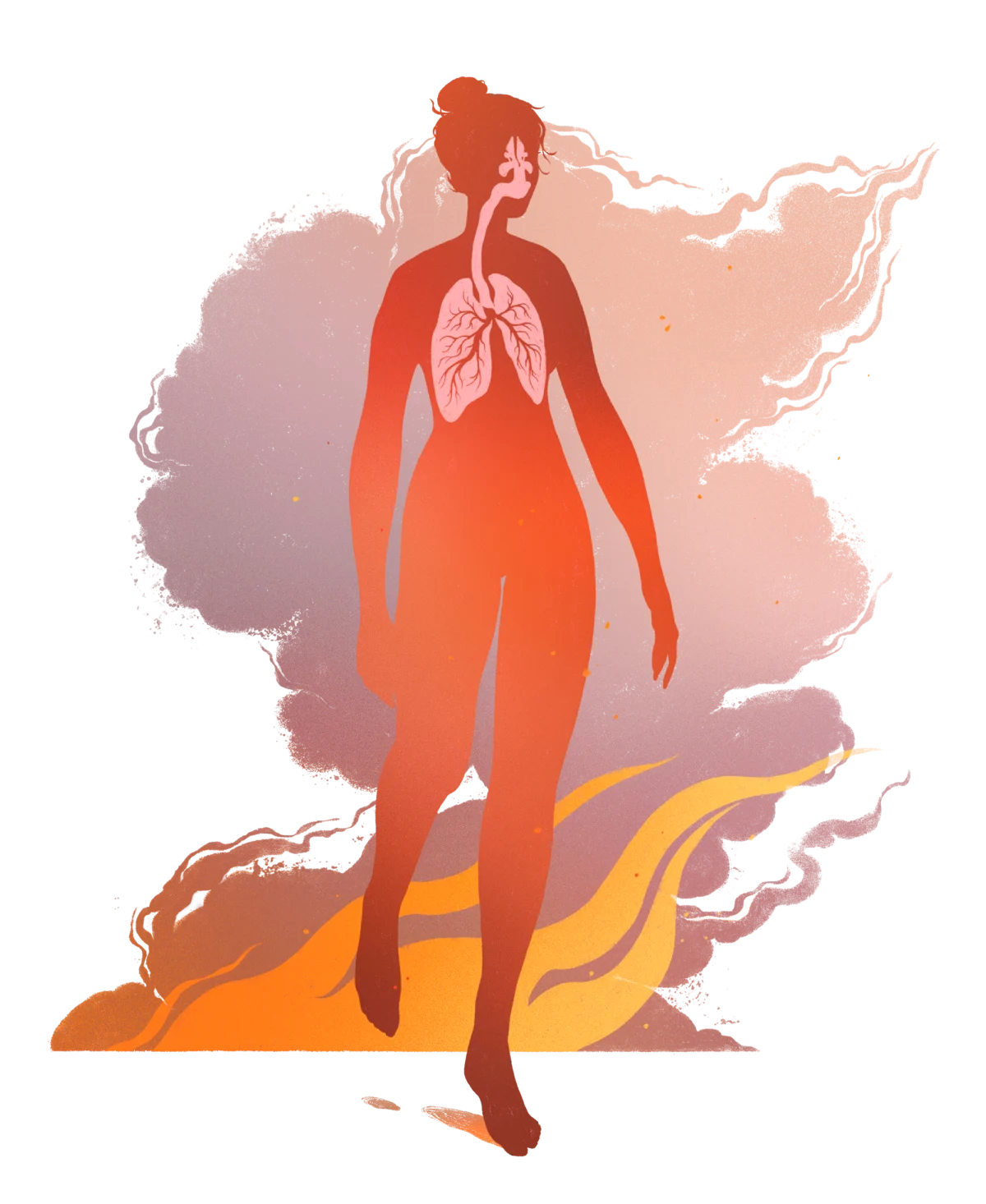
The human body is an intricate biological machine evolved to operate within a relatively narrow range of environmental conditions, but as global temperatures continue to shatter historical records, that equilibrium is being fundamentally disrupted. Medical experts and climate scientists are increasingly sounding the alarm that the climate crisis has transitioned from a distant environmental threat to an immediate and pervasive public health emergency. From the cellular level to the functionality of major organ systems, the warming of the planet is putting unprecedented pressure on human physiology, threatening to erase decades of progress in global health and longevity.
According to the 2024 Lancet Countdown on Health and Climate Change, the world is currently seeing a "lethal" record-breaking year for climate-related health risks. The report underscores that rising greenhouse gas emissions are no longer just an abstract metric of atmospheric change; they are direct drivers of millions of "needless deaths." As heat waves become more frequent and intense, wildfire smoke blankets entire continents, and infectious diseases migrate into new territories, no demographic remains entirely immune. Even the healthiest individuals are now facing cumulative stressors that challenge the body’s vital systems in ways that were rarely observed just a generation ago.
A Chronology of Declining Public Health Gains
To understand the gravity of the current situation, it is necessary to look at the timeline of public health. For much of the 20th century, global health initiatives focused on eradicating infectious diseases, improving sanitation, and advancing cardiovascular care. These efforts resulted in a significant increase in life expectancy worldwide. However, the trajectory began to shift in the late 1990s as the signals of a warming planet became more pronounced.
By the early 2000s, researchers began to notice a measurable uptick in heat-related mortality. The 2003 European heat wave, which claimed an estimated 70,000 lives, served as a watershed moment for the medical community, proving that even developed nations were unprepared for extreme thermal stress. In the decades since, the frequency of such events has accelerated. The 2010s saw a dramatic increase in the intensity of wildfires, particularly in the Western United States, Australia, and Canada, introducing a new era of chronic air pollution. Today, in the mid-2020s, the medical consensus has shifted from treating climate-related illnesses as isolated incidents to recognizing them as a systemic assault on human biology.
The Cardiovascular System: The Heart Under Siege
The cardiovascular system is often the first to experience the strain of a warming world. When ambient temperatures rise, the body must work overtime to maintain its core temperature. To facilitate cooling, the heart must pump blood significantly faster, often two to four times its normal rate per minute, to move heat from the internal organs to the skin’s surface. This process, known as vasodilation, widens blood vessels but simultaneously flushes essential fluids out of the bloodstream.
The resulting dehydration leads to thicker, more viscous blood, which is significantly harder for the heart to circulate. In the short term, this can trigger heatstroke—a critical condition where the internal cooling system fails entirely and body temperatures exceed 103 degrees Fahrenheit—and acute heart failure. However, the long-term implications are equally concerning. Repeated exposure to seasonal heat waves puts a chronic strain on the heart muscle, contributing to the development of cardiovascular disease. In the United States alone, extreme heat is now linked to an additional 600 to 700 cardiovascular deaths annually.
Furthermore, recent observational studies have highlighted a dangerous trend: nighttime temperatures are rising faster than daytime temperatures in many regions. This "nocturnal warming" prevents the body from entering a recovery phase. Research conducted in East Asia suggests that if current emission trajectories continue, hot nights alone could account for nearly 6 percent of all deaths in countries like China and Japan by the end of the century.
Respiratory Health and the "Thirsty" Atmosphere
The respiratory system is facing a dual threat from increasing ground-level ozone and the proliferation of wildfire smoke. As the atmosphere becomes "thirstier"—a phenomenon driven by rising temperatures that suck moisture out of landscapes—wildfires have become more frequent and more severe. Currently, nearly half of the global population lives in the "wildland-urban interface," where residential areas intermingle with fire-prone vegetation.
Wildfire smoke contains ultrafine particulate matter (PM2.5) that is small enough to penetrate deep into the lung tissue and enter the bloodstream. This triggers systemic inflammation, worsening chronic conditions such as asthma and chronic obstructive pulmonary disease (COPD). Beyond the lungs, this inflammation is now being linked to dermatological issues, such as the flare-up of eczema and psoriasis.
Compounding this is the chemistry of heat itself. High temperatures interact with sunlight and nitrogen oxides to speed up the formation of ground-level ozone, a powerful lung irritant. Additionally, longer and warmer springs have extended the allergy season, leading to higher pollen counts and increased respiratory distress for millions of people. Indoors, increased humidity and extreme flooding events have created ideal conditions for black mold, turning homes into sources of respiratory illness.
Neurological Impact: Cognitive Decline and Social Stability
Emerging research is uncovering a startling link between climate change and brain health. Particulate matter from wildfire smoke and air pollution has been found to cross the blood-brain barrier, contributing to neuroinflammation. Scientists are now investigating how these processes accelerate cognitive decline and increase the risk of dementia and stroke.
The neurological effects of extreme heat are equally profound. Studies have shown that higher temperatures correlate with lower test scores among students and a higher frequency of workplace errors that lead to injury. In the elderly, heat often manifests as increased confusion and disorientation. Perhaps most concerning is the impact on behavior and mental health. An assessment of violent crimes in over 400 U.S. counties revealed that for every 18-degree Fahrenheit increase above normal daily temperatures, the rate of violent crime rose by approximately 10 percent. Hotter days are also associated with higher rates of psychiatric emergency visits and suicide, particularly among those with pre-existing conditions like schizophrenia.
Reproductive and Gastrointestinal Disruptions
Climate change is also rewriting the rules of human reproduction. Exposure to extreme heat during pregnancy is now known to increase the risk of preterm birth by as much as 26 percent. While the exact biological mechanisms are still being mapped, experts believe that heat exacerbates maternal hypertension and cardiovascular stress. Male fertility is also at risk, as high ambient temperatures have been shown to negatively impact sperm quality and volume.
In coastal and developing regions, the intersection of climate and health is even more dire. Rising sea levels are contaminating freshwater supplies with salt, leading to increased rates of hypertension in pregnant women, which can result in preeclampsia and miscarriage. Simultaneously, warmer waters are allowing waterborne pathogens to thrive. Bacteria such as Vibrio vulnificus, often called "flesh-eating bacteria," are expanding their range into previously temperate coastal waters.
The gastrointestinal system is further threatened by the disruption of food systems. Extreme droughts and floods destroy crops, leading to malnutrition. This weakens the immune system, leaving children especially vulnerable to intestinal infections that can cause permanent stunting and long-term health complications.
The Renal System: A Silent, Chronic Epidemic
While many climate threats are acute, the impact on the renal system—the kidneys—is a story of slow, chronic damage. Extended periods of dehydration and heat stress injure the kidneys over time, leading to acute kidney damage that can eventually progress to chronic kidney disease (CKD).
This is no longer a theoretical risk. In agricultural hubs and construction sites in the Middle East, Nepal, and Central America, doctors are documenting an unusual form of kidney disease affecting young, otherwise healthy workers. These individuals often lack traditional risk factors like diabetes or high blood pressure; their only commonality is prolonged labor in extreme heat. In Nepal, migrant workers returning from the Gulf States are increasingly presenting with failed kidneys, a hidden toll of the global labor economy’s exposure to the climate crisis.
Broader Implications and the Path Forward
The medical community is reaching a consensus: the climate crisis is the greatest health threat of the 21st century. The World Health Organization (WHO) has estimated that climate change will cause approximately 250,000 additional deaths per year between 2030 and 2050 from malnutrition, malaria, diarrhea, and heat stress alone. However, many experts believe these figures are conservative, as they do not account for the systemic collapse of healthcare infrastructure during extreme weather events.
The implications are clear: public health policy can no longer be separated from environmental policy. Addressing the physiological strain of a warming world requires a multi-pronged approach, including the hardening of healthcare systems against extreme weather, the implementation of "cool-roof" and urban greening initiatives to combat heat islands, and a fundamental reduction in carbon emissions.
As the "Vital Signs" of the planet continue to fluctuate, the human body remains the ultimate indicator of the crisis. The data suggests that we are moving beyond the point where adaptation alone is sufficient. Without aggressive mitigation of global warming, the biological pressure on every system in the human body may reach a breaking point, redefining what it means to be healthy in an increasingly hostile environment.










Leave a Reply