ancing Independence and Safety: The Urgent Intersection of Aging, Cognitive Decline, and Firearm Access
If you or someone you know may be experiencing a mental health crisis, contact the 988 Suicide & Crisis Lifeline by dialing or texting “988.”
The modern healthcare landscape is confronting a complex and sensitive public health challenge at the intersection of aging, cognitive health, and the Second Amendment. Across the United States, a growing population of older adults experiencing memory loss, confusion, or formal diagnoses of dementia share their living spaces with firearms. Public health researchers, geriatricians, and advocacy groups are racing to address the distinct risks this dynamic creates, navigating a delicate balance between individual autonomy, perceived personal security, and the stark statistical realities of firearm-related harm among seniors.
The Scope of the Crisis: Numbers and Realities
The statistical urgency of the issue is underscored by data from the Centers for Disease Control and Prevention (CDC). In 2024 alone, 8,226 Americans aged 65 and older died from firearms, translating to an average of nearly 23 fatalities every single day. While youth and young adulthood are disproportionately impacted by firearm homicides, the demographic profile for older adults shifts dramatically: more than 90% of gun-related deaths among individuals 65 and older are suicides.
Researchers estimate that at least one-third of people living with dementia have access to firearms in their homes. Furthermore, a multi-state survey published in JAMA Internal Medicine revealed that roughly one-third of adults 65 and older experiencing "subjective cognitive decline"—early-stage memory loss or confusion that has not yet reached a formal clinical diagnosis—also live in households with a gun. Alarmingly, a quarter of those individuals reported that their firearms were stored insecurely, leaving them vulnerable to impulsive acts, accidental discharges, or tragic misunderstandings involving family members, visitors, or home-care workers.
A Case Study in Everyday Vulnerability
The human element of this crisis often unfolds behind closed doors during routine clinical assessments. In a recent virtual interview conducted by Laura Prater, a firearms researcher at Ohio State University, a 72-year-old retired health administrator living alone near Seattle illustrated the hidden risks present in countless American homes.
Prater had administered a questionnaire indicating that the man suffered from mild cognitive impairment, a frequent precursor to dementia. Combined with a prior diagnosis of depression, the clinical profile signaled significant vulnerability. When Prater asked about home firearm ownership, the man confirmed he still owned a shotgun previously used for bird hunting, alongside a recently acquired .45-caliber pistol.
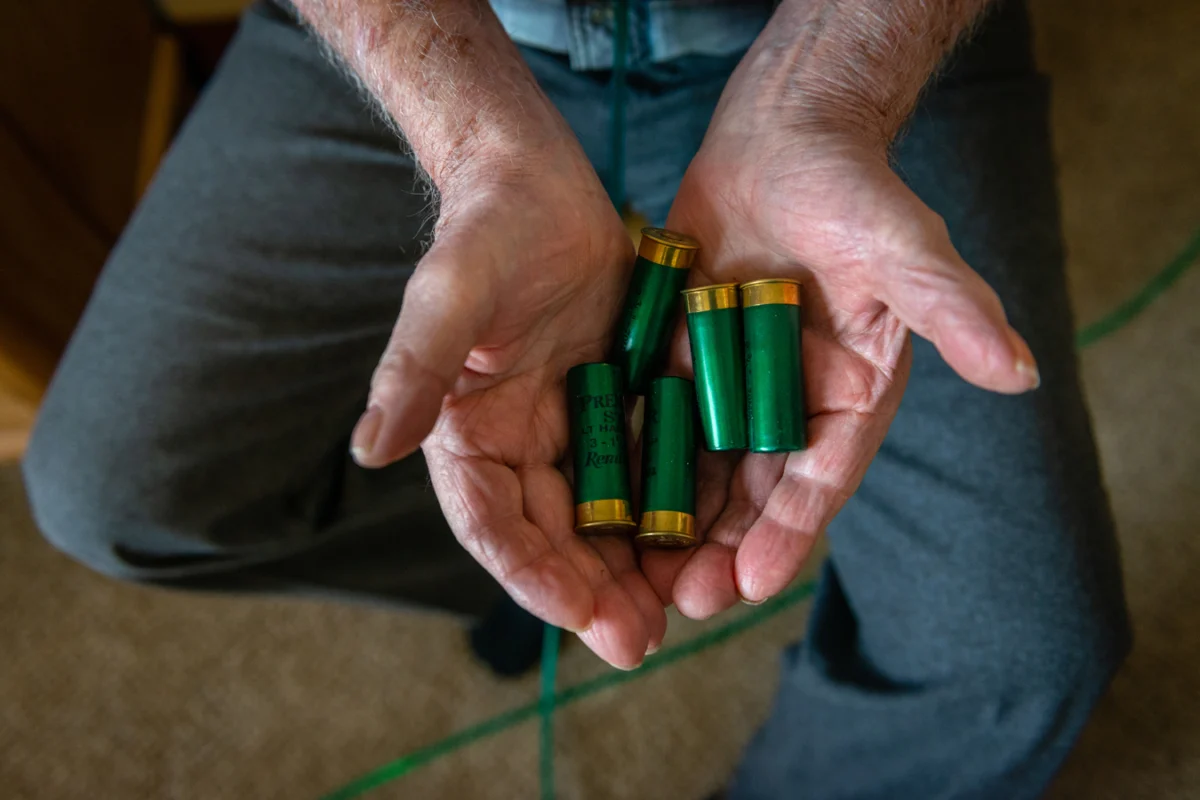
The security measures were minimal. The handgun was kept loaded in a nightstand drawer, while the shotgun was propped up by his bed, unloaded, with ammunition resting atop the nightstand. To the homeowner, living alone made the weapons a practical tool for self-protection. To Prater and clinical experts, however, the arrangement presented a high-risk scenario: an aging individual battling cognitive decline and depression with unsecured, lethal force within arm’s reach every single night.
The Psychology of Ownership and Identity
Persuading older adults to relinquish firearms or alter their storage habits is rarely straightforward. For many seniors, gun ownership is deeply intertwined with personal identity, independence, and self-worth.
Kelsey Conrick, a researcher at the Center for Firearm Injury Prevention at the University of Washington, explains that firearms often symbolize a lifetime of self-reliance. Persuading an aging owner to give up their weapons can feel like a direct assault on their identity as a protector.
This sense of attachment frequently intensifies with age. Dr. Marian Betz, an emergency physician and director of the Firearm Injury Prevention Initiative at the University of Colorado Anschutz, notes that aging naturally brings an increased sense of physical vulnerability. Older gun owners frequently harbor profound fears of victimization. Even though widespread epidemiological research—such as a heavily cited 2011 meta-analysis—indicates that keeping a firearm in the home elevates the risk of suicide and accidents without providing credible evidence of deterring crime, statistical data rarely alters decisions rooted in fear and perceived risk.
The Clinical Blind Spot and Caregiver Dilemmas
Despite the prevalence of firearms in older households, healthcare providers rarely initiate conversations about gun safety. A 2020 study led by Dr. Betz found that only about 5% of caregivers for individuals with dementia reported ever discussing firearm safety with a medical professional.
Several barriers explain this silence. Patients often conceal firearm ownership from their physicians out of a misconception that disclosing conditions like depression or dementia will automatically result in their weapons being confiscated. In reality, a diagnosis of cognitive impairment does not legally obligate medical personnel to seize firearms. Furthermore, extreme risk protection order (ERPO) laws—commonly known as "red flag" laws—exist in only 22 states and Washington, D.C., and require specific legal processes to temporarily restrict access.
Families face parallel dilemmas. Caregivers frequently witness reckless behavior or frightening near-misses involving firearms, yet they hesitate to confront their aging relatives. According to qualitative research led by Chris Knoepke, a health services researcher at the University of Colorado Anschutz, caregivers fear that pressing the issue will cause severe familial discord and alienate them from the person they must support through progressive life changes.
Shifting Toward Harm Reduction and Proactive Solutions
Recognizing the limitations of confrontational approaches, public health experts are increasingly championing a "harm-reduction" framework. Rather than demanding total relinquishment—which often drives patients away from care—the strategy focuses on mitigating risk through secure storage practices, providing devices like lockboxes and trigger locks free of charge, and initiating conversations before cognitive impairment becomes severe.
Several institutional initiatives are currently driving this paradigm shift:
- Pathways 2 Safety: Led by Kelsey Conrick at the University of Washington, this program integrates firearm safety discussions into routine healthcare via community agencies and has distributed over a thousand locking devices since March.
- Safety in Dementia: Developed by Dr. Betz at the University of Colorado, this online tool helps caregivers systematically navigate hazard preparation.
- Firearm Life Plan: An interactive toolkit utilized by nearly 16,000 people since 2022, allowing gun owners to formally document their wishes regarding firearm retirement before cognitive decline compromises their decision-making capacity.
Additionally, leading geriatricians, including Dr. Lena Makaroun of the University of Pittsburgh School of Medicine, have proposed integrating firearm safety assessments into annual Medicare wellness visits. Because these preventative visits already reach roughly 60% of beneficiaries, advocates argue that standardizing safety checks can depoliticize the issue, framing it as a routine aspect of aging, much like fall prevention or medication management.
The High Stakes of Omission
The tragic consequences of leaving firearm access unaddressed in cognitively declining patients are starkly illustrated by clinical case histories. Dr. Makaroun recalls evaluating an elderly patient in his 80s who was referred to her clinic for severe memory loss in 2019. Comprehensive cognitive testing confirmed impairment consistent with dementia, a finding she discussed compassionately with the patient and his adult son, outlining strategies to manage symptoms and slow decline. The patient exhibited no acute distress during the consultation and tested negative for depression.
The following day, when Dr. Makaroun telephoned the family with routine blood test results, the son answered. He reported that he had found his father in the basement the previous night; the man had died of a self-inflicted gunshot wound.
Incidents of this magnitude underscore the critical need for proactive, compassionate, and non-judgmental dialogue between healthcare providers, families, and aging firearm owners. By normalizing discussions around safe storage and early planning, public health advocates hope to protect vulnerable seniors, preserve their dignity, and prevent avoidable tragedies before they occur.