Ahead of World Drowning Prevention Day on July 25th, the World Health Organization (WHO) has unveiled a comprehensive new technical package designed to equip governments and communities worldwide with proven strategies to significantly reduce drowning fatalities. This initiative addresses a persistent global health challenge that claims hundreds of thousands of lives annually, with a particular focus on vulnerable populations and the escalating impact of climate change.
The Scale of the Drowning Epidemic
The statistics surrounding drowning are stark and deeply concerning. Globally, nearly 300,000 individuals lose their lives to drowning each year, making it a leading cause of preventable death. For children aged 5 to 14 years, drowning ranks among the top ten causes of mortality. These tragic incidents occur across a spectrum of environments, including rivers, lakes, wells, domestic water storage containers, and swimming pools. Critically, over 90% of these drownings are concentrated in low- and middle-income countries, highlighting a significant disparity in vulnerability and access to preventative measures.
Climate Change: An Emerging Threat Multiplier
Adding a new layer of urgency to the drowning crisis is the undeniable impact of climate change. Increasingly frequent and intense extreme weather events, such as floods, storms, and heatwaves, are directly contributing to elevated drowning risks. Scientific studies have established a strong correlation between rising temperatures and an increase in drowning incidents. For instance, research conducted in the United Kingdom revealed a notable surge of 7.2% in drowning deaths for every 1°C increase in ambient temperature. The risk escalates dramatically with heat: on days when temperatures exceed 25°C, the likelihood of drowning is nearly five times higher compared to days where temperatures remain below 10°C. This trend underscores the interconnectedness of global environmental challenges and their direct impact on public health and safety.
The PROTECT Strategy: A Framework for Action
Recognizing the multifaceted nature of this crisis, the WHO’s new technical package, named PROTECT, offers a structured and evidence-based approach. This initiative translates the vision of the first-ever Global Strategy for Drowning Prevention, launched by the WHO-hosted Global Alliance for Drowning Prevention in 2025, into actionable policy guidance. The PROTECT acronym encapsulates seven interconnected domains designed to bolster safety around water:
- Policies and legislation: Establishing robust legal frameworks and regulations to mandate safety measures.
- Risk assessment and surveillance: Systematically identifying and monitoring high-risk areas and populations.
- Outdoor water safety: Implementing measures to enhance safety in natural water bodies and public recreational areas.
- Transport safety: Improving safety standards for watercraft and promoting responsible navigation.
- Environmental modifications: Engineering safer water environments and implementing structural interventions.
- Childcare and supervision: Promoting effective supervision of children around water and early water safety education.
- Training and education: Equipping individuals with essential swimming skills and water safety knowledge.
Dr. Tedros Adhanom Ghebreyesus, WHO Director-General, emphasized the preventable nature of these tragedies: "Every drowning is a tragedy, and most are preventable. The seven PROTECT strategies give countries practical, evidence-based approaches to prevent these tragedies, including making water transport safer, teaching school kids to swim, and preparing for floods. Drowning prevention isn’t the job of one ministry; it belongs to everyone, and the lives it saves are the reward."
Ghana: A Beacon of Commitment
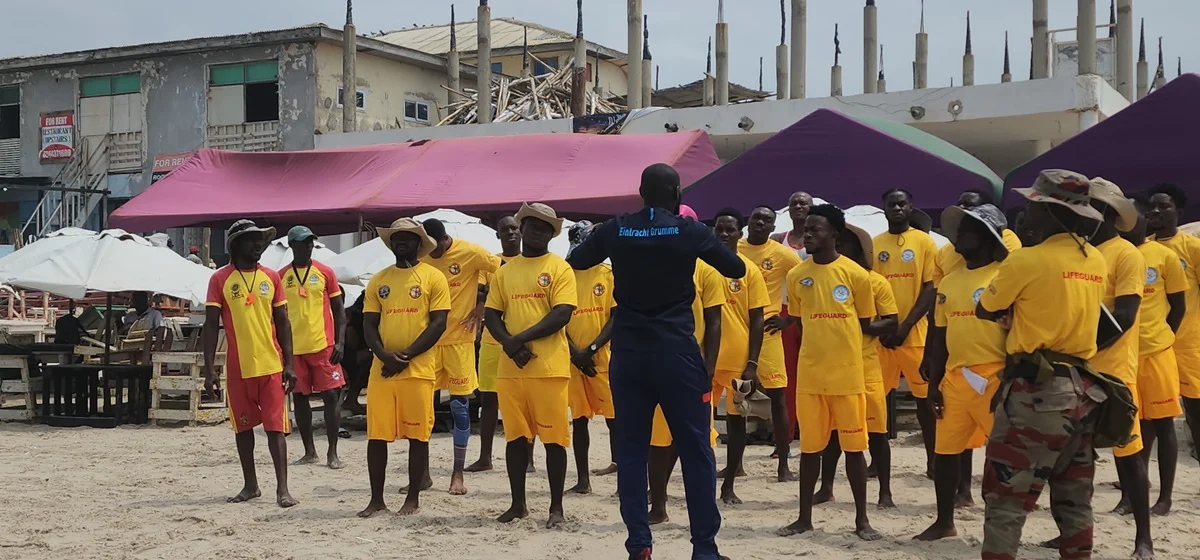
The launch of the PROTECT package is being notably inaugurated in Ghana, a country demonstrating a significant and growing political commitment to drowning prevention. Ghana faces a substantial drowning burden, with an estimated 1,100 lives lost annually to drowning. Children and young adults are disproportionately affected, translating to an average of three deaths per day. This choice of location underscores Ghana’s proactive stance in addressing this preventable public health issue and serves as an inspiration for other nations to adopt similar evidence-based policies.
The Ghanaian government’s dedication to strengthening water safety measures aligns with the WHO’s global strategy. This collaboration highlights the increasing leadership of nations in tackling this critical challenge and emphasizes the urgent need for a concerted global effort.
A Decade of Collaboration and Future Prospects
The development and launch of the PROTECT technical package are built upon more than a decade of collaborative efforts between the WHO, governments, and various international partners. This sustained partnership has been instrumental in advancing evidence-based drowning prevention interventions worldwide.
Dr. Kelly Henning, who leads the public health program at Bloomberg Philanthropies, a key supporter of this initiative, expressed optimism about the framework’s potential. "This framework will save lives while building on the progress governments around the world are making to prevent drowning deaths in their countries," she stated. "Bloomberg Philanthropies has worked with governments worldwide to implement proven, effective strategies that reduce drowning deaths. We applaud the World Health Organization for its leadership on this issue and look forward to continuing to support it and local governments as they use the PROTECT technical package."
Bloomberg Philanthropies has been a steadfast partner of the WHO in drowning prevention since 2014. Their support has been crucial in developing foundational resources that have shaped global best practices, culminating in the creation of the PROTECT technical package.
The Call to Action: "Unite to Turn the Tide"
The theme for this year’s World Drowning Prevention Day, "Unite to turn the tide," aptly captures the essence of the WHO’s call to action. It signifies the imperative for coordinated efforts across governmental bodies, various sectors, and local communities to effectively prevent drownings and safeguard lives. The PROTECT technical package provides a vital roadmap for achieving this crucial objective, offering practical tools and evidence-based recommendations that can be adapted to diverse local contexts.
Broader Implications and the Path Forward
The implications of the WHO’s initiative extend far beyond immediate drowning prevention. By reducing preventable deaths, particularly among children and young adults, the PROTECT strategy contributes to broader societal well-being, economic stability, and the attainment of Sustainable Development Goals related to health and equity. The emphasis on climate change adaptation within the package also positions drowning prevention as a critical component of global resilience-building efforts.
The successful implementation of the PROTECT strategies will require sustained political will, adequate resource allocation, and robust inter-sectoral collaboration. As climate change continues to exacerbate existing risks, the proactive adoption and adaptation of these proven measures will be paramount in turning the tide on this global public health crisis. The WHO’s commitment, supported by dedicated partners and increasingly engaged governments like Ghana, offers a beacon of hope for a future where drowning is no longer a leading, preventable cause of death worldwide.