
Effortlessly Close All Safari Tabs on Your iPhone in 2024: A Comprehensive Guide for iOS Users
The ability to manage and close all Safari tabs on an iPhone simultaneously is a crucial feature for maintaining device performance, security, and a clutter-free browsing experience. As web usage continues to evolve, so too do the methods and importance of efficient tab management. This article provides a detailed, SEO-optimized guide to closing all Safari tabs on your iPhone in 2024, addressing common user pain points and offering actionable solutions. Whether you’re struggling with a slow iPhone due to an overwhelming number of open tabs or simply aiming for a more organized digital life, this comprehensive walkthrough will equip you with the knowledge to master this essential iOS function.
The primary method for closing all Safari tabs on an iPhone involves utilizing the built-in tab management interface within the Safari app itself. This process is straightforward and accessible to all iOS users. To initiate this, locate and tap the tab icon, typically found in the bottom right-hand corner of the Safari browser window. This icon resembles two overlapping squares. Upon tapping this icon, you will be presented with a view of all your currently open Safari tabs, displayed as individual cards or previews. This "tab overview" screen is where the magic of simultaneous tab closure happens.
Once the tab overview screen is visible, your attention should be directed to the top-left corner of the screen. Here, you will find a prominent button labeled "Edit." Tapping this "Edit" button transforms the tab overview screen, revealing new options for managing your open tabs. The primary function that appears after tapping "Edit" is the "Close All" button. This button is specifically designed to perform the exact action this guide aims to explain: closing every single open Safari tab with a single tap.
The "Close All" button is usually located in the top-left corner of the screen, adjacent to or just below the "Edit" button. After tapping "Edit," observe the top-left portion of your screen for this crucial option. When you tap "Close All," a confirmation prompt will appear. This prompt is a safety measure to prevent accidental closure of numerous tabs. It will ask something along the lines of, "Close X Tabs?" where ‘X’ represents the total number of tabs you currently have open. To proceed with closing all tabs, simply tap the "Close All" button within this confirmation prompt.
The process of closing all tabs can also be initiated by holding down the tab icon. This alternative method offers a slightly quicker route for some users. Instead of tapping the tab icon and then tapping "Edit," you can press and hold the tab icon for a brief moment. This action will directly bring up a contextual menu. Within this menu, you will find an option to "Close All Tabs." Similar to the previous method, selecting this option will trigger the same confirmation prompt, requiring you to confirm your intention to close all open tabs.
It’s important to understand why managing your open Safari tabs is beneficial. Each open tab consumes a portion of your iPhone’s RAM (Random Access Memory). When you have a large number of tabs open, this can significantly impact your device’s overall performance. Symptoms of too many open tabs can include slow app switching, sluggish browser responsiveness, and even battery drain. By regularly closing unused tabs, you free up valuable RAM, leading to a smoother and more efficient iPhone experience. This is particularly relevant in 2024 as web pages become increasingly complex and resource-intensive.
Beyond performance, closing all Safari tabs also contributes to enhanced security and privacy. Each open tab can potentially track your browsing activity. While Safari has robust privacy features, minimizing your digital footprint by closing unnecessary tabs reduces the surface area for potential tracking or data collection. Furthermore, if you’re using a shared device, closing all tabs ensures that your browsing history is not readily visible to others who might use your iPhone. This is a simple yet effective privacy measure.
The "Close All Tabs" feature is not a new addition to iOS, but its accessibility and importance are amplified with each iteration of the operating system and the increasing complexity of online content. For users of the latest iOS versions in 2024, the process remains consistent, ensuring a familiar experience. The visual cues and button placements are designed for intuitive navigation, making it easy for both novice and experienced iPhone users to master.
For those who frequently find themselves with an overwhelming number of tabs, consider adopting a habit of regular tab cleanup. This could involve closing tabs at the end of each browsing session, at specific times of the day, or whenever you notice a slowdown in your device’s performance. Developing this habit will prevent the accumulation of hundreds of tabs, making the "Close All Tabs" function a quick reset rather than a drastic measure.
Another aspect to consider is the distinction between closing tabs and clearing browsing history. While closing all tabs removes them from your active browsing session, it does not erase your browsing history, cookies, or website data. If your goal is to clear all traces of your online activity, you will need to separately access Safari’s settings to clear browsing history and website data. This is a distinct but related function that users often inquire about in conjunction with tab management.
To clear browsing history, open the Settings app on your iPhone. Scroll down and tap on "Safari." Within the Safari settings, you will find an option labeled "Clear History and Website Data." Tapping this will present a confirmation prompt. Once confirmed, this action will remove all browsing history, cookies, and other browsing data from Safari. This is a more comprehensive data erasure than simply closing tabs.
For users who manage multiple Safari windows or profiles (though iOS primarily focuses on a single Safari instance per user unless utilizing specific enterprise or developer features), the "Close All Tabs" function typically applies to the active Safari window or session. If you have multiple distinct browsing sessions running (which is less common in standard iOS Safari usage compared to desktop browsers), you might need to navigate between these sessions to close tabs in each individually. However, for the vast majority of iPhone users, the "Close All Tabs" option addresses all currently open tabs within their primary Safari instance.
The consistent placement of the tab icon and the "Edit" button across various iOS versions ensures that users can easily adapt to updates without significant learning curves. This user-centric design philosophy by Apple is a testament to their commitment to providing accessible and efficient tools for their user base. As we move further into 2024, the fundamental approach to closing all Safari tabs on an iPhone remains robust and reliable.
In scenarios where the "Close All" button might not be immediately visible, ensure that you are indeed within the tab overview screen. Sometimes, users might be looking at a specific webpage without having accessed the tab overview. The key is to tap the overlapping squares icon first. This brings you to the visual representation of all your open tabs, where the "Edit" and subsequent "Close All" options become available.
For users who wish to retain specific sets of tabs for future use, Safari also offers the "Tab Groups" feature. This allows you to organize related tabs into distinct groups, which can then be saved and reopened later. While not a direct method for closing all tabs, Tab Groups offer a powerful way to manage your browsing content and avoid the need to close and then reopen numerous pages. You can create a Tab Group by selecting specific tabs and choosing the "Add Tabs to New Tab Group" option. This is a valuable feature for researchers, students, or anyone who frequently revisits certain sets of websites.
When using Tab Groups, you can close all tabs within a specific group, or close all tabs that are not part of any active Tab Group. The primary "Close All Tabs" function, as described earlier, will still close all tabs that are not currently organized into a Tab Group, alongside any individual tabs that may be open outside of a group. It’s important to differentiate between closing individual tabs, closing all tabs in a group, and closing all tabs across all groups and ungrouped tabs.
The "Close All Tabs" function is a critical component of mobile browsing hygiene. It’s not just about aesthetics; it directly impacts the responsiveness and efficiency of your iPhone. By understanding and utilizing this feature effectively, you can ensure a more fluid and enjoyable online experience on your device throughout 2024 and beyond. Regular practice with this simple yet powerful function will make it an instinctive part of your digital routine, contributing to a healthier and more organized digital life. The ease with which this action can be performed underscores the user-friendly design philosophy embedded within iOS, making powerful functionalities accessible to everyone.
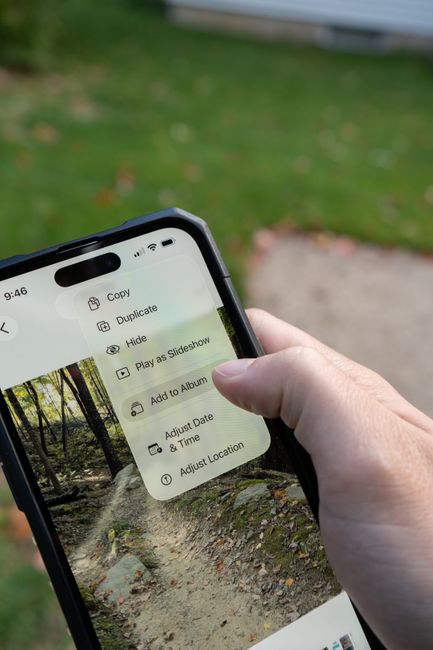
The image referenced in the context, likely depicting the Safari tab interface with the "Close All" option highlighted, serves as a visual aid to reinforce the steps outlined. Users who are visually oriented will find such imagery invaluable in quickly grasping the location of the relevant buttons. The persistent presence of this functionality across recent iOS updates highlights its enduring utility.
In conclusion, mastering the art of closing all Safari tabs on your iPhone is a fundamental skill for any iOS user in 2024. Through a few simple taps, you can reclaim valuable device resources, enhance your privacy, and maintain a streamlined browsing experience. Remember the tab icon, the "Edit" button, and the "Close All" prompt, and you’ll be able to effortlessly manage your open tabs with efficiency and ease. This guide has provided a comprehensive overview, ensuring that users of all technical backgrounds can benefit from this essential iOS feature.





Leave a Reply