
The Make America Healthy Again (MAHA) movement has successfully captured the imagination of roughly half of all rural voters, establishing itself as a prominent force in contemporary American politics under the umbrella of the Trump administration. However, a comprehensive new national survey reveals a striking paradox: despite widespread ideological alignment with the movement’s core tenets, the vast majority of rural Americans report that current federal healthcare policies have yielded little to no tangible benefit for their local communities.
The nationwide poll, conducted jointly by The Associated Press and KFF, surveyed more than 2,000 registered voters living in rural areas. The findings illuminate an increasingly prominent disconnect between the ambitious policy priorities branded under the MAHA initiative and the lived realities of Americans residing outside major metropolitan centers. As political campaigns pivot toward critical upcoming midterm elections, this gap between populist rhetoric and community-level results presents both an opportunity and a challenge for Republican strategists and administration officials alike.
Ideological Alignment Meets Local Skepticism
Rural voters have long served as a foundational voting bloc for President Donald Trump and the Republican Party. Yet, when evaluating the practical outcomes of the administration’s healthcare agenda, approximately 8 in 10 rural respondents noted that federal policies have either had a negative effect or no discernible impact on community health outcomes. Intriguingly, this skepticism is not limited to political opponents; even among staunch supporters of the MAHA movement, 68% share this assessment, questioning whether Washington’s directives have successfully translated into local improvements.
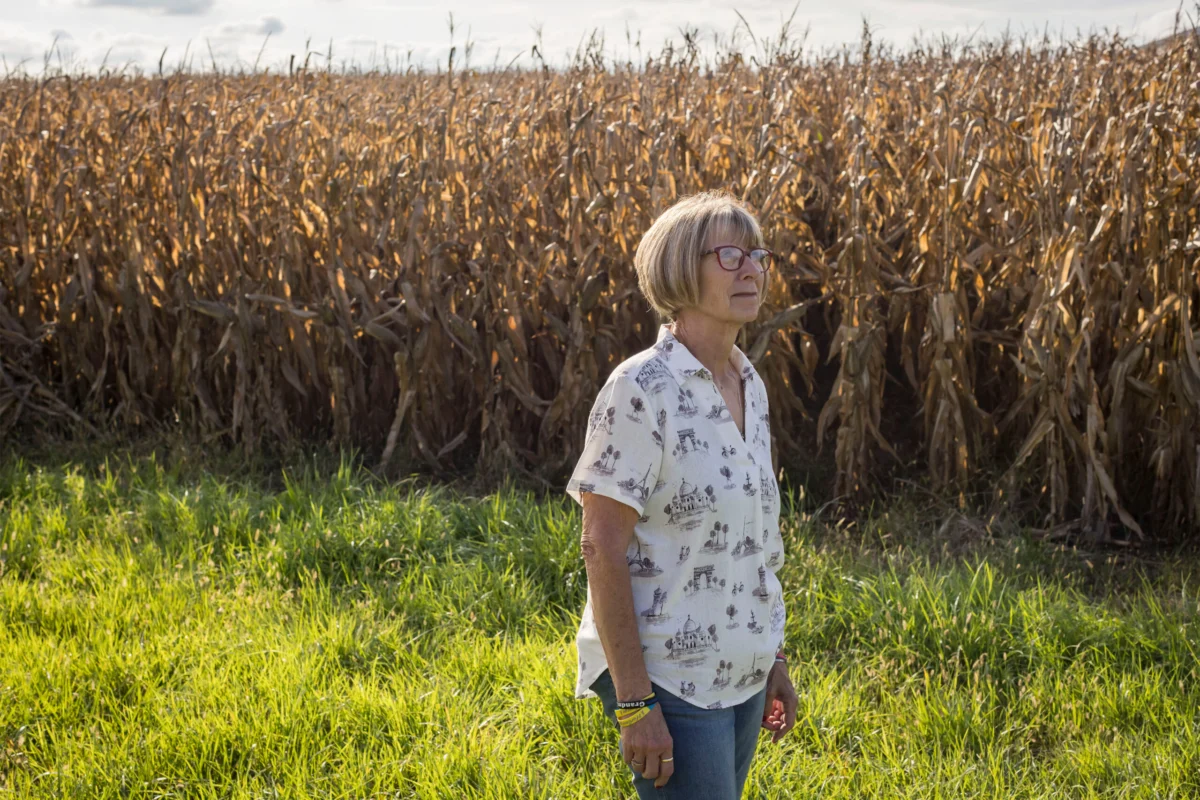
For many rural residents, the appeal of the MAHA movement lies in its populist critique of corporate agriculture, pharmaceutical giants, and industrial food production. Mike Jager, a 58-year-old registered Republican and pastor from Sumner, Iowa, exemplifies this nuanced perspective. Living on the edge of the rural Iowa landscape, Jager has witnessed family members and neighbors grapple with severe illnesses, which he attributes in part to long-term exposure to agricultural chemicals and processed food consumption.
While Jager describes the Trump administration’s direct impact on local healthcare as "minimal," he maintains an optimistic outlook regarding the trajectory set by Health and Human Services Secretary Robert F. Kennedy Jr. Describing the federal apparatus as "a big ship to try and turn around," Jager views Kennedy’s appointment and leadership as an important initial course correction. His local political choices reflect this commitment; in a recent Republican primary for governor, Jager supported Zach Lahn, a business owner and farmer who campaigned on a MAHA platform and defeated a Trump-backed congressional incumbent.
The Evolution and Agenda of the MAHA Movement
The Make America Healthy Again movement has evolved from a decentralized social critique into a formidable political brand, largely propelled by Robert F. Kennedy Jr. Since stepping into his current role within the federal government, Kennedy has utilized the MAHA platform to champion a sweeping array of public health proposals. These initiatives include shifting long-standing federal vaccine guidance, launching extensive research into the health impacts of ultraprocessed foods, and channeling investments into regenerative agriculture models.

The movement’s core messaging taps into deep-seated anxieties regarding chronic illness, rising cancer rates, and the accessibility of nutritious food. In states like Iowa, where cancer rates have historically ranked among the highest in the nation, these issues resonate profoundly with voters. David Peterson, a political science professor at Iowa State University, notes that the populist framing of public health allows the MAHA movement to effectively challenge corporate norms that many rural residents view with suspicion.
However, Peterson also points out that the dual messaging emanating from Washington creates widespread confusion. While Kennedy focuses heavily on diet, corporate accountability, and environmental exposures, other factions of the administration pursue traditional conservative policies that may conflict with the economic realities of rural constituents. This duality leads voters to perceive a distinct split within the administration, complicating their overall assessment of federal leadership.
Divergent Perspectives on Public Health and Policy
While grassroots enthusiasm for MAHA is palpable, public opinion regarding federal healthcare management remains deeply fractured along partisan lines. Democratic and independent respondents in the survey overwhelmingly argued that the administration’s healthcare policies have exacerbated financial burdens and negatively impacted community well-being. Conversely, rural Republicans were more inclined to view the policy impact as neutral, noting a lack of visible change rather than outright harm.
The personal stakes of these policies are vividly illustrated by residents like Donna Klocke, a 71-year-old Democrat who operates a 200-acre farm in Carroll County, Iowa. Having lost her husband to cancer after a lifetime dedicated to farming, Klocke lives in a community where she says cancer is distressingly prevalent. While she acknowledges the validity of the MAHA movement’s focus on healthy living and chemical reduction, she remains strictly opposed to the movement’s political candidates, citing deep concerns over Kennedy’s controversial history regarding vaccine skepticism.
Klocke expressed acute alarm over the resurgence of preventable infectious diseases. "Measles are coming back and polio," she noted, emphasizing the perceived danger of diverging from established scientific consensus on immunization. Her perspective underscores the broader polarization surrounding the administration’s public health directives, where ideological agreement on nutrition and environmental health can be entirely eclipsed by stark disagreements over infectious disease management.
Escalating Pressures on Rural Healthcare Infrastructure
Beyond ideological debates over diet and vaccines, rural communities face severe, mounting pressures regarding basic healthcare access and affordability. According to the KFF-AP survey, approximately half of rural voters report that their communities suffer from a shortage of primary care physicians and healthcare providers. The deficit is perceived as even more acute in the mental health sector, where widespread provider shortages leave rural residents with limited options for psychiatric and psychological care.
Furthermore, the structural stability of rural healthcare facilities is increasingly fragile. The proportion of rural voters reporting a lack of adequate hospital access in their communities climbed to 35%, marking a substantial increase from 21% recorded in a comparable KFF-Washington Post survey conducted in 2017.

Financial anxiety compounds these structural deficiencies. More than six in 10 rural voters expressed significant worry over escalating healthcare costs, gas prices, and grocery expenses. The degree of financial stress varies considerably depending on the type of insurance coverage individuals hold. Working-age rural residents enrolled in Medicaid experience particularly high levels of anxiety; 80% reported being very or somewhat worried about healthcare costs. This vulnerability follows federal legislative actions that introduced stricter eligibility requirements and significantly reduced projected Medicaid spending over the coming decade.
Similarly, individuals purchasing private coverage through Affordable Care Act marketplaces face mounting financial strain. Kim Solis, a 62-year-old resident of Lipan, Texas, who runs a home-remodel business with her husband, detailed the immediate financial impact of shifting policy environments. Following recent legislative and administrative updates, the couple’s monthly insurance premium increased from zero to $166, accompanied by higher copays and a $2,000 increase in individual deductibles. Solis voiced profound concern over the potential for catastrophic medical debt, noting that any significant health event would force them to exhaust personal savings or retirement accounts.
Trust, Demographics, and the Interplay of MAGA and MAHA
When seeking reliable health information, rural voters overwhelmingly place their trust in personal physicians and healthcare providers rather than government agencies, public officials, or political figures. Trust in prominent federal figures like Donald Trump and Robert F. Kennedy Jr. remains heavily stratified along party lines. Roughly 74% of rural Republicans report a fair amount or great deal of trust in Kennedy, compared to just 10% of rural Democrats. Similarly, roughly 69% of rural Republicans express trust in Trump for health information, contrasted with 5% among rural Democrats.
Although Make America Great Again (MAGA) and Make America Healthy Again identities frequently overlap, political analysts emphasize that the realities of cost-of-living pressures can create friction for dedicated MAHA supporters. As Peterson observed, the aspiration to purchase wholesome, locally sourced food can quickly collide with inflationary pressures, leading consumers to feel that broader economic policies undermine their ability to practice the healthy lifestyles the movement advocates.
Nevertheless, for many voters, the cultural and dietary aims of the movement remain compelling. Alma Johnson, a 65-year-old night security worker from Stamping Ground, Kentucky, expressed general satisfaction with the nation’s leadership trajectory while maintaining an independent perspective on politics. While Johnson notes that she has seen minimal direct impact from federal health policies—such as revised dietary guidelines—she strongly supports MAHA principles, particularly regarding restrictions on purchasing junk food through the Supplemental Nutrition Assistance Program (SNAP).
"It takes a long time to change people, their habits, their thoughts, or the things they do," Johnson reflected, capturing the patient, long-term outlook held by many grassroots participants.
Survey Methodology and Context
The KFF-AP Rural Voters Survey was administered online and via telephone between August 12 and August 24, drawing responses from 2,241 registered voters residing in rural geographic regions. Rural classifications were determined using the U.S. Department of Agriculture’s 2020 Rural-Urban Commuting Area codes (levels 5 through 10). To ensure demographic accuracy, the survey utilized a dual methodology combining the probability-based SSRS Opinion Panel and a registration-based sample drawn from the L2 voter file. The overall findings maintain a margin of sampling error of plus or minus 3 percentage points, accounting for design effects and weighting, with wider error margins applicable to specific sub-group analyses.









Leave a Reply