The global trajectory toward a decarbonized transport sector has encountered significant turbulence this week as both Canada and the European Union signaled a strategic retreat from their previously established vehicle emissions reduction timelines. While both jurisdictions maintain their long-term objectives of achieving near-zero emissions in the automotive sector by the middle of the century, the introduction of multi-year pauses and regulatory flexibility suggests that economic and political pressures are effectively overriding environmental urgency.
Chronology of the Policy Shift
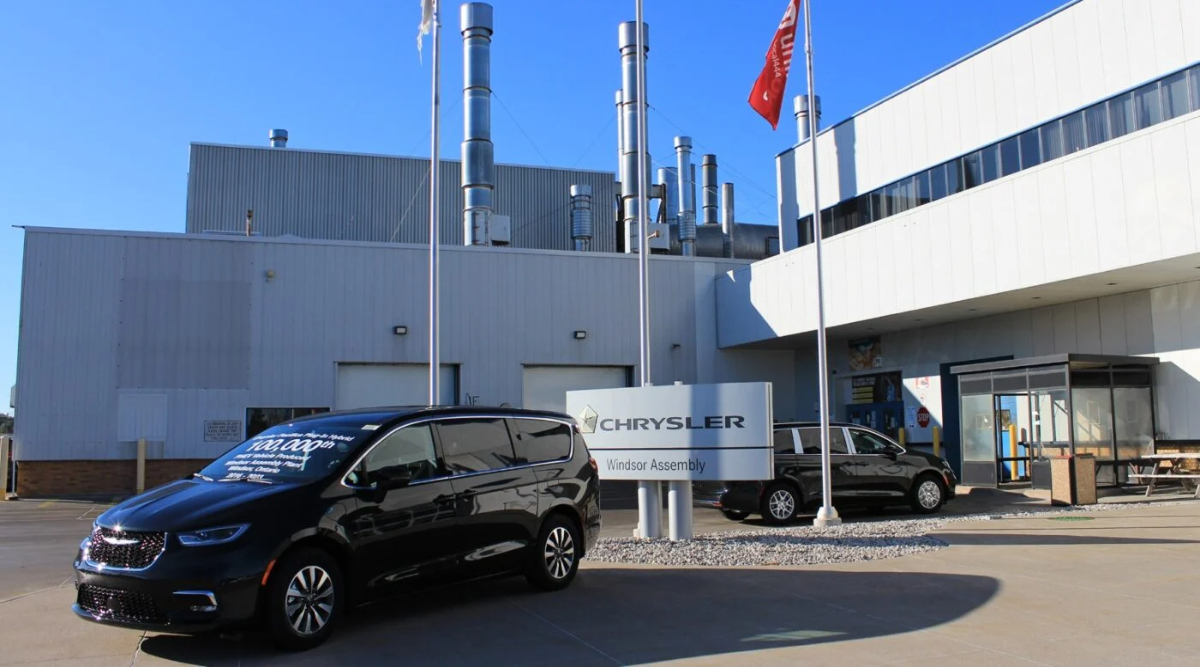
The recent announcements mark a distinct departure from the aggressive regulatory posture adopted by Western governments over the previous three years. In Canada, the federal government, in coordination with the province of Ontario, confirmed a three-year freeze on vehicle emissions mandates. The current standard, set at 172 grams of greenhouse gas emissions per mile (107 grams/km), will remain in effect until the conclusion of 2029. This policy shift effectively halts the incremental "ratcheting down" of emissions requirements that was originally intended to prepare the industry for the transition to a 75 percent electric vehicle (EV) market share by 2035.
In Europe, the shift is more nuanced but equally significant. Following intense lobbying from major automotive manufacturing hubs—most notably France and Germany—the European Union is currently debating an amendment to its "Fit for 55" climate package. While the bloc has historically committed to a total phase-out of internal combustion engines by 2035, new proposals circulating within the European Parliament would lower the effective reduction target to 87.5 percent. This adjustment is contingent upon manufacturers integrating a minimum of 7.5 percent green steel into their production processes, a move that effectively lowers the mandatory EV sales threshold to 95 percent by 2035.
Economic and Political Context
The decision to defer emissions targets is primarily driven by a convergence of macroeconomic volatility and shifting political winds. In Canada, the federal government is contending with a domestic industrial sector facing significant trade-related pressures. As part of a broader $2.5 billion investment package, the government has argued that "regulatory flexibility" is essential to prevent a mass exodus of manufacturing jobs to more competitive, albeit less regulated, jurisdictions.
The Canadian administration has also faced the reality of a globalized automotive market. The government recently opened a limited pathway for the importation of up to 49,000 Chinese-manufactured electric vehicles, subject to a 6.1 percent tariff. This move reflects a delicate balancing act: attempting to accelerate EV adoption to meet long-term goals while simultaneously protecting domestic assembly plants that remain heavily reliant on traditional internal combustion engine (ICE) production.
In the European context, the political infrastructure is significantly more complex. The European Parliament requires a "qualified majority" in the EU Council to pass major environmental legislation, meaning that 15 countries representing at least 65 percent of the EU population must reach a consensus. The current pivot is a response to the lobbying efforts of major automotive unions and industry groups that argue the current pace of the transition is threatening the economic stability of the European manufacturing heartland.
Supporting Data and Industry Impact
The environmental implications of these delays are substantial. Critics of the Canadian freeze, including the advocacy group Clean Energy Canada, have noted that the delay until 2030 places an unsustainable burden on the final years of the transition. The group estimates that the delay could result in the loss of up to $21 billion in potential charging infrastructure investments and deny Canadian households the cumulative benefits of long-term fuel cost savings.
From an industry perspective, the sentiment is divided. The Canadian Vehicle Manufacturers Association (CVMA) has praised the decision, labeling it a necessary "breathing room" to ensure that Canadian auto jobs and capital investments remain viable during a period of global trade instability. Brian Kingston, CEO of the CVMA, emphasized that the new timeline provides the predictability required for manufacturers to retool their facilities without facing the immediate threat of non-compliance penalties.
Conversely, environmental organizations, such as the Pembina Institute, argue that the freeze creates a "policy vacuum" that will likely render the 2035 target of 75 percent electric vehicle sales mathematically impossible to reach. By allowing manufacturers to bank greenhouse gas credits under the current, higher-emission standards, the policy effectively incentivizes the continued production of high-emission vehicles for the remainder of the decade.
Official Responses and Legislative Path
The legislative process in Europe remains in a state of flux. The Environment Committee is slated to vote on the revised emission targets in early November, with a plenary session expected to follow in December. Proponents of the amendment argue that the 95 percent target is a pragmatic compromise that prevents the total alienation of the automotive sector, which contributes a significant percentage to the EU’s total GDP.
In Canada, the political narrative has shifted toward national security and economic autonomy. Ontario Premier Doug Ford, in a joint statement with Prime Minister Mark Carney, acknowledged that the geopolitical landscape—specifically the current state of US-Canada trade relations—has permanently altered the trajectory of the North American auto industry. "We are not going back to the way things were," Ford noted, suggesting that the freeze is as much a matter of industrial defense as it is an environmental policy adjustment.

Broader Implications and Future Analysis
The decision to prioritize short-term economic stability over aggressive environmental targets reflects a growing trend among G7 nations. The transition to electric mobility is no longer viewed solely through the lens of climate mitigation; it is now inextricably linked to trade protectionism, energy security, and the management of domestic political discontent.
The fundamental tension lies in the disparity between the scientific timeline of climate change and the political timeline of electoral cycles and economic recovery. While the scientific community warns that the "Sixth Extinction" event is accelerating, policymakers are constrained by the immediate realities of inflation, labor unrest, and the rise of populist movements that capitalize on the public’s frustration with the high costs associated with the green energy transition.
The long-term success of these revised policies will depend on whether the promised "flexibility" actually results in a more stable and efficient transition or merely serves as a catalyst for further delays. By 2030, the global automotive market will look significantly different. If the current trajectory holds, the world may find that the vehicles on the road in the 2030s are cleaner than those of today, but perhaps not by the margins originally envisioned by the architects of the Paris Agreement.
The paradox remains: as the Earth’s climate continues to warm, the political will to enact painful, immediate changes to industrial policy appears to be inversely proportional to the urgency of the crisis. The decision by Canada and the European Union to "pay on Tuesday for a cheeseburger today"—by deferring the costs of decarbonization to a later date—is a gamble that the transition can be completed at a later time without sacrificing the integrity of the original 2035 and 2050 targets. Whether this gamble pays off remains the central question for the global climate strategy for the remainder of this decade.