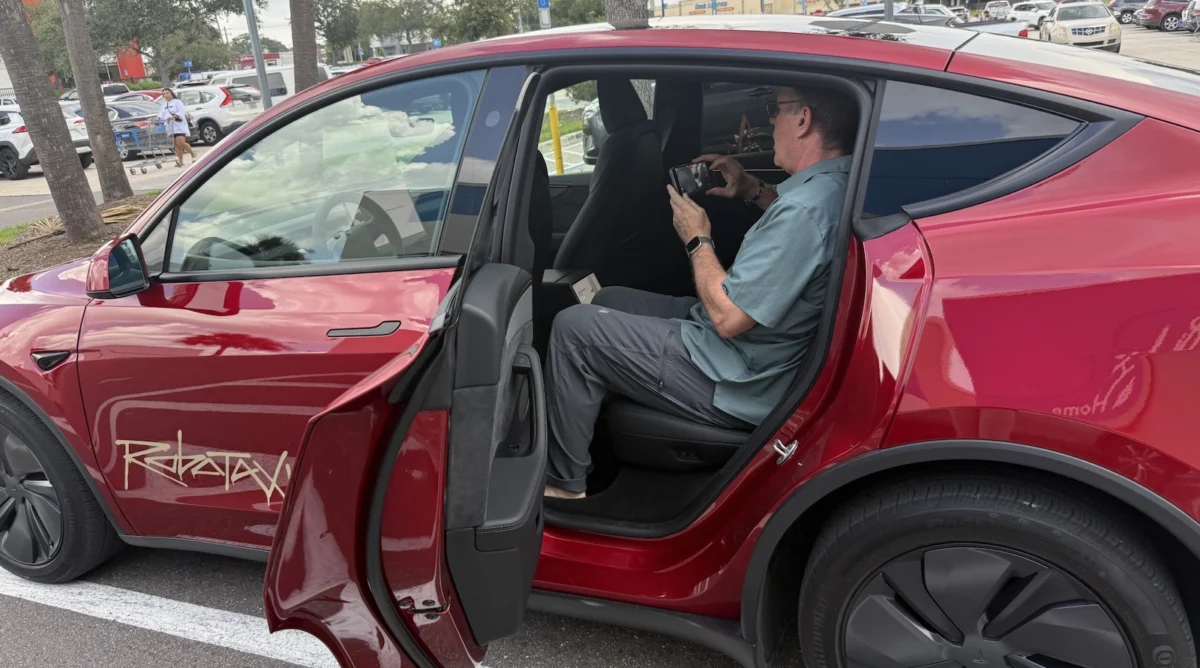
The landscape of autonomous transportation is undergoing a structural shift as Tesla’s unsupervised robotaxi operations begin to eclipse established competitors in key urban markets. According to recent performance data, Tesla has officially surpassed Waymo in Austin, Texas, regarding weekly driverless miles logged. This milestone marks a significant departure from the historical dominance of sensor-heavy platforms, signaling a potential turning point in the industry-wide debate over the necessity of LiDAR technology in achieving safe, scalable autonomy.
Chronology of the Autonomous Surge
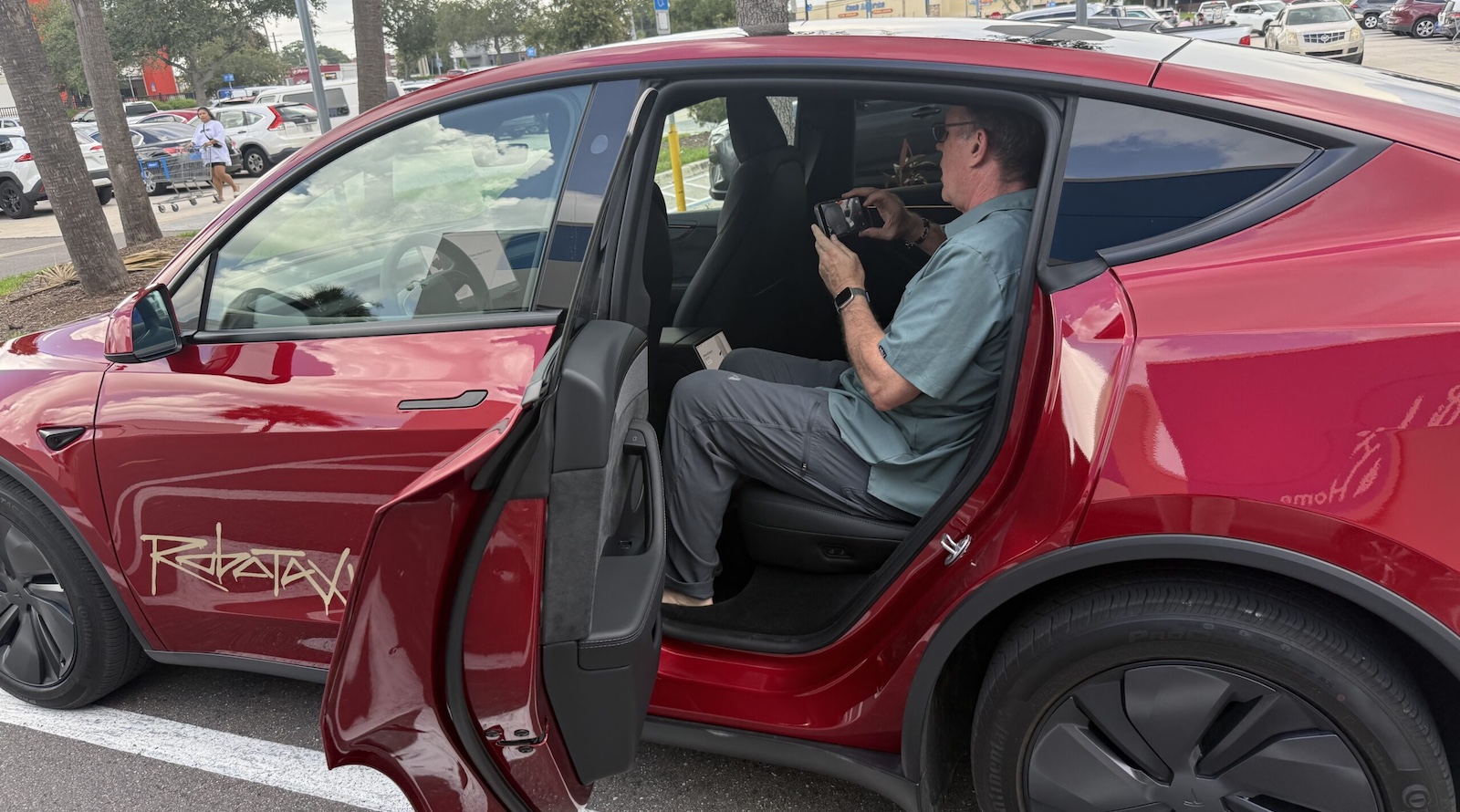
The rapid scaling of Tesla’s unsupervised fleet is a recent development. In its third-quarter earnings report for 2026, Tesla disclosed that its unsupervised robotaxi miles had surged from 250,000 in the previous quarter to 1.7 million. By the day of the earnings call, the company updated that figure to 3.3 million, suggesting a rapid, compounding growth rate of approximately 20% on a weekly basis.
This growth trajectory stands in stark contrast to the performance of Waymo, the long-standing leader in the space. While Waymo remains a formidable presence with a massive cumulative lead—having logged 271.3 million rider-only miles through June 2026—its growth rate has decelerated significantly. In the second quarter of 2026, Waymo added approximately 50.7 million miles, a marginal increase from the 49.9 million added in the first quarter. This represents a sequential growth rate of roughly 1.6%, a cooling period compared to the double-digit quarterly growth observed throughout 2025.
Data Analysis: The Crossover Point
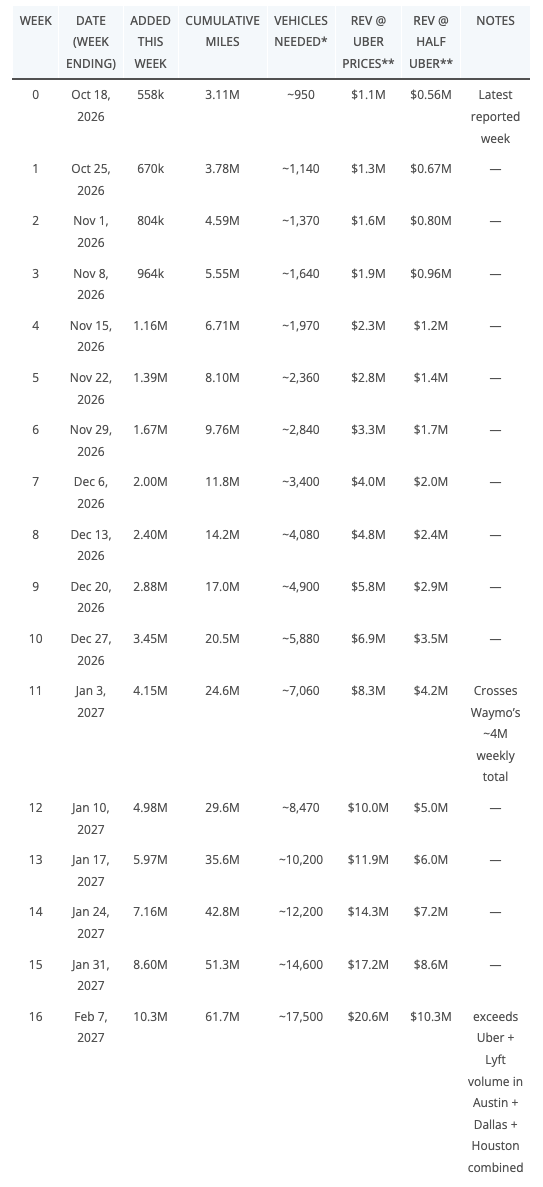
Current projections indicate that if Tesla maintains its 20% weekly compound growth rate, it is on track to surpass Waymo’s national weekly volume of approximately 4 million miles within 11 weeks. By the 16th week, Tesla’s operational output could reach 10 million miles per week. To contextualize this scale, such a volume would represent roughly half of the combined ride-hail activity of Uber and Lyft across the primary Texas metropolitan hubs of Austin, Dallas, and Houston.
The math driving this projection assumes a fleet of approximately 950 registered Tesla robotaxis, including both the purpose-built Cybercab and the autonomous-capable Model Y, operating within Texas and Florida. The validity of this projection depends on consistent vehicle utilization, the rapid expansion of geofenced operational zones, and the successful navigation of local regulatory frameworks.
The Technological Debate: LiDAR vs. Vision
Tesla’s ability to scale at this rate without the use of LiDAR—a laser-based sensing technology used by virtually all other major autonomous vehicle developers—is central to the current industry discourse. The company’s "vision-only" approach relies on high-resolution cameras and advanced neural networks to interpret the driving environment.
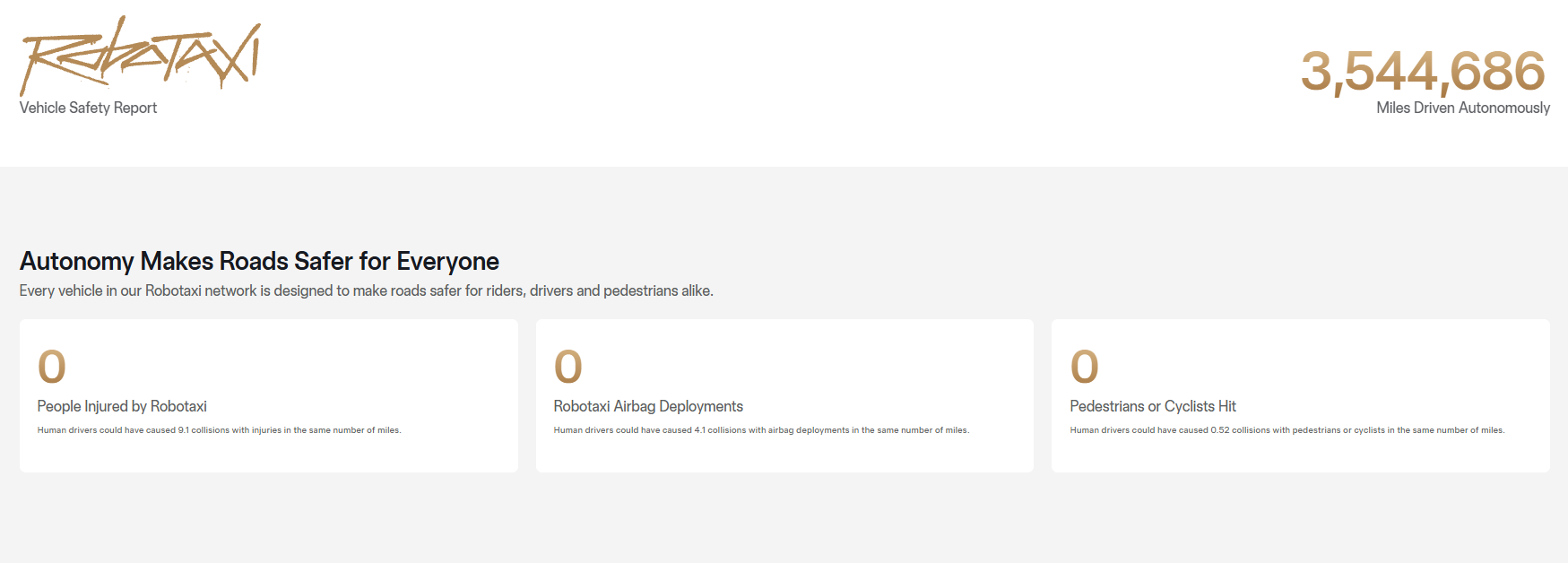
If Tesla’s current rate of incident-free miles continues as the fleet grows, it may fundamentally challenge the industry consensus that LiDAR is a prerequisite for safe autonomous operation. Supporters of the vision-only approach argue that superior software capability, bolstered by the vast, diverse dataset gathered from millions of consumer-owned vehicles, creates a more adaptable and cost-effective system. Conversely, critics maintain that LiDAR provides a critical redundancy layer that ensures safety in edge cases, such as extreme weather or poor lighting, which remains a primary hurdle for camera-based systems.
Economic and Market Implications
The expansion of Tesla’s robotaxi fleet is not merely a technical challenge; it is a competitive threat to the existing ride-hailing duopoly. The pricing strategy for Tesla’s robotaxi service, projected to be significantly lower than that of Uber or Lyft, is designed to trigger a shift in consumer behavior.
In the Austin, Dallas, and Houston markets, the current total daily vehicle-miles traveled (VMT) reaches hundreds of millions. Even a modest 1% to 2% shift from private vehicle ownership to autonomous ride-hail services would represent millions of additional weekly miles. As the cost per mile for robotaxis drops below the fully loaded cost of personal car ownership—which includes depreciation, insurance, maintenance, and fuel—the addressable market expands beyond traditional ride-hailing to include the substitution of personal, daily commuting.
Operational Constraints and Challenges
While the arithmetic of the growth model is clear, the operational reality faces several significant barriers. First, the 20% weekly growth rate is observed while the fleet size is relatively small. As the number of active vehicles scales, maintaining that percentage growth requires a compounding increase in the absolute number of vehicles deployed each week. This places immense pressure on infrastructure, including the availability of charging networks, vehicle maintenance facilities, and remote fleet management personnel.
Second, the expansion of operational geofences is subject to rigorous regulatory oversight. Mapping, local permitting, and public acceptance are required for every expansion. For instance, while Tesla’s footprint in Dallas and Houston is growing, those zones remain smaller than the more mature Austin operation. Any delay in regulatory approval or a single high-profile safety incident could lead to operational pauses that would flatten the current growth curve.

Third, the economic model rests on the assumption that Tesla can maintain profitability at a price point significantly lower than current ride-hail services. Should expenses related to insurance, software-related maintenance, or fleet hygiene exceed projections, the price-advantage strategy may lose its effectiveness, thereby dampening the rate of adoption.
The Path to 2027
The industry is closely monitoring whether Tesla’s growth rate can be sustained long enough to transform the robotaxi service from a localized pilot program into a material revenue driver by 2027. The company’s stated goal is to prove the unit economics of the Cybercab and the underlying Full Self-Driving (FSD) software in a real-world, unsupervised environment.
For Waymo and other competitors, the pressure is mounting to demonstrate that their higher-cost, sensor-heavy hardware can provide a safety or operational benefit that justifies the capital expenditure. As the market moves from the research and development phase into mass deployment, the differentiator will likely be the ability to balance rapid scaling with consistent, high-standard safety metrics.
The coming months will be critical in determining whether the current exponential growth in Tesla’s unsupervised miles is the beginning of a sustained S-curve or an early-stage spike that will eventually settle into a more moderate pace of expansion. With the Texas market serving as the primary proving ground, the outcome will likely shape the trajectory of the autonomous vehicle industry for years to come.
Regulatory and Public Sentiment
Beyond the technical and economic metrics, public acceptance remains a volatile variable. In cities where autonomous vehicles have become a common sight, local governments are increasingly focused on the long-term impact on traffic congestion, urban planning, and the labor market.
While the official stance of many municipalities remains cautiously supportive, citing the potential for reduced traffic accidents and improved mobility, there is a growing demand for transparency regarding safety data. Tesla’s ability to provide granular, verifiable data on the performance of its unsupervised fleet compared to human-driven vehicles will be essential in maintaining the "social license" to operate in dense urban environments.
As the fleet continues to expand, stakeholders expect that the increased data density will allow for a more nuanced comparison between autonomous platforms and the human driving standard. The integration of these vehicles into the broader transportation network will ultimately be decided by a combination of empirical safety performance, economic viability for the end-user, and the ability of the developers to integrate seamlessly into the existing urban fabric.