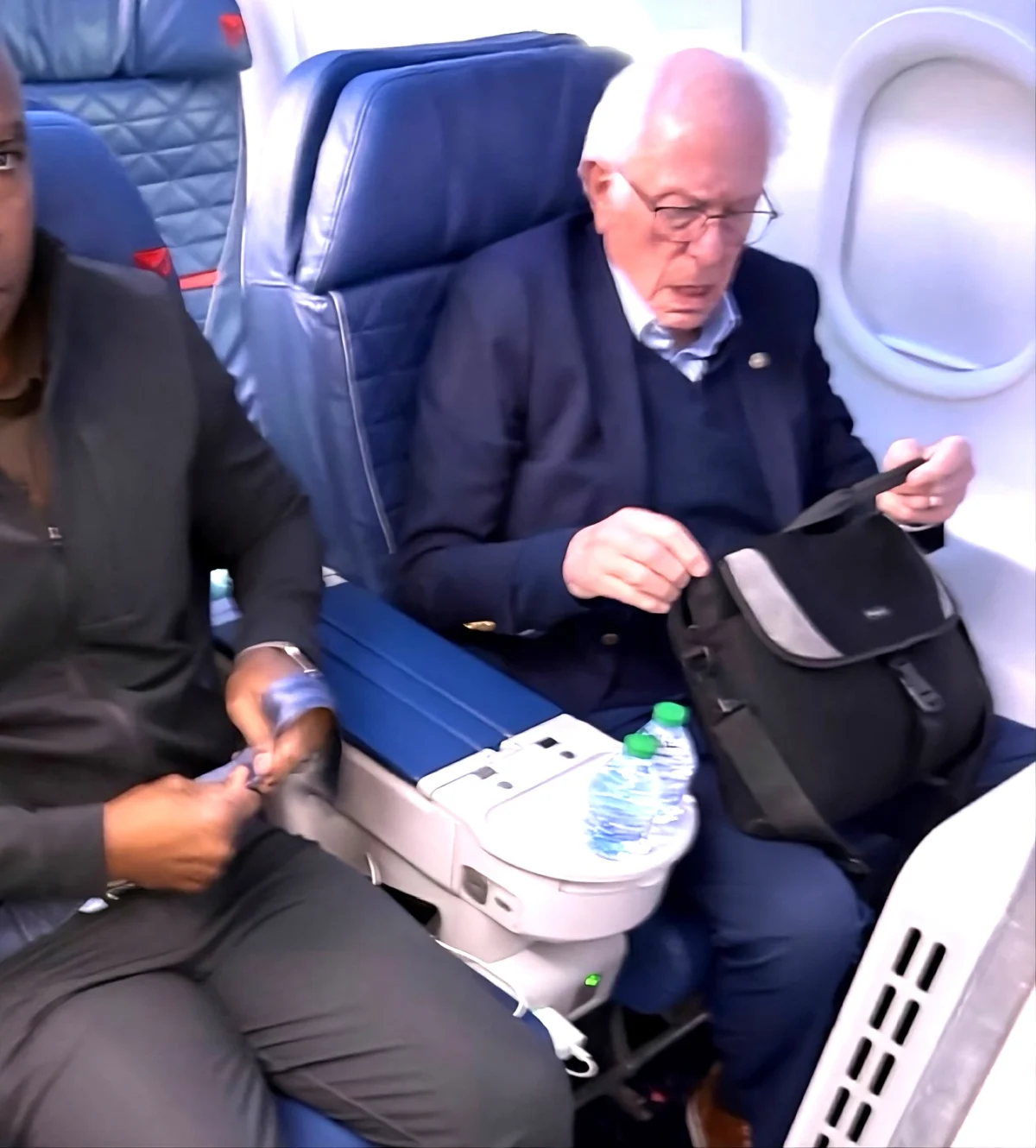
Senator Bernie Sanders recently ignited a firestorm of debate on social media with a provocative claim: that any American who paid even a single dollar in federal income tax last year contributed more to the national treasury than major carriers including American Airlines, United Airlines, and Southwest Airlines. However, a review of 2025 financial disclosures and federal tax reporting standards suggests that the senator’s characterization is not only misleading but fundamentally misunderstands the mechanics of corporate tax accounting and the specific fiscal landscape in which the aviation industry operates.
The Discrepancy Between Rhetoric and Reality
The senator’s assertion, posted to X (formerly Twitter) on October 24, 2026, centers on the premise that large corporations are effectively operating tax-free. Yet, data from United Airlines’ 2025 annual report explicitly contradicts this. The carrier reported $33 million in actual federal tax payments for the 2025 fiscal year.
Financial analysts point out that Sanders is conflating "tax expense" as reported on accrual-based financial statements with actual "cash tax payments" made to the IRS. In the complex world of corporate accounting, these figures rarely align perfectly in a single calendar year due to deferred taxes, the carryforward of net operating losses, and the timing of tax credits. For instance, while United recorded a specific federal income tax expense of $4 million on its financial statements, its actual cash outflow for federal taxes was $33 million. This discrepancy is common for capital-intensive industries where temporary differences between book income and taxable income are standard practice.

A History of Thin Margins and Massive Losses
To understand why airlines often show low or zero federal income tax liability, one must examine the volatility of the aviation business model. As Warren Buffett famously observed, the airline industry has historically been a graveyard for capital. For decades, the sector has been defined by high fixed costs, extreme sensitivity to fuel prices, and thin profit margins.
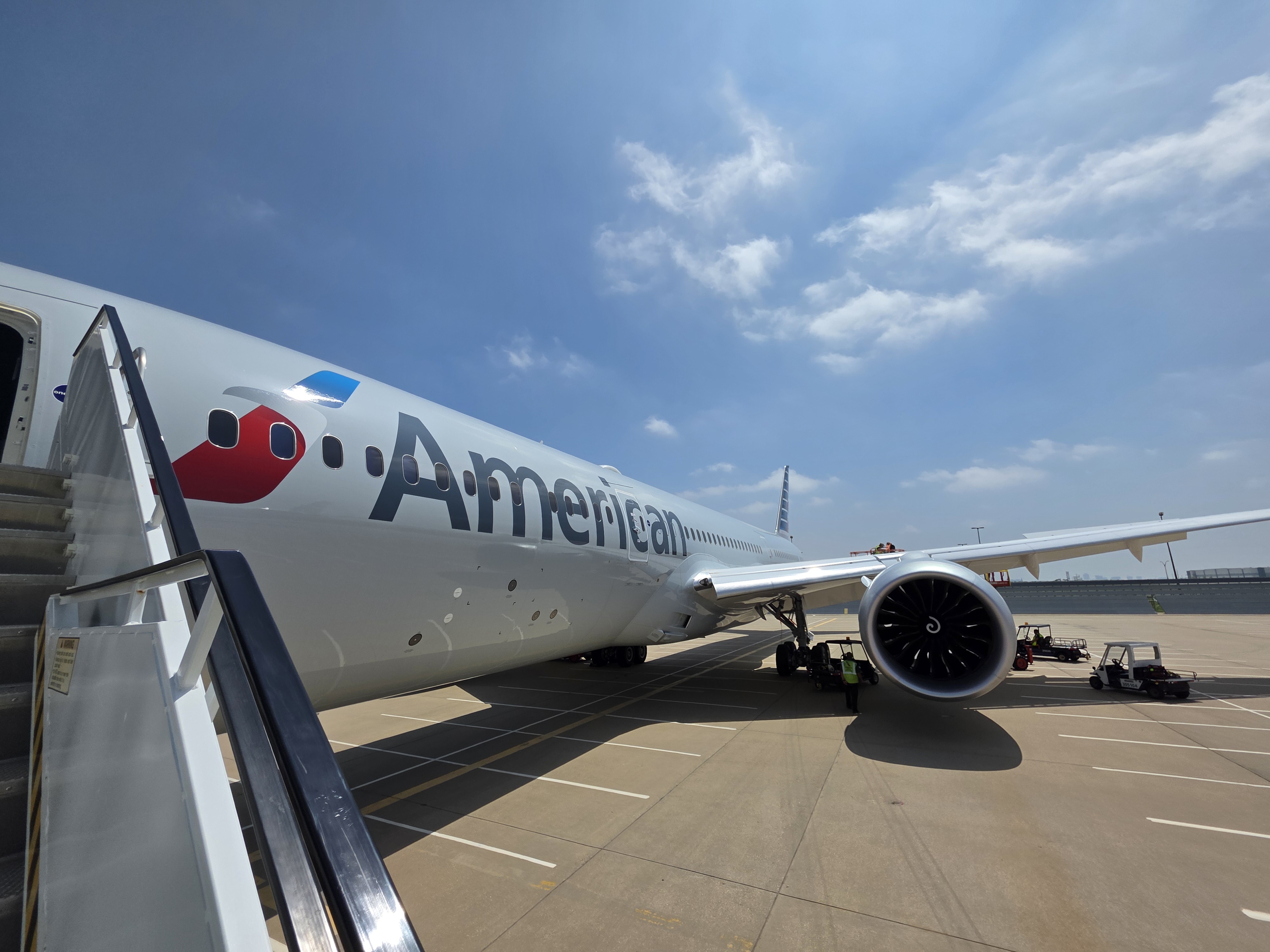
American Airlines, a frequent target of corporate tax criticism, provides a stark example. In 2025, the company generated $54.6 billion in total revenue, yet netted a profit of just $111 million. This represents a net profit margin of approximately 0.2%. When a company operates on such razor-thin margins, the impact of tax law—specifically the ability to carry forward losses from previous years—is profound.
Under the U.S. tax code, businesses are permitted to use losses from "lean years" to offset profits in "bountiful years." This provision recognizes that businesses operate on multi-year cycles rather than reset-buttons every January 1. For airlines that sustained billions of dollars in losses during industry downturns, these carryforwards are not "loopholes" but essential mechanisms that prevent the premature collapse of companies during periods of recovery. Furthermore, post-2017 tax reforms generally limit these carryforwards to 80% of taxable income, ensuring that even profitable firms eventually pay into the system.
The Role of Accelerated Depreciation
A primary driver of the tax treatment of airlines is the treatment of capital expenditure, particularly aircraft. In 2025, federal law restored 100% bonus depreciation for eligible property acquired after January 19. This allows airlines to deduct the full cost of a new aircraft from their taxable income in the year of acquisition, even if the purchase is financed through long-term debt.

While this lowers the immediate federal income tax bill, it is a policy choice made by Congress—the very body on which Senator Sanders serves as a ranking member of the Senate Committee on Finance. By incentivizing the modernization of fleets through accelerated depreciation, the federal government encourages airlines to invest in more fuel-efficient, safer, and quieter aircraft. Critics argue that if the tax law is "unfair," the remedy lies in legislative reform of the tax code itself rather than public accusations against the entities utilizing the provisions as written.
Beyond Income Tax: The Hidden Contributions
The narrative that airlines pay "nothing" ignores the billions of dollars these companies contribute through other tax channels. When analyzing the total fiscal footprint of a corporation, focusing solely on federal income tax provides a narrow and incomplete picture.
The three airlines mentioned by Sanders—American, United, and Southwest—collectively paid an estimated $2.45 billion in employer-side payroll taxes (FICA) in 2025. Furthermore, the federal government collects billions annually through the Airport and Airway Trust Fund, which is financed by a 7.5% excise tax on domestic tickets and various segment fees. In 2025 alone, these excise taxes contributed approximately $15.9 billion to federal coffers. When fuel excise taxes—which, for the three major carriers, amount to hundreds of millions of dollars annually—are added to the total, it becomes clear that the aviation industry is a massive contributor to the federal budget, even in years where net income tax liability is suppressed by accounting factors.
Broader Implications and Political Context
The debate also raises questions about the consistency of political rhetoric. Interestingly, United Airlines CEO Scott Kirby has emerged as a prominent advocate for a federal wealth tax and significantly higher inheritance taxes. The irony of targeting a company whose leadership is actively campaigning for the very tax policies the senator espouses has not been lost on industry observers.
Moreover, the list provided by Senator Sanders included 19 companies, many of which are subsidiaries of larger conglomerates. For example, the inclusion of Ticketmaster (a division of Live Nation) and various fast-food chains owned by Yum Brands obscures the fact that their parent companies operate with distinct tax strategies. A review of the 2025 filings for these companies shows that many paid significant federal taxes. CVS Health, for instance, paid $1.58 billion in federal income taxes, while PayPal paid $535 million.
The broader implication of this rhetoric is the suggestion that corporations that do not pay high levels of federal income tax are somehow parasitic. This premise ignores the massive economic activity these companies generate. Collectively, the companies on Sanders’ list employ roughly 1.5 million people. These employees pay their own individual income taxes, and the existence of these jobs is predicated on the operational viability of the companies themselves.
Conclusion: The Need for Legislative Nuance
As a member of the Senate Subcommittee on Taxation, Senator Sanders holds the authority to propose specific changes to the tax code. If the goal is to eliminate 100% bonus depreciation, repeal loss carryforwards, or redefine how corporate income is taxed across global jurisdictions, the legislative path is open.
However, by framing complex accounting realities as simple tax avoidance, the discourse risks alienating the public from the actual mechanics of the economy. The airline industry’s tax profile is a reflection of decades of specific congressional policy designed to stabilize a volatile, capital-intensive sector. Until the tax code is rewritten to reflect different priorities, the current outcomes are not the result of "cheating," but of the system operating exactly as it was designed by the legislature. As the political cycle continues, the gap between populist narrative and fiscal reality will likely remain a central, if contentious, theme in the American economic debate.