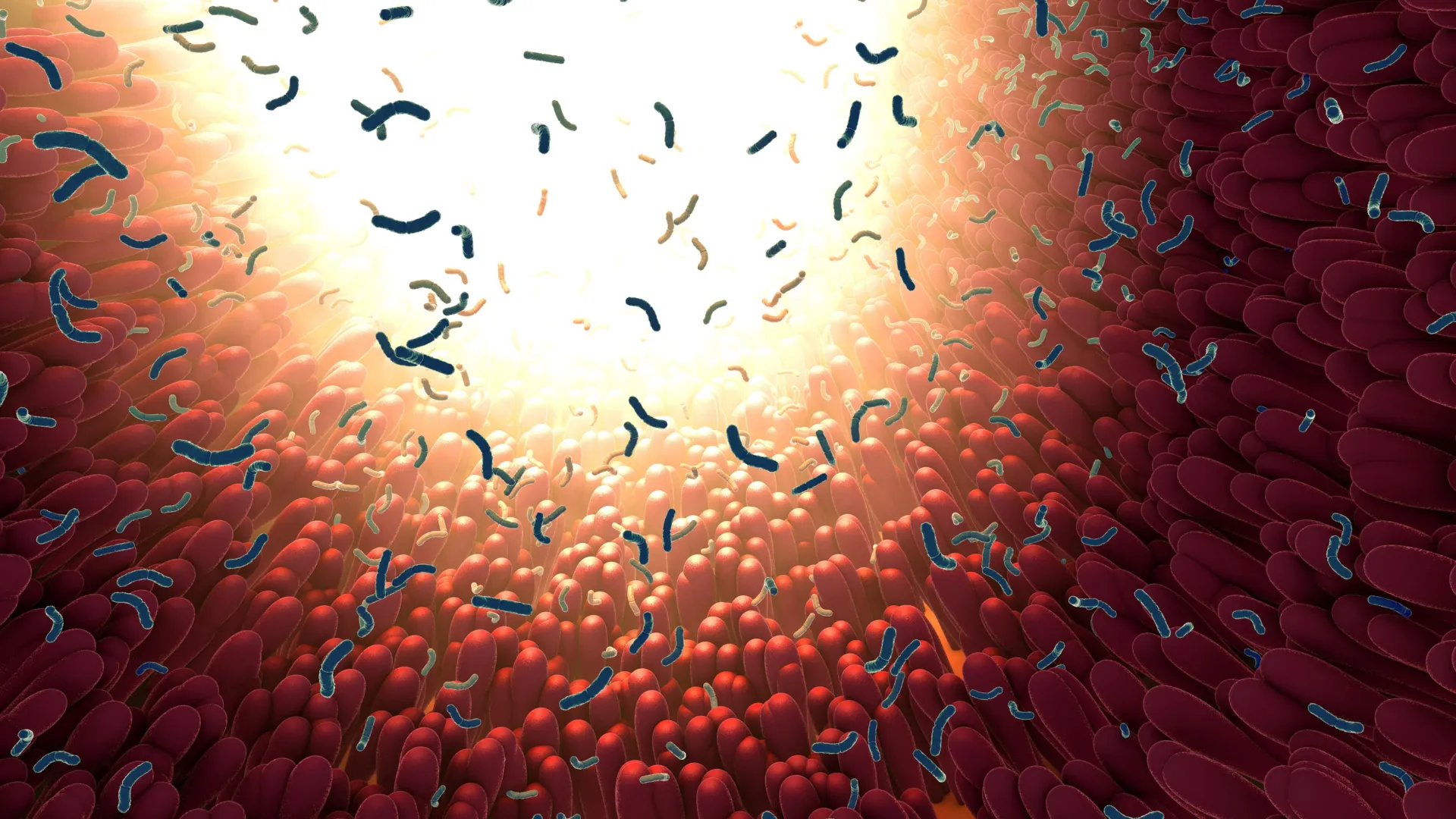
The intricate ecosystem of trillions of microorganisms residing within the human digestive tract, collectively known as the gut microbiome, has long been a subject of intense scientific scrutiny. Recent breakthroughs from the University of Hawaiʻi at Mānoa have now illuminated a profound connection between these microbial communities and the rate at which the human body undergoes the physiological processes of aging. Published in the journal Scientific Reports, this research provides evidence that the composition of an individual’s gut bacteria may account for approximately 15% of the variation in biological aging rates, independent of the number of years a person has lived.
The Biological Clock vs. Chronological Time
For decades, medical professionals have relied on chronological age—the simple count of years since birth—as the primary metric for assessing health risks. However, contemporary gerontology has shifted its focus toward biological age, a measure that captures the cumulative wear and tear on the body’s cellular and molecular systems. This study utilized the DunedinPACE (Pace of Aging Calculated from the Epigenome) biomarker, a sophisticated tool designed to measure the rate at which a person’s physiological systems are deteriorating.
By analyzing blood and stool samples from 123 adults, the researchers sought to move beyond mere observation. They compared the specific bacterial populations present in the gut with these molecular markers. The findings were stark: certain microbial signatures were consistently present in individuals exhibiting slower biological aging, while others were highly correlated with accelerated aging processes.
Key Microbial Players in the Aging Process
The study identified specific bacterial species that appear to function as biomarkers for longevity. Among the most significant findings was the protective role of Bifidobacterium adolescentis. This species, often associated with healthy gut flora, showed a strong correlation with slower biological aging, suggesting it may play a role in maintaining cellular integrity or reducing systemic inflammation.
Conversely, the presence of Succinivibrio dextrinosolvens was linked to a faster pace of aging. While these findings do not yet prove that these specific bacteria are the direct cause of aging—a distinction researchers are careful to emphasize—the association is statistically significant enough to warrant further investigation into whether these microbes actively influence systemic health.
Methodology and Diverse Representation
The study’s design was structured to capture a diverse cross-section of participants. By including Native Hawaiian and Pacific Islander cohorts, the researchers addressed a significant historical gap in genomic and microbiome research. Historically, studies regarding gut health and aging have been heavily skewed toward populations of European descent, which has limited the generalizability of earlier findings.
The integration of these diverse populations allows for a broader understanding of how social determinants of health, environmental exposures, and cultural dietary patterns intersect with biological markers. As co-author Ruben Juarez noted, the microbiome acts as a bridge between a person’s lived experiences and their biological reality. The inclusion of these groups provides a more granular look at how environmental and social factors may imprint themselves on the body’s internal microbial landscape over a lifespan.
The Dynamics of a Changing Microbiome
A defining characteristic of the gut microbiome, which differentiates it from the static nature of human DNA, is its fluidity. The gut environment is highly responsive to external inputs, including nutrition, pharmaceutical use, physical activity, and stress. This plasticity makes the microbiome an attractive target for precision medicine.
Unlike genetic predispositions, which are largely fixed, the composition of the gut microbiome can be modulated. If future longitudinal studies can confirm that specific microbial interventions—such as targeted probiotics, prebiotics, or fecal microbiota transplants—can successfully slow the pace of biological aging, it would represent a paradigm shift in geriatric medicine. The potential to move from reactive treatment of age-related diseases to proactive, microbiome-based health optimization is a prospect that has energized the field of precision health.
Implications for Future Wellness Strategies
The senior author of the study, Alika K. Maunakea of the John A. Burns School of Medicine, emphasized that this research is an essential foundational step. The data suggests that the microbiome could serve as a "biomarker of resilience," reflecting how well an individual’s body is coping with the stressors of modern life.
However, the scientific community remains cautious regarding the leap from association to causation. The current study provides a snapshot; it does not track individuals over decades to observe how shifts in their microbiome directly correlate with a change in their DunedinPACE scores. The next phase of research will likely involve randomized controlled trials to determine if intentionally altering the gut flora can actually "reset" or slow the biological clock.
The Intersection of Lifestyle and Biology
Lead author Braden P. Kunihiro highlighted the broader impact of this research on precision health. By identifying that 15% of the variation in aging is linked to the microbiome, researchers have uncovered a massive, modifiable variable. If lifestyle choices—such as high-fiber diets that promote Bifidobacterium growth or the reduction of environmental toxins that might encourage the proliferation of aging-associated bacteria—can influence the microbiome, then they essentially influence the pace of biological aging.
This understanding shifts the conversation around aging from an inevitable decline to a process that may be managed through the deliberate cultivation of a "longevity-associated" microbiome. It suggests that health strategies of the future will be deeply personalized, relying on regular microbiome monitoring to adjust dietary and lifestyle interventions in real-time.
Broader Context and Scientific Consensus
The gut-brain axis and the gut-immune axis have been focal points of medical research for over a decade. Previous studies have linked gut bacteria to conditions ranging from obesity and Type 2 diabetes to depression and autoimmune disorders. Linking these same bacterial communities to the core mechanism of biological aging—the rate of physiological decay—ties these disparate fields together into a cohesive theory of health.
Critics and peer reviewers in the broader medical community have noted that while the sample size of 123 participants is sufficient for an initial discovery phase, it is relatively small in the context of human biological diversity. Future studies will need to replicate these findings across larger, global cohorts to ensure that the identified microbial signatures remain consistent across different geographic and dietary environments.
The Path Forward: Research Trajectories
The research team at the University of Hawaiʻi has laid out a clear roadmap for the coming years. Their upcoming work will focus on three key areas:
- Mechanistic Studies: Investigating exactly how Bifidobacterium adolescentis and other identified microbes interact with the human immune system to potentially slow aging.
- Longitudinal Analysis: Tracking participants over a five-to-ten-year period to see if changes in the microbiome precede changes in biological age or vice-versa.
- Intervention Trials: Testing whether specific dietary interventions known to influence gut health result in measurable improvements in DunedinPACE scores.
As the global population ages, the burden on healthcare systems to manage chronic, age-related conditions continues to mount. If the microbiome can indeed be leveraged to extend the "healthspan"—the period of life spent in good health, free from chronic disease—the implications for public health policy, insurance models, and personal wellness would be monumental.
Conclusion
The discovery that the gut microbiome holds a 15% correlation with the rate of biological aging provides a compelling new target for medical intervention. By bridging the gap between molecular biology and environmental influence, the team at the University of Hawaiʻi at Mānoa has opened a door to a new era of precision health. While the science is still in its infancy, the realization that our internal microbial companions may be active participants in the aging process offers a hopeful glimpse into a future where healthy aging is not just a matter of genetics or luck, but a manageable component of our daily lives. As researchers continue to untangle the complex relationship between our bacteria and our biology, the dream of "bio-hacking" longevity through the gut may move from the realm of theory to clinical reality.