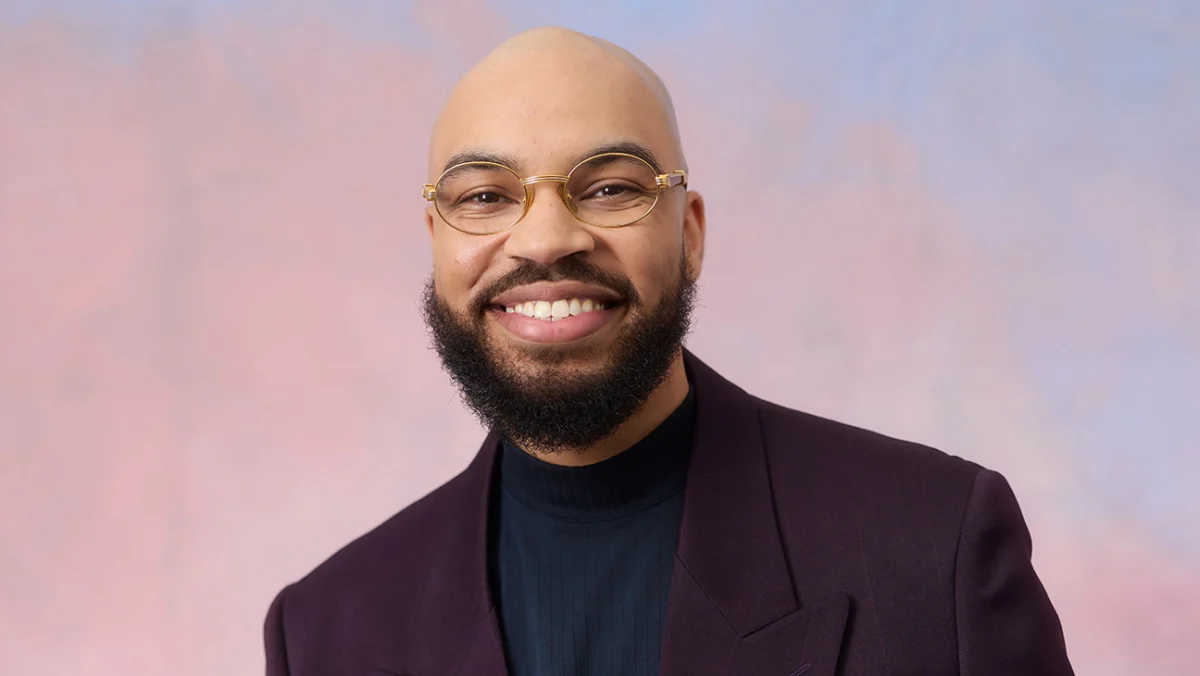
The classic cinematic universe created by hip-hop icon Ice Cube is officially returning to the big screen. New Line Cinema has tapped acclaimed music video director and feature filmmaker Lawrence Lamont to helm Last Friday, marking the first installment in the beloved buddy comedy franchise in a quarter of a century. The production represents a major milestone for the studio, which has spent years navigating development hurdles to bring the fourth film in the series to audiences. With Ice Cube returning to write, produce, and star in the feature alongside a seasoned behind-the-scenes team, the project is moving forward with significant momentum.
The announcement comes on the heels of Lamont’s successful feature directorial debut, One of Them Days, which established his commercial viability and comedic sensibilities within the industry. As New Line prepares to lens the production in Southern California, industry analysts are closely watching how the studio plans to modernize a franchise that helped define 1990s and early 2000s urban American comedy.
The Creative Team and Production Strategy
Lawrence Lamont is stepping into the director’s chair with a proven track record of blending stylistic visuals with character-driven narratives. Lamont first entered the industry consciousness through his extensive work in the music video space, where he forged a long-standing collaborative relationship with rapper Big Sean. His directorial portfolio in music television includes notable visual projects such as I Don’t F*** With You, Twenty88, and On Up. His work eventually expanded to include prominent collaborations with industry heavyweights such as J. Cole, Jhené Aiko, Snoop Dogg, and Nas.
Lamont’s transition to feature filmmaking proved seamless with the release of One of Them Days, a TriStar Pictures production budgeted at $14 million. The buddy comedy, which shares thematic and tonal DNA with the original Friday franchise, centered on two female friends navigating the vibrant yet challenging landscape of Los Angeles. Starring Keke Palmer and SZA, the film outperformed box office expectations by grossing more than $51 million worldwide. Its subsequent streaming run on Netflix—where it dominated the platform’s top spot for four consecutive weeks—cemented Lamont’s status as a bankable new voice in comedy. His contributions have already earned him industry recognition, including the AAFCA Breakthrough Director Award and an NAACP Image Award nomination for outstanding directing in a motion picture.
Behind the camera, Last Friday boasts deep institutional knowledge of the franchise. Ice Cube, who co-created the original 1995 cultural touchstone, is spearheading the project’s narrative direction as the sole screenwriter, alongside producing duties through his CubeVision banner. He will also reprise his iconic role as Craig Jones. Joining him as producers are industry veterans Bob Teitel and CubeVision’s Michael Gruber, while Jeff Kwatinetz serves as executive producer.
A Quarter-Century Chronology of the Friday Franchise
The cultural footprint of the Friday universe spans nearly thirty years, evolving from an unexpected independent-style box office hit into a multi-generational comedy institution.
The journey began in April 1995 with the release of the original Friday, directed by F. Gary Gray and written by Ice Cube and DJ Pooh. Produced on a modest budget by New Line Cinema, the film focused on a single Friday in the lives of South Central Los Angeles residents Craig Jones (Ice Cube) and Smokey (Chris Tucker). Over the course of a chaotic day, the duo contends with unemployed frustration, local neighborhood bullies, romantic complications, and an escalating debt to a volatile local drug dealer. While Tucker chose not to return for subsequent installments, his portrayal of Smokey became an indelible part of pop culture lexicon, and the film emerged as a defining cult classic.
Capitalizing on the original’s success, New Line released the first sequel, Next Friday, in January 2000. Directed by Steve Carr, the film shifted Craig out of his South Central neighborhood and into the suburban home of his uncle Elroy and cousin Day-Day (Mike Epps), who joined Ice Cube as a co-lead. The sequel proved that the franchise possessed long-term commercial legs, grossing over $59 million worldwide against an 11 million dollar budget.
The third theatrical installment, Friday After Next, arrived in December 2002. Directed by Marcus Raboy, the holiday-themed comedy followed Craig and Day-Day working as security guards in a Los Angeles strip mall while sharing an apartment. Although the box office returns began to plateau compared to its predecessor, the film solidified the franchise’s enduring holiday-viewing tradition among fans. Additionally, the intellectual property briefly expanded into television with Friday: The Animated Series, which broadcast a short-lived run on MTV2 during the mid-2000s.
Despite persistent rumors and fan demand for a fourth film—often discussed under working titles like Last Friday—development stalled for years due to script revisions, scheduling conflicts, and corporate shifts at Warner Bros. and New Line Cinema. The announcement of Lawrence Lamont’s appointment finally breaks a 25-year theatrical drought for the live-action series.
Economic Impact and Southern California Production
The production of Last Friday is also notable for its significant financial footprint within the California entertainment economy. The film has been officially accepted into the California film and television tax credit program, highlighting the state’s ongoing efforts to retain mid-budget studio projects against competing domestic and international jurisdictions.
According to public filings and state production disclosures, New Line Cinema was awarded $11.4 million in tax credits to shoot Last Friday entirely within California. The production schedule is structured around an intensive 40-day principal photography block across Southern California locations. Economically, the project represents a substantial boost for local entertainment labor unions and support industries, with the production projecting the employment of 43 cast members and an estimated 150 crew personnel.
By leveraging the state tax incentive program, the studio is able to manage the financial risk associated with reviving a legacy franchise while maintaining the authentic West Coast aesthetic that served as a foundational character in the original films.
Broader Industry Implications and Legacy
The greenlighting of Last Friday underscores a broader Hollywood strategy of leaning into established intellectual properties with built-in nostalgic appeal. As studios increasingly rely on recognizable brands to draw audiences away from home streaming alternatives and into traditional theaters, legacy comedies are receiving renewed attention from studio executives.
However, reviving a comedy franchise after 25 years carries distinct creative challenges. Cultural sensitivities, comedic pacing, and cinematic aesthetics have shifted significantly since 1995. The decision to pair Ice Cube—the architect of the original tone—with Lawrence Lamont, a director who represents the contemporary wave of Black cinematic storytelling and millennial comedic timing, suggests an intentional effort to bridge generational audiences. Lamont’s proven ability to balance grounded character dynamics with commercial appeal, demonstrated by the success of One of Them Days, positions him to honor the gritty realism of South Central L.A. while updating the franchise’s visual and comedic vernacular.
As pre-production ramps up in Southern California, anticipation continues to build across social media platforms and entertainment circles. While plot details regarding the specific conflicts Craig Jones will face between Thursday and Saturday remain tightly guarded, the return of Ice Cube to the writing room and the director’s chair ensures that the voice at the core of the franchise remains intact. For New Line Cinema, Last Friday represents not only a nostalgic trip back to the porch on San Pedro Street, but a calculated bet on the enduring viability of one of comedy’s most resilient cinematic universes.