The intersection of climate change, public health, and jurisprudence is rapidly redefining what constitutes a basic human necessity in the United States. While federal courts have begun establishing that subjecting incarcerated individuals to extreme, un-air-conditioned heat violates the Eighth Amendment’s prohibition against cruel and unusual punishment, a parallel revolution is unfolding in the American housing market. Across the country, a growing coalition of tenant advocates, public health officials, and municipal lawmakers are successfully pushing to categorize air-conditioning and indoor climate control not as luxury amenities, but as fundamental prerequisites for survival.
This sweeping legal and social shift arrives as global temperatures routinely shatter historical records, turning seasonal summer heat waves into protracted public health emergencies. With renters facing severe structural hurdles—ranging from exorbitant utility costs and structural deficiencies to explicit landlord bans on window units—cities and states are stepping in to rewrite housing codes, redefine the implied warranty of habitability, and establish mandatory temperature caps. Yet, even as these protections gain momentum, lawmakers and urban planners remain deeply divided over how best to implement them without exacerbating the financial pressures already facing low-income renters.
The Constitutional Baseline: Prisons and the Eighth Amendment
The momentum behind the modern "right to cooling" movement gained significant legal muscle last month when federal Judge Robert Pitman issued a landmark ruling regarding the state of Texas. Pitman determined that subjecting incarcerated residents in Texas state prisons to extreme, unmitigated heat constitutes cruel and unusual punishment, ordering the state Department of Criminal Justice to install comprehensive air-conditioning systems across all statewide facilities by the end of 2029.
While the ruling specifically addresses the unique vulnerabilities of incarcerated populations—who lack any autonomy to alter their environment or escape life-threatening temperatures—legal scholars note it reflects a broader societal awakening. The constitutional logic anchoring the Texas decision is increasingly bleeding into civilian life. As extreme weather events grow more intense and frequent due to climate change, the traditional legal frameworks governing residential housing are being forced to adapt to a reality where ambient heat is frequently lethal.
This vulnerability is starkly quantified in recent demographic and public health data. A comprehensive 2024 study published in scientific literature revealed that residential renters are statistically three times more likely than homeowners to require emergency medical attention due to heat exposure at home. This disparity is driven by a combination of factors: renters are disproportionately lower-income, more likely to live in older, poorly insulated multi-family buildings, and frequently lack the capital or structural clearance required to install efficient cooling devices. The global human toll of this crisis was underscored this past summer when Europe experienced five consecutive heat waves resulting in an estimated 50,000 heat-related deaths—a grim milestone that has galvanized American policymakers to preemptively fortify their own domestic housing infrastructure.
Redefining the Implied Warranty of Habitability
Unlike incarcerated individuals whose protections are anchored directly in the Eighth Amendment, civilian renters seeking legal recourse for dangerously hot apartments must rely on a less explicit, historically rooted legal doctrine: the "implied warranty of habitability."
For generations, this foundational legal principle has dictated that residential landlords implicitly guarantee that a rental property is safe, sanitary, and livable from the moment a tenant moves in. This warranty has long mandated the provision of certain non-negotiable life necessities, most notably running water, structural integrity, and—crucially—adequate winter heating. Legal experts argue that the climate crisis has rendered this historical definition dangerously incomplete. Just as a landlord cannot legally operate a residential building without a functioning heating system during a winter blizzard, advocates argue it is becoming indefensibly negligent to rent an apartment without a reliable method for mitigating extreme summer heat.
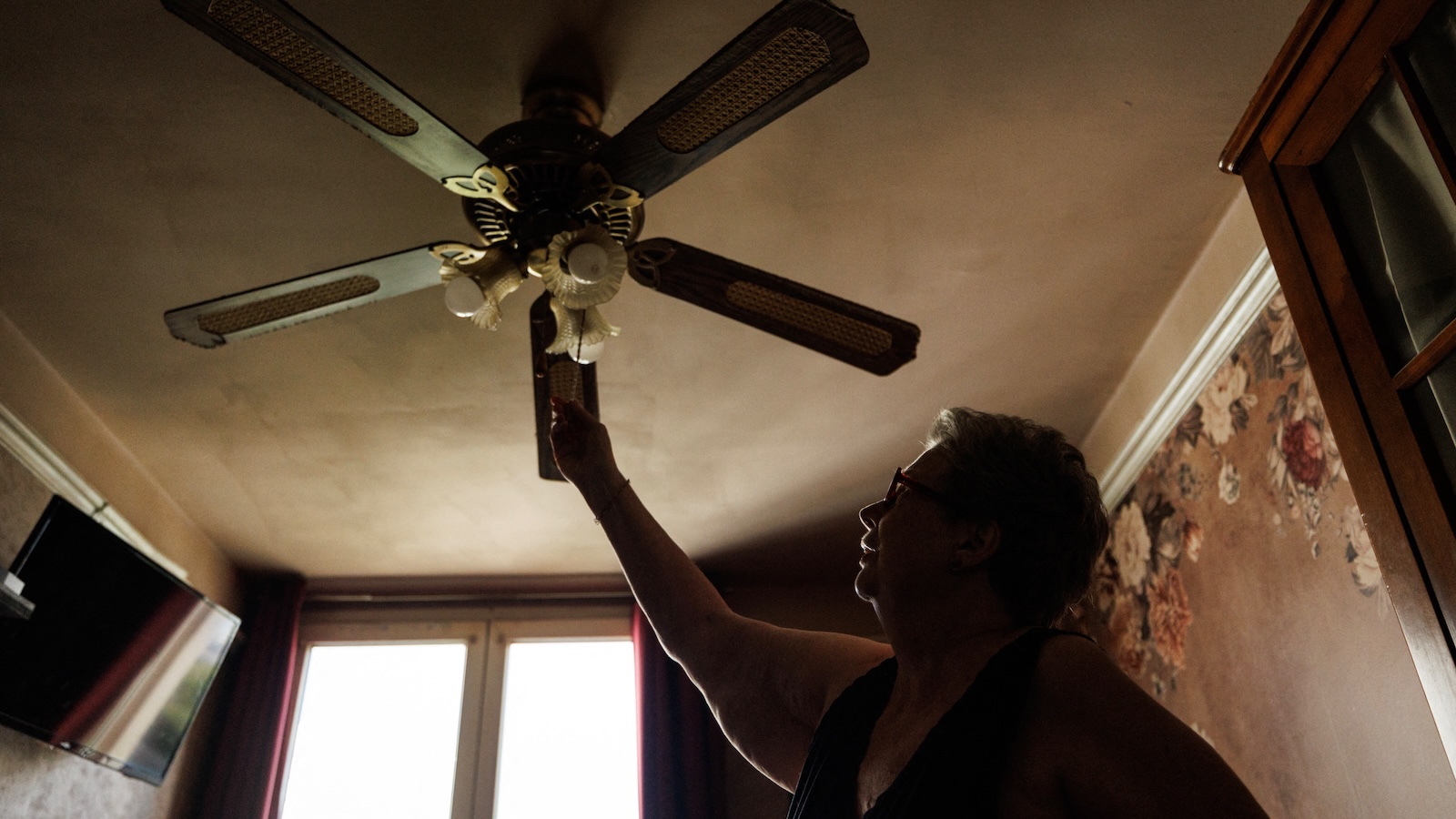
"You can’t run a place without heat," explains Doug Ruley, director of the Environmental Justice Clinic at the University of Miami School of Law. "The same is exactly true for cooling. I think the rights framing is powerful, and very consistent with how we Americans tend to think about things we care about."
While tenants theoretically possess the legal standing to challenge landlords in court to expand the implied warranty of habitability to include cooling, litigation is notoriously slow, expensive, and inaccessible to many low-income renters. Consequently, housing advocates have largely bypassed the courts in favor of pursuing explicit legislative remedies through municipal housing codes, city ordinances, and state-level landlord-tenant laws.
A Patchwork of Municipal Policies and Legislative Experiments
The strategies being deployed by local and state governments vary widely, reflecting a lack of national consensus on how to legally mandate thermal comfort. Broadly speaking, jurisdictions are split between two distinct regulatory philosophies: mandating specific equipment (such as air-conditioning units) or establishing performance standards (such as maximum allowable indoor temperatures).
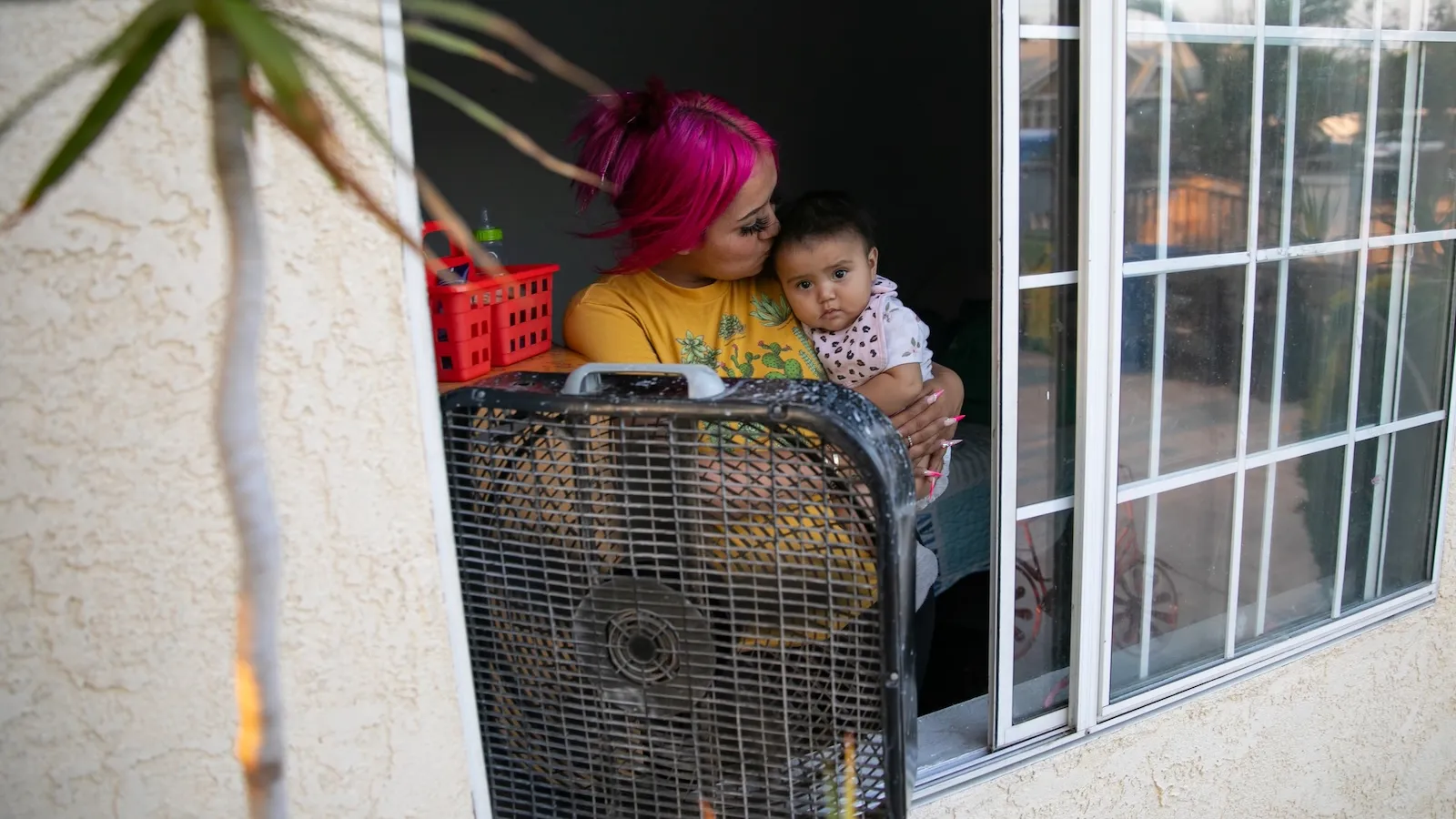
Proponents of equipment mandates argue that mechanical air-conditioning is the only technology capable of reliably safeguarding human life during severe heat domes. Houston, Texas, adopted this hardline approach in August, passing a municipal ordinance that establishes working air-conditioning as a non-negotiable health and safety standard for all residential rental properties, effectively closing loopholes that previously allowed landlords to bypass cooling requirements by merely supplying window screens. Similarly, the state of Maryland enacted a law mandating that residential property owners with ten or more units must install air-conditioning whenever major renovations are undertaken.
In Spokane, Washington, where an unprecedented heat wave in July claimed the lives of 14 residents, lawmakers enacted an ordinance requiring landlords to provide "adequate cooling" in at least one primary room of every rental unit. While stopping short of forcing landlords to install permanent central AC, the city’s policy requires property owners to reimburse tenants up to $500 if they choose to purchase and install their own cooling devices.
Conversely, a number of jurisdictions have embraced performance standards rather than prescriptive equipment rules. Under this model, the law dictates a maximum allowable indoor temperature—typically set between 79 and 82 degrees Fahrenheit—leaving landlords the flexibility to decide how to achieve compliance.
Beginning January 1, landlords in unincorporated Los Angeles County will be legally required to maintain a maximum indoor air temperature of 82 degrees Fahrenheit using safe, code-compliant methods. Urban planning experts, such as Clinton Andrews, director of the Center for Urban Policy Research at Rutgers University, argue that performance standards encourage sustainable, passive cooling innovations—such as exterior window shades, high-performance insulation, reflective roofing, and strategic urban forestry—rather than defaulting exclusively to energy-intensive air-conditioning.
However, this flexibility is viewed with deep skepticism by many tenant advocates who fear it provides landlords with loopholes to evade the substantial costs of installing true climate control. "The only intervention that is going to protect people’s lives in a heat event is AC," warns Chelsea Kirk, advocacy and policy director for the Los Angeles-based nonprofit Strategic Actions for a Just Economy. During an acute heat wave, she notes, relying on passive measures like tree shade is fundamentally insufficient.
The Battle Over Costs, Utilities, and Economic Burdens
As the right-to-cooling movement gathers momentum, it faces fierce headwinds from real estate associations and property owner syndicates. Landlords frequently argue that mandated cooling requirements impose prohibitive capital upgrade costs that will inevitably be passed down to vulnerable tenants through higher monthly rents.
While empirical housing studies suggest there is currently scant direct evidence linking cooling mandates to skyrocketing rents, analysts acknowledge a secondary, undeniable economic hurdle: soaring utility bills. Operating an air conditioner continuously during peak summer months can drastically inflate an electric bill, creating a cruel paradox where low-income tenants are legally guaranteed a cool home they cannot afford to power.
Advocates readily concede that utility costs represent a major policy challenge, but maintain it is a surmountable administrative hurdle rather than a valid justification for inaction. "Tenants can make their own choices," asserts Michele Thomas, policy and advocacy director for the Washington State Housing Alliance. "I don’t think somebody’s going to be, like, ‘Well, I’d rather risk dying tonight because I don’t want to turn on the AC.’"
Experts emphasize that local housing mandates must be paired with robust federal and state financial assistance programs to offset energy burdens. A primary vehicle for this relief is the federal Low Income Home Energy Assistance Program (LIHEAP). Despite recent administrative turbulence—including attempts by federal officials to scale back the program—Congress continues to fund the initiative, releasing approximately $3.6 billion for the current fiscal year to help vulnerable households manage heating and cooling expenses.
Looking Ahead: The Limits of Adaptation
Even as cities from New York and New Orleans to Austin and Spokane race to implement forward-thinking heat protections, environmental scientists and policy experts offer a sober caution: municipal cooling mandates are a necessary triage strategy, not a permanent cure for global warming.
Brian Henning of Gonzaga University’s Institute for Climate, Water, and the Environment notes that while installing air-conditioning and setting indoor temperature caps can save lives in the immediate term, governments must simultaneously address the root drivers of climate change by drastically reducing fossil fuel emissions.
"Otherwise, these problems will continue to outstrip our ability to address them," Henning warned. "We can’t just AC the world."