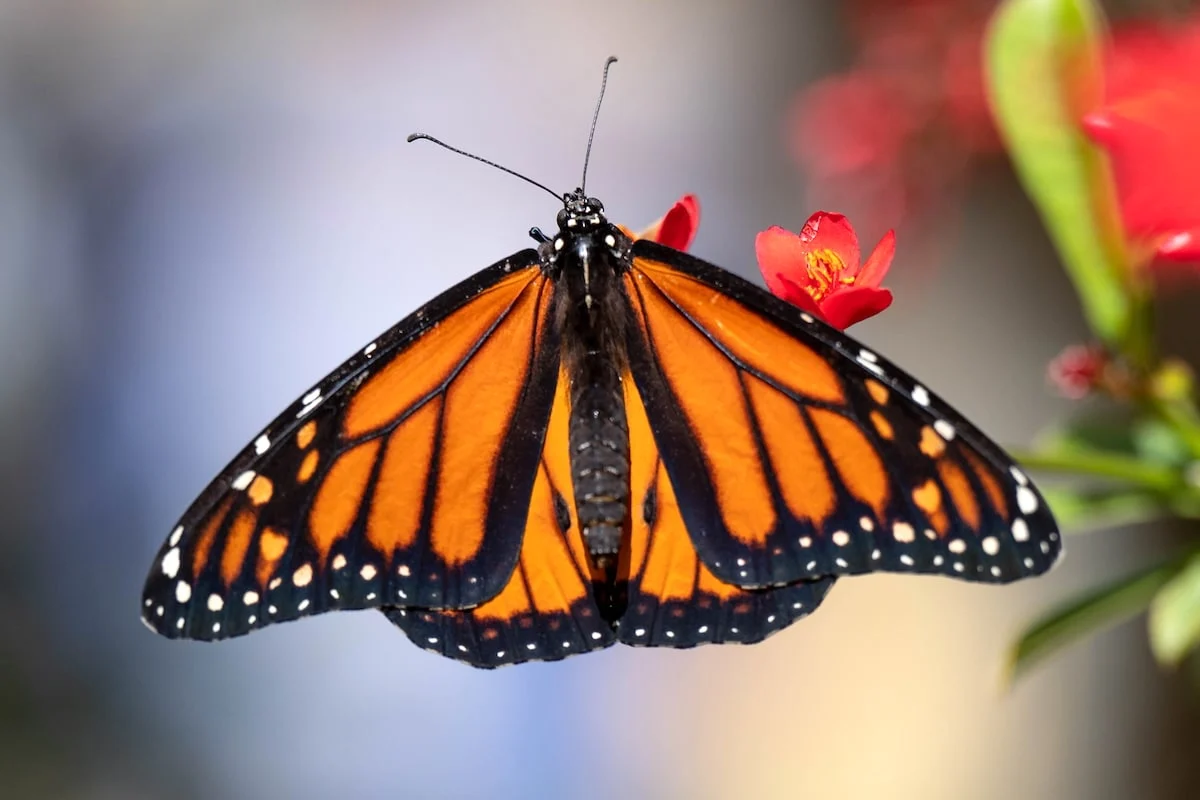
In the quiet canopy of California’s coastal sanctuaries, an unfolding ecological tragedy has taken a definitive step from observation to scientific certainty. A newly published, peer-reviewed study has officially linked a lethal chemical cocktail of neurotoxic pesticides to a devastating mass die-off of Western monarch butterflies that shook conservationists and scientists alike in early 2024. The research, which utilized advanced laboratory testing methods, provides irrefutable evidence that chemical contamination was the primary catalyst behind the sudden collapse of hundreds of vulnerable insects at a major overwintering site.
The findings, recently published in the scientific journal Environmental Toxicology and Chemistry, bring urgent clarity to an event that alarmed environmental regulators and local officials. As researchers continue to monitor the rapid spiral of the Western monarch population, this study highlights the profound vulnerability of migratory species to modern chemical pollutants, casting a stark light on the urgent need for regulatory reform, habitat protection, and public awareness.
Anatomy of a Crisis: The 2024 Pacific Grove Die-Off
The catalyst for the breakthrough study occurred in January 2024, when researchers stumbled upon a grim scene near the Pacific Grove Monarch Sanctuary in California. Hundreds of monarch butterflies were discovered dead or dying on the ground within a habitat specifically designated for their seasonal rest and survival. Pacific Grove, renowned historically as "Butterfly Town, U.S.A.," serves as one of the critical overwintering refuges where Western monarchs gather by the thousands to escape freezing temperatures in northern climates.
Upon initial inspection, field researchers noticed disturbing symptoms among the distressed insects. The butterflies exhibited classic signs of neurotoxic pesticide poisoning—including violent tremors, uncoordinated spasms, and an inability to right themselves. Recognizing the gravity of the situation, a team of scientists initiated a rigorous investigation, collecting samples of the deceased specimens for advanced forensic and toxicological analysis.
The investigation utilized state-of-the-art analytical chemistry techniques, specifically liquid and gas chromatography combined with mass spectrometry. This high-precision technology allows toxicologists to detect minute traces of chemical compounds within biological tissues. The results of the analysis were both startling and conclusive: every single butterfly tested contained a complex and dangerous mix of synthetic chemical residues, pointing directly to environmental contamination as the cause of death.
The Toxic Cocktail: Chemical Findings and Lethal Doses
The breadth of chemical contamination revealed by the chromatography analysis exceeded initial hypotheses. Rather than a single agricultural chemical drifting into the sanctuary, researchers discovered a staggering average of 15 different pesticides present across the tested samples, with individual butterflies carrying an average of seven distinct chemical compounds simultaneously.
Staci Cibotti, a pesticide risk prevention specialist at the Xerces Society for Invertebrate Conservation and lead author of the study, emphasized the alarming nature of the findings in a public statement. "We found an average of seven different pesticides per butterfly, including multiple insecticides that are highly toxic to insects," Cibotti stated. While a preliminary review by Monterey County officials following the incident could not definitively pinpoint a single source of the chemicals, the sheer concentration and high levels detected led the research team to conclude that insecticides were directly responsible for the mortality event.
The chemical breakdown of the samples highlighted a heavy presence of human-made pyrethroid insecticides—a class of synthetic chemical compounds frequently used in both agricultural and urban pest control to target the nervous systems of insects. Specifically, the study identified bifenthrin, cypermethrin, and permethrin in concentrations hovering at or dangerously near established lethal doses.
Alarmingly, bifenthrin and cypermethrin were detected in every single butterfly sample analyzed, while permethrin was present in all but two. Because pyrethroids are renowned for their high toxicity to beneficial insects, even minute ambient exposure can trigger rapid paralysis and death. When combined into a multi-chemical cocktail within the tissues of a single insect, the synergistic toxic effects are heavily amplified, ensuring swift and fatal consequences for creatures already weakened by the physiological demands of long-distance migration.
A Broader Pattern: Migration, Proximity, and Vulnerability
While the Pacific Grove incident serves as the primary focal point of the new research, experts stress that this is not an isolated anomaly. Western monarch butterflies occupy a precarious geographic footprint, migrating annually between inland breeding grounds and the narrow strip of microclimate-protected coastal groves in California. Throughout this journey, they inevitably intersect with heavily human-altered landscapes.
Cibotti elaborated on the pervasive nature of these threats, noting that pesticide exposure is a widespread and systemic hazard across the entire geographic range of the monarch. These chemicals are far from confined to large-scale industrial agriculture; they are routinely deployed across developed residential and commercial landscapes for structural pest control, home gardening, manicured turf management, landscaping, and public health mosquito abatement programs. In some cases, chemical pesticides are even applied directly to natural and forested ecosystems to combat invasive forest pests and disease vectors.

Crucially, the study highlights how the natural behaviors of monarch butterflies exponentially increase their vulnerability during specific windows of their life cycle. During migration and overwintering phases, monarchs aggregate in immense, dense clusters. This hyper-concentration means that a single, localized pesticide application—whether from an agricultural field a mile away via spray drift or an urban mosquito control fogger—has the catastrophic potential to wipe out hundreds or thousands of individuals simultaneously.
This vulnerability was tragically demonstrated in September 2020, when a similar mass-mortality event occurred in North Dakota. In that instance, hundreds of migrating monarch butterflies were found dead following an aerial mosquito control spray. The recurrence of these mass-casualty events underscores that migration and overwintering are perilous bottlenecks in the monarch’s annual cycle. Protecting these butterflies requires safeguarding them not just from habitat loss, but from chemical onslaughts precisely when they are gathered in their most concentrated numbers.
Historical Context and Population Freefall
The discovery of pesticide poisoning arrives at a critical juncture for the Western monarch butterfly population, which has endured decades of catastrophic decline. According to tracking data compiled by the Xerces Society for Invertebrate Conservation through its annual Western Monarch Count, the population has plummeted by roughly 95% since the 1980s, when millions of butterflies routinely blanketed the California coast.
In the winter of 2024, the exact period surrounding the Pacific Grove incident, monarch numbers dropped to the second-lowest level ever recorded by modern researchers. The following year, the 2025 overwintering census painted an even more alarming picture, tallying a total of just 9,119 Western monarchs across all monitored California sites.
This sustained downward spiral has placed the migratory monarch under intense regulatory scrutiny and conservation concern. The International Union for Conservation of Nature (IUCN) lists migratory monarch butterflies as endangered on its Red List. More ominously, projections from the U.S. Fish and Wildlife Service, cited by the Los Angeles Times, have estimated that Western monarch butterflies face an alarming 99% probability of functional extinction by the year 2080 if current mortality factors and habitat degradation trends remain unchecked.
Against this backdrop of near-collapse, the loss of even a few hundred butterflies to an acute chemical poisoning event represents a significant blow to a fragile population struggling to maintain genetic diversity and a viable breeding baseline.
Conservation Strategies and Calls for Policy Reform
Faced with mounting evidence that toxic chemical exposure is accelerating the slide toward extinction, the Xerces Society and allied conservation organizations are aggressively pushing for a multi-tiered approach to mitigate pesticide risks. Mitigating the threat will require a combination of grassroots community education and sweeping policy changes at the municipal, state, and federal levels.
Following the publication of the study, researchers outlined several critical recommendations designed to shield overwintering sites and migratory corridors from chemical drift and direct application:
- Establishment of Pesticide-Free Buffer Zones: Creating legally protected, chemically buffered zones around known overwintering groves to prevent agricultural spray drift and urban chemical runoff from penetrating critical habitats.
- Targeted Public Education: Increasing awareness among homeowners, landscapers, and municipal authorities regarding the unintended consequences of broad-spectrum insecticides, particularly during peak monarch migration and overwintering months.
- Integration into Conservation Plans: Ensuring that formal state and federal recovery plans for the monarch butterfly explicitly mandate rigorous protections against pesticide exposure and chemical contamination.
- Interagency Coordination: Improving tracking, notification systems, and communication between agricultural operators, public health mosquito-abatement districts, and wildlife conservationists to prevent accidental mass-poisoning events.
Emily May, co-author of the study and agricultural conservation lead at the Xerces Society, emphasized the collaborative effort required to secure a future for the species. "Protecting monarchs from pesticides will require both public education and policy change," May stated. "We are committed to working with communities and decision-makers to ensure that overwintering sites are healthy refuges for these butterflies."
Implications for the Future of Pollinators
The definitive link established between modern synthetic pesticides and the Pacific Grove die-off serves as a broader bellwether for the health of North American ecosystems. Insects—particularly pollinators like bees, butterflies, and beetles—form the foundational bedrock of terrestrial food webs, supporting countless species of birds, small mammals, and predatory insects, while facilitating the reproduction of flowering plants and vital crops.
The widespread detection of multiple chemical residues in individual monarchs underscores the chronic, cumulative burden that wildlife faces in an increasingly industrialized landscape. As researchers, conservationists, and policymakers digest the findings of the Environmental Toxicology and Chemistry study, the mandate is clear. Without robust interventions to curb the indiscriminate use of neurotoxic chemicals, particularly in regions overlapping with critical wildlife refuges, the iconic migration of the Western monarch butterfly risks becoming a casualty of modern chemical dependency.
Ultimately, ensuring that California’s coastal groves remain sanctuaries in fact as well as in name will depend on society’s willingness to rebalance agricultural productivity and urban pest control with the fragile ecological imperatives of the natural world.