Discover Airlines, the German long-haul leisure carrier operating under the broader umbrella of the Lufthansa Group, has announced a major long-term fleet modernization initiative that will see the integration of 13 Airbus A350-900 aircraft. This strategic move highlights the Lufthansa Group’s ongoing commitment to strengthening its leisure-focused operations and optimizing network efficiency across its multi-brand portfolio. As the parent company navigates varied profitability levels across its traditional network carriers and lower-cost subsidiaries, the introduction of the modern twin-engine widebody aircraft marks a significant evolution for Discover Airlines’ passenger experience and route capability.
Main Facts of the Fleet Acquisition
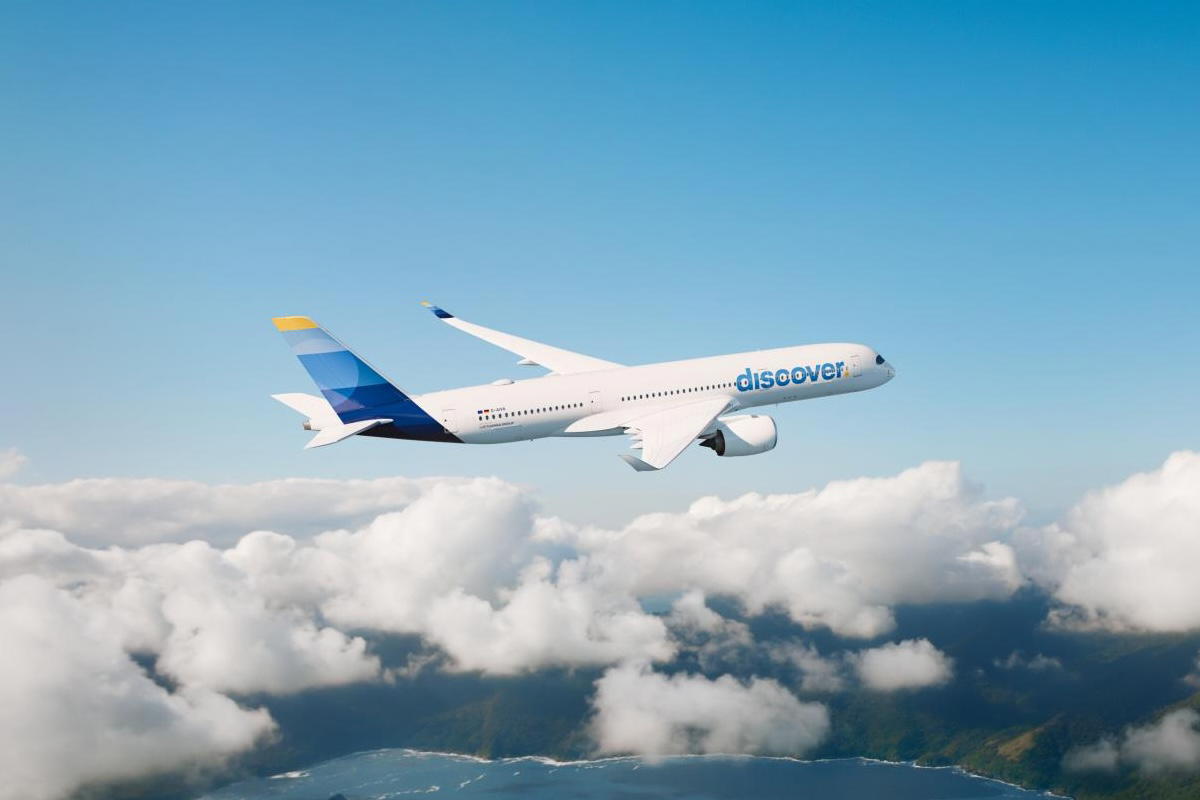
The comprehensive fleet transformation plan entails the acquisition of 13 Airbus A350-900 aircraft, scheduled to join the Discover Airlines fleet in a structured, multi-year rollout. The aircraft deployment is divided into two distinct phases: the acquisition of pre-owned models currently within the Lufthansa Group network, followed by the introduction of brand-new, factory-fresh deliveries stemming from broader corporate orders.
This influx of next-generation aircraft will substantially bolster Discover Airlines’ operational capacity. Currently, the carrier’s long-haul operations are exclusively serviced by a uniform fleet of Airbus A330-300 aircraft, following the recent retirement of the smaller A330-200 variant. By mid-2028, Discover Airlines anticipates that its total long-haul fleet will expand to 20 aircraft. This expanded tally will incorporate the initial tranche of Airbus A350s alongside supplementary Airbus A330 airframes transferred from the core Lufthansa brand.
Chronology and Rollout Timeline
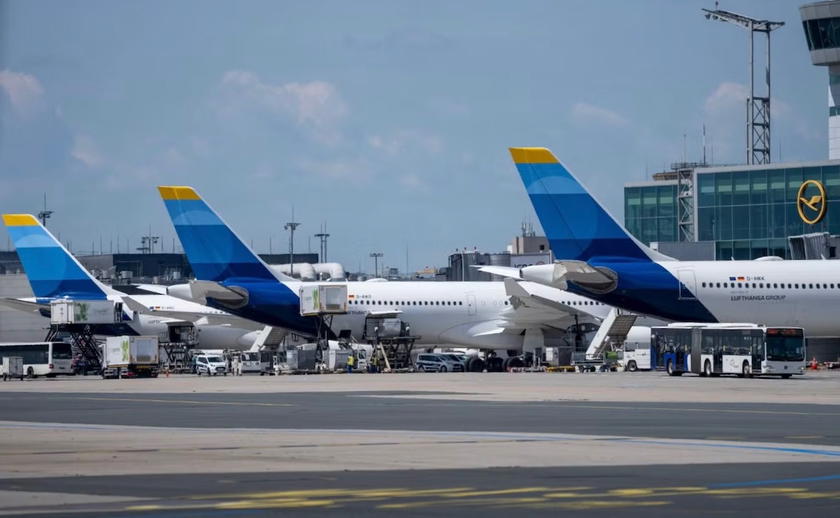
The integration timeline for the Airbus A350 fleet spans from mid-2027 through the end of the decade, establishing a clear path for network growth and fleet transition.
- June 2027: The first former Lufthansa Airbus A350 is scheduled to enter service with Discover Airlines. Following an initial phase of short-haul operations dedicated to crew familiarization and training, the aircraft will be deployed on long-haul routes connecting Frankfurt (FRA) to Calgary (YYC) and Orlando (MCO).
- December 2027: A second Airbus A350 will join the fleet, enabling the introduction of widebody service on routes to San Jose, Costa Rica (SJO), and Belize City (BZE).
- Summer 2028: The third and fourth Airbus A350 airframes are slated for delivery, coinciding with the broader expansion of the airline’s overall long-haul capacity to 20 aircraft.
- 2029 and Beyond: The airline will begin receiving nine factory-fresh Airbus A350-900s, directly sourced from the Lufthansa Group’s direct manufacturer order book.
Supporting Data and Fleet Specifications
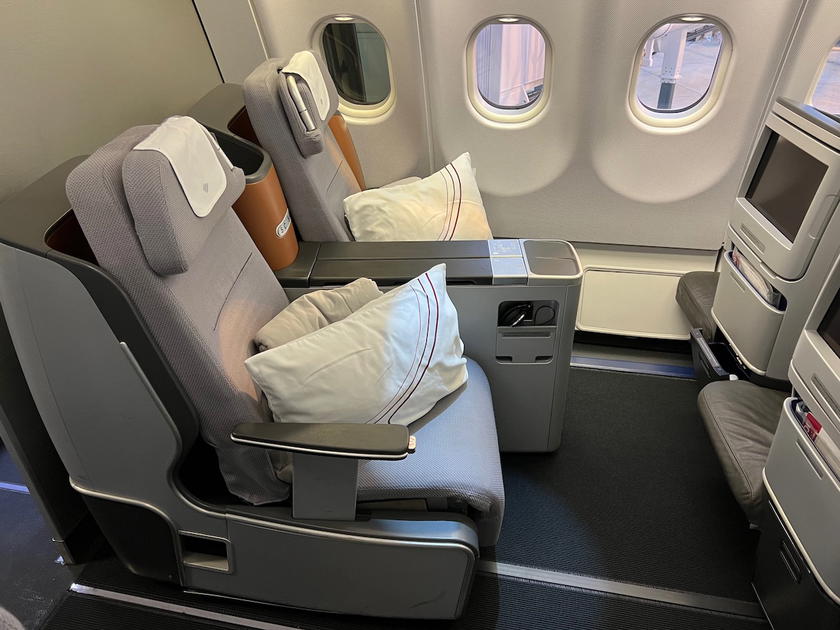
The technical and interior profile of the incoming Airbus A350 fleet involves a blend of existing cabin configurations and future standardized products. The first four pre-owned Airbus A350s destined for Discover Airlines carry a unique historical pedigree. Originally operated by Philippine Airlines, these four specific airframes were opportunistically acquired by Lufthansa during that carrier’s corporate restructuring in 2021.
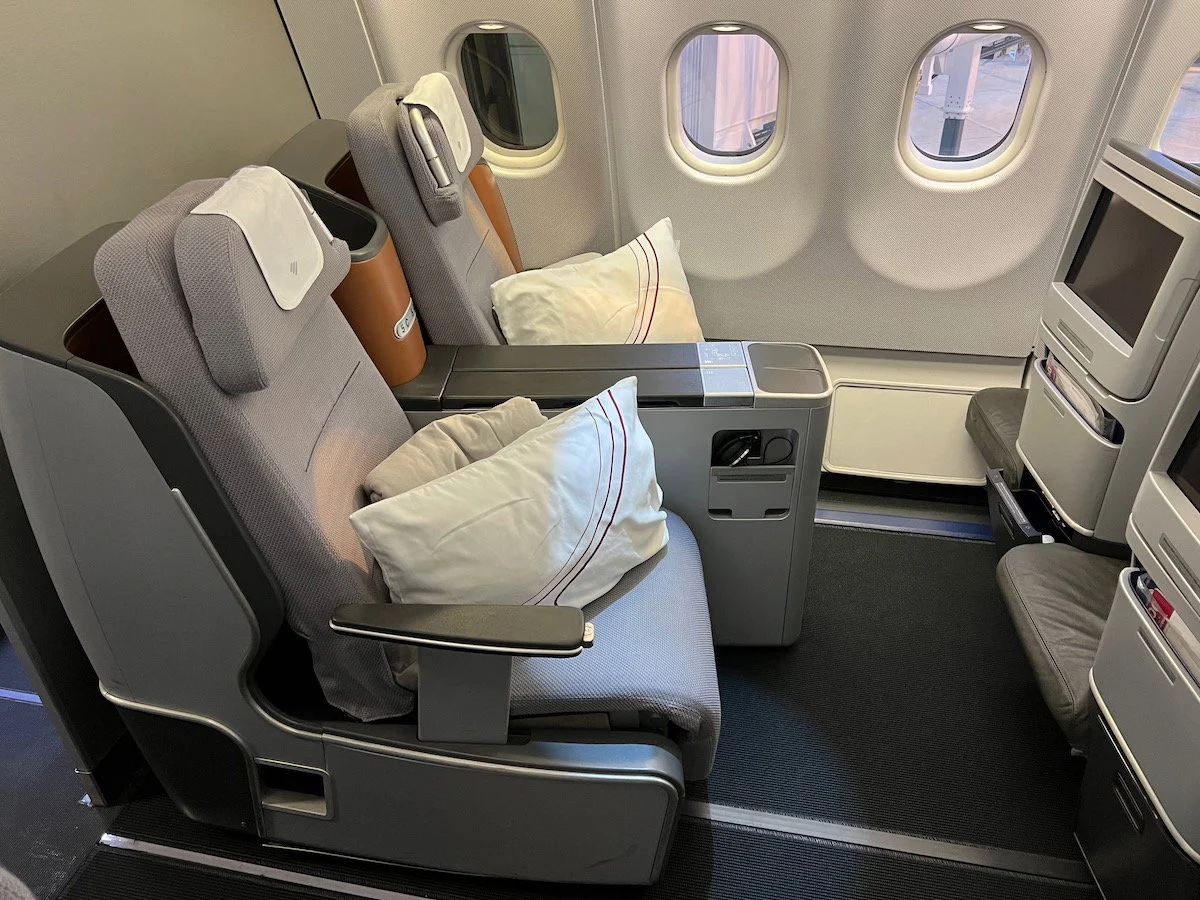
Unlike standard Lufthansa Airbus A350s—which traditionally feature a 2-2-2 business class layout—these four specialized jets retain their original Thompson Aero Vantage XL business class seats in a modern, staggered configuration. Industry analysts note that maintaining these cabins will provide an immediate and noticeable enhancement to Discover Airlines’ premium product offering.
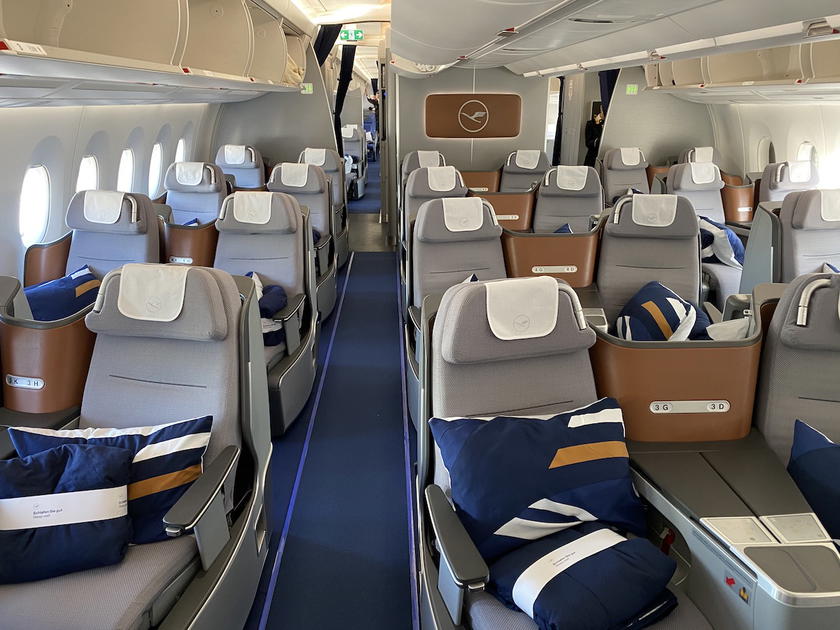
Conversely, the cabin architecture for the nine factory-fresh aircraft arriving from 2029 onward remains officially unconfirmed. While synchronization with the Lufthansa Group’s overarching "Allegris" long-haul product standards—or the comparable "SWISS Senses" concept—remains a possibility for fleet standardization, Discover Airlines is concurrently pursuing dedicated, off-the-shelf business class cabin upgrades for its existing Airbus A330 fleet to mitigate industry-wide supply chain and certification delays.
Official Responses and Corporate Context
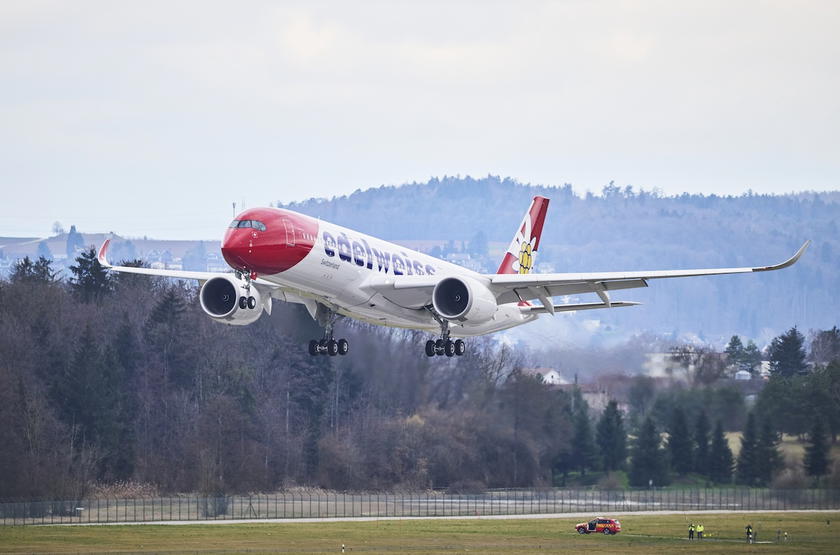
Representatives for the Lufthansa Group have emphasized that the allocation of modern widebody assets to leisure subsidiaries is central to the group’s financial optimization strategy. With legacy operations at the flagship Lufthansa brand facing ongoing margin pressures and structural cost challenges, the group has increasingly relied on subsidiaries like Discover Airlines and Edelweiss Air—SWISS’s leisure counterpart, which is similarly transitioning from Airbus A340s to A350s—to capture high-demand leisure traffic efficiently.
The strategic deployment of Discover Airlines is further evidenced by operational adjustments within the group network. For instance, the transfer of select transatlantic routes—such as upcoming transitions on North American corridors—from core Lufthansa operations to Discover Airlines underscores the subsidiary’s growing operational footprint within the Frankfurt hub.
Broader Industry Impact and Strategic Implications
The introduction of the Airbus A350-900 into the Discover Airlines network carries substantial implications for both the competitive landscape of European leisure aviation and passenger experience standards.
From an environmental standpoint, the transition from older Airbus A330 and legacy quad-engine aircraft to the fuel-efficient, composite-heavy A350 aligns with international aviation sustainability mandates. The twin-engine widebody offers significantly reduced fuel burn and lower carbon emissions per seat-kilometer, directly supporting the Lufthansa Group’s corporate carbon-reduction targets.
Operationally, the standardization around a modern widebody family simplifies pilot training, maintenance protocols, and spare parts management. For passengers, the arrival of the A350—particularly equipped with modern lie-flat seating configurations and advanced cabin air filtration systems—elevates the baseline comfort expected from a leisure-oriented carrier. As the rollout progresses toward the end of the decade, Discover Airlines is positioned to transition from a secondary operational outlet into a primary pillar of the Lufthansa Group’s long-haul leisure strategy.